
Rue Gît le Cœur — History & Facts
When did color learn to lie? In a world where truth often wears a guise, the vibrant hues of Rue Gît le Cœur invite contemplation, whispering secrets of faith and doubt interwoven in every brushstroke. Look to the left at the deep blue shadows that embrace the cobblestone street, hinting at the evening's descent, while warm yellow light spills from the windows above, casting a soft glow onto the pavement below. Notice how the artist employs contrasting colors not merely to create depth, but to evoke an emotional tension that pulses within the scene. The meticulous details of the buildings, their elegant facades rich in texture, draw the eye upward toward the glowing promise of home, creating a sense of longing that lingers in the air. As you explore further, observe the solitary figure strolling through the street, head bowed, as if grappling with an invisible weight.
The juxtaposition of the radiant light against the figure's shadow underscores a profound dichotomy: hope versus despair, faith versus uncertainty. Each element in this urban tableau serves as a reflection of the human experience, suggesting a search for solace amidst the chaos of city life, as if the environment itself were a character caught in the struggle between the vibrant and the somber. This work was created during a transformative time in art history, as Séguin painted Rue Gît le Cœur in 1895 while living in France. The late 19th century was marked by the impressionist movement, which championed the use of color and light to evoke emotion.
Séguin, a lesser-known yet important figure in this movement, sought to capture the intimate moments of everyday life, reflecting both the shifting societal norms and the burgeoning exploration of psychological depth in art.
More Artworks by F. Séguin
Browse all →
Rue Brantôme. (anciennement rue des Petits Champs donnant rue Saint Martin et rue Beaubourg)
F. Séguin
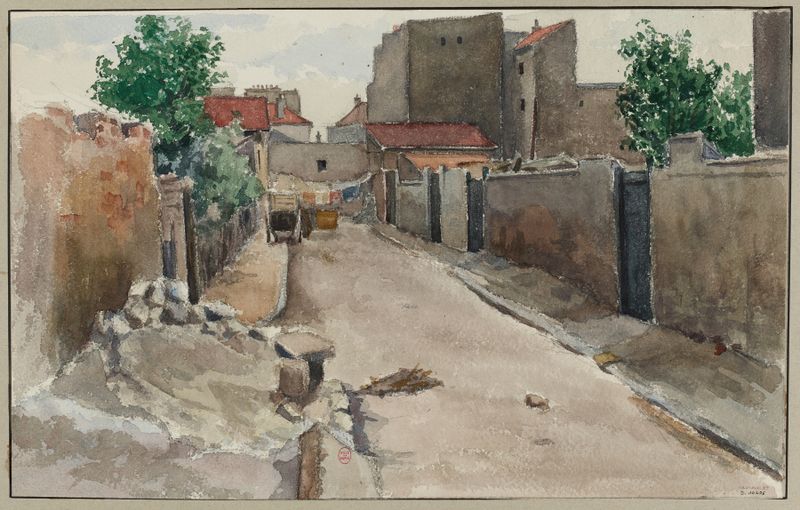
La rue de Chambéry, prise de la rue de Nice la Frontière
F. Séguin
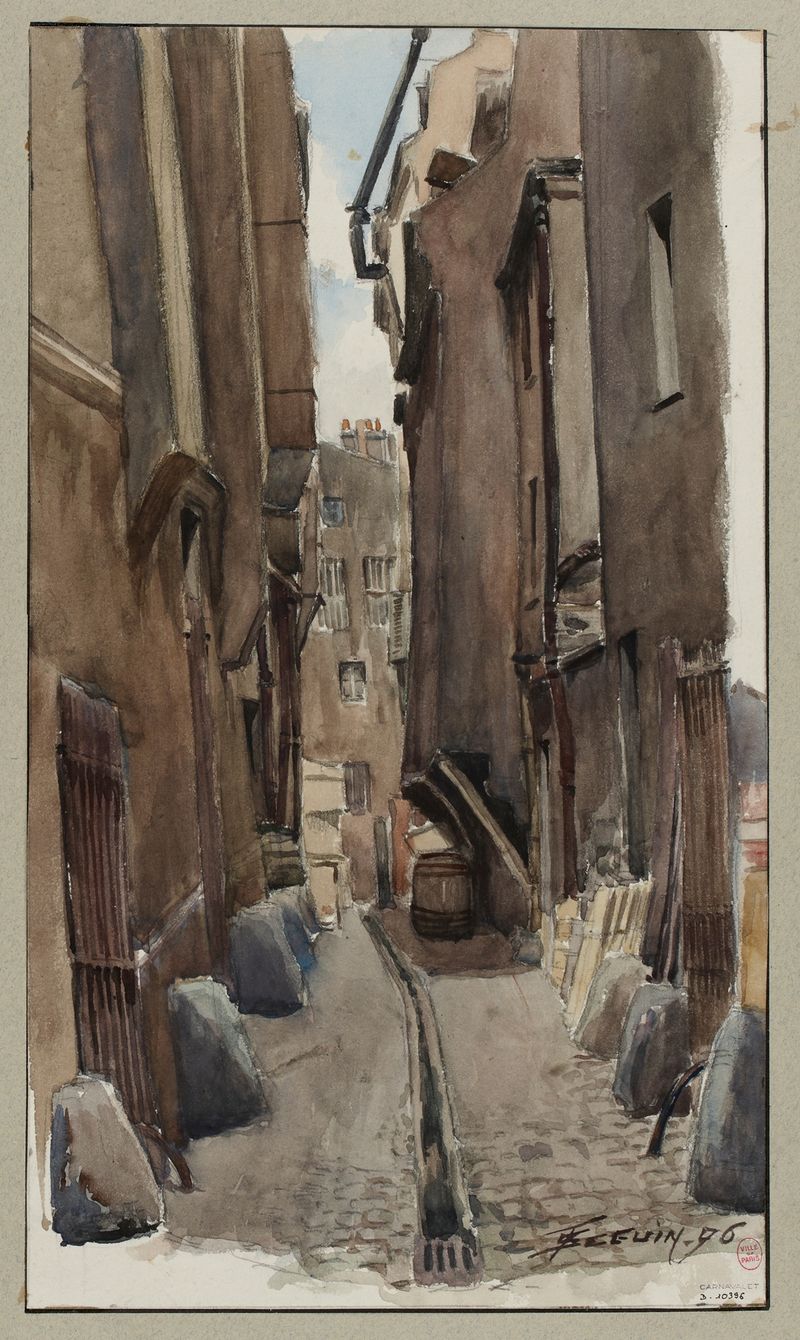
Le Cul de sac du Bœuf, (rue Saint Merri)
F. Séguin

Rue Descartes
F. Séguin
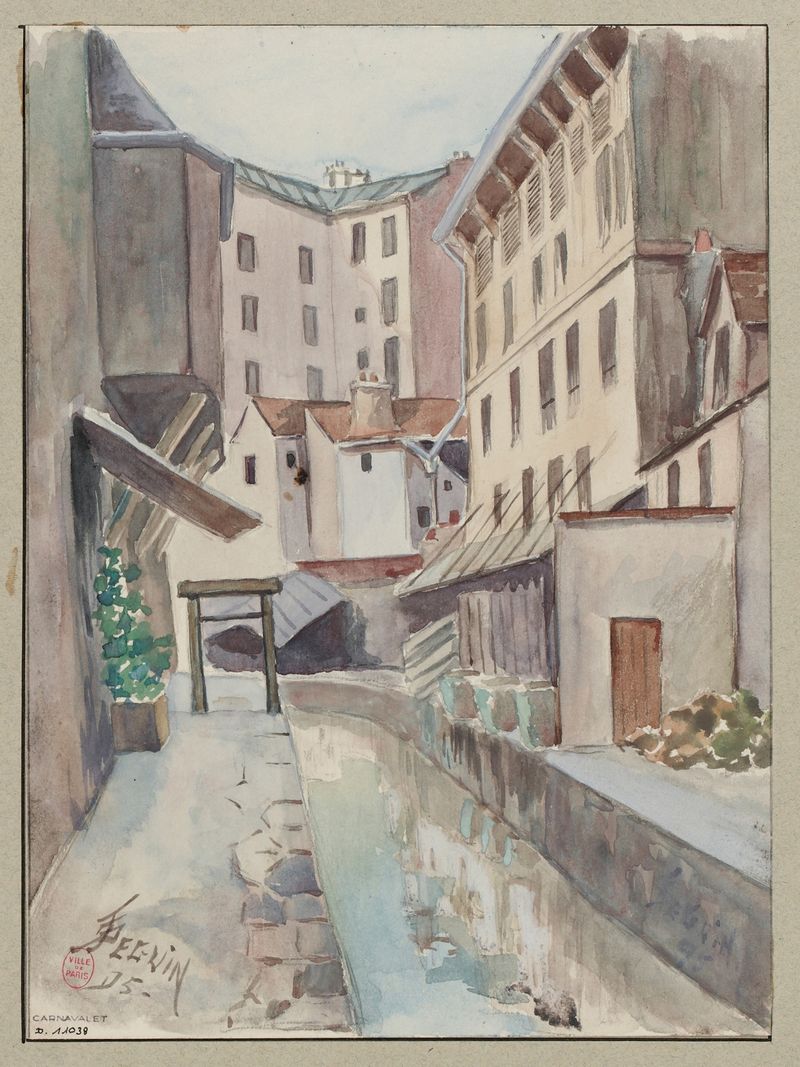
Le bord de la Bièvre à l’avenue des Gobelins
F. Séguin

Villa des Otages mur où furent fusillés les 52 derniers otages de la Commune, rue Haxo
F. Séguin
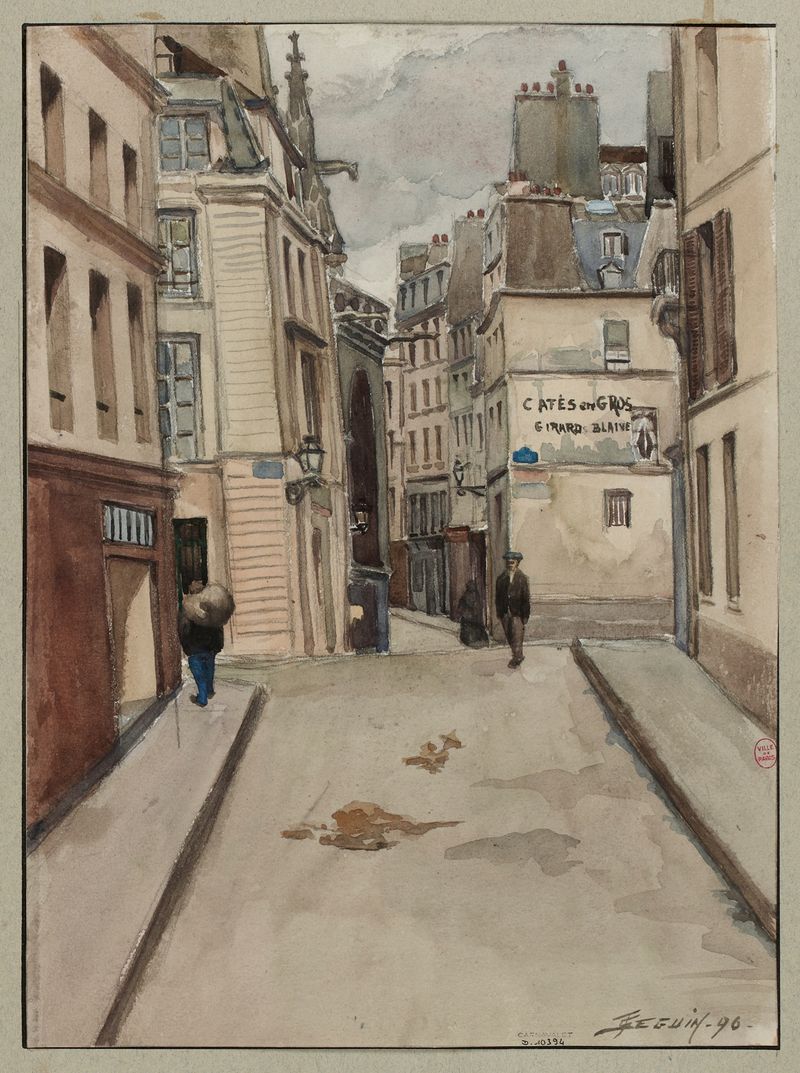
Rue du Cloître Saint Mérry, de la rue du Renard à la rue Saint Martin
F. Séguin
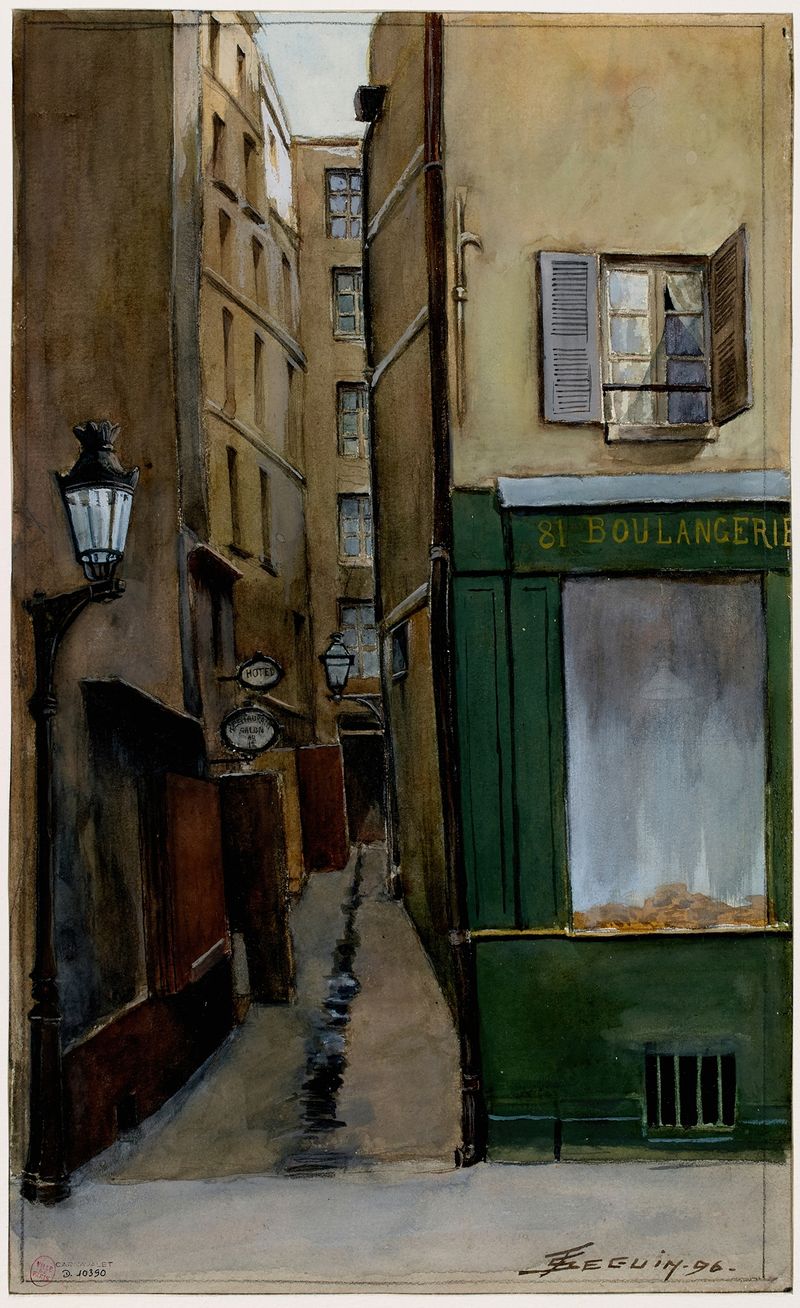
Cul de sac du Fiacre, 81 rue Saint Martin
F. Séguin
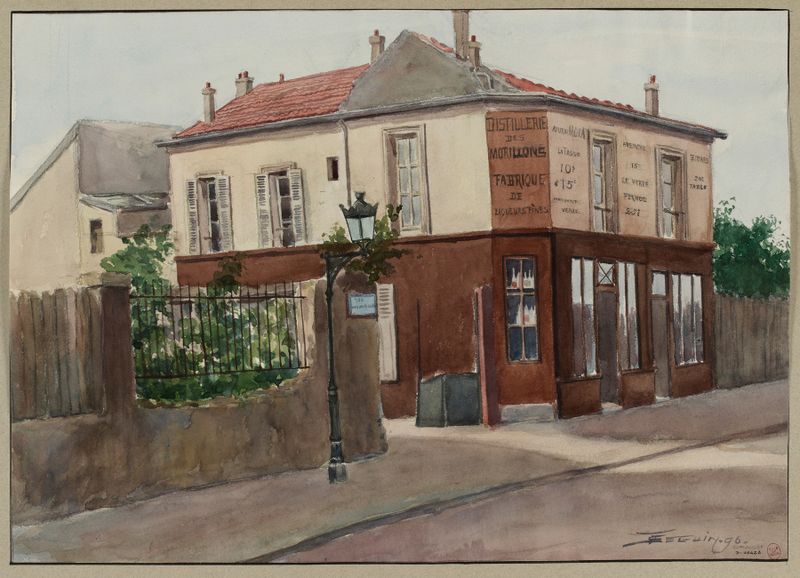
Angle de l’impasse Carlier et au 24 rue des Morillons, Vaugirard
F. Séguin
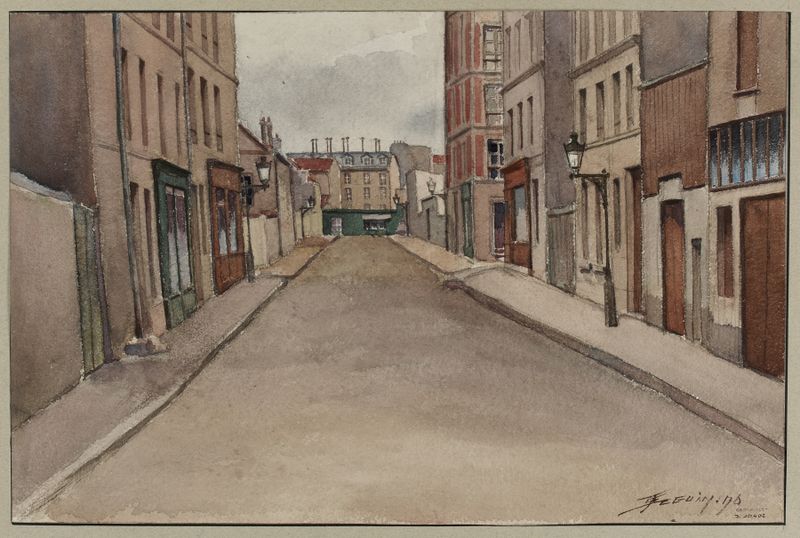
Rue Franquet
F. Séguin





