
Rue Jean de Beauvais — History & Facts
This profound notion captures the essence of transformation, an ever-present process that reveals hidden depths within our surroundings and ourselves. Focus your gaze on the left side of the canvas, where a burst of vibrant hues evokes the life of a Parisian street. The brushwork is loose yet confident, allowing colors to dance between the buildings and the cobblestones. Notice how the light spills onto the street, illuminating figures caught in a moment of movement, their silhouettes infused with energy and possibility.
The juxtaposition of shadow and brightness suggests an underlying narrative, hinting at the stories that dwell within this urban landscape. Digging deeper, observe the interplay between the old and the new. The architecture, with its worn facades, speaks of history, while the presence of figures in modern attire hints at the transformation of society at the turn of the century. The scattering of colors reflects not only the vibrancy of life but also the fleeting nature of moments, encapsulating the tension between permanence and change.
Here, the mundane becomes extraordinary, inviting viewers to ponder the stories nestled in the cracks of the cobblestones. F. Séguin painted Rue Jean de Beauvais in 1895, amidst the bustling streets of Paris, a city in the throes of modernization and artistic innovation. During this period, the Impressionist movement was gaining momentum, and Séguin, influenced by this wave, sought to capture the simultaneous beauty and transience of urban life.
It was a time when the vibrancy of the city pulsed with change, reflecting both the excitement and uncertainty of a world on the brink of transformation.
More Artworks by F. Séguin
Browse all →
Rue Brantôme. (anciennement rue des Petits Champs donnant rue Saint Martin et rue Beaubourg)
F. Séguin
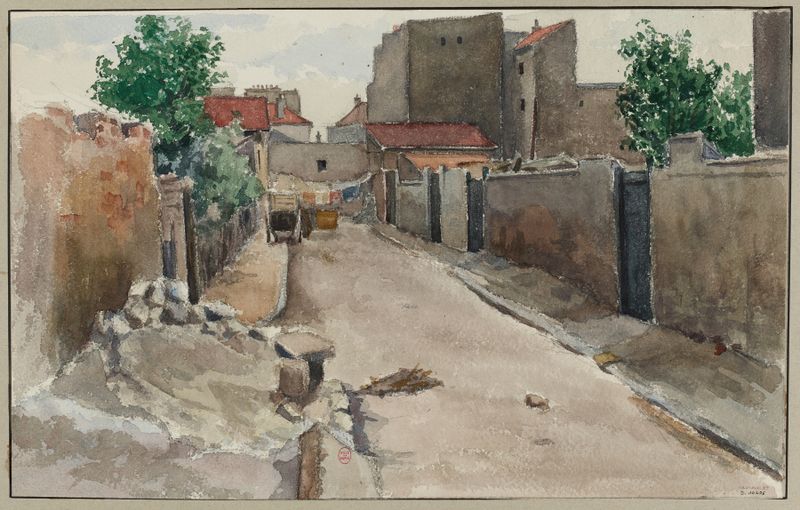
La rue de Chambéry, prise de la rue de Nice la Frontière
F. Séguin
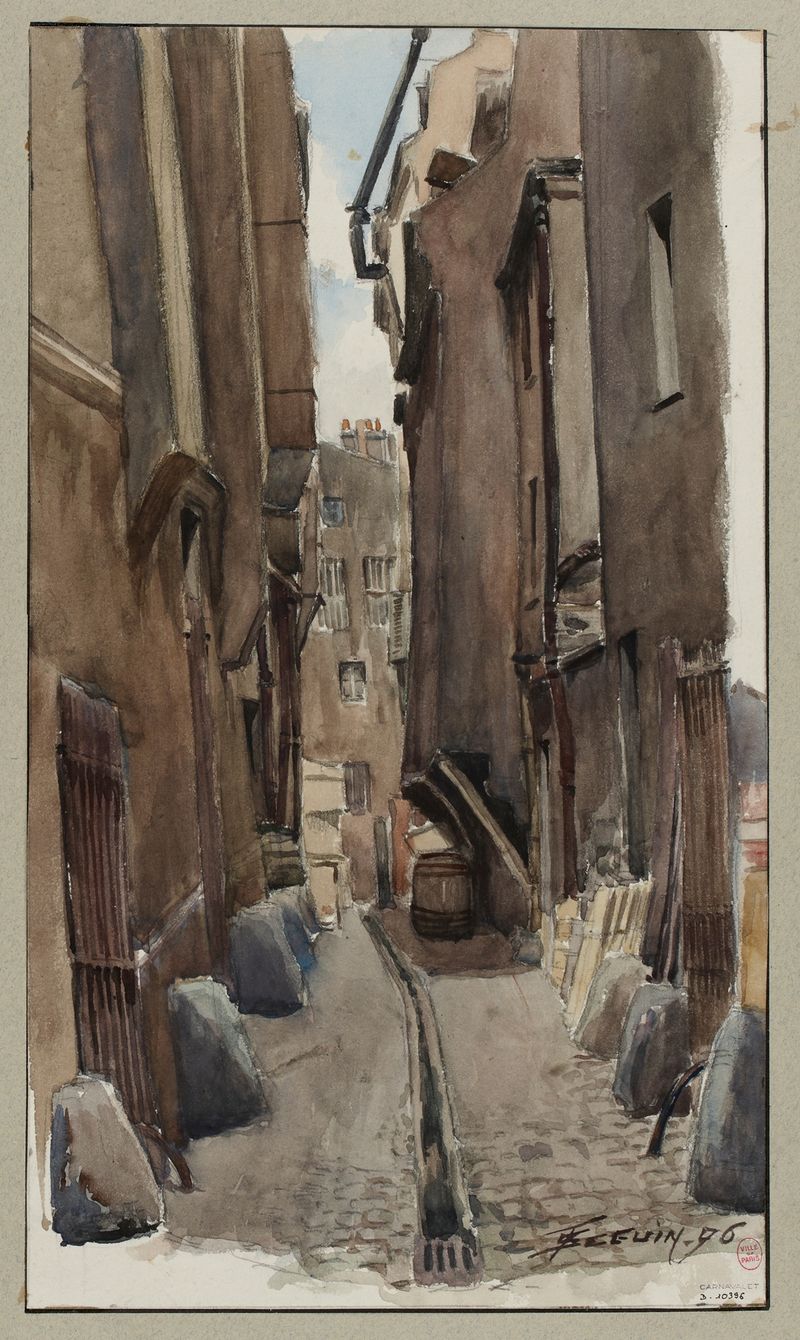
Le Cul de sac du Bœuf, (rue Saint Merri)
F. Séguin

Rue Descartes
F. Séguin
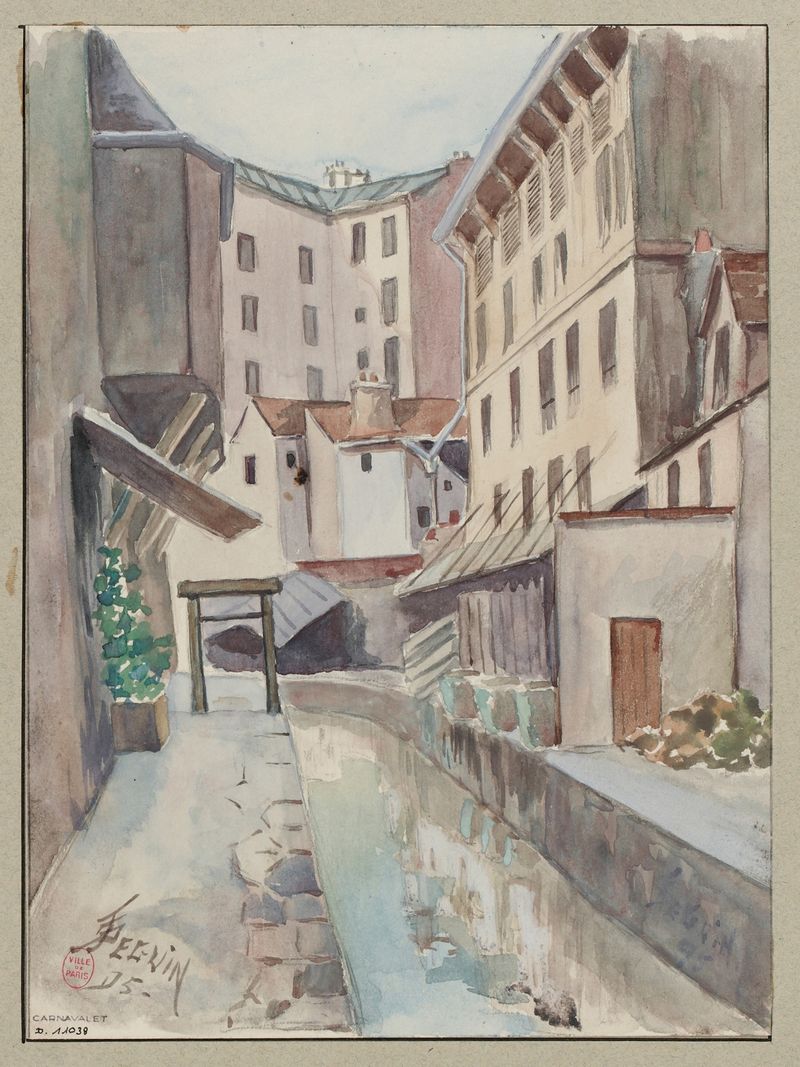
Le bord de la Bièvre à l’avenue des Gobelins
F. Séguin

Villa des Otages mur où furent fusillés les 52 derniers otages de la Commune, rue Haxo
F. Séguin
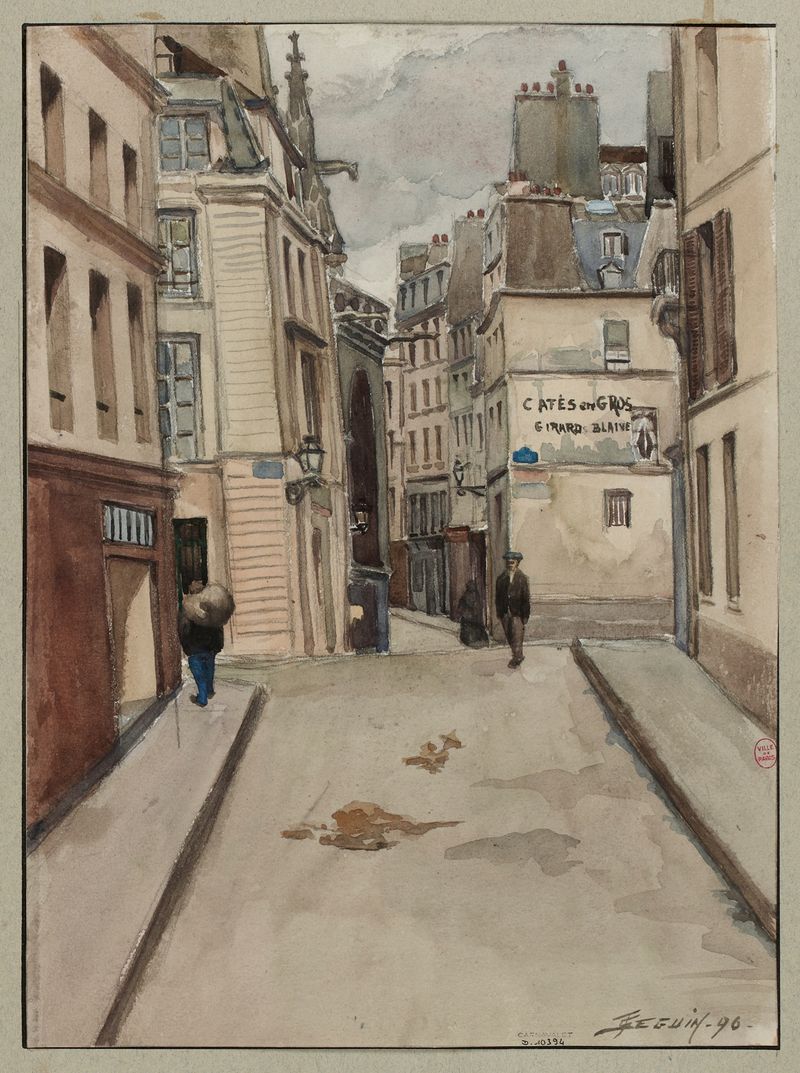
Rue du Cloître Saint Mérry, de la rue du Renard à la rue Saint Martin
F. Séguin
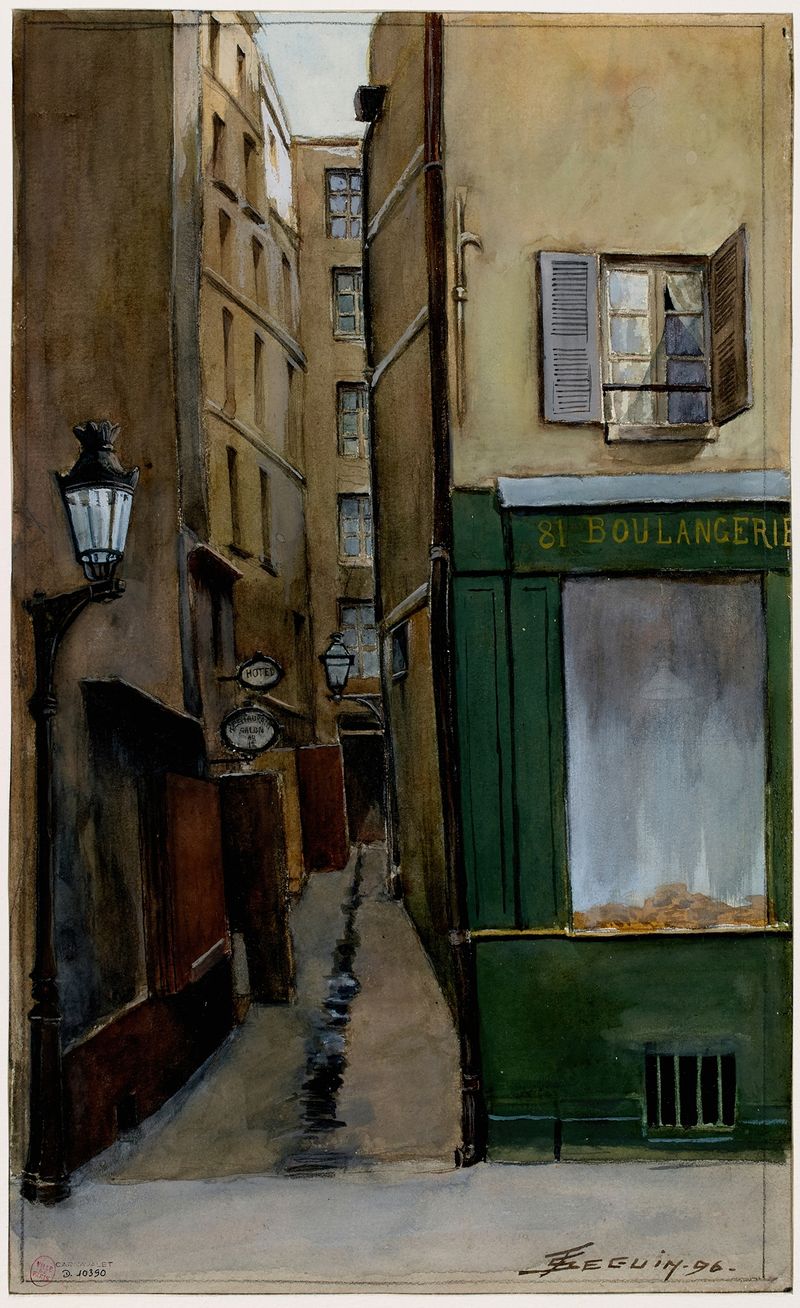
Cul de sac du Fiacre, 81 rue Saint Martin
F. Séguin
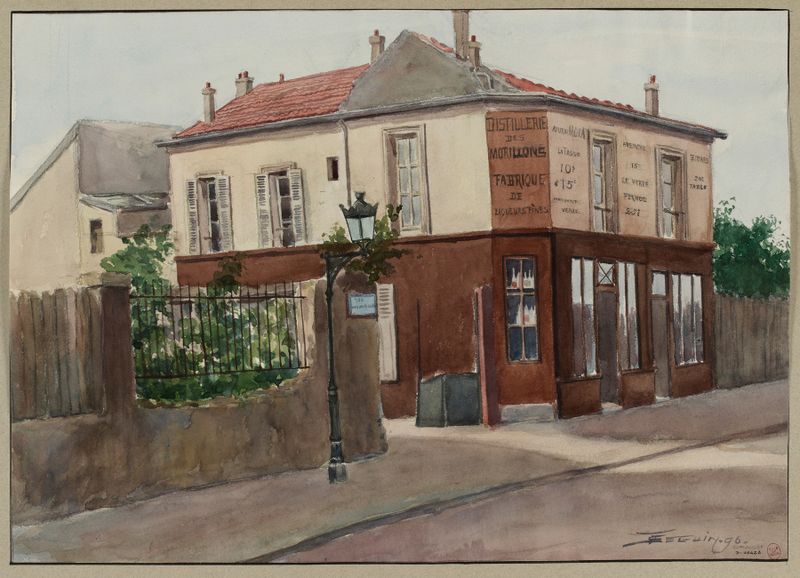
Angle de l’impasse Carlier et au 24 rue des Morillons, Vaugirard
F. Séguin
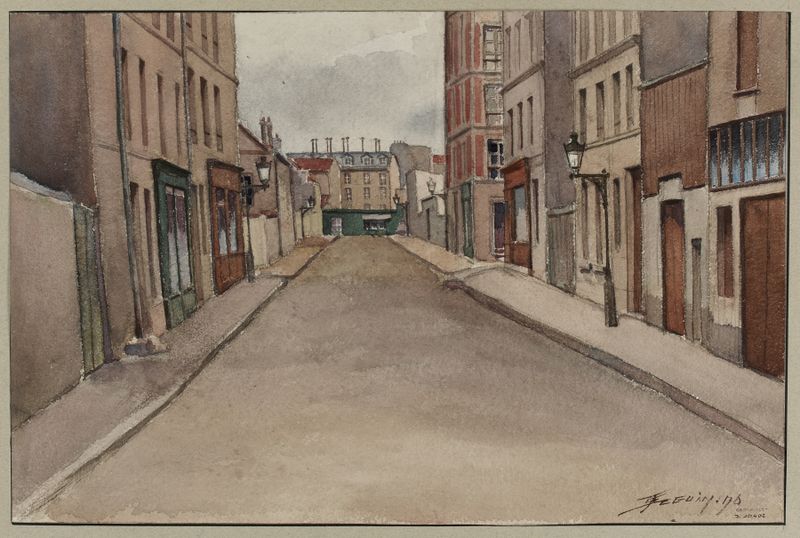
Rue Franquet
F. Séguin





