
Rue Lhuillier — History & Facts
In Rue Lhuillier, F. Séguin deftly captures the ephemeral nature of urban life, inviting viewers to question the illusions we construct around our surroundings. The interplay of light and shadow plays a pivotal role in revealing both the allure and the hidden truths of this scene. Look to the left where a sun-drenched street unfurls, framed by the delicate outlines of quaint architecture.
The gold hues radiate warmth, evoking a sense of nostalgia that envelops the viewer. Notice how the shadows stretch languidly, hinting at the passage of time, while contrasting textures reveal the age of the buildings—each crack and crevice tells a story. Séguin employs soft brush strokes, allowing colors to gently blend, creating a dreamlike quality that teeters on the edge of reality. Yet, beneath the surface, an unsettling tension emerges.
The vibrancy of the street juxtaposes the solitude of the figures meandering through it, suggesting a deeper sense of isolation amidst the beauty. The golden light, so enchanting at first glance, becomes a veil that conceals the emotional weight of city life. As the viewer contemplates the scene, they might feel the pulse of the city—a rhythmic heartbeat carried by fleeting moments of connection and disconnection. Painted in 1896, this work reflects Séguin's experiences in Paris, a city buzzing with artistic innovation and cultural transformation.
During this time, the Impressionist movement was blossoming, and the artist was deeply influenced by the evolving urban landscape. Straddling the line between Impressionism and Realism, he sought to capture not only the aesthetic beauty of the streets but also the complex emotions woven into the fabric of daily life.
More Artworks by F. Séguin
Browse all →
Rue Brantôme. (anciennement rue des Petits Champs donnant rue Saint Martin et rue Beaubourg)
F. Séguin
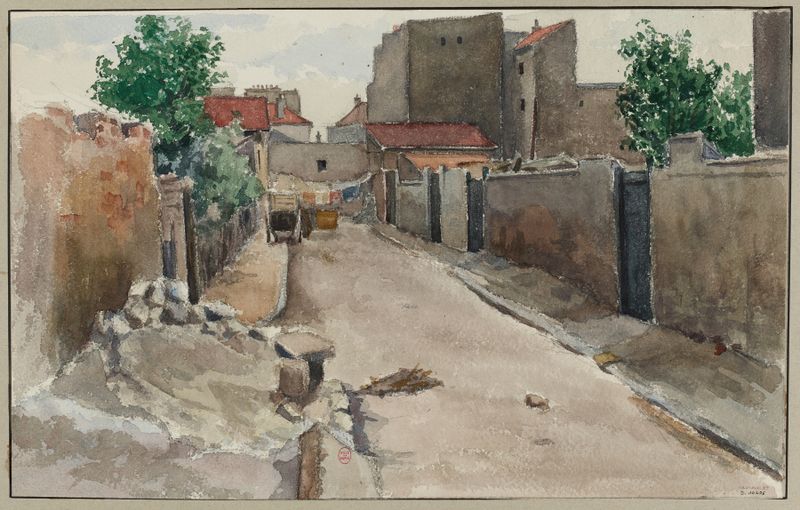
La rue de Chambéry, prise de la rue de Nice la Frontière
F. Séguin
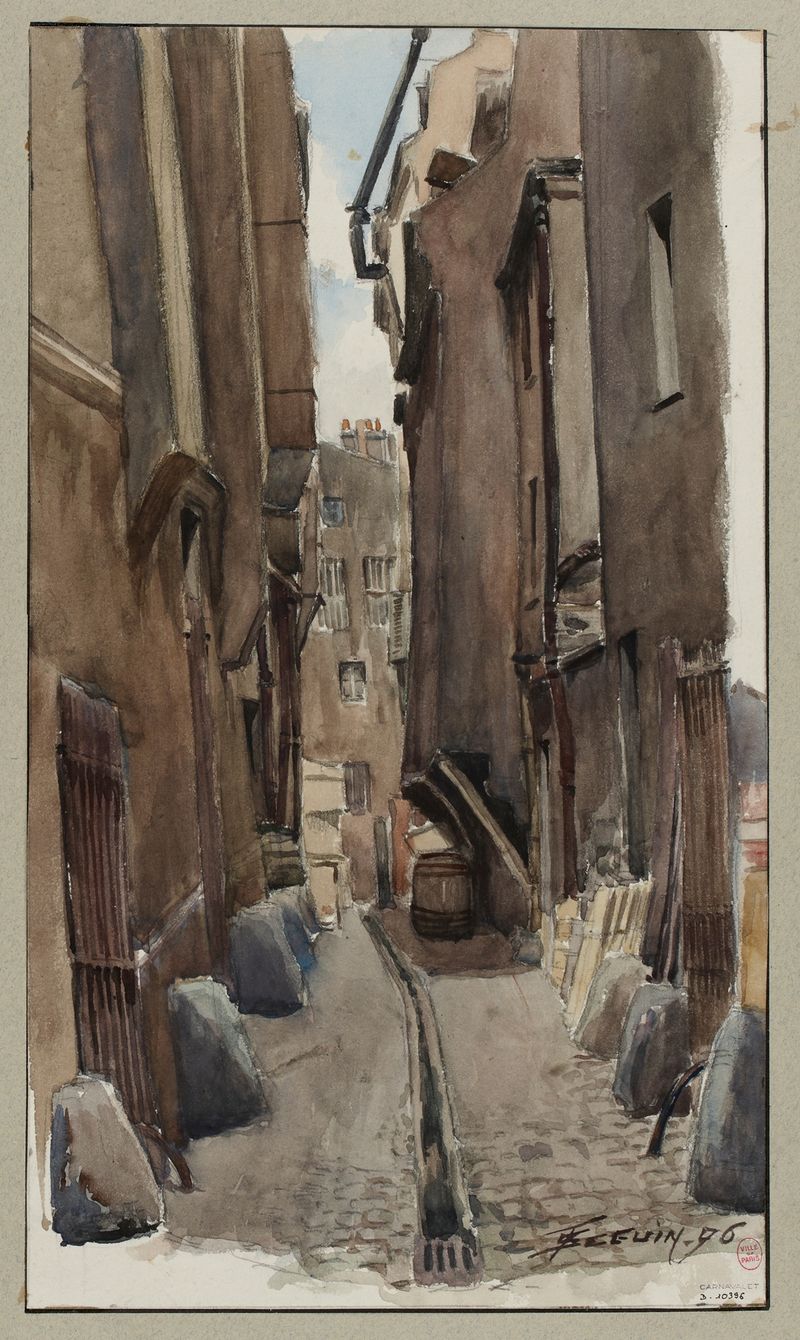
Le Cul de sac du Bœuf, (rue Saint Merri)
F. Séguin

Rue Descartes
F. Séguin
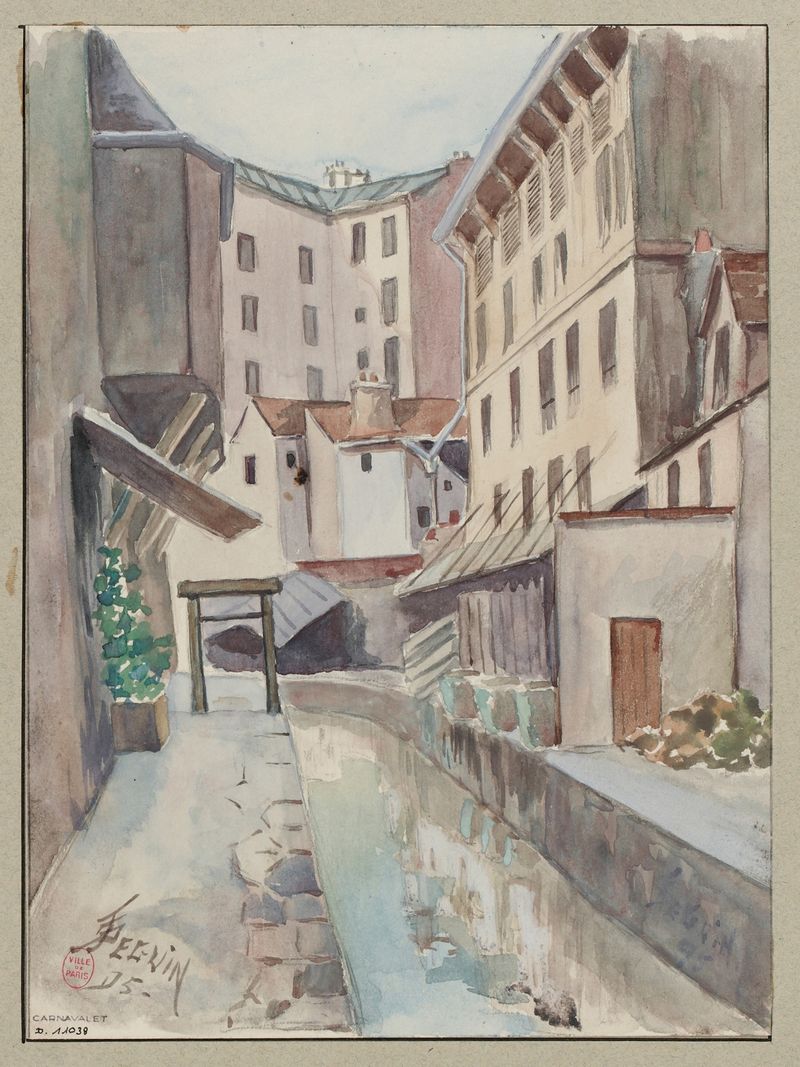
Le bord de la Bièvre à l’avenue des Gobelins
F. Séguin

Villa des Otages mur où furent fusillés les 52 derniers otages de la Commune, rue Haxo
F. Séguin
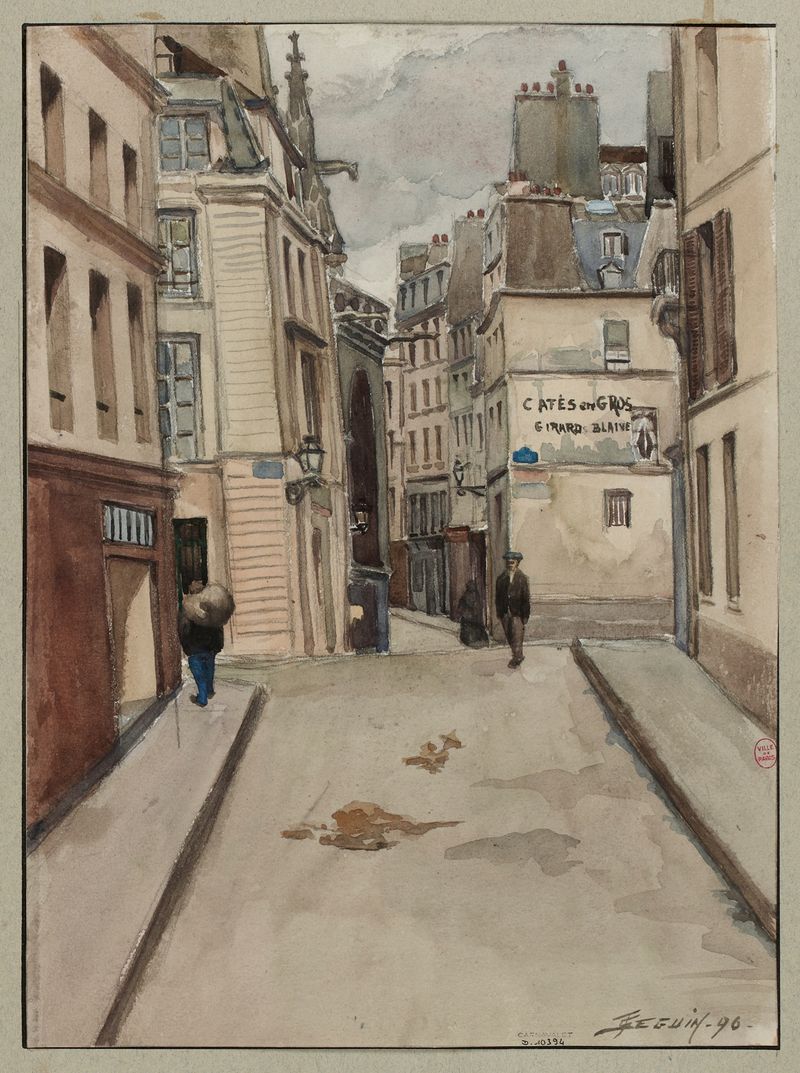
Rue du Cloître Saint Mérry, de la rue du Renard à la rue Saint Martin
F. Séguin
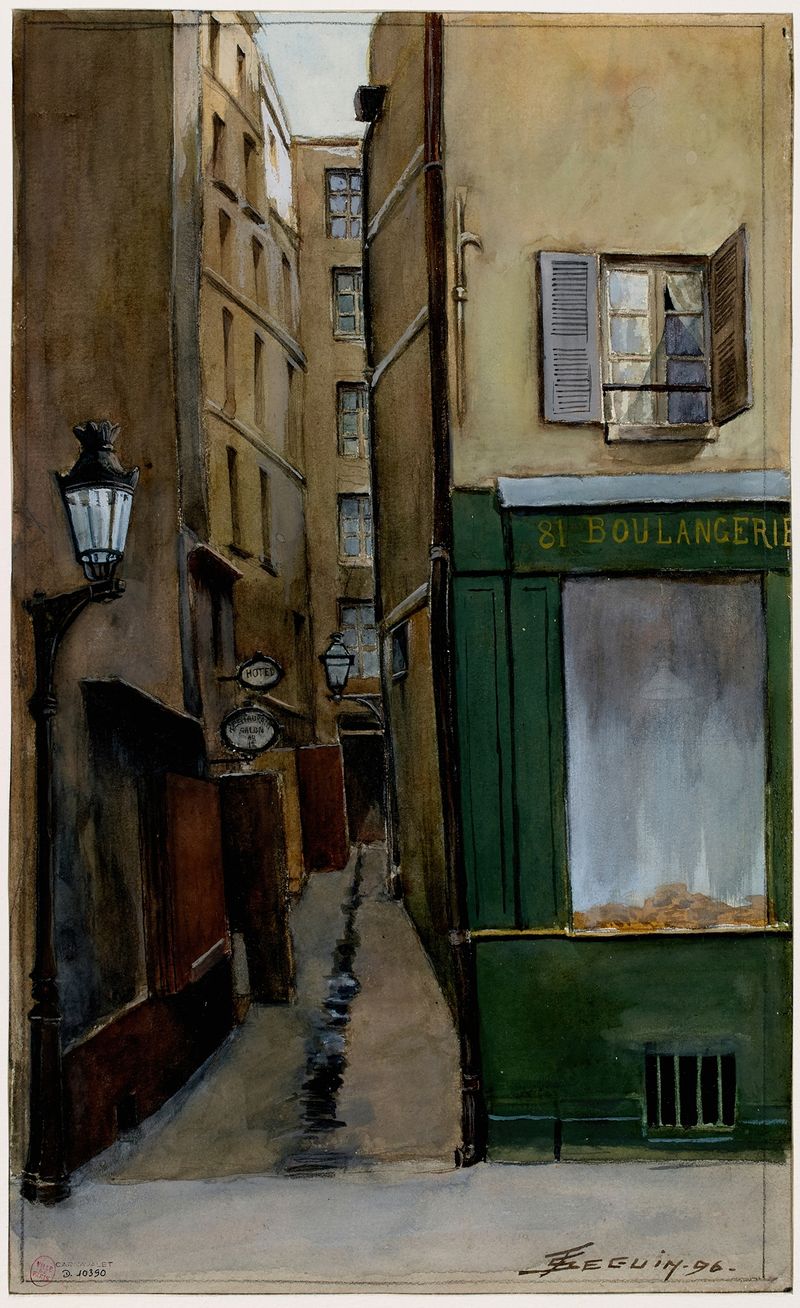
Cul de sac du Fiacre, 81 rue Saint Martin
F. Séguin
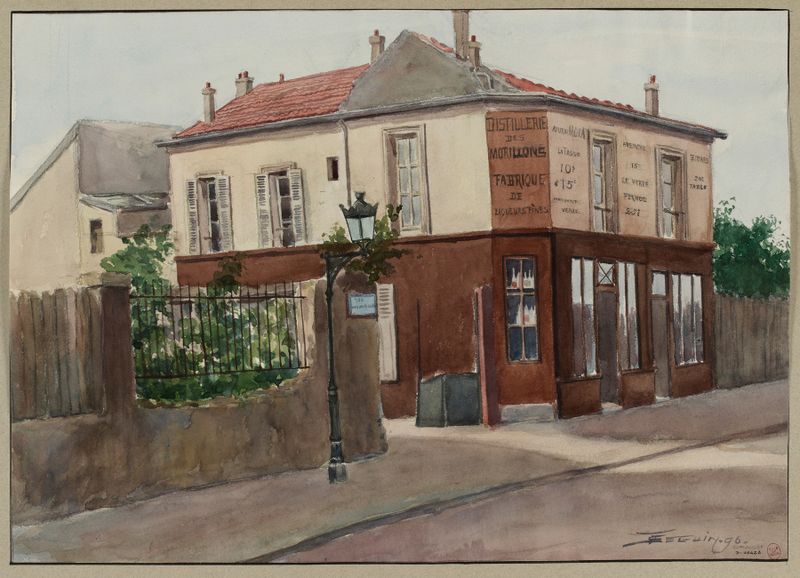
Angle de l’impasse Carlier et au 24 rue des Morillons, Vaugirard
F. Séguin
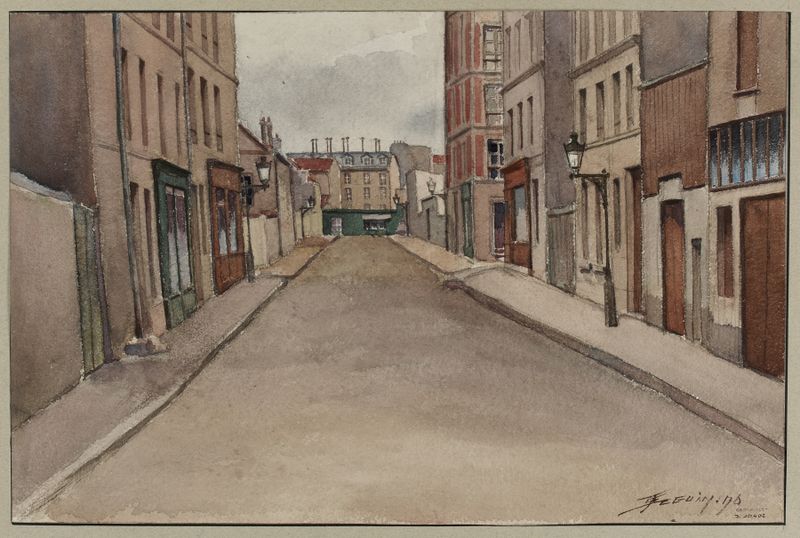
Rue Franquet
F. Séguin





