
Rue Saint Médard donnant sur la rue Mouffetard, en 1895 — History & Facts
When did color learn to lie? It whispers of joy while cloaked in the somber hues of nostalgia, evoking a bittersweet yearning for moments long past. Look closely at the foreground of Rue Saint Médard donnant sur la rue Mouffetard, en 1895. The cobblestones, slick with rain, reflect the muted light of an overcast sky, each glistening surface hinting at stories untold. In the background, the architecture rises like silent sentinels, their weathered facades painted in earthy tones that convey a sense of both age and intimacy.
The brushwork is delicate yet deliberate, leading the viewer's gaze through the narrow streets, where shadows linger and silence reigns. The emotional tension of this scene lies in its contrast between the lively brushstrokes and the melancholic atmosphere. While the colors invite you to explore, there’s an undeniable weight in the air, a sense of abandonment that permeates the composition. The lone figure walking away from the viewer further accentuates this feeling, suggesting a journey or departure, leaving behind the vibrancy of life for solitude.
Each detail—from the fading signs on the walls to the misty air—serves to deepen this sense of longing. In 1895, F. Séguin was capturing the essence of Paris in a period marked by both artistic innovation and social change. This work was created during a time when Impressionism had firmly established itself, influencing countless artists.
Séguin, however, sought to blend the spontaneity of this movement with a more structured approach, echoing the complexities of urban life while grappling with his own reflections on memory and loss.
More Artworks by F. Séguin
Browse all →
Rue Brantôme. (anciennement rue des Petits Champs donnant rue Saint Martin et rue Beaubourg)
F. Séguin
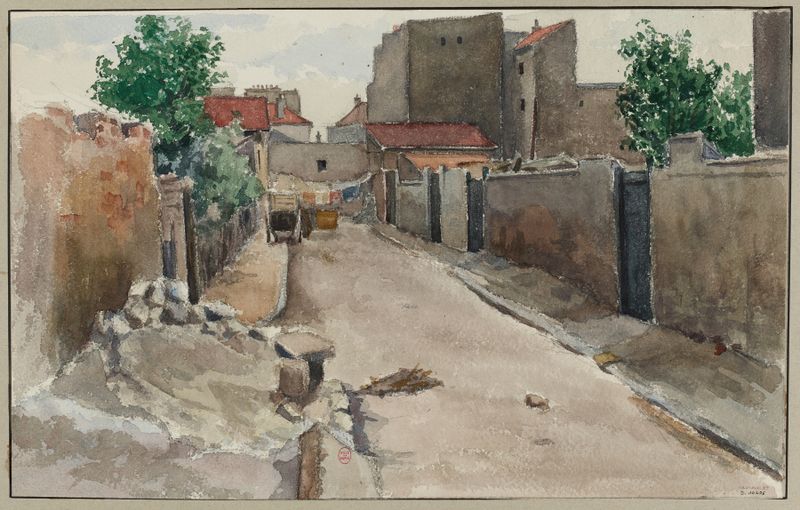
La rue de Chambéry, prise de la rue de Nice la Frontière
F. Séguin
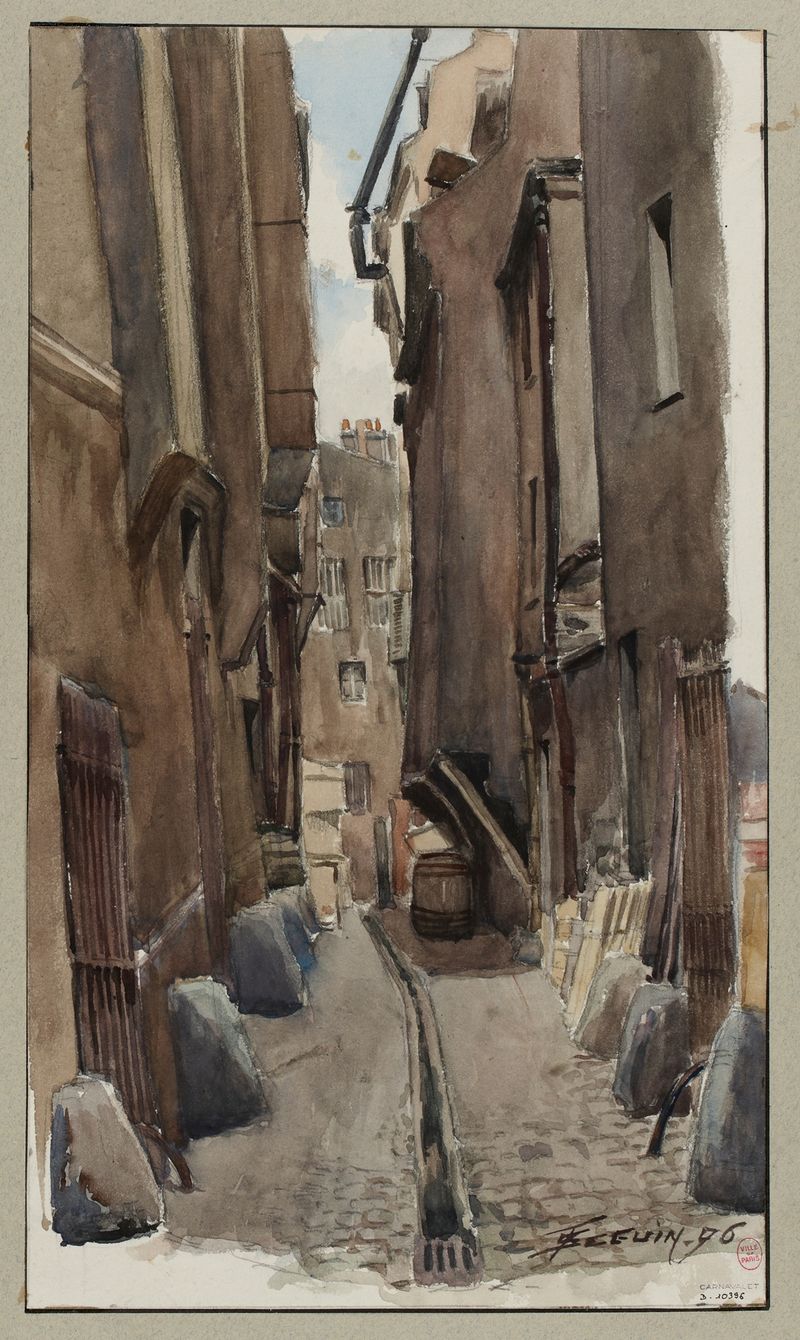
Le Cul de sac du Bœuf, (rue Saint Merri)
F. Séguin

Rue Descartes
F. Séguin
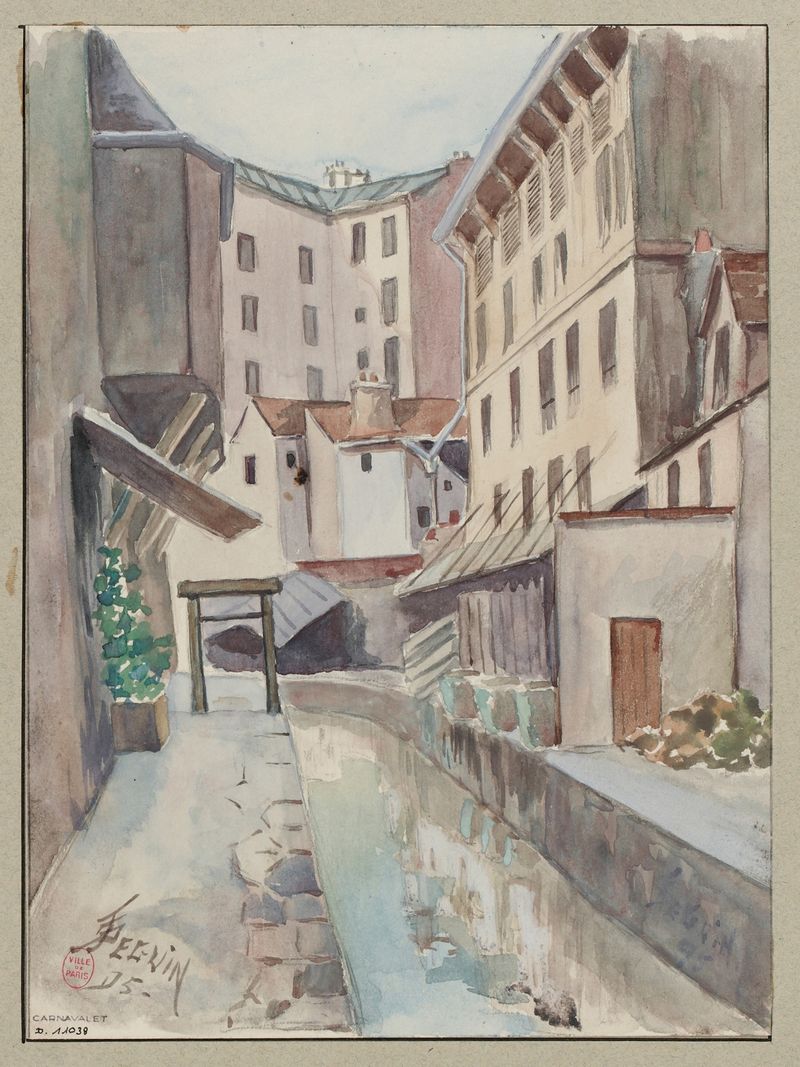
Le bord de la Bièvre à l’avenue des Gobelins
F. Séguin

Villa des Otages mur où furent fusillés les 52 derniers otages de la Commune, rue Haxo
F. Séguin
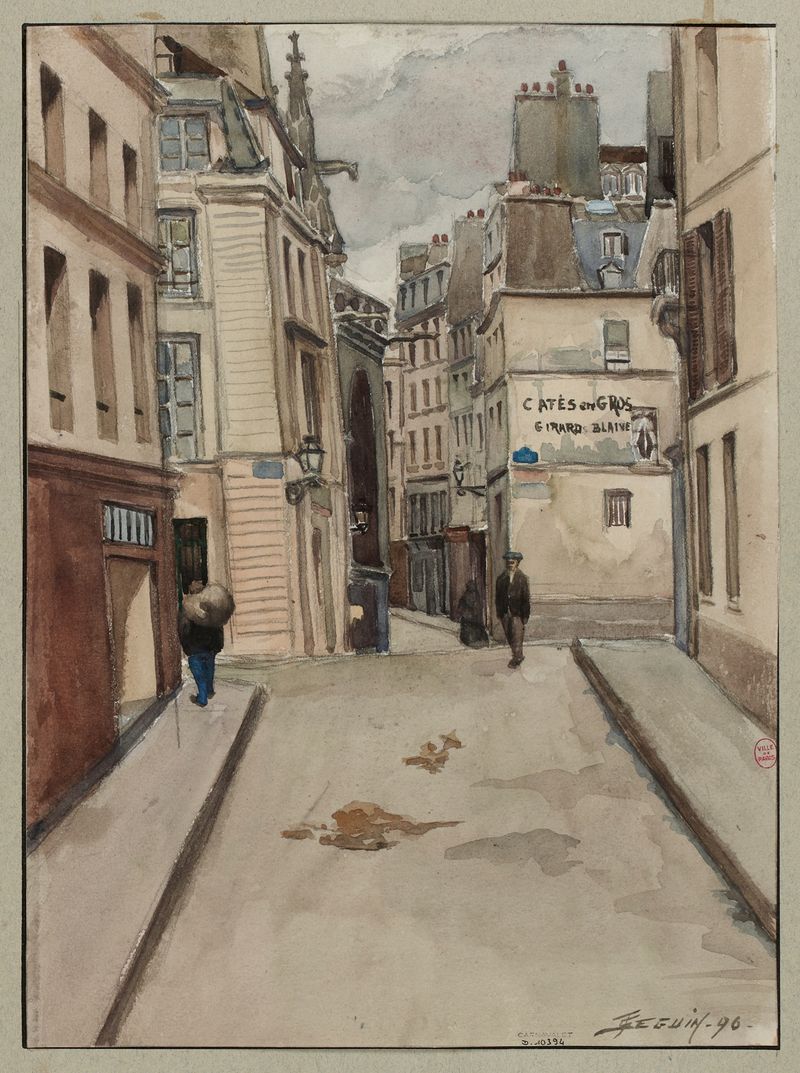
Rue du Cloître Saint Mérry, de la rue du Renard à la rue Saint Martin
F. Séguin
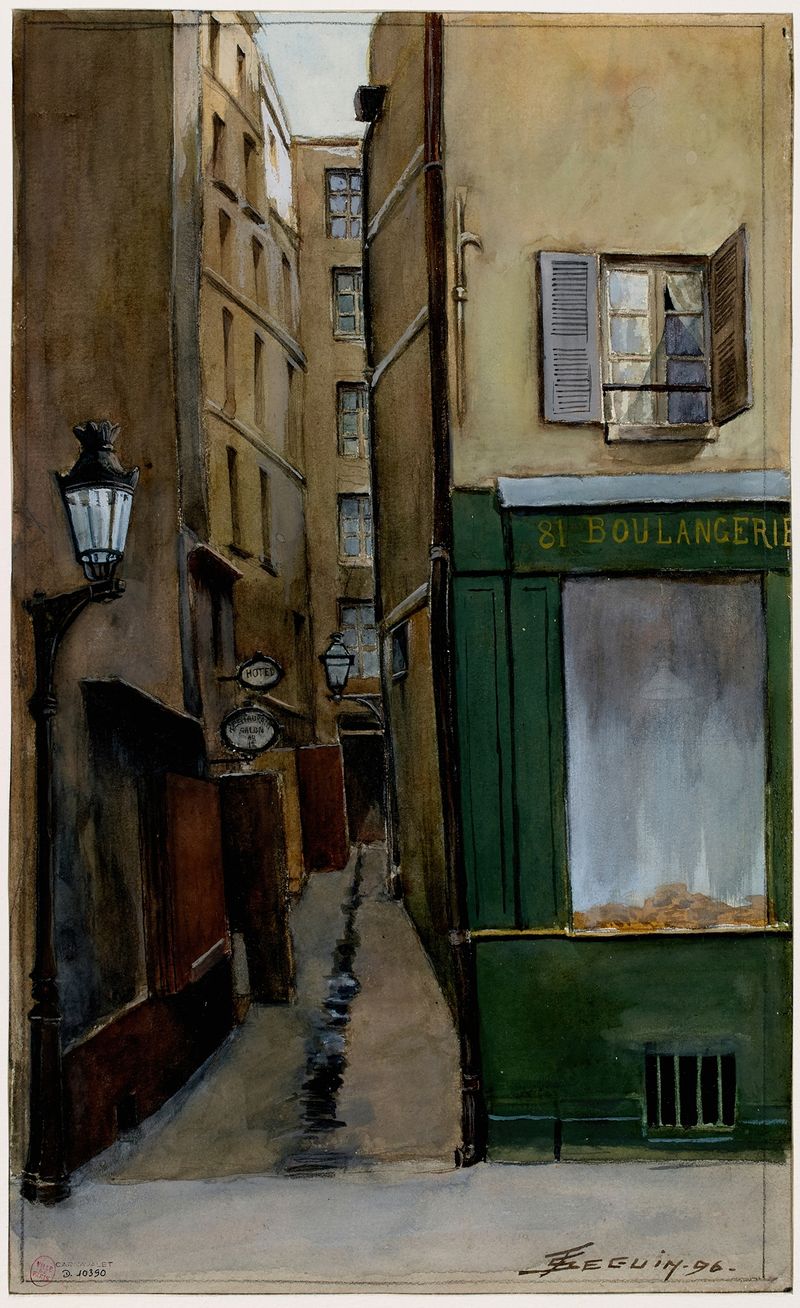
Cul de sac du Fiacre, 81 rue Saint Martin
F. Séguin
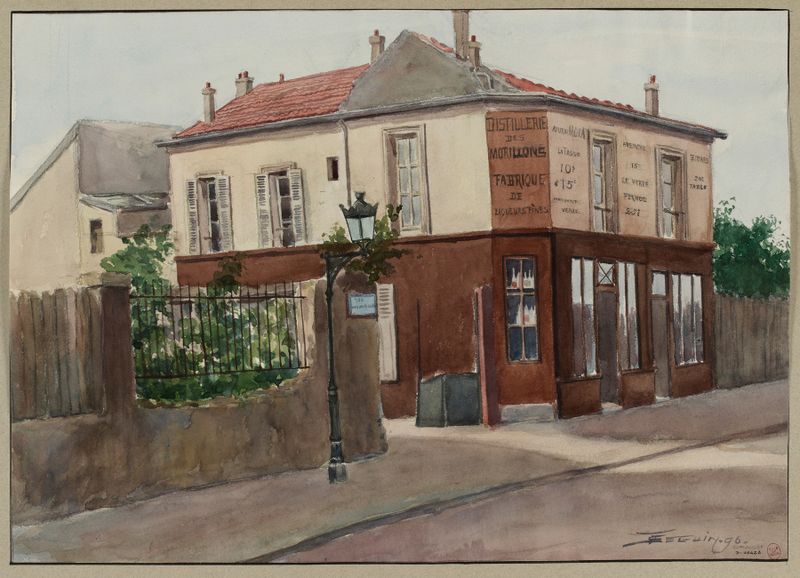
Angle de l’impasse Carlier et au 24 rue des Morillons, Vaugirard
F. Séguin
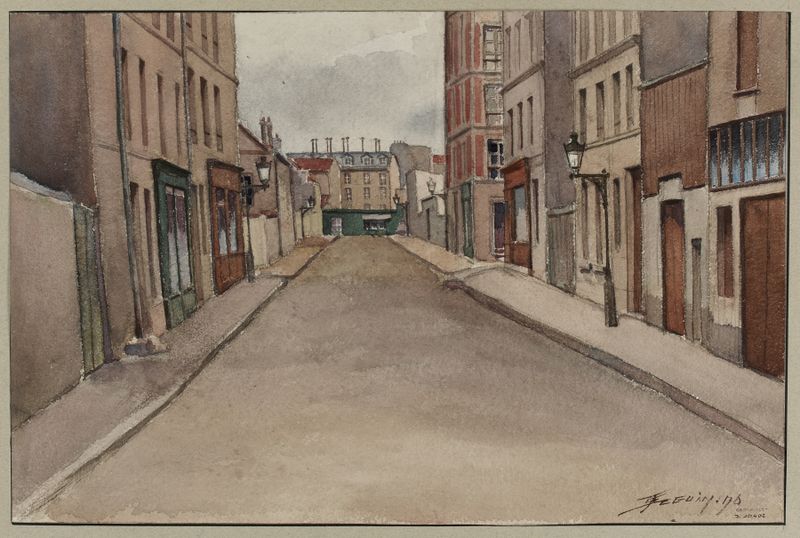
Rue Franquet
F. Séguin





