
Ruelle des Volontaires — History & Facts
In the quietude of a Parisian street, desire lingers like the scent of fresh bread—a whispering promise of what could be. Look to the left at the warm, golden hues of sunlight cascading over the cobblestones, illuminating the faces of the inhabitants. The gentle play of light and shadow creates a tapestry of emotion, drawing the eye to the figures huddled in conversation. Notice how the soft brushstrokes evoke a sense of intimacy in the scene—the closeness of the people reflects their shared secrets, while the slight distance between them hints at unspoken desires. As you delve deeper, recognize the contrast between the vibrant life of the street and the stillness of the surrounding architecture.
Each window frames a story, each doorway an invitation, yet there remains an air of hesitation among the figures. The warm palette signifies hope, while the muted tones of the buildings signify barriers—both emotional and societal—that prevent the fulfillment of longing. In 1896, F. Séguin painted this work during a period of artistic experimentation in Paris, where Impressionism was at its zenith.
Living in a city bustling with artistic fervor, he captured a moment that reflects both the vibrancy of life and the complexities of human connection. This painting emerges from a time when artists sought to convey not only the beauty of their surroundings but also the deep emotional undercurrents that reside within everyday moments.
More Artworks by F. Séguin
Browse all →
Rue Brantôme. (anciennement rue des Petits Champs donnant rue Saint Martin et rue Beaubourg)
F. Séguin
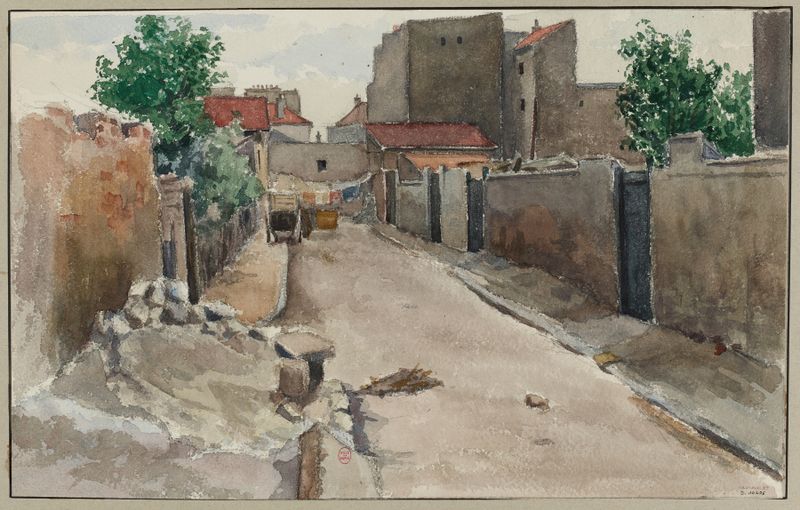
La rue de Chambéry, prise de la rue de Nice la Frontière
F. Séguin
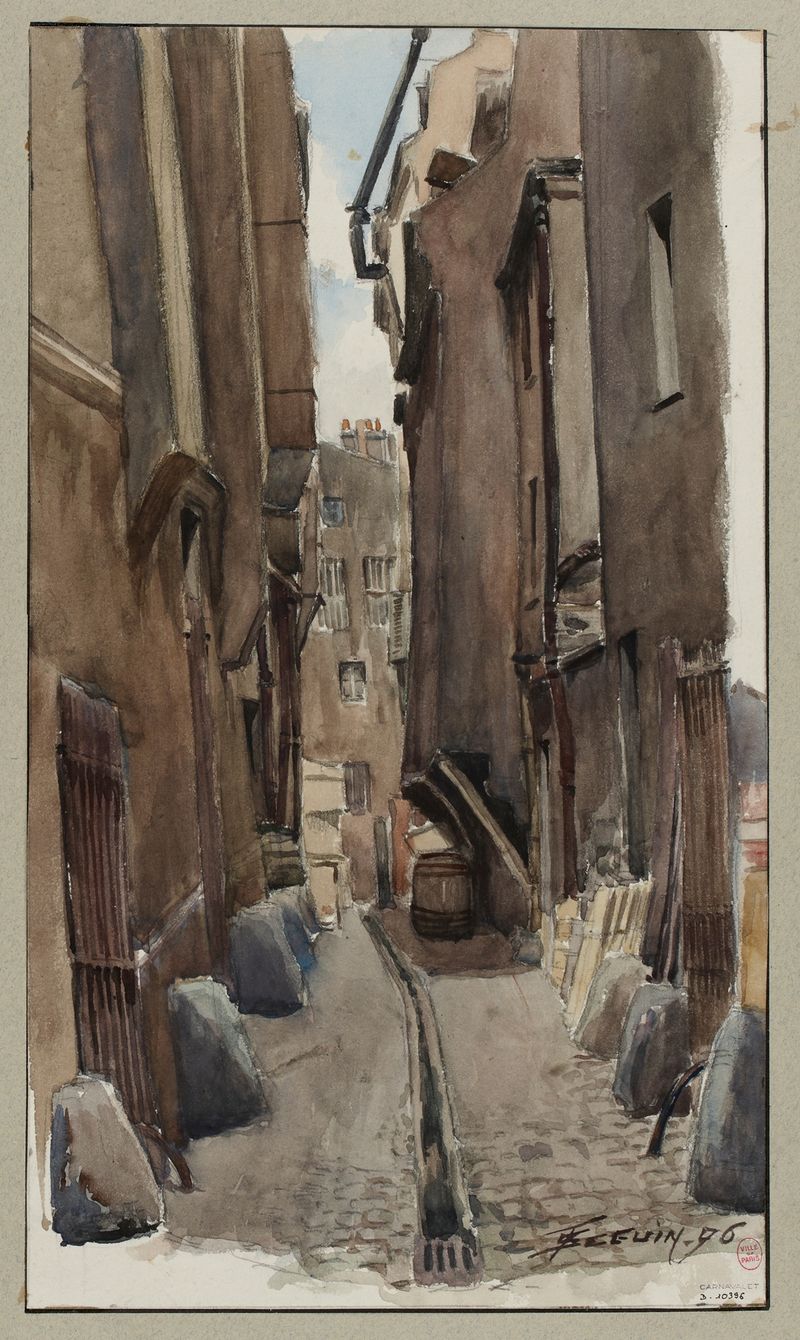
Le Cul de sac du Bœuf, (rue Saint Merri)
F. Séguin

Rue Descartes
F. Séguin
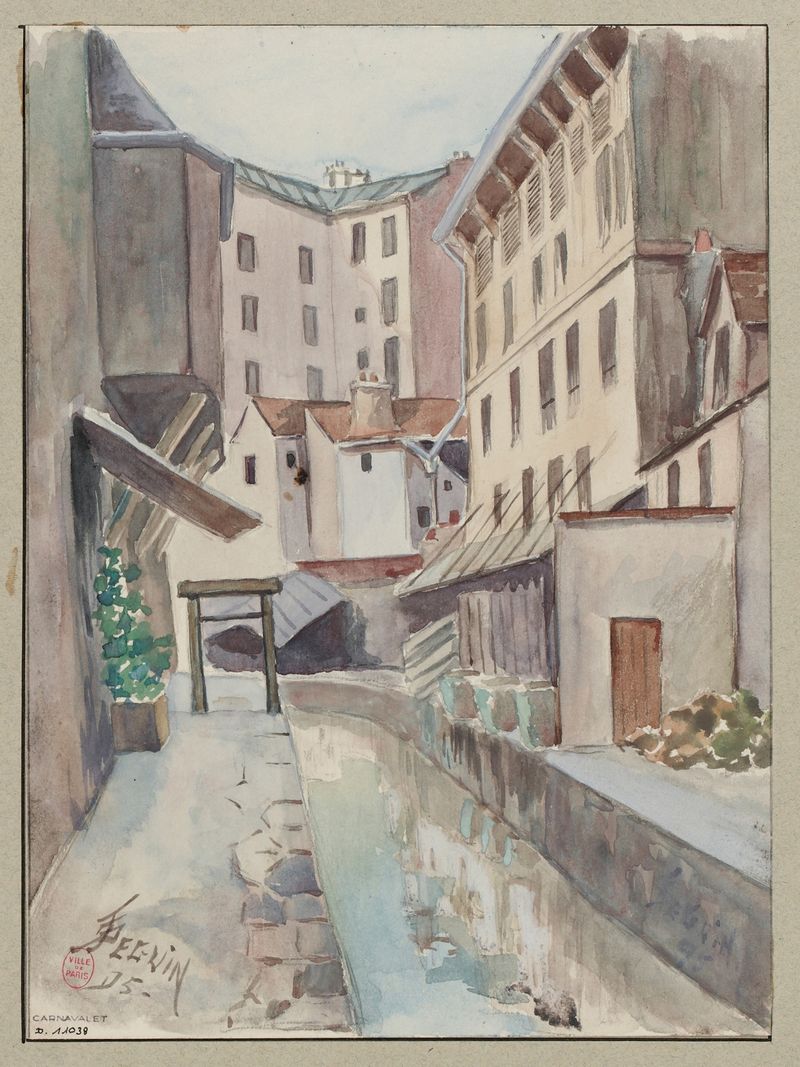
Le bord de la Bièvre à l’avenue des Gobelins
F. Séguin

Villa des Otages mur où furent fusillés les 52 derniers otages de la Commune, rue Haxo
F. Séguin
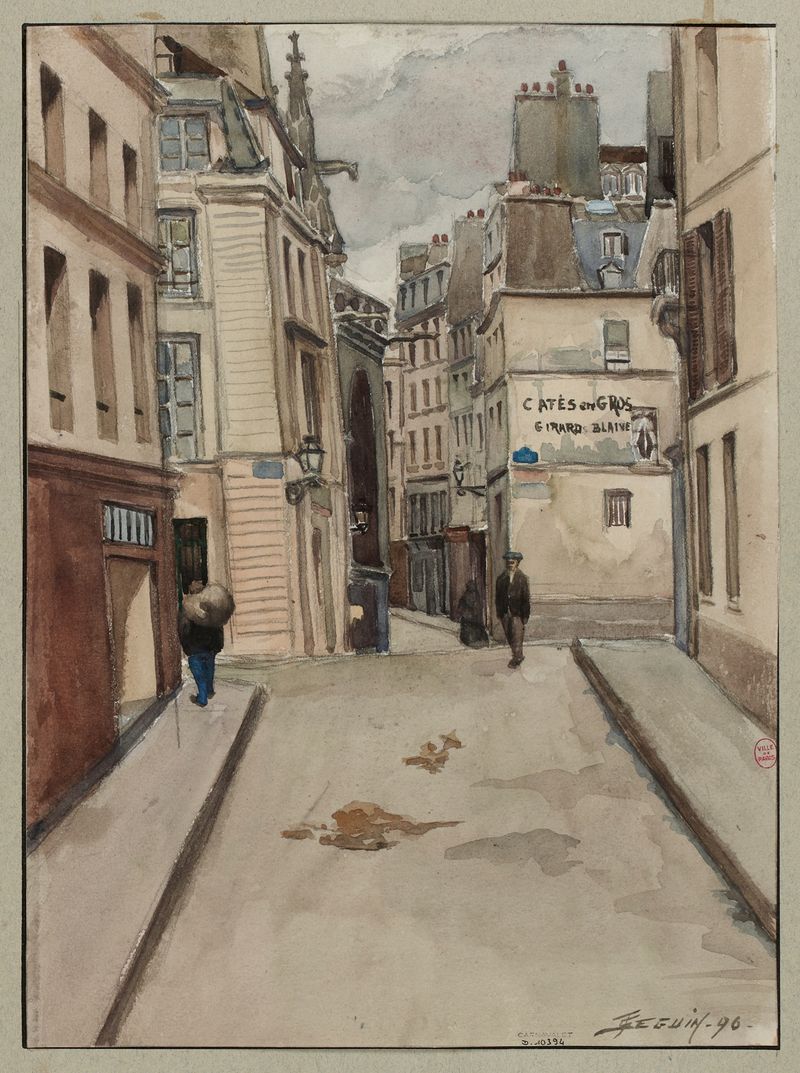
Rue du Cloître Saint Mérry, de la rue du Renard à la rue Saint Martin
F. Séguin
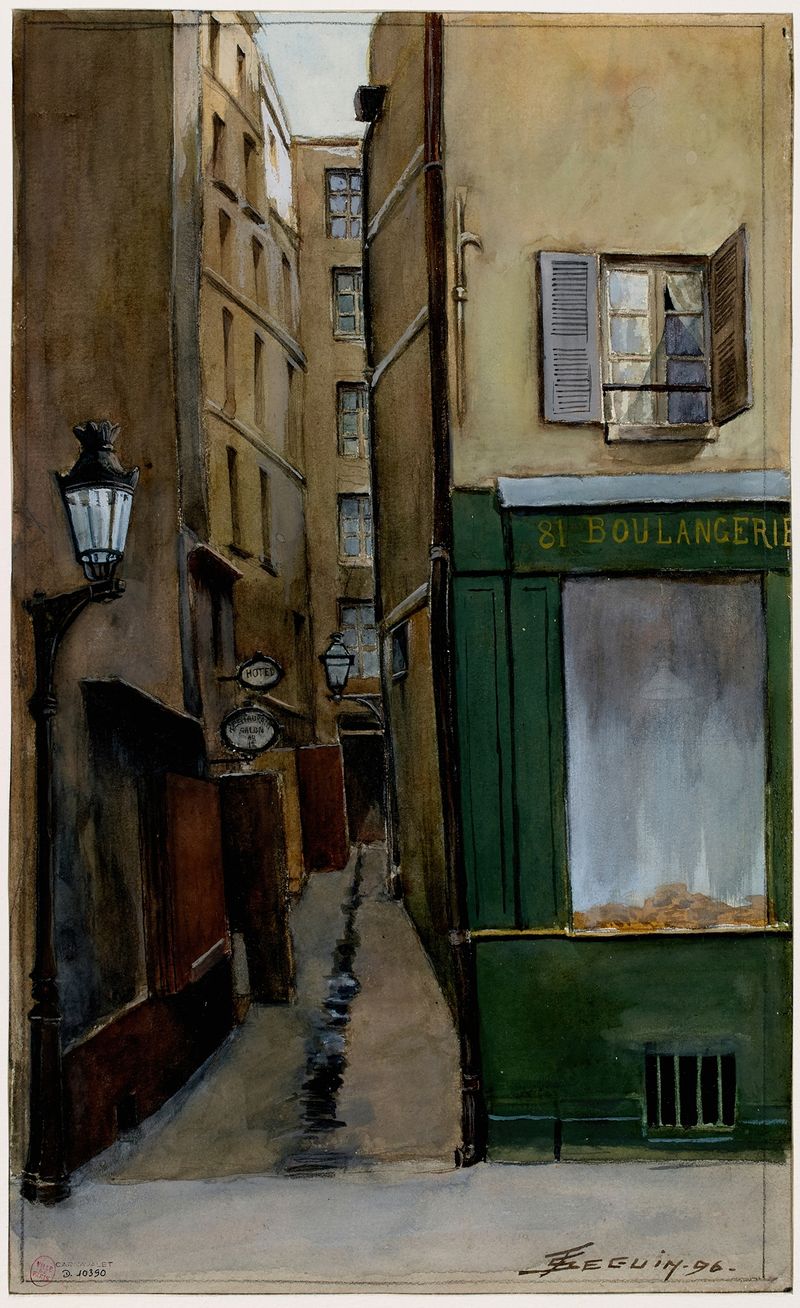
Cul de sac du Fiacre, 81 rue Saint Martin
F. Séguin
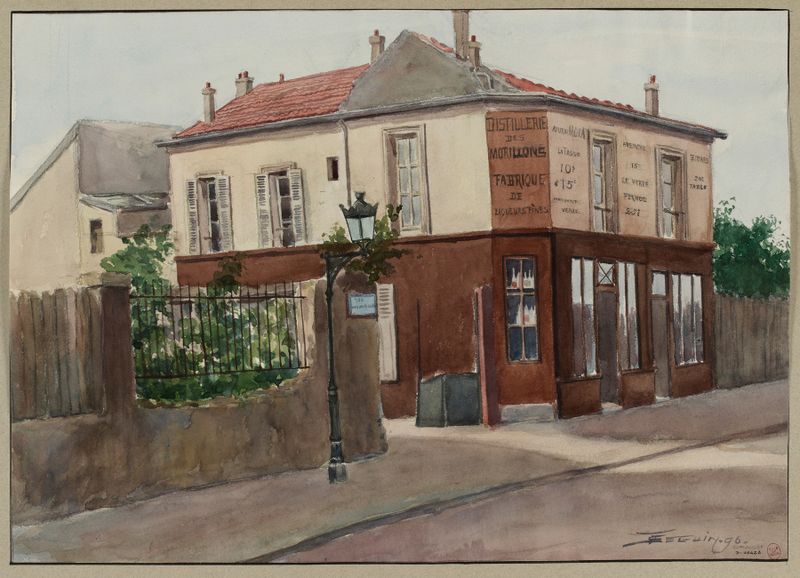
Angle de l’impasse Carlier et au 24 rue des Morillons, Vaugirard
F. Séguin
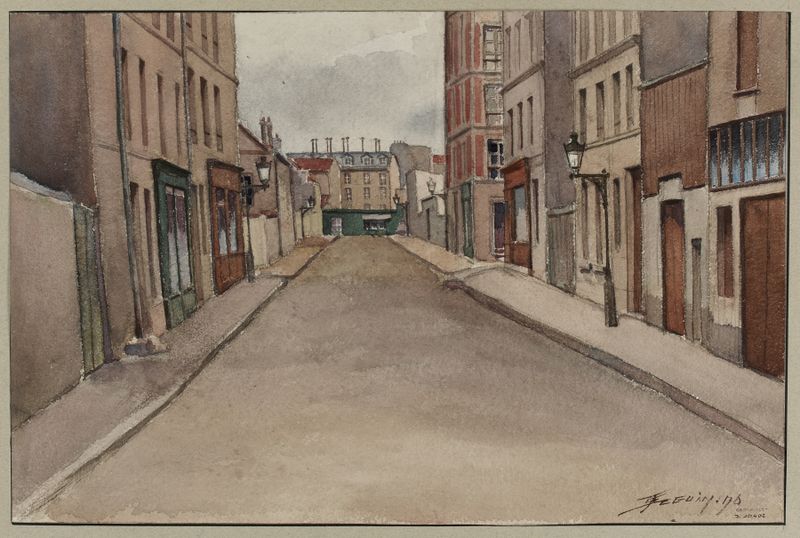
Rue Franquet
F. Séguin





