
Ruin at Basingstoke — History & Facts
In the quiet remains of a forgotten past, desire lingers in the ruins, whispering secrets of what once was. The viewer is drawn not just to the decay, but to the yearning for restoration and understanding embedded within the fragments of time. Look to the center of the canvas, where shadows dance upon crumbling stone and the soft glow of natural light caresses the edges of the dilapidated structure. The intricate brushwork captures the texture of the weathered surfaces, while a muted palette evokes both somber reflection and a nostalgic charm.
Notice how the play of light creates a chiaroscuro effect, delineating the fragile beauty of nature reclaiming its territory amidst the remnants of human ambition. Within this work, contrasts of life and death, past and present create a profound emotional tension. The encroaching greenery symbolizes nature's relentless march forward, while the ruins stand testament to vanished desires and dreams unfulfilled. Each broken pillar and fallen stone speaks to the aspiration of those who built it, inviting contemplation on the transitory nature of existence and the enduring pull of longing. In 1805, the artist was navigating the complexities of the Romantic movement in England, seeking to blend natural beauty with human emotion.
At this time, he was deeply influenced by the sublime and the picturesque, exploring themes of ruin and decay as they relate to the human experience. The work reflects not only his personal artistic journey but also the broader cultural conversations about nature, memory, and the impermanence of human endeavors.
More Artworks by Philip James de Loutherbourg
Browse all →
Iron Works, Colebrook Dale
Philip James de Loutherbourg
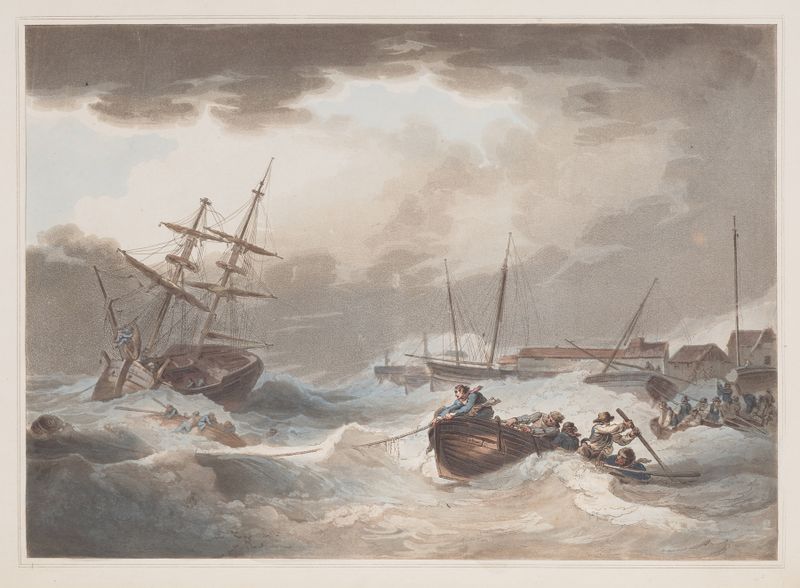
Storm off Margate
Philip James de Loutherbourg
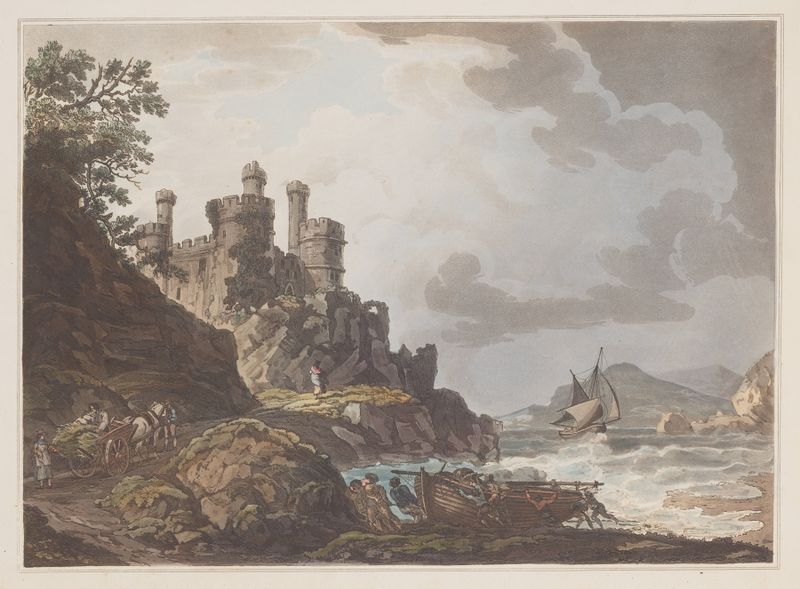
Conway Castle
Philip James de Loutherbourg
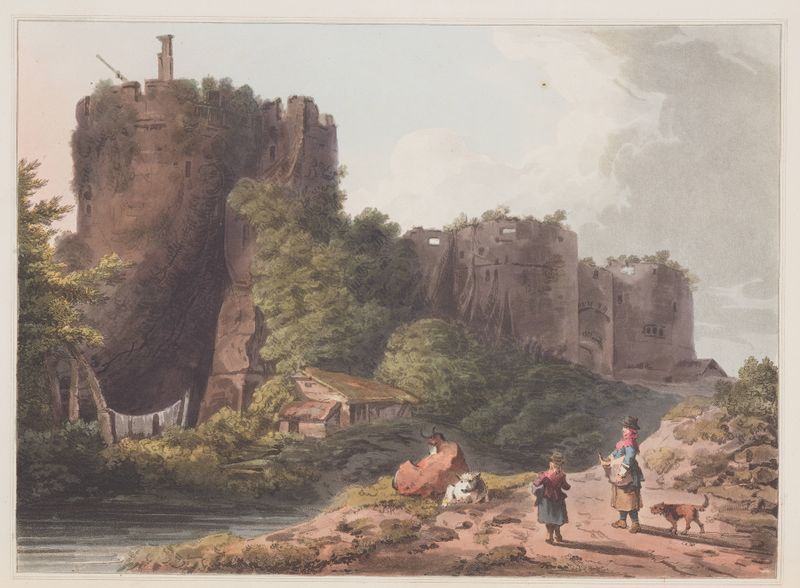
Chepstow Castle in Monmouthshire
Philip James de Loutherbourg
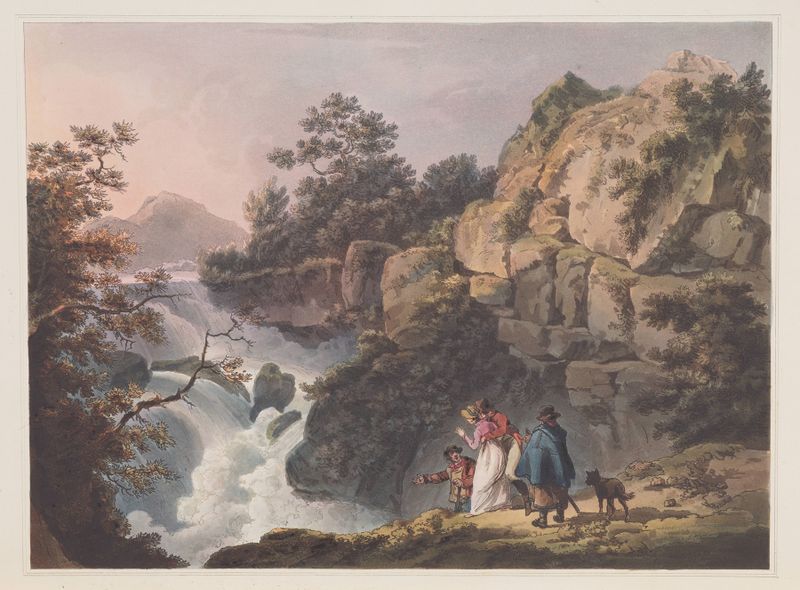
Cataract on the Llugwy
Philip James de Loutherbourg

Tintern Abbey
Philip James de Loutherbourg
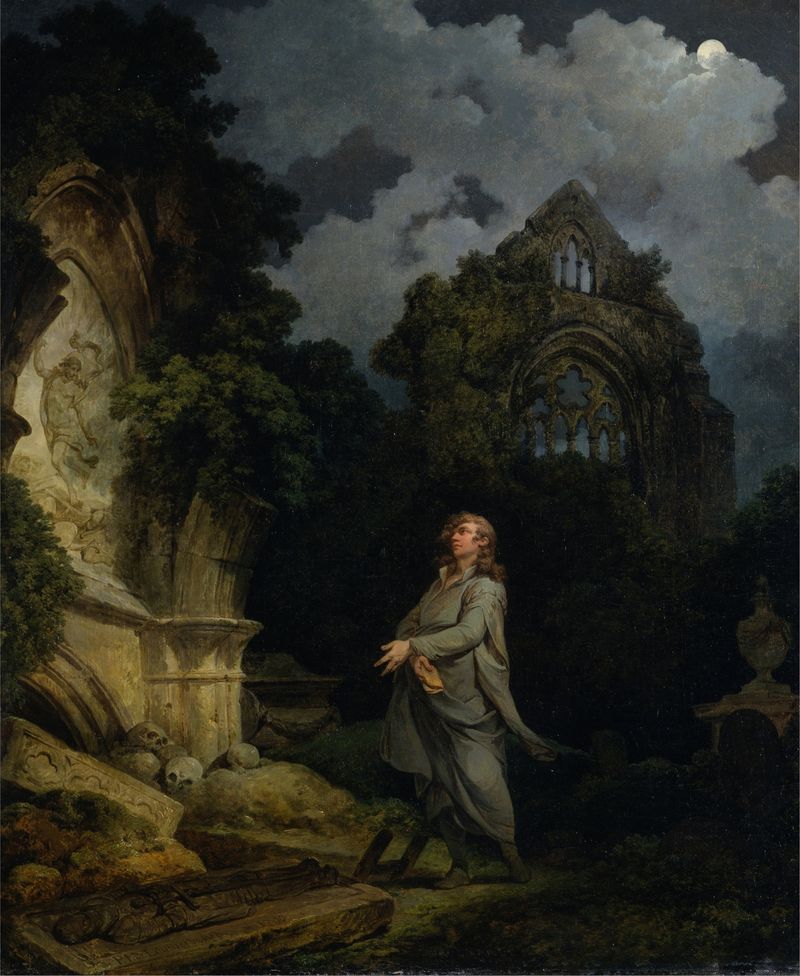
Visitor to a Moonlit Churchyard
Philip James de Loutherbourg

A Storm at the Entrance of a Mediterranean Port
Philip James de Loutherbourg
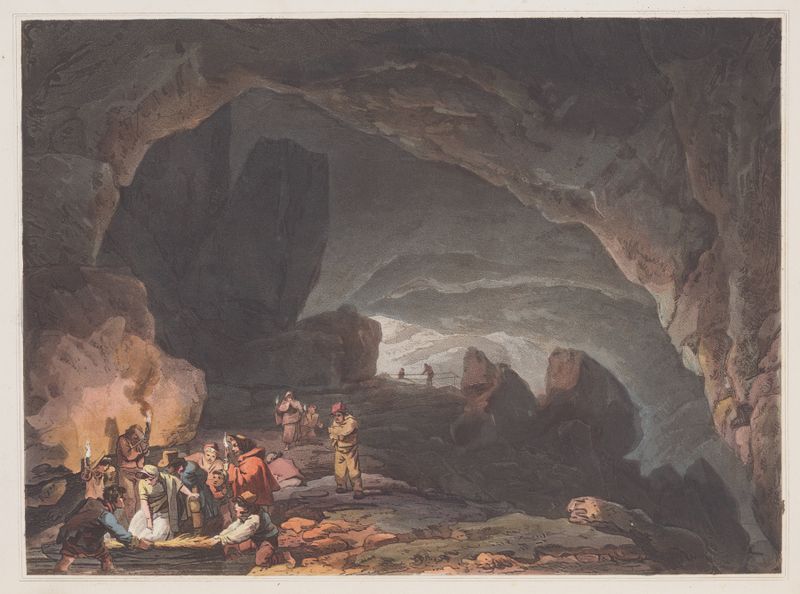
Peak’s Hole, Derbyshire
Philip James de Loutherbourg
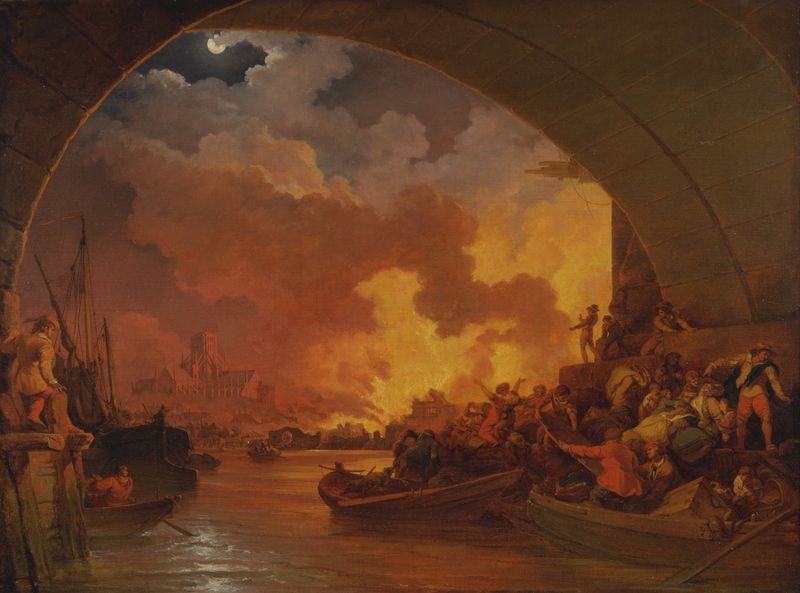
The Great Fire of London
Philip James de Loutherbourg





