Discover insights about this artwork
Ruined Archway — History & Facts
In Ruined Archway, Francesco Guardi captures a dilapidated structure set against a soft, atmospheric background. The colors are muted, with earthy tones of browns and greens dominating the scene. The archway, crumbling and overgrown, suggests a sense of nostalgia and decay.
Light filters through the gaps, creating a play of shadows that enhances the painting's depth. The painting is executed in oil on canvas, showcasing Guardi's skill in rendering textures and light. The brushwork is loose yet deliberate, allowing for a sense of movement in the foliage surrounding the archway. Viewers can appreciate the intricate details of the stonework, which reveal Guardi's attention to architectural elements.
The dimensions are approximately 70 x 90 cm, making it a substantial piece. Francesco Guardi was a prominent Venetian painter known for his landscapes and architectural scenes. This work, created in the 1760s, reflects the Rococo style's fascination with ruins and nature. An interesting fact about Ruined Archway is that it exemplifies the romantic view of the past, where decay is seen as beautiful.
Guardi's ability to blend architecture with the natural environment is a hallmark of his artistic legacy.
More Artworks by Francesco Guardi
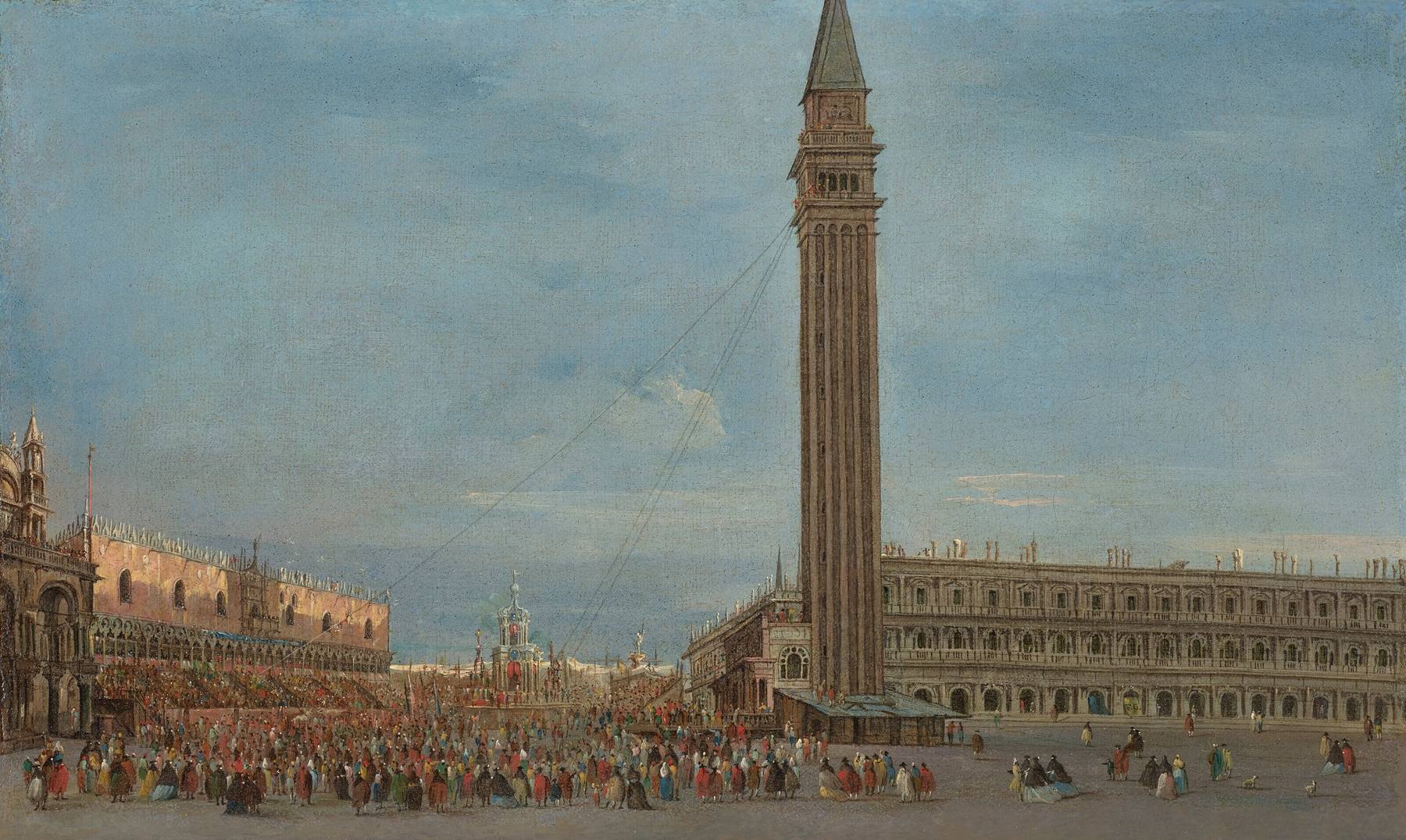
Venice, the Piazzetta San Marco with the Festival of Giovedì Grasso
Francesco Guardi
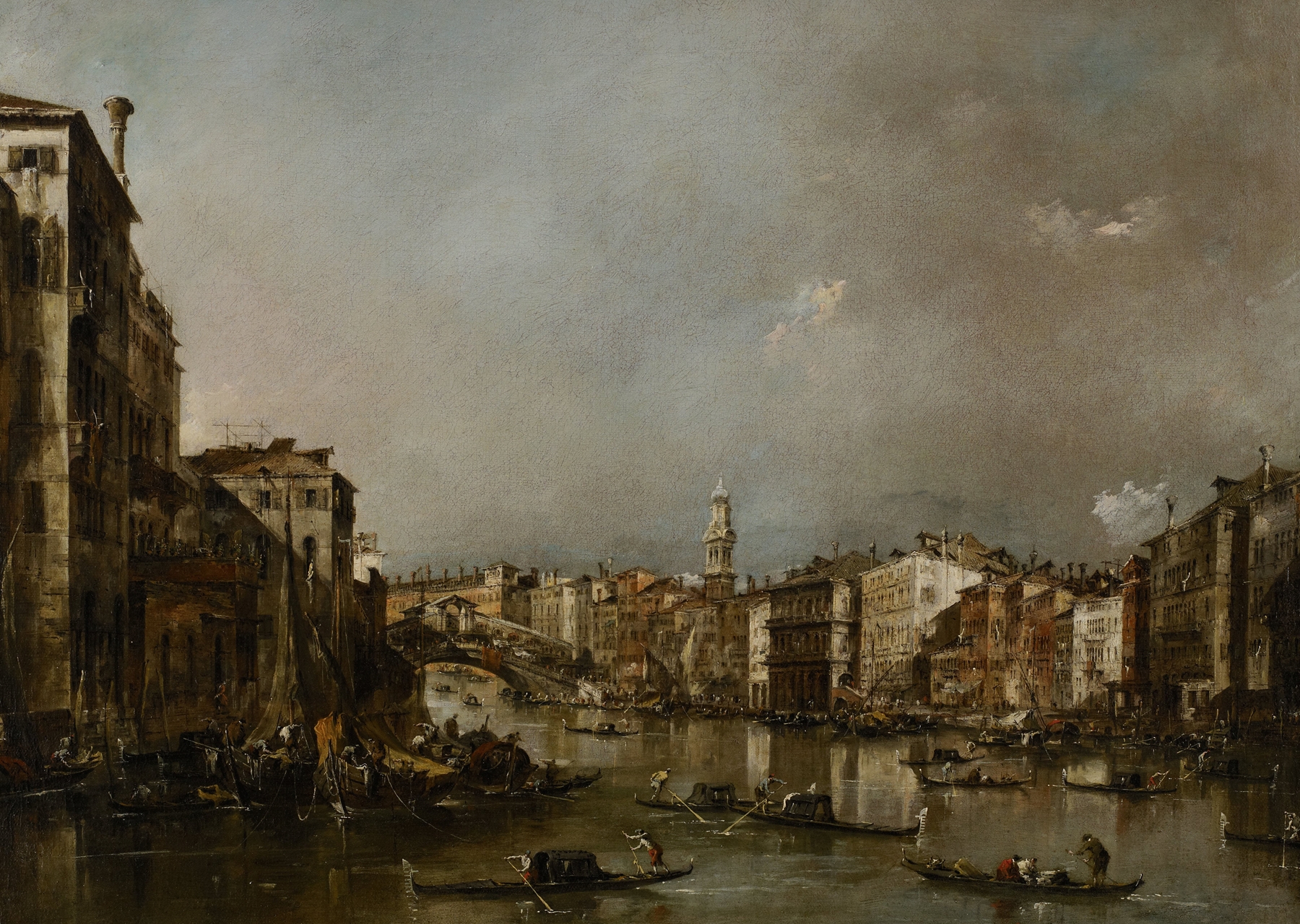
View up the Grand Canal toward the Rialto
Francesco Guardi
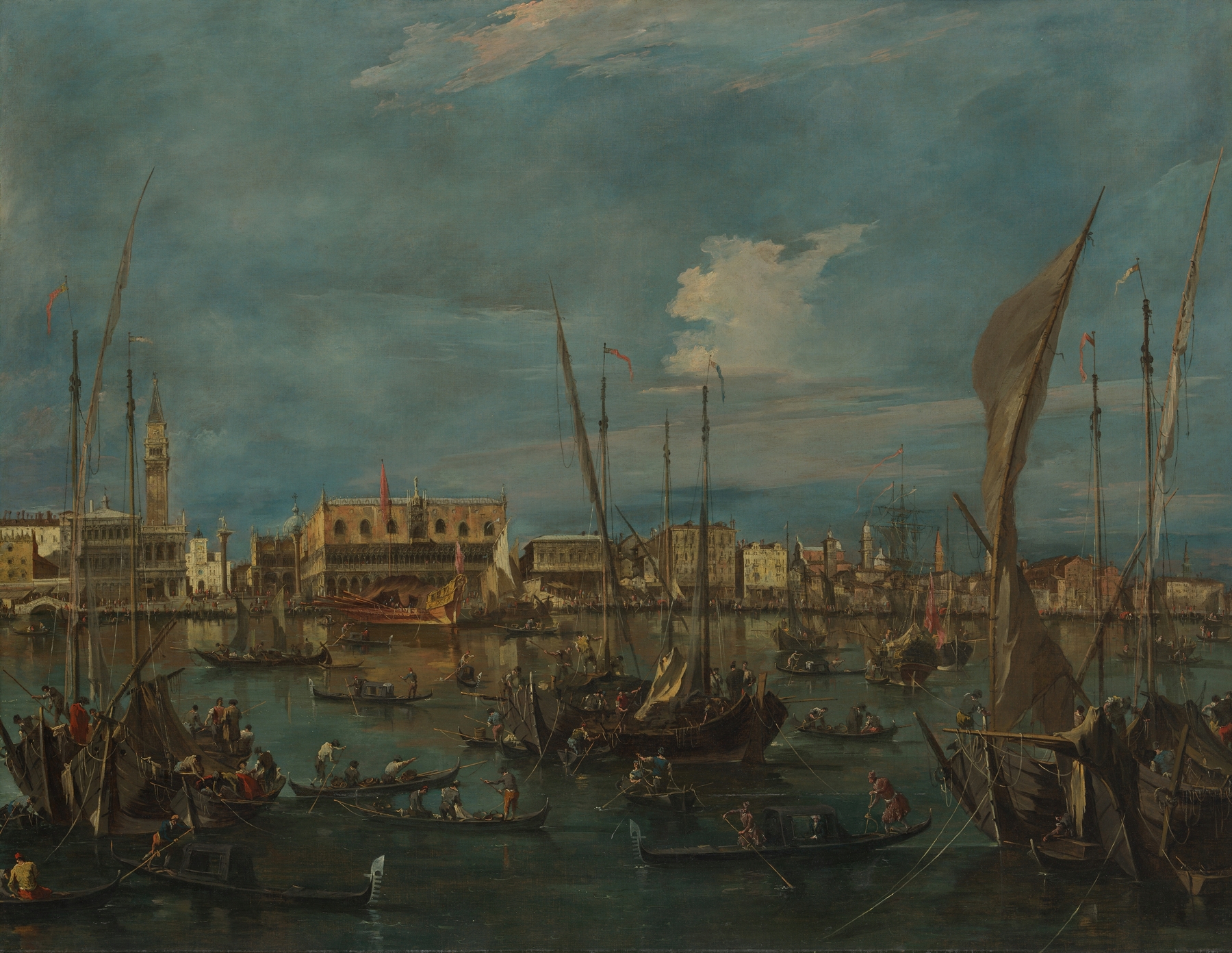
Venice from the Bacino di San Marco
Francesco Guardi
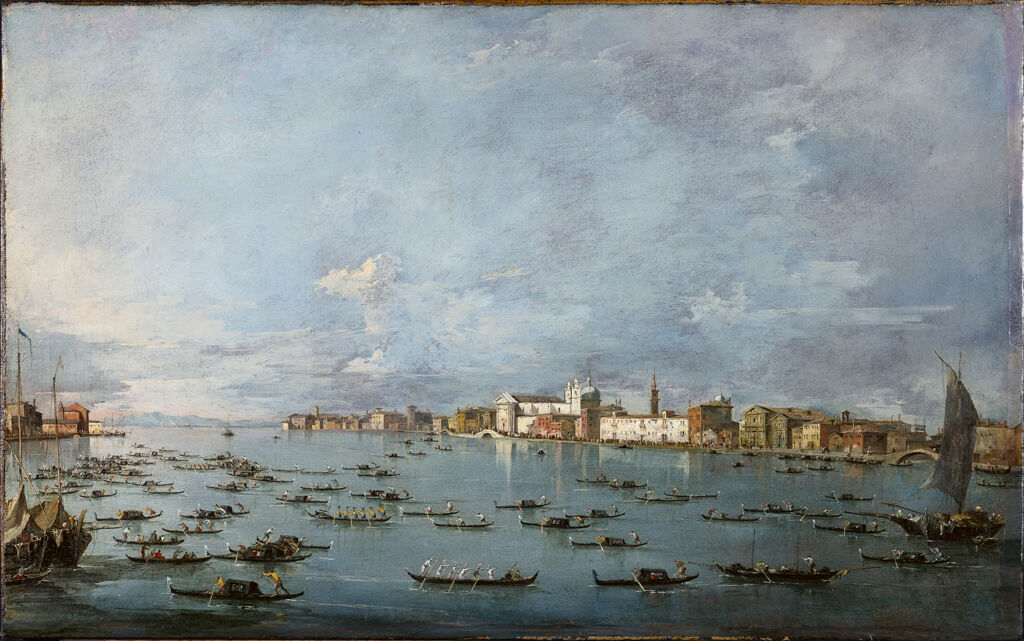
The Fondamenta della Zattere, Venice
Francesco Guardi
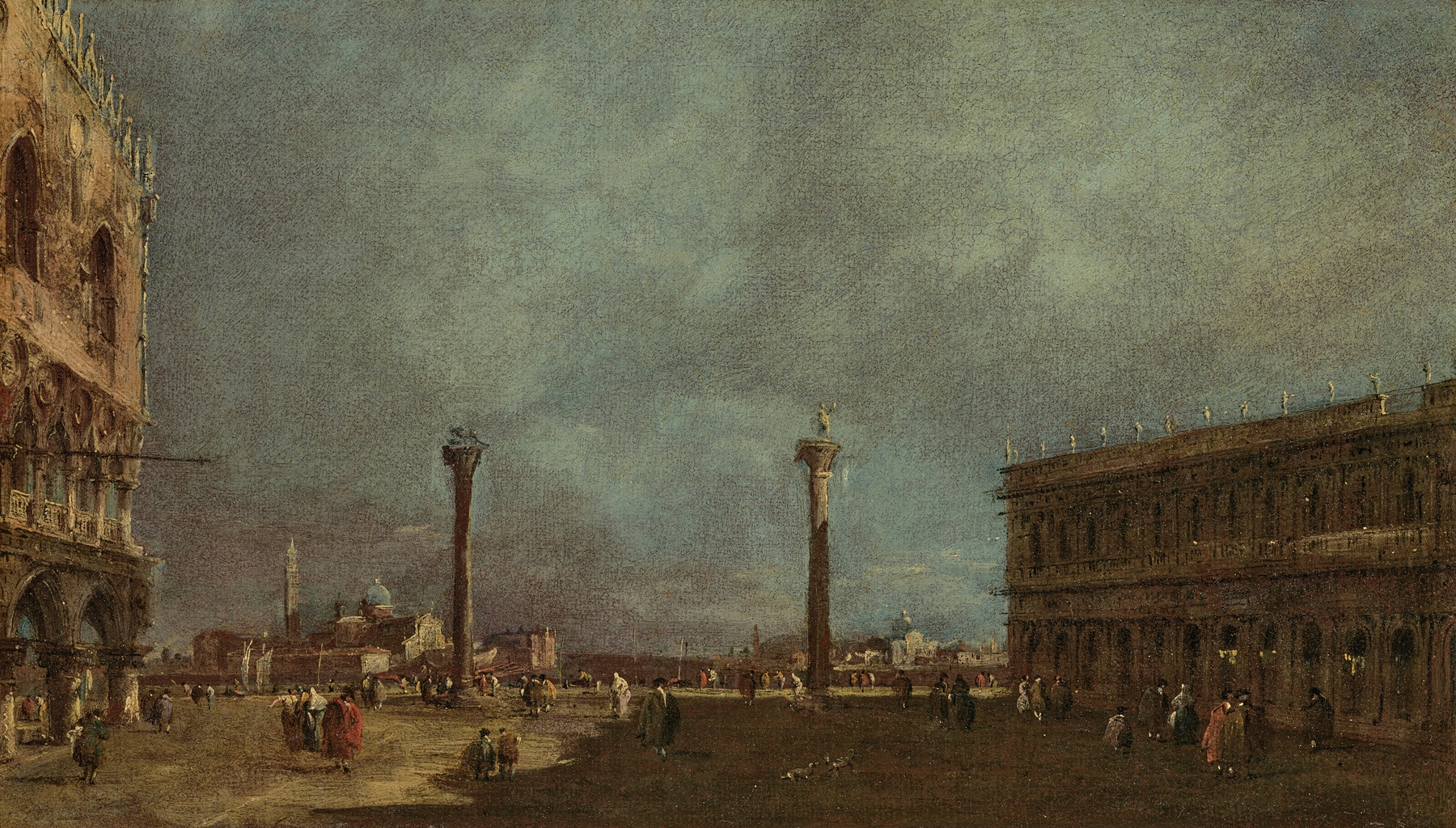
Venice, the Piazzetta looking south, with a view of the Doge’s Palace and the Biblioteca Marciana, the island of San Giorgio Maggiore beyond
Francesco Guardi
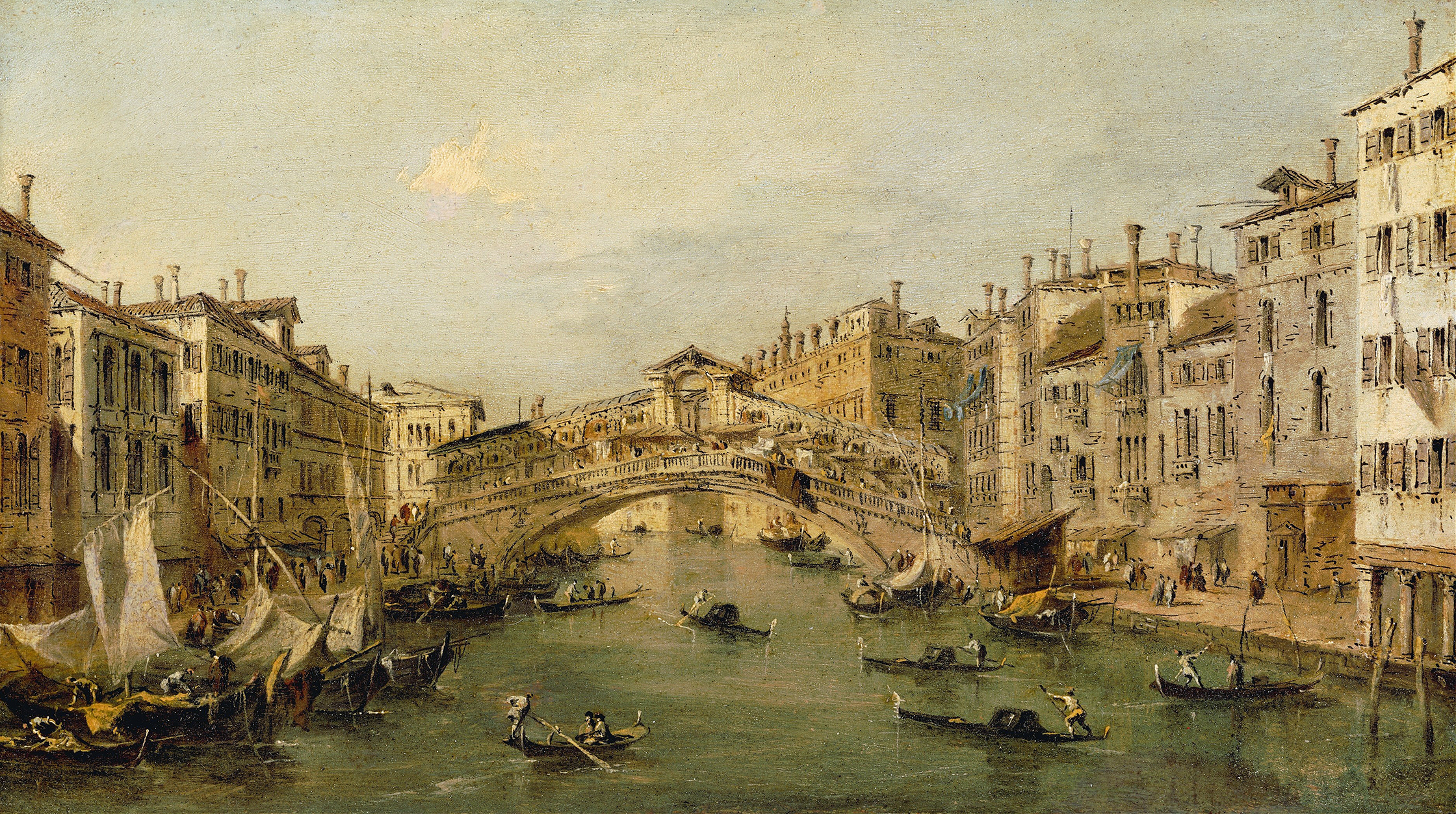
Venice, The Rialto
Francesco Guardi
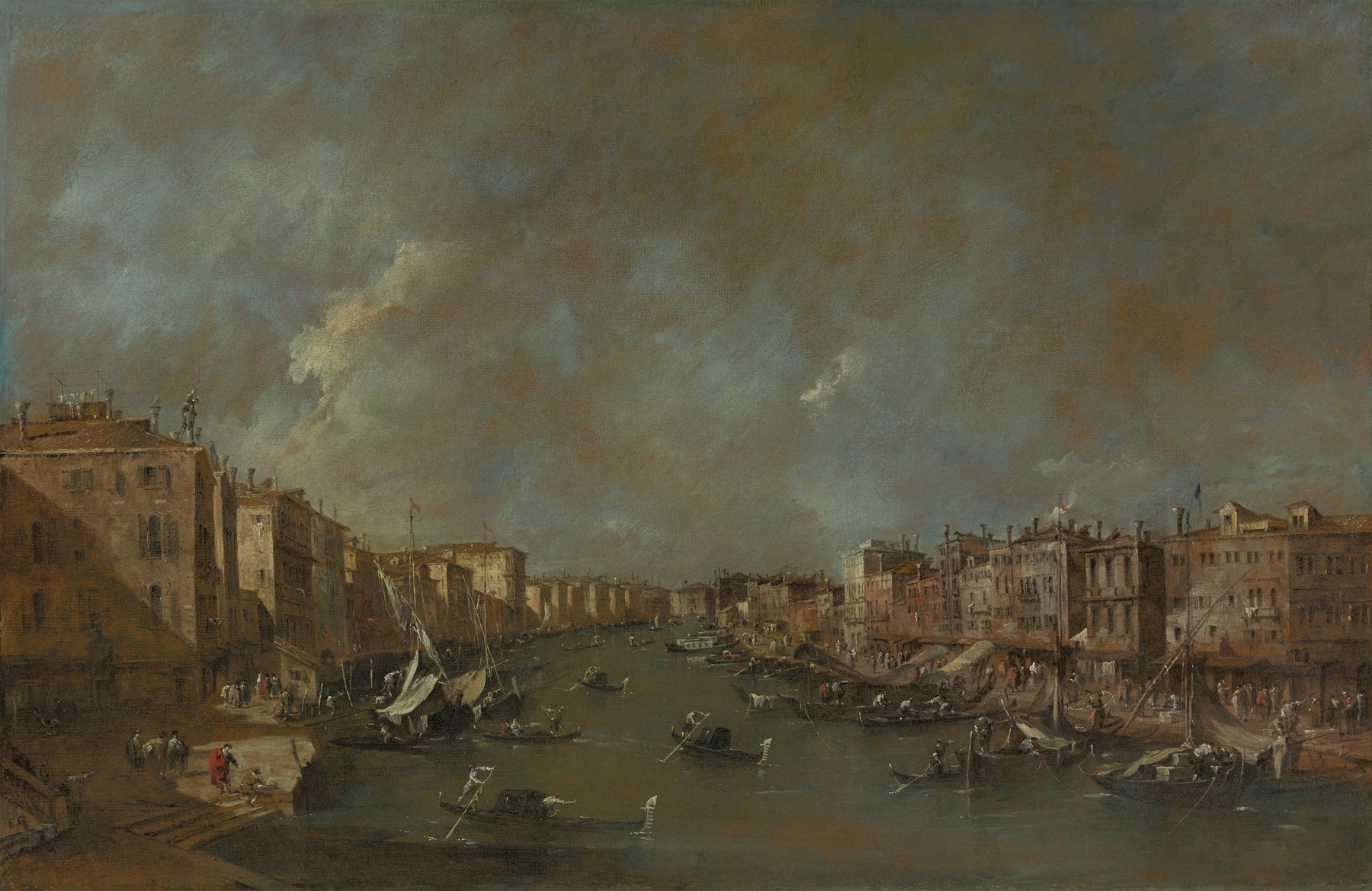
View of the Grand Canal from the Ponte di Rialto
Francesco Guardi
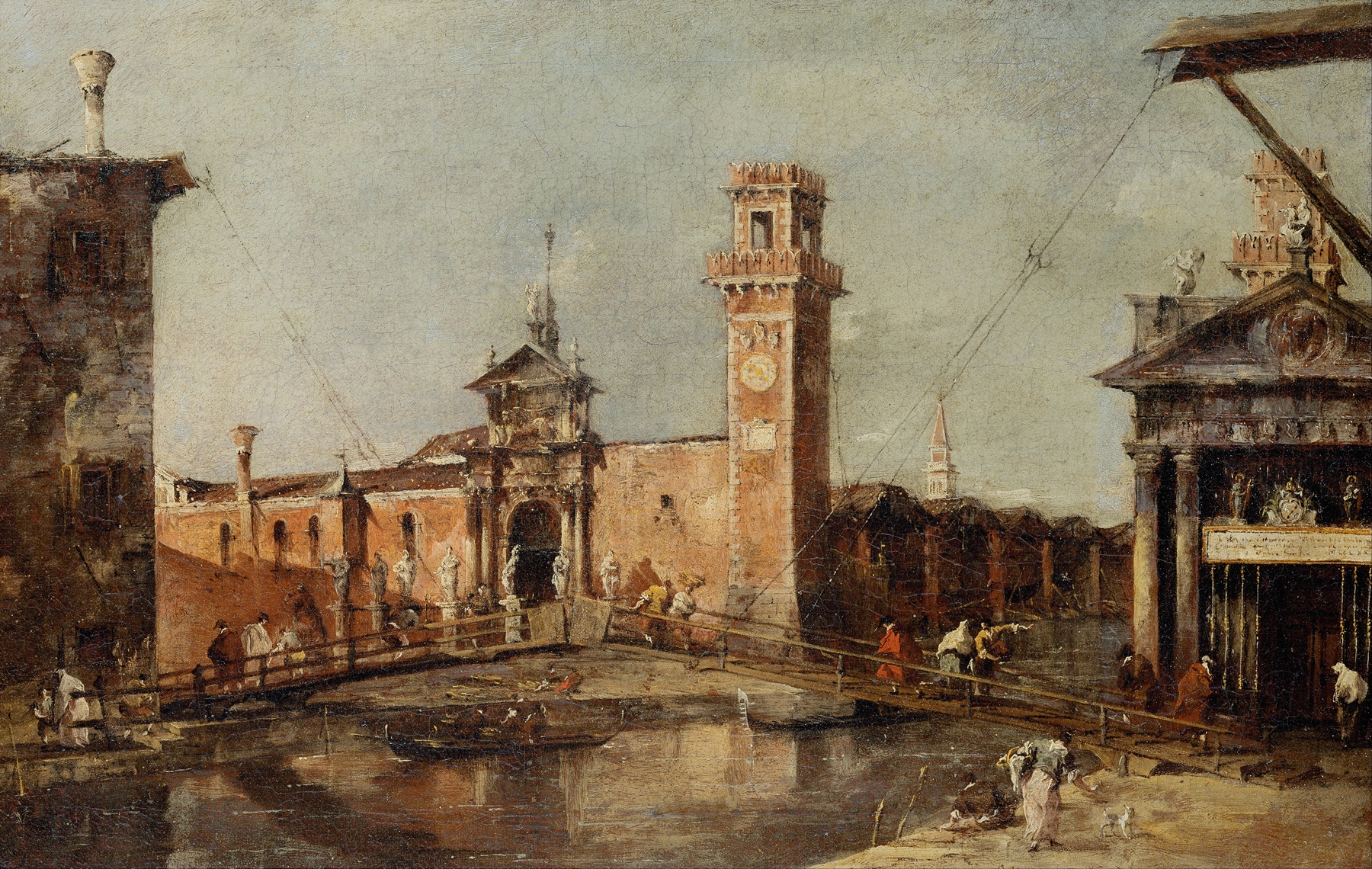
The Entrance to the Arsenal in Venice
Francesco Guardi
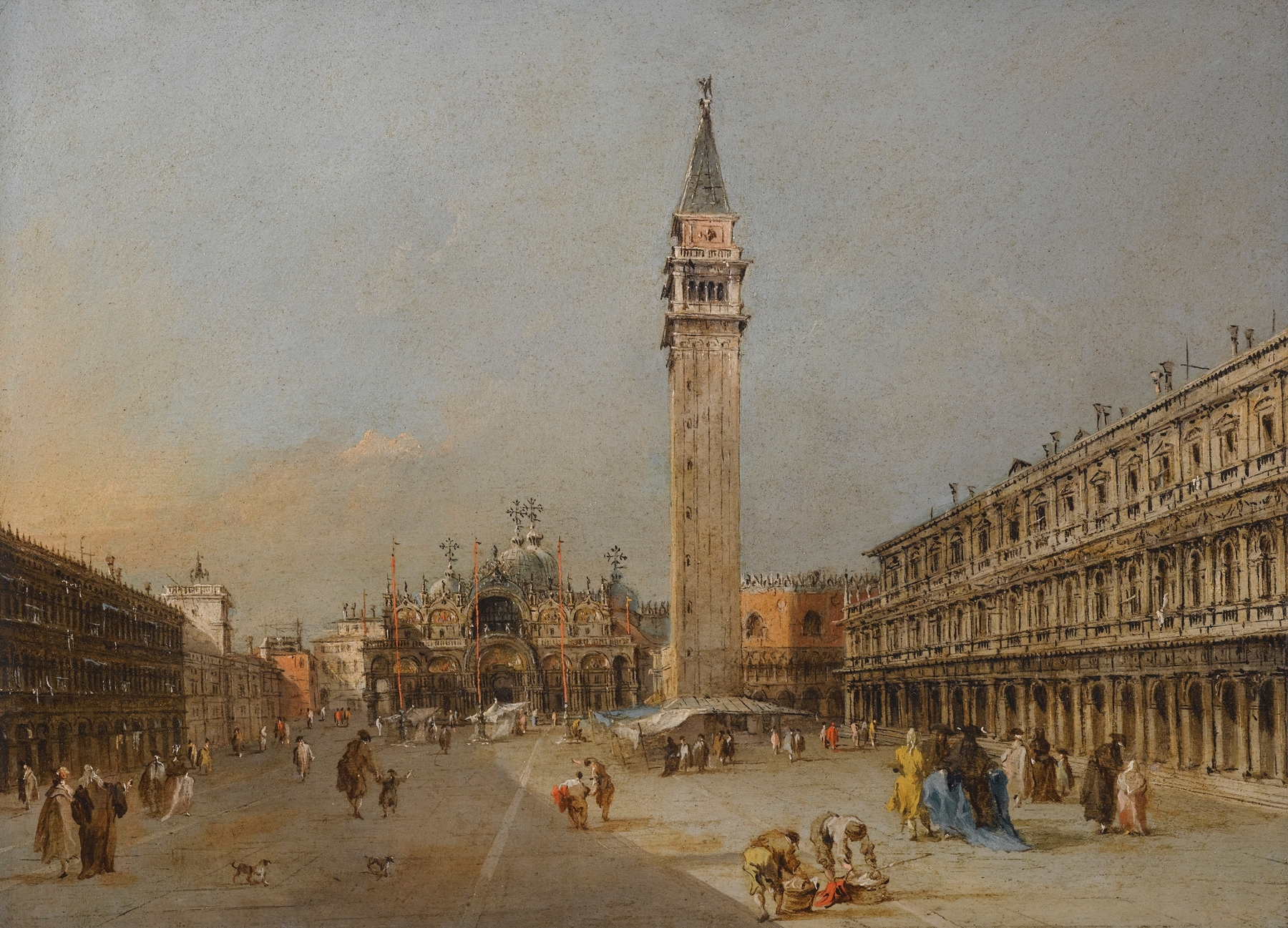
The Piazza San Marco With The Basilica And Campanile
Francesco Guardi
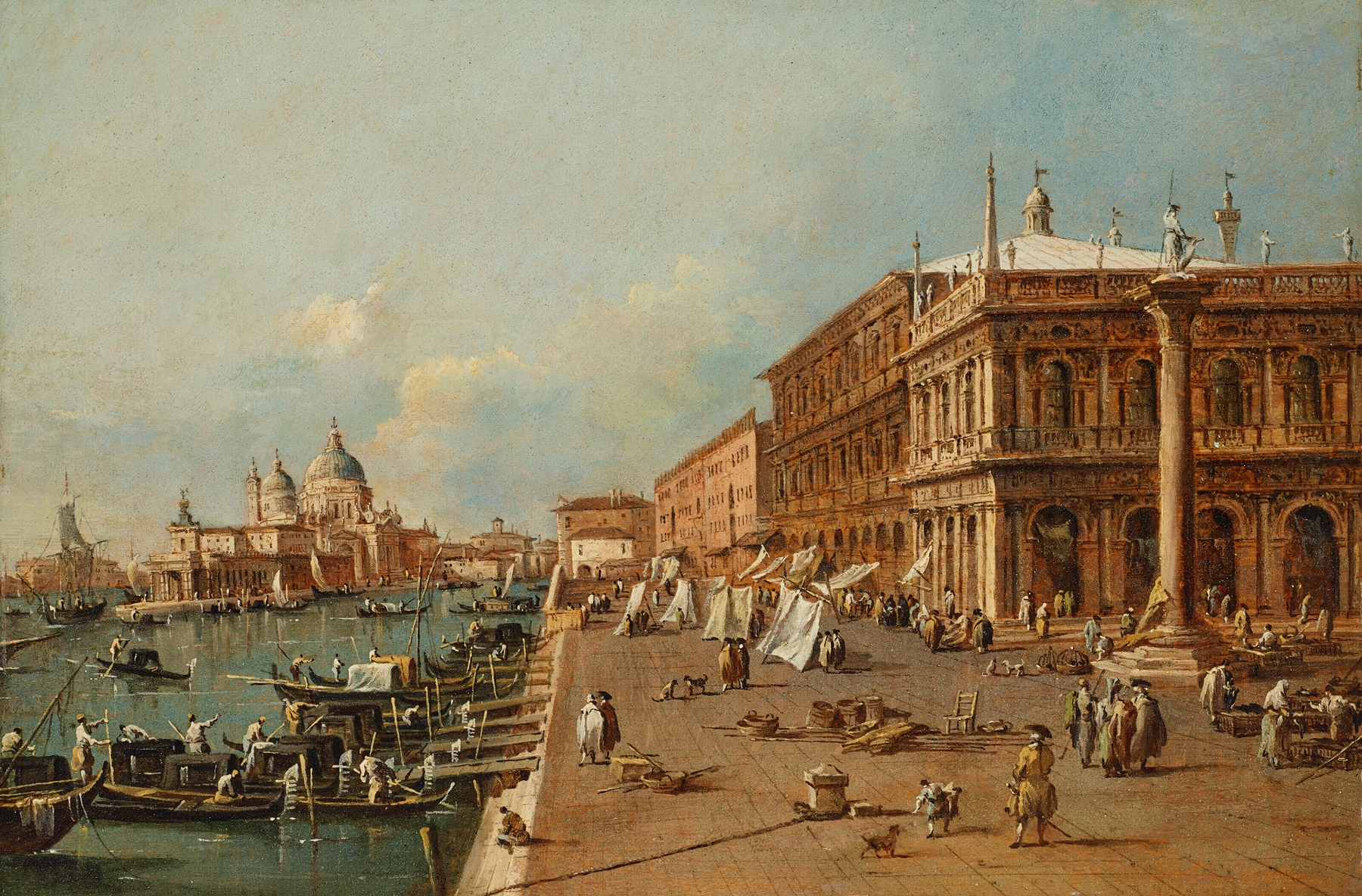
Venice; The Molo with the Libreria, the Punta della Dogana and Santa Maria della Salute
Francesco Guardi