
Ruins occasioned by the Earthquake at Messina — History & Facts
In a world where chaos reigns, how do we preserve our history amid the debris of revolution? Look towards the center of the canvas, where the once-majestic structures now stand in crumbled disarray, each fragment telling a story of loss and change. Notice the interplay of light and shadow that dances across the ruins, illuminating the jagged edges and casting deep contrasts. The muted color palette, dominated by earthy tones, evokes a somber atmosphere reminiscent of mourning, while delicate brushstrokes suggest a fleeting beauty amidst the devastation. The juxtaposition of the destroyed architecture with the figures scurrying in distress speaks to the emotional turmoil following the earthquake.
Observe how one man gestures skyward, perhaps in prayer or despair, while another kneels, cradling a fallen pillar like a precious memory. Each detail, from the debris-laden streets to the expressions of fear and resilience, encapsulates a collective grief; yet, within this shared sorrow lies the seeds of rebirth, echoing the transformational power of upheaval. Created in 1810, this work emerged during a tumultuous period for the artist, who was navigating the aftermath of the Napoleonic Wars while grappling with themes of destruction and renewal. Painted in Italy, Ruins occasioned by the Earthquake at Messina reflects not only a natural disaster but also the socio-political upheaval of the time, mirroring the uncertainties of a world on the brink of revolution.
More Artworks by Luigi Mayer
Browse all →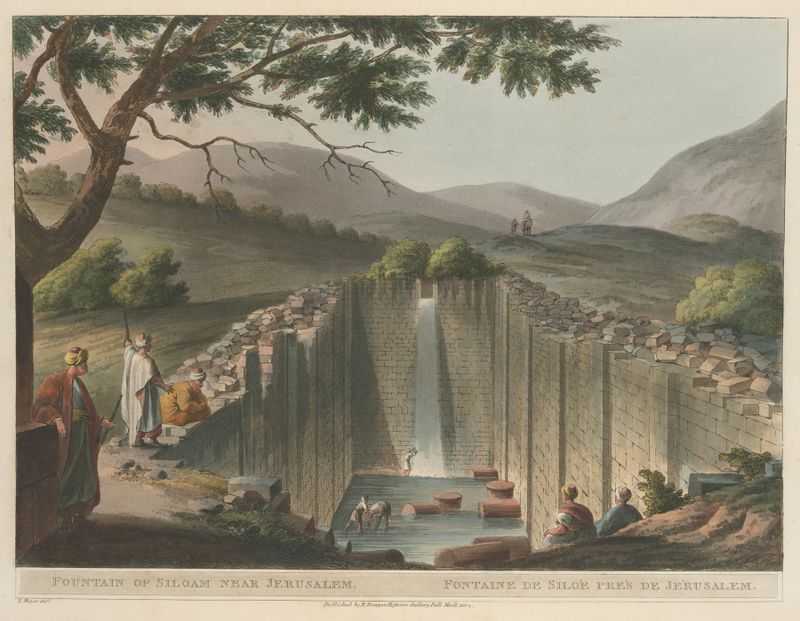
Fountain of Siloam Near Jerusalem
Luigi Mayer

View of the Dardanelles
Luigi Mayer
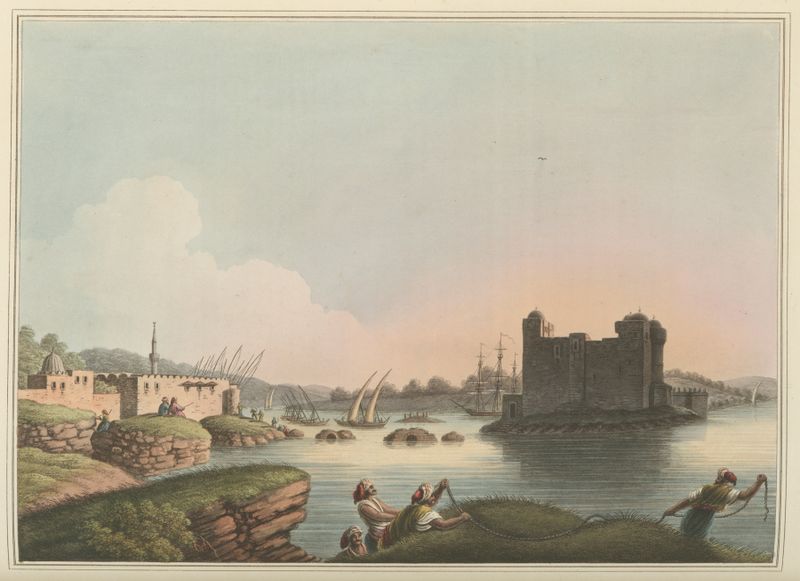
Port of Latachia
Luigi Mayer

Stadium at Ephesus
Luigi Mayer

Ancient Temples at Agrigentum
Luigi Mayer
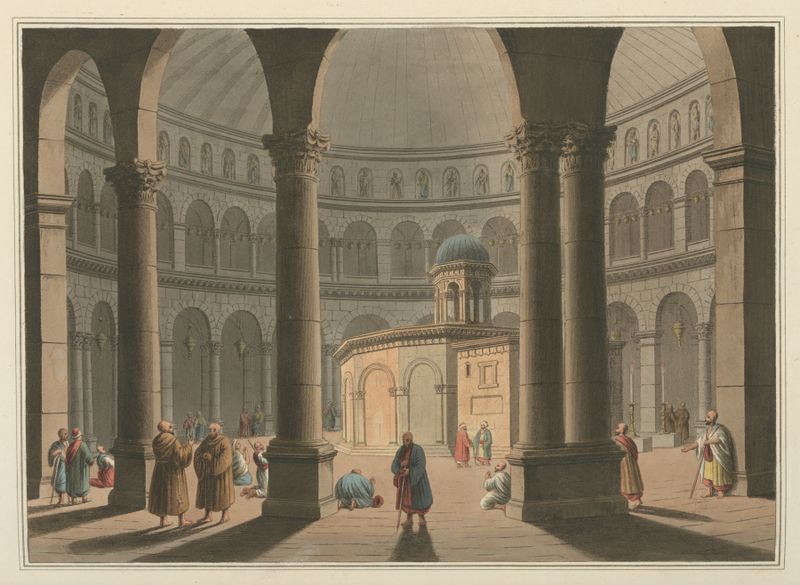
Church of the Holy Sepulchre
Luigi Mayer
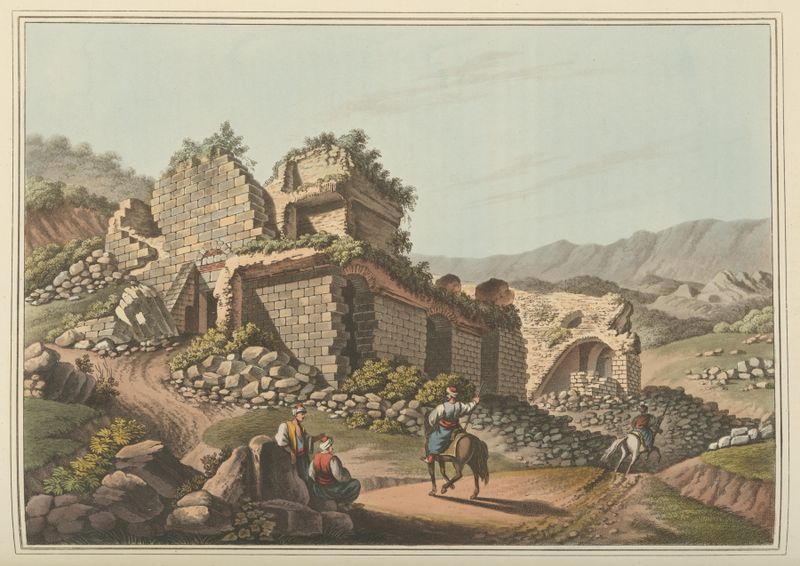
Theatre at Ephesus
Luigi Mayer
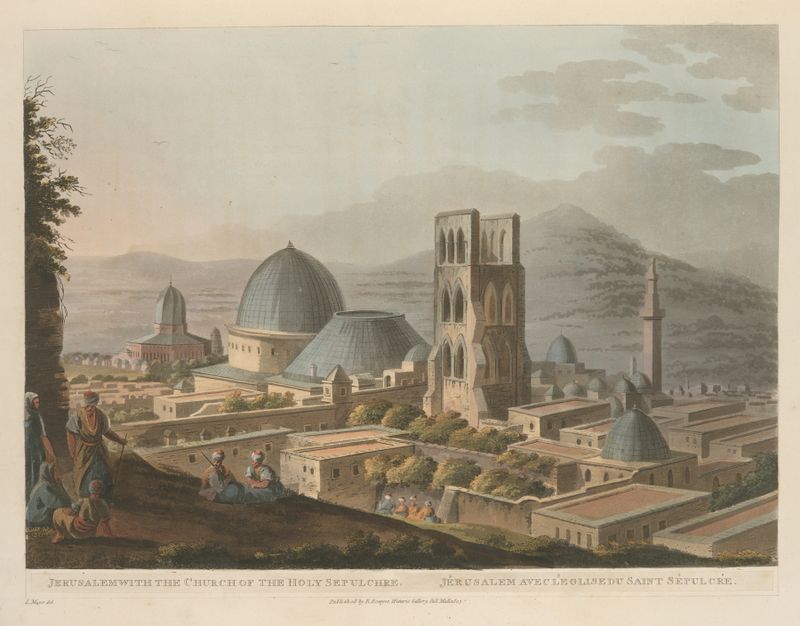
Jerusalem with the Church of the Holy Sepulchre
Luigi Mayer
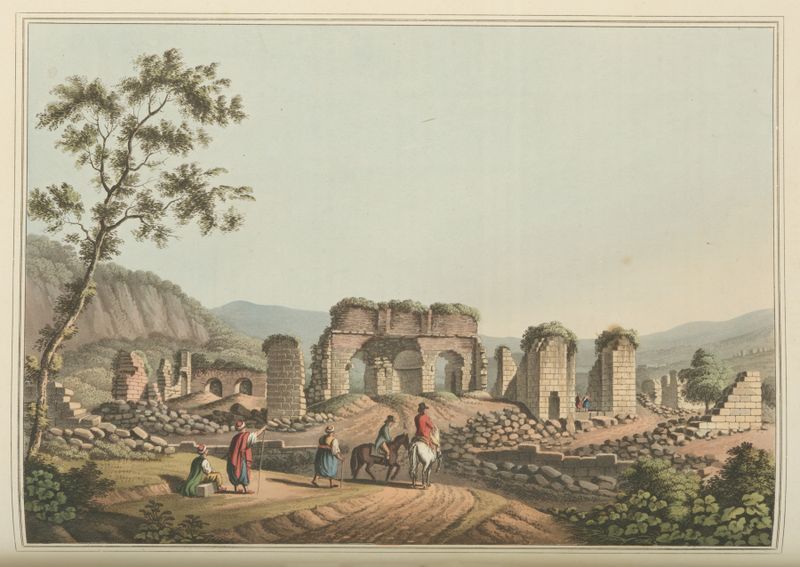
Ruins of the Temple of Diana at Ephesus
Luigi Mayer

Crater in the Island of Volcano
Luigi Mayer





