
Ruins Of St Andrews Cathedral — History & Facts
In Ruins of St Andrews Cathedral, Thomas Girtin conjures a world where the remnants of faith stand defiant against the passage of time, embodying both madness and majesty in a single frame. Focus first on the crumbling stone arches that stretch across the canvas, their jagged edges softened by a veil of mist. The muted palette of greys and browns evokes a sense of nostalgia, while patches of light break through the clouds above, illuminating sections of the ancient structure. These contrasts between light and shadow guide the viewer's eye, inviting a journey through history steeped in reverence and decay. Girtin masterfully captures the tension between nature and architecture, as creeping vines entwine with the cathedral's weathered stones, symbolizing the inexorable advance of time.
The almost ethereal quality of the landscape hints at the madness of nostalgia—how beauty can arise from ruin, transforming despair into contemplation. The looming grey skies add an emotional weight, reflecting a collective longing for what once was, while the stillness suggests an unsettling peace. In 1793, Girtin painted this work during a period when the Romantic movement was gaining momentum, emphasizing emotion and individual experience. At this time, he was exploring the effects of light and atmosphere, pushing the boundaries of landscape painting.
As he worked in England, the Industrial Revolution began to alter the natural landscape, prompting artists like him to reflect on a world caught between change and memory.
More Artworks by Thomas Girtin
Browse all →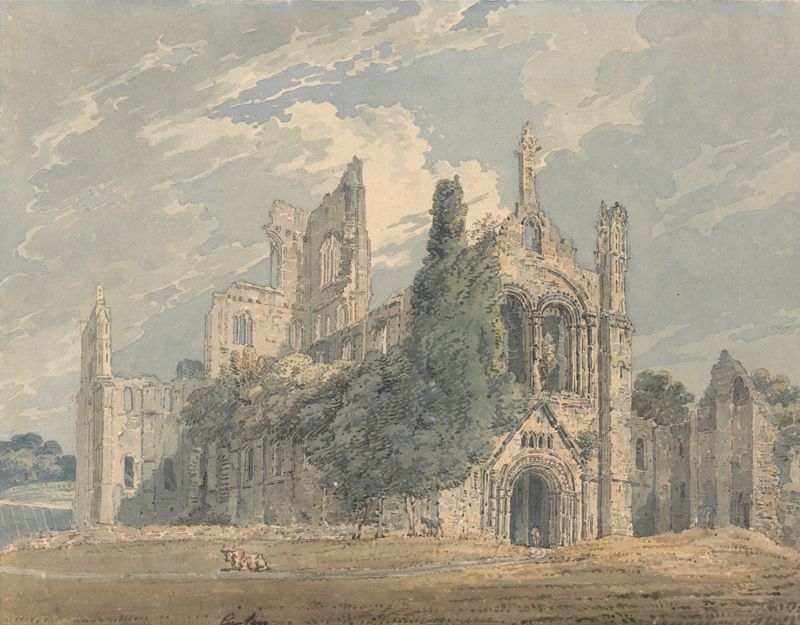
Kirkstall Abbey from the N.W.
Thomas Girtin
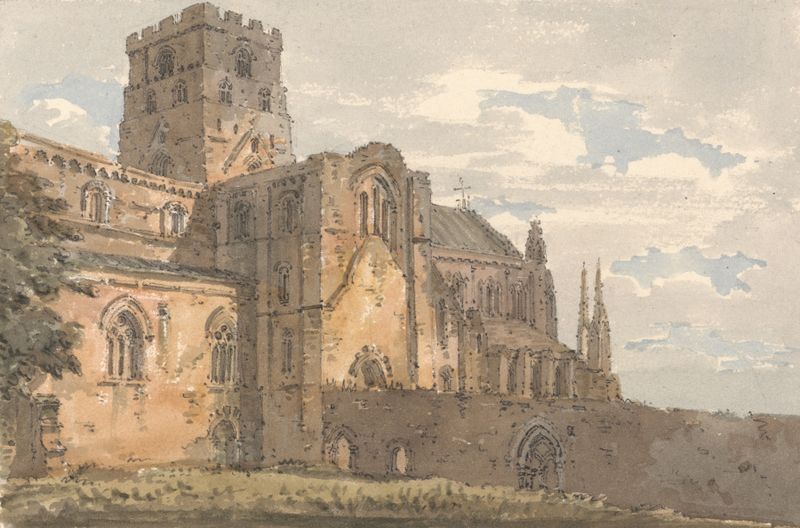
Carlisle Cathedral, Cumberland, from the South-west
Thomas Girtin
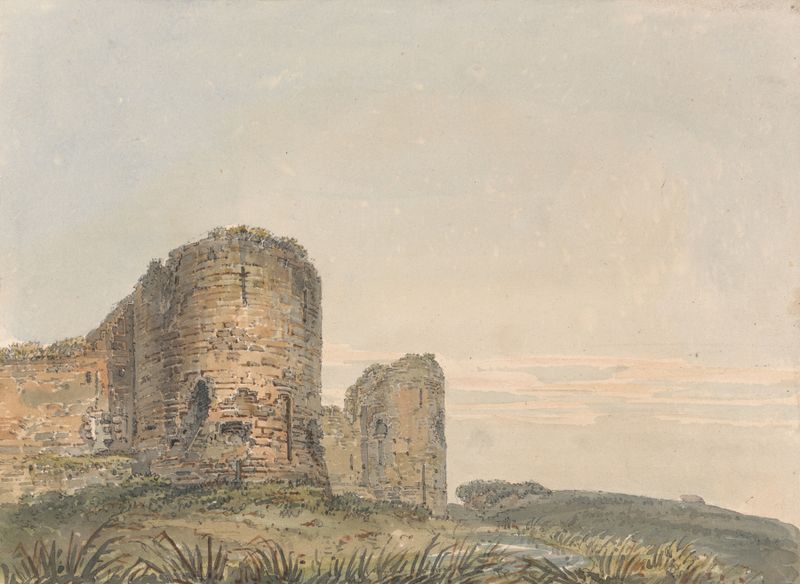
Pevensey Castle, Sussex
Thomas Girtin
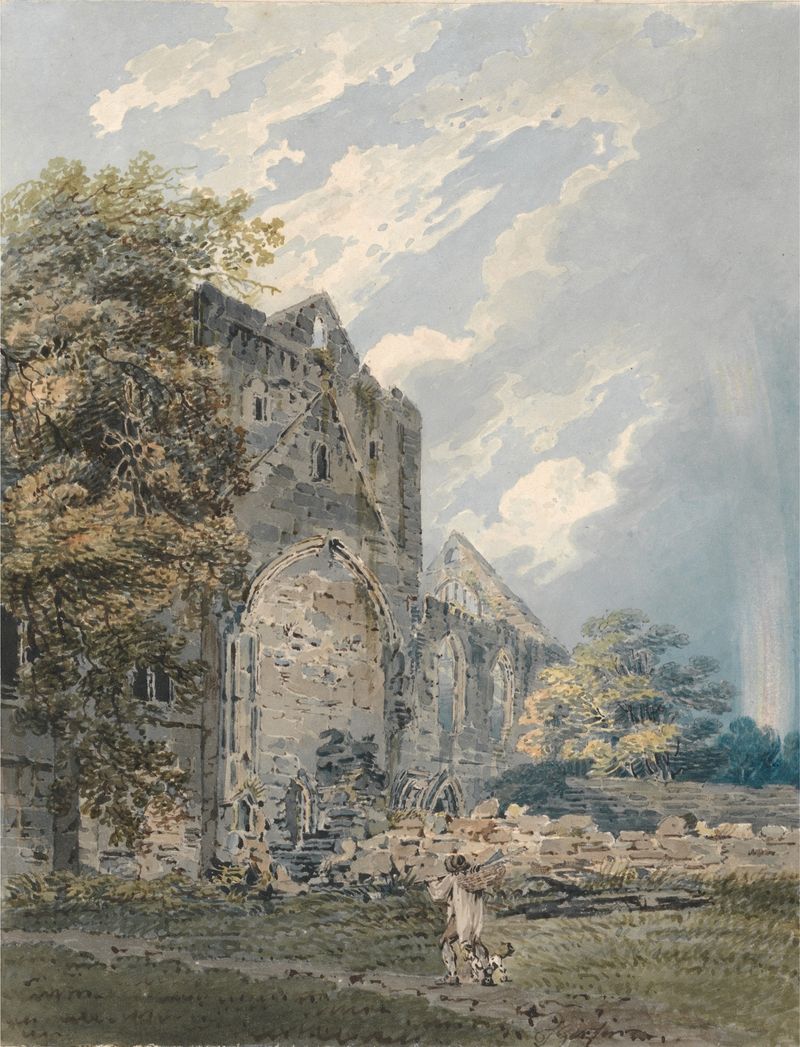
Pluscardine Abbey, Elgin
Thomas Girtin
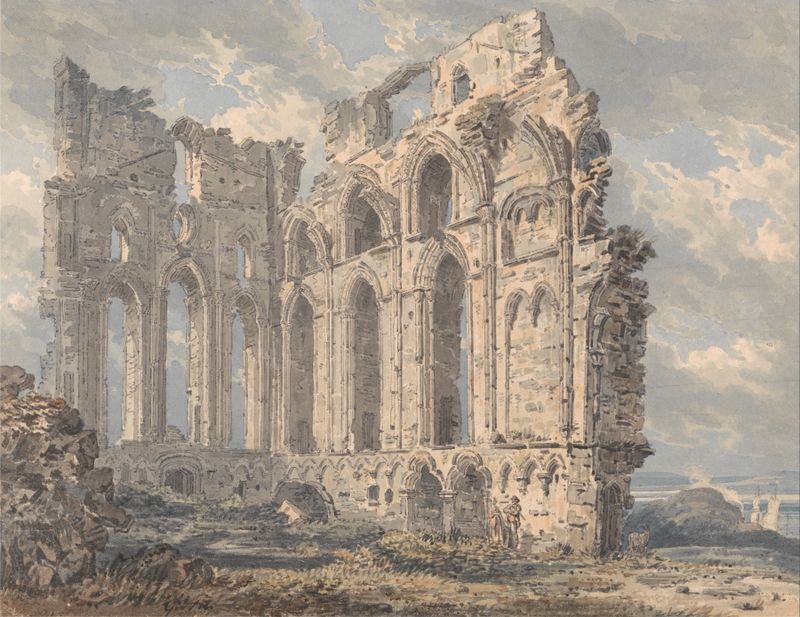
Tynemouth Priory, Northumberland
Thomas Girtin
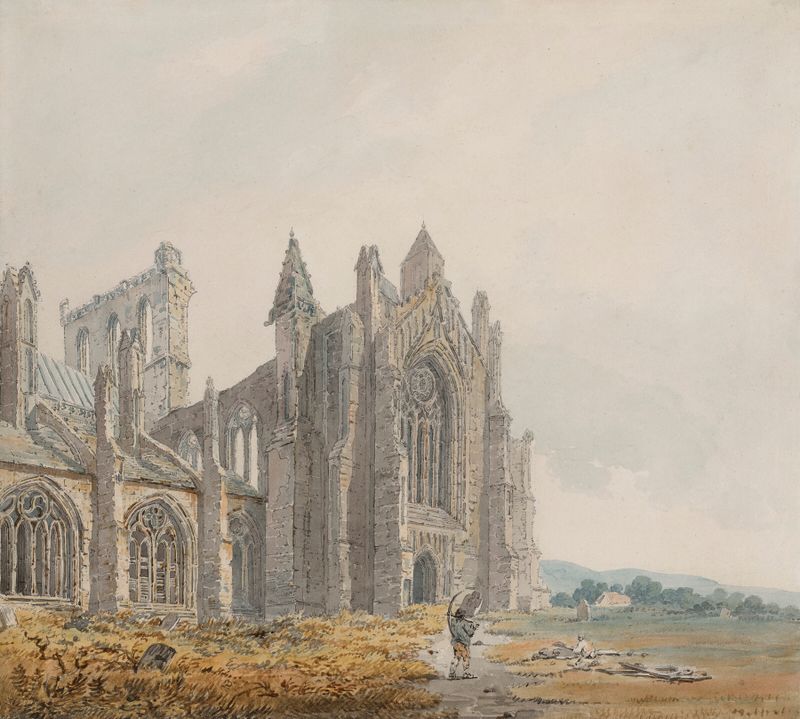
Melrose Abbey, Scotland
Thomas Girtin
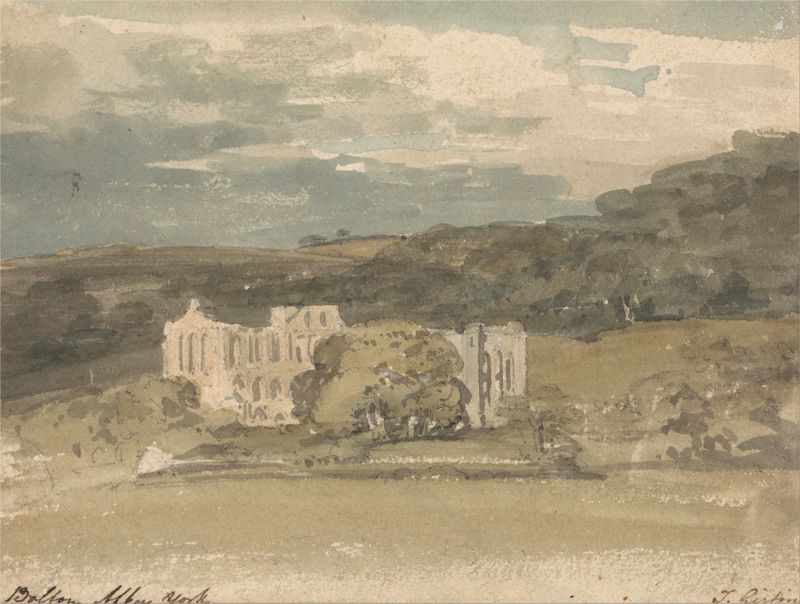
Rievaulx Abbey, Yorkshire
Thomas Girtin
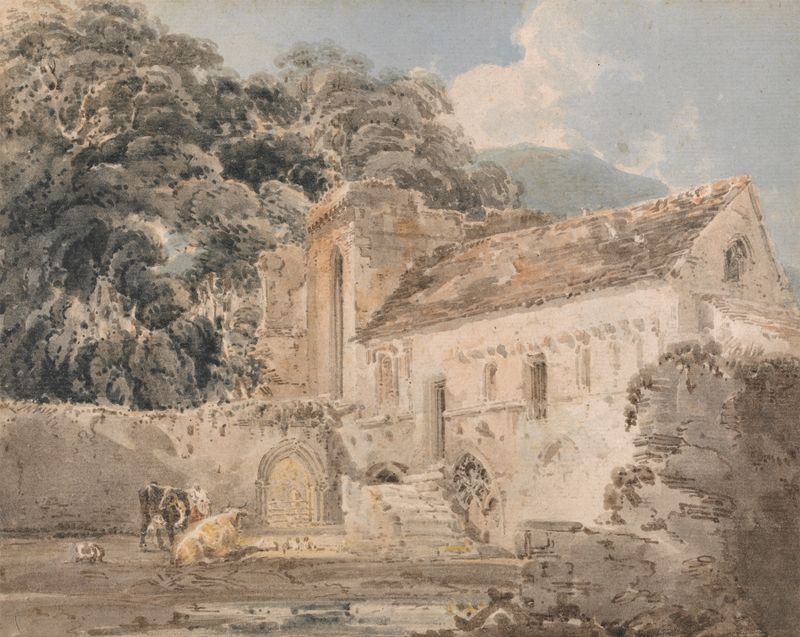
Valle Crucis Abbey, Denbighshire
Thomas Girtin
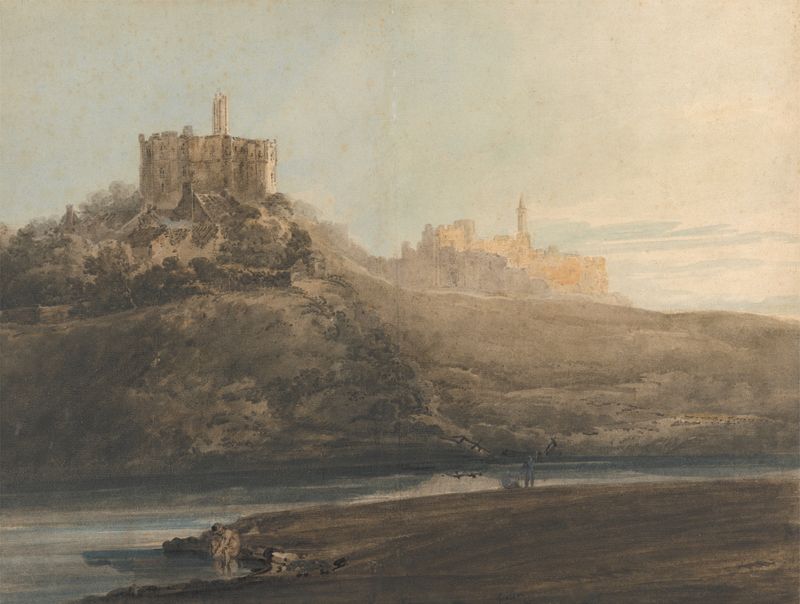
Warkworth Castle, Northumberland
Thomas Girtin
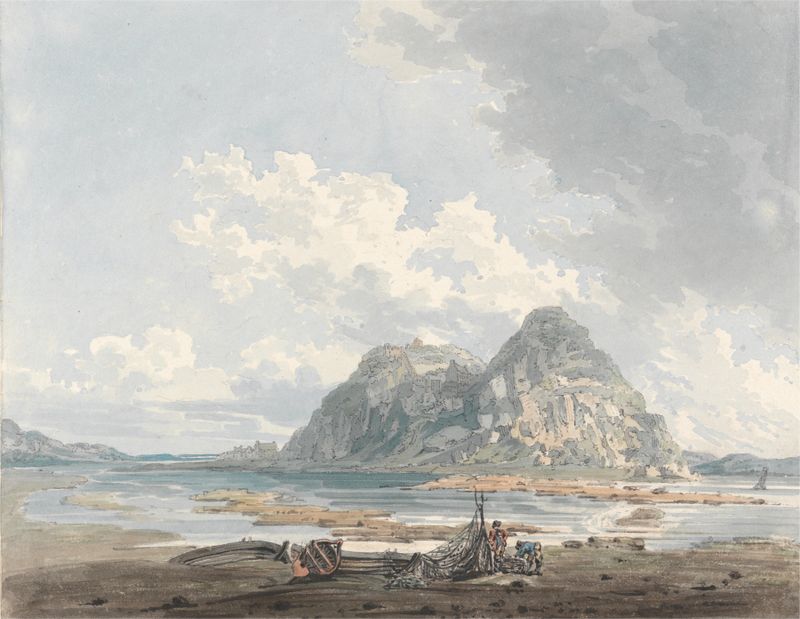
Dumbarton Rock and Castle
Thomas Girtin
More Architecture Art
Browse all →
The statue of Liberty
Frédéric Auguste Bartholdi

View of Houses in Delft, Known as ‘The Little Street’
Johannes Vermeer

View of Houses in Delft, Known as ‘The Little Street’
Johannes Vermeer

The Cathedral in Rouen. The portal, Grey Weather
Claude Monet

The yellow house
Vincent van Gogh

The Church in Auvers-sur-Oise, View from the Chevet
Vincent van Gogh