
Ruins on the Coast — History & Facts
Could beauty survive in a century of chaos? In a world where ruins stand as silent witnesses to humanity's transitory nature, this question lingers like a shadow across the canvas. Focus on the left side, where crumbling stone structures emerge from the tumultuous landscape, their jagged edges softened by the gentle embrace of twilight. Notice how the deep hues of blue and gray envelop the scene, enhancing the melancholic beauty of decay. Girtin's deft brushwork captures the interplay of light and shadow, casting an ethereal glow that suggests both loss and resilience.
The horizon bleeds into a ghostly palette, blurring the line between earth and sky, drawing the viewer deeper into the melancholy of the moment. Within this composition, the tension between destruction and the enduring power of nature is palpable. The ruins, with their desolate presence, symbolize a past that lingers, while the vibrant, tumultuous sky hints at the promise of renewal. Shadows dance throughout the scene, suggesting that even in decay, there is a profound beauty that speaks to the bittersweet nature of existence.
Each element holds the weight of history, urging contemplation on what remains unseen amidst the visible remnants of life. Created during the early 19th century, this work reflects the artist's fascination with the sublime and the picturesque. Girtin painted during a time when Romanticism began to challenge neoclassical ideals, embracing nature's tumult alongside human fragility. His exploration of ruins speaks to a broader cultural preoccupation with the passage of time and the remnants of history, marking a pivotal moment in the evolution of landscape painting.
More Artworks by Thomas Girtin
Browse all →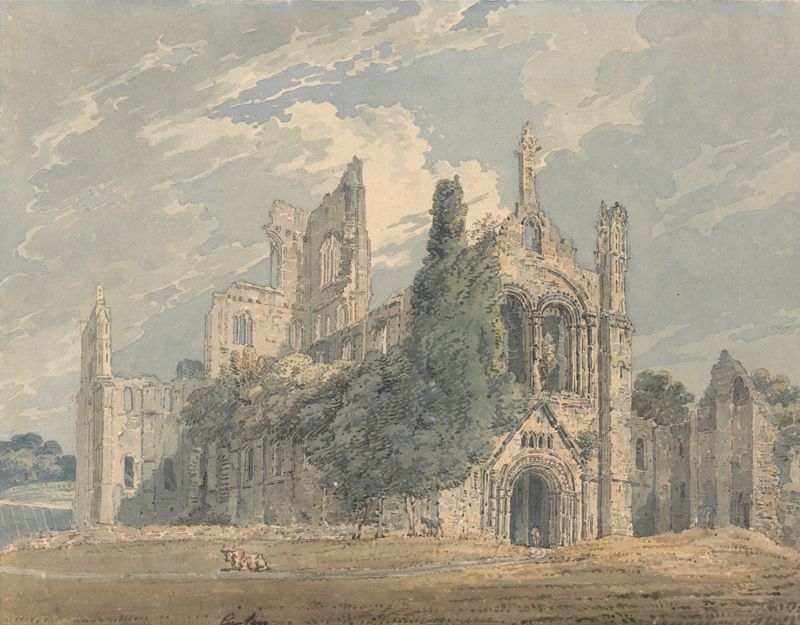
Kirkstall Abbey from the N.W.
Thomas Girtin
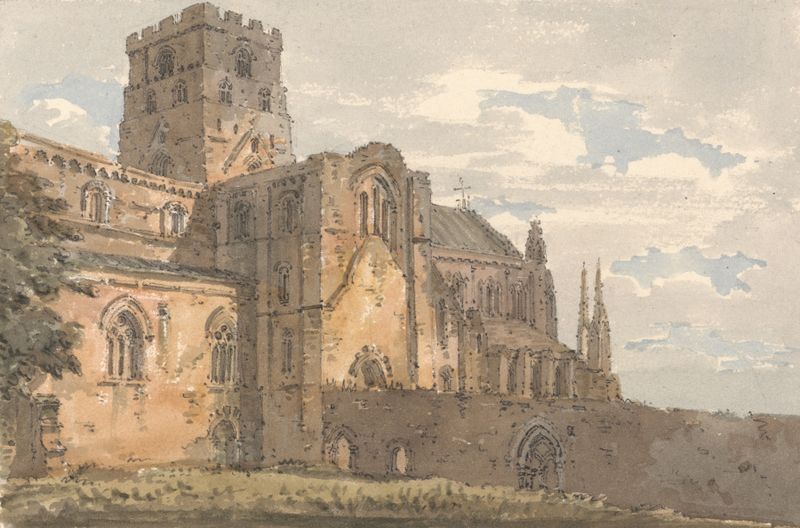
Carlisle Cathedral, Cumberland, from the South-west
Thomas Girtin
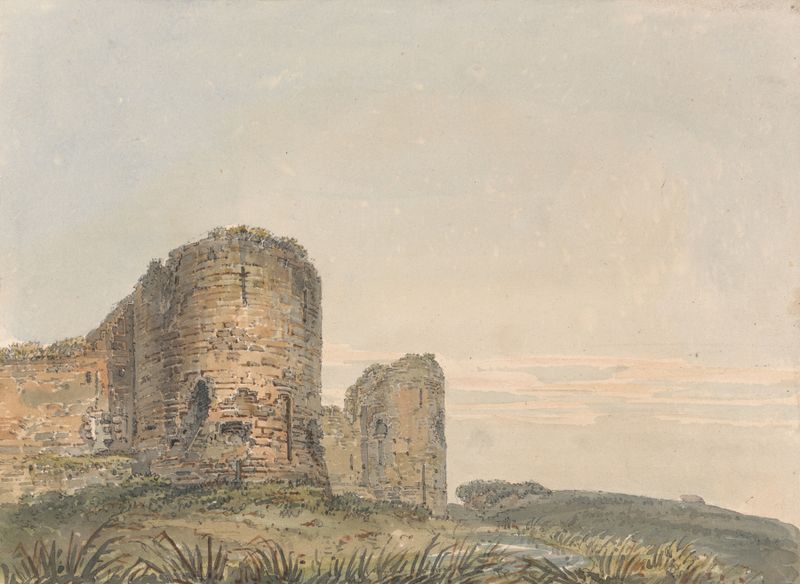
Pevensey Castle, Sussex
Thomas Girtin
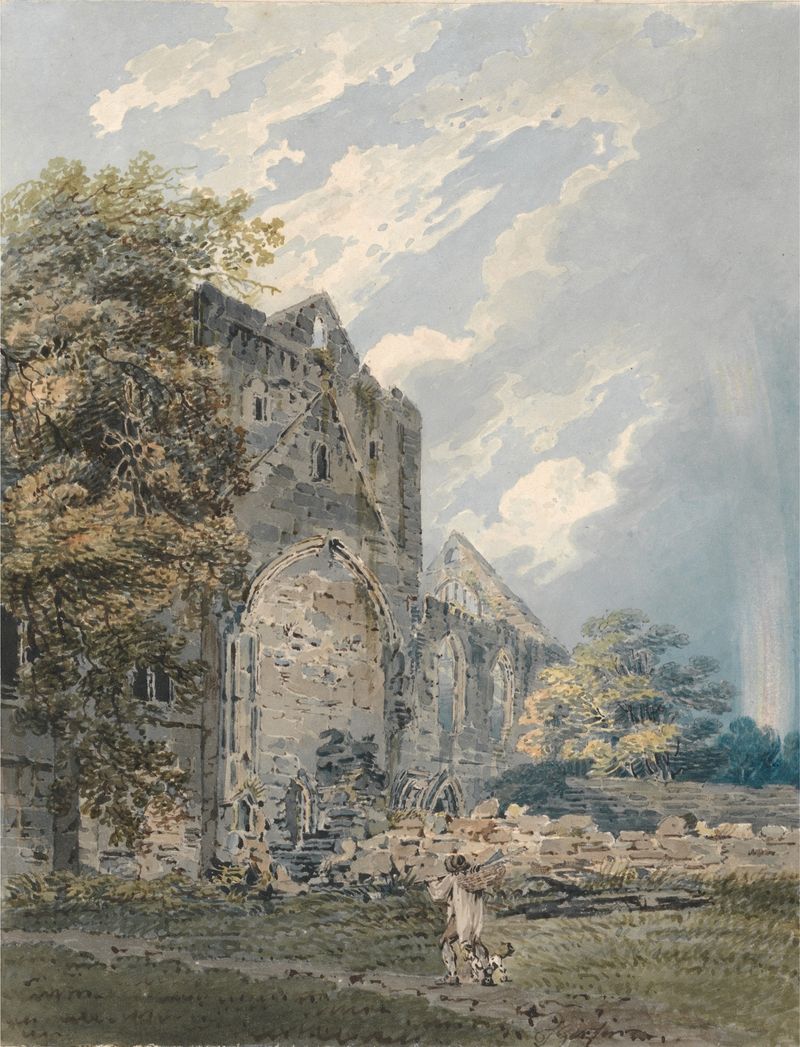
Pluscardine Abbey, Elgin
Thomas Girtin
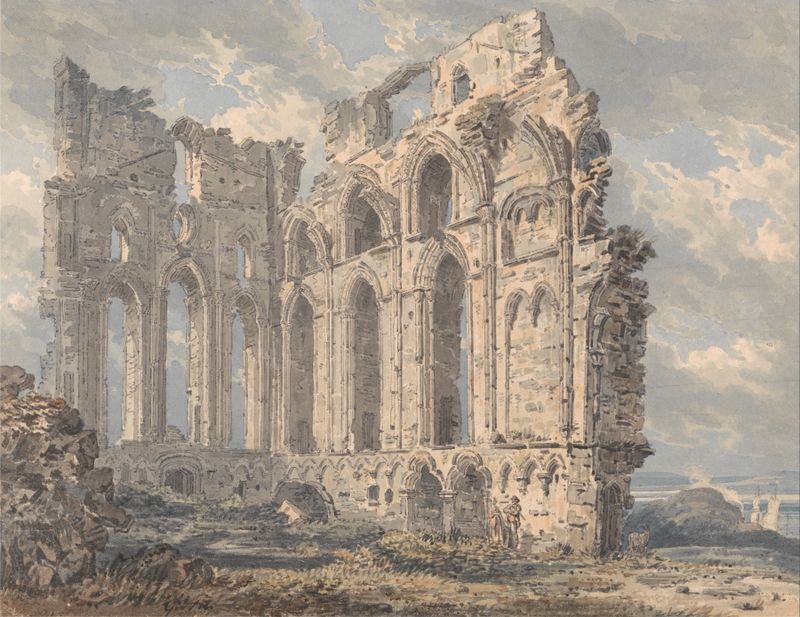
Tynemouth Priory, Northumberland
Thomas Girtin
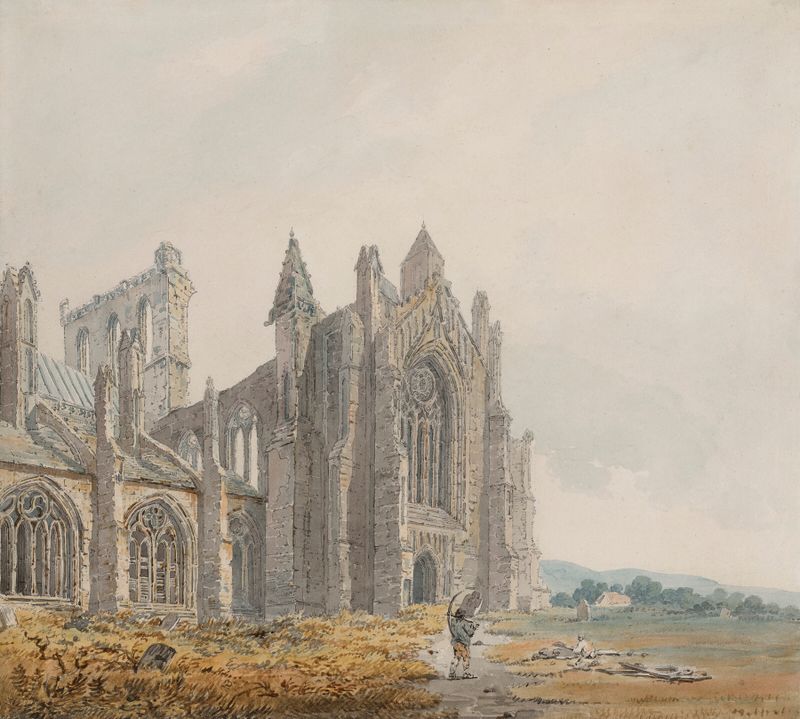
Melrose Abbey, Scotland
Thomas Girtin
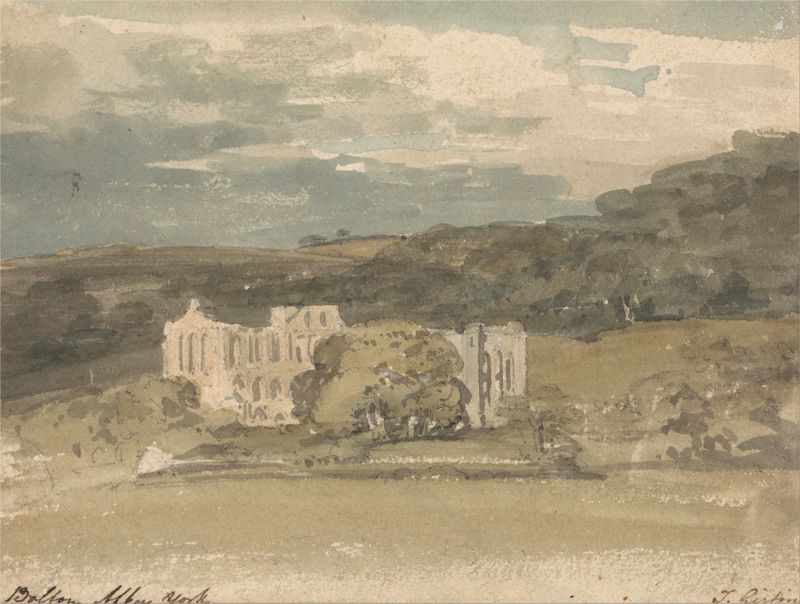
Rievaulx Abbey, Yorkshire
Thomas Girtin
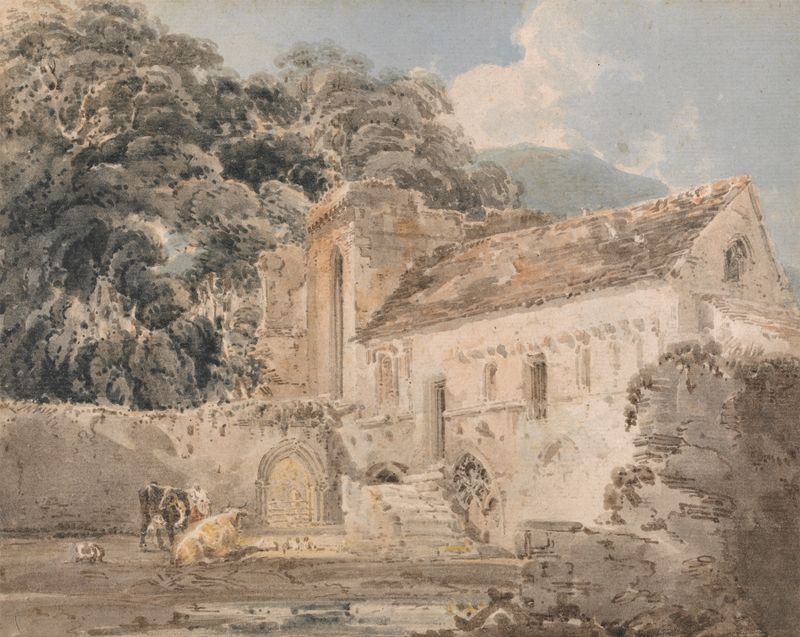
Valle Crucis Abbey, Denbighshire
Thomas Girtin
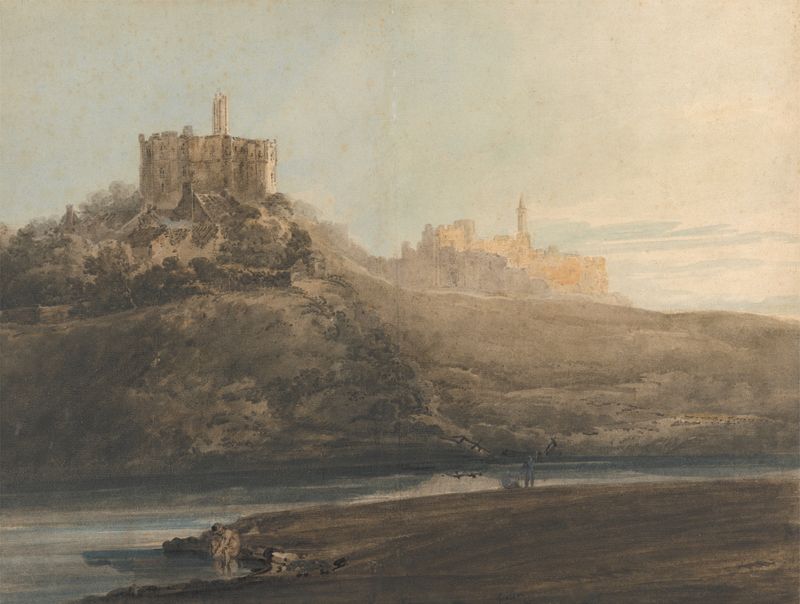
Warkworth Castle, Northumberland
Thomas Girtin
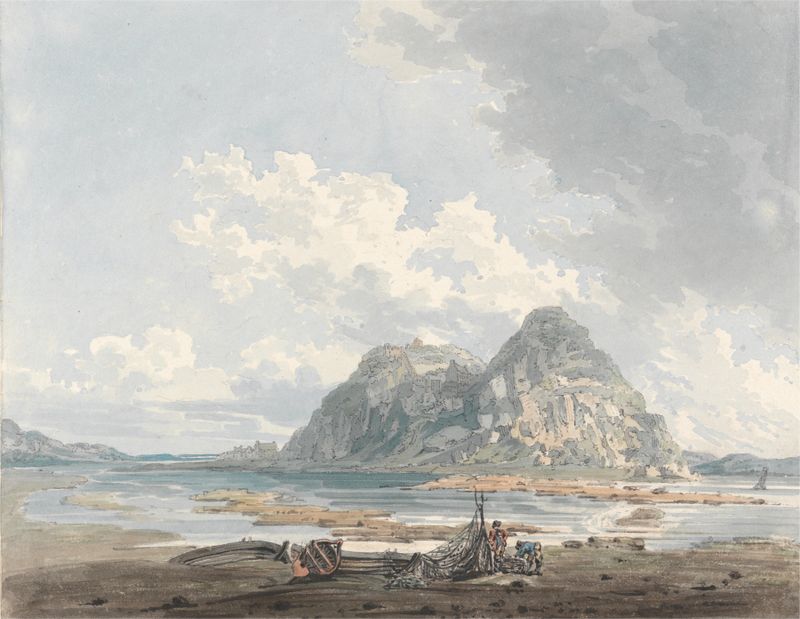
Dumbarton Rock and Castle
Thomas Girtin





