
Sacred conversation — History & Facts
When Giovanni Bellini completed Sacred conversation in 1507, he was already the revered elder of Venetian painting, yet this work marks one of his final and most innovative approaches to a genre he helped define. The so-called "sacra conversazione," or holy conversation, was a relatively new invention in Italian art, bringing the Virgin, Child, and saints together in a single, unified space rather than in separate panels. Bellini’s late version is notable for its serene atmosphere and the way it draws viewers into a quiet, almost private encounter with the divine—a quality that would inspire generations of Venetian painters. At the center, the Virgin Mary sits enthroned, the Christ Child on her lap, surrounded by saints who seem to converse not just with her, but with each other and the viewer.
Each figure is rendered with delicate attention: St. Peter, with his keys, gestures in discussion; St. Catherine, with her broken wheel, gazes in contemplation.
The golden light suffusing the scene unifies the group, dissolving boundaries between sacred and earthly space. Unlike the more dramatic, crowded compositions of Piero della Francesca or the earlier polyptychs of Giovanni Bellini himself, this painting achieves a calm balance, inviting the eye to linger on the lush fabrics, gentle gestures, and the subtle landscape glimpsed through the columns. Though the original patron of Sacred conversation remains uncertain, the painting’s refined execution and scale suggest it was intended for a private chapel or a wealthy Venetian family. Over the centuries, its whereabouts have sometimes been unclear, but it has long been recognized as a late work by Giovanni Bellini, created just a few years before his death in 1516.
Today, it stands as a testament to Bellini’s enduring influence on Venetian painting, bridging the clarity of the Early Renaissance with the color and atmosphere that would define the Venetian Renaissance. The painting remains a touchstone for understanding how sacred subjects could be rendered with intimacy and humanity at the dawn of the sixteenth century.
More Artworks by Giovanni Bellini
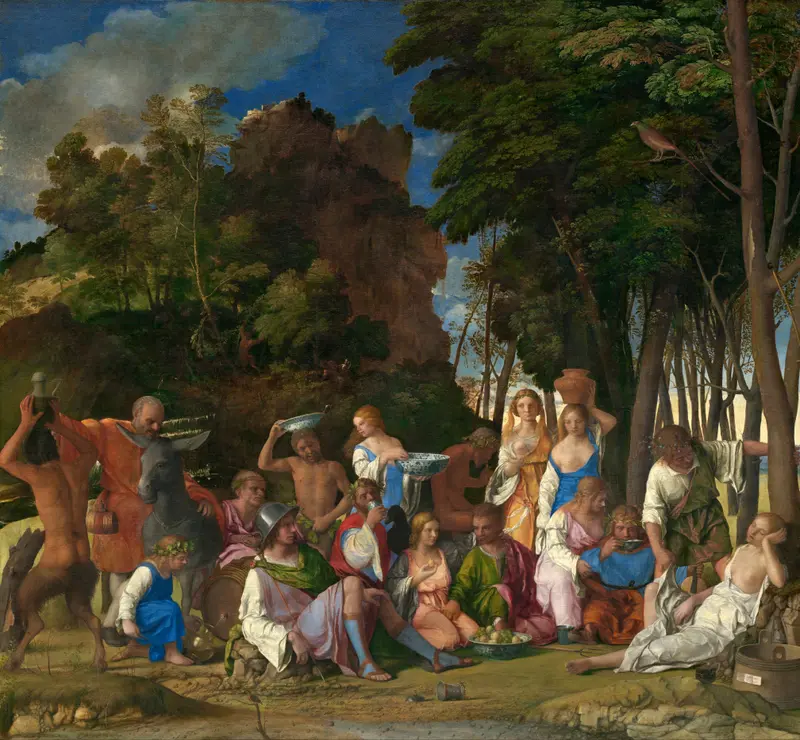
The Feast of the Gods
Giovanni Bellini

Madonna and Child enthroned with Saints and Angels
Giovanni Bellini
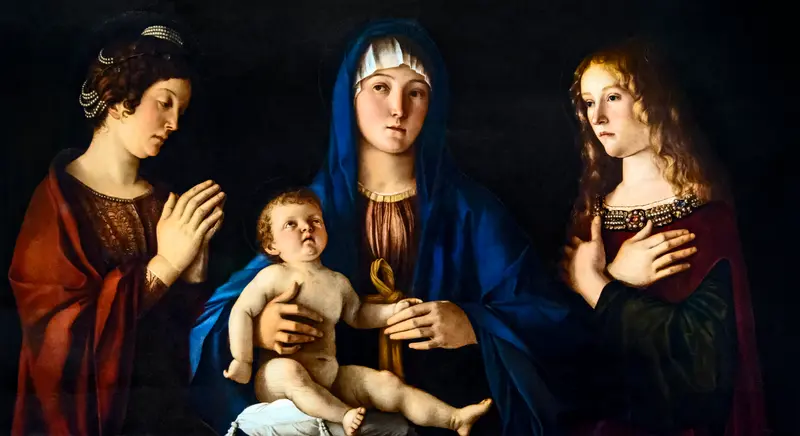
Madonna and Child between Saints Catherine and Mary Magdalene
Giovanni Bellini
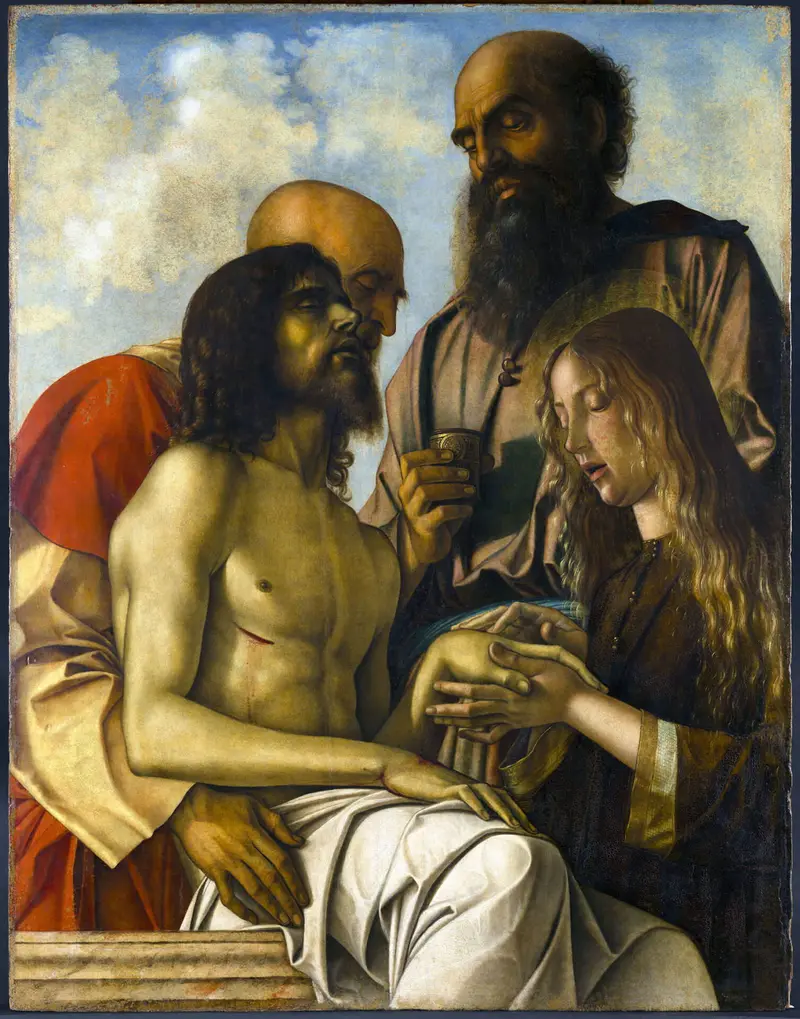
Lamentation over the Dead Christ
Giovanni Bellini
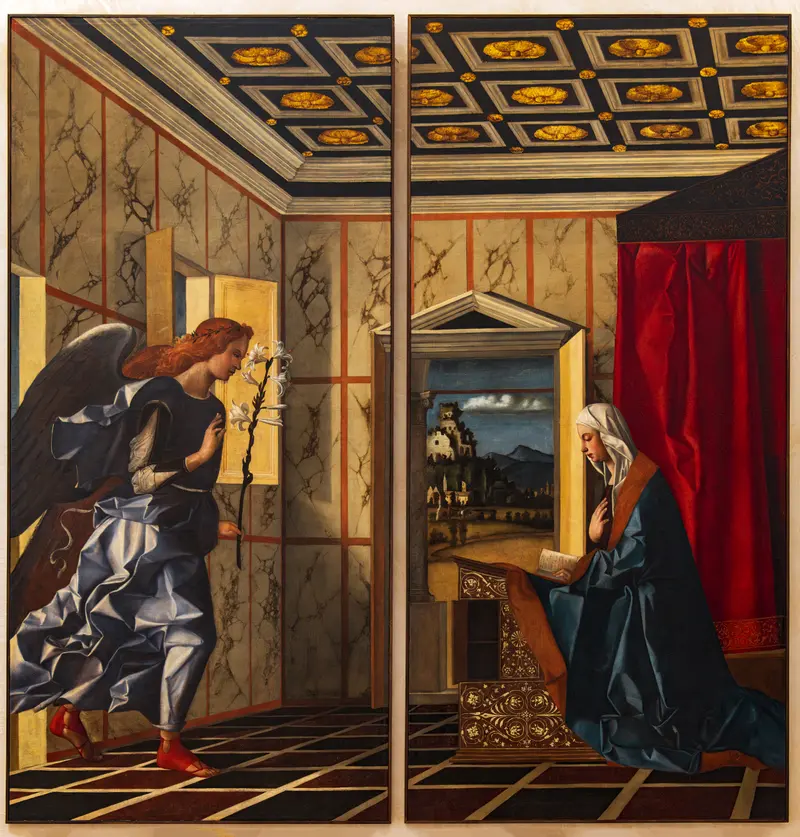
Annunciation
Giovanni Bellini
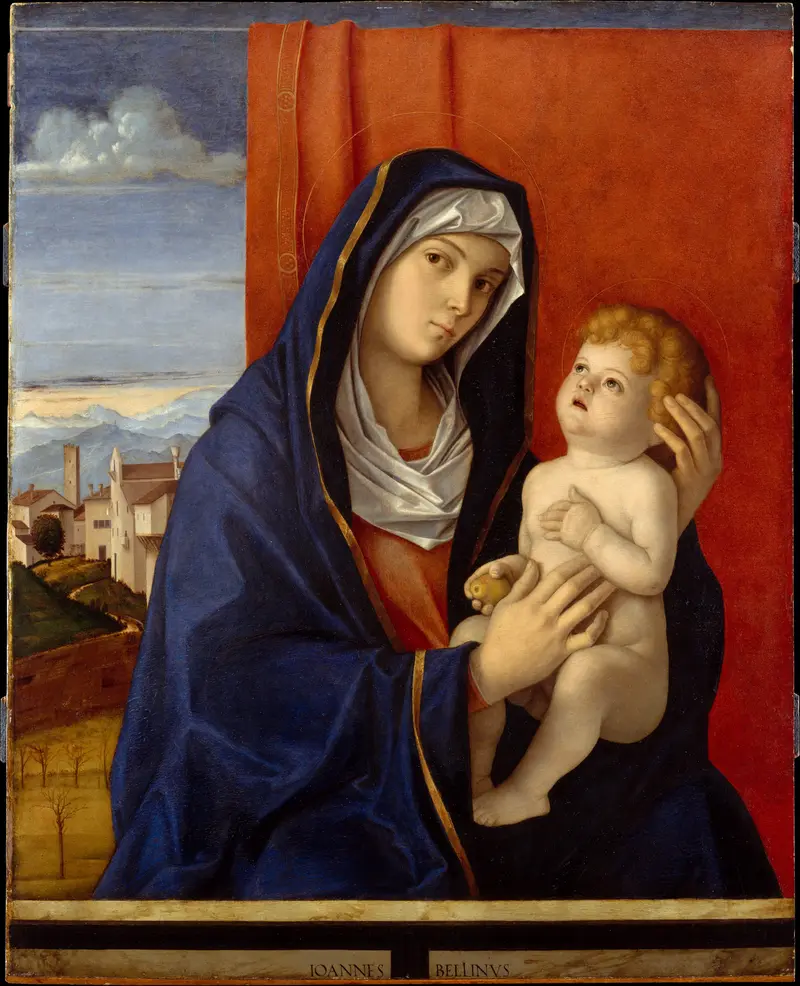
Madonna and Child
Giovanni Bellini
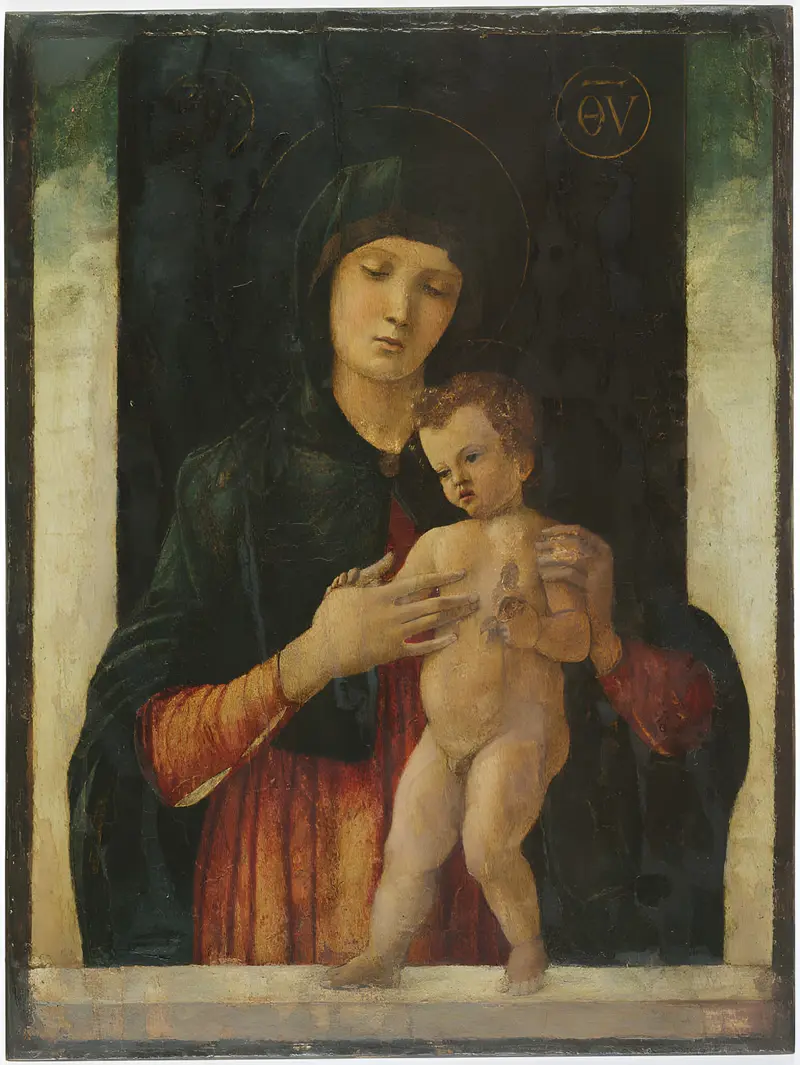
The Virgin and Child
Giovanni Bellini
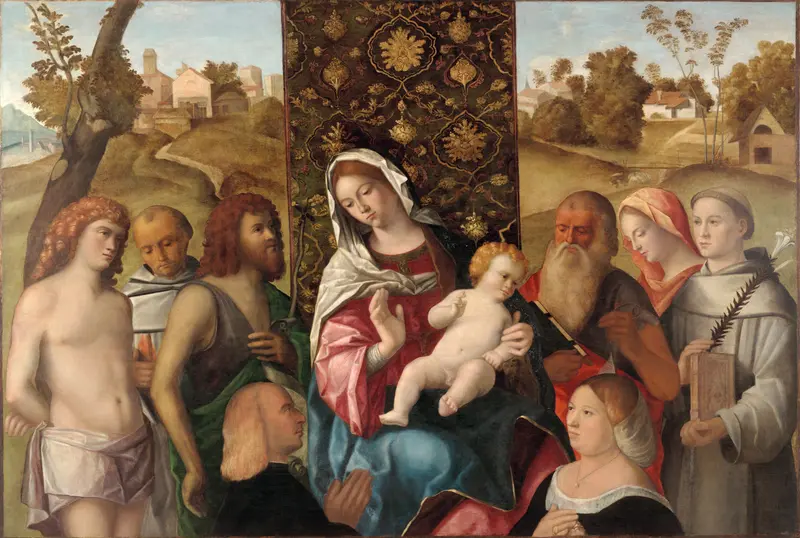
Virgin and Child with Saints Sebastian, Francis, John the Baptist, Jerome, an unidentified female saint, Saint Anthony of Padua and two donors
Giovanni Bellini
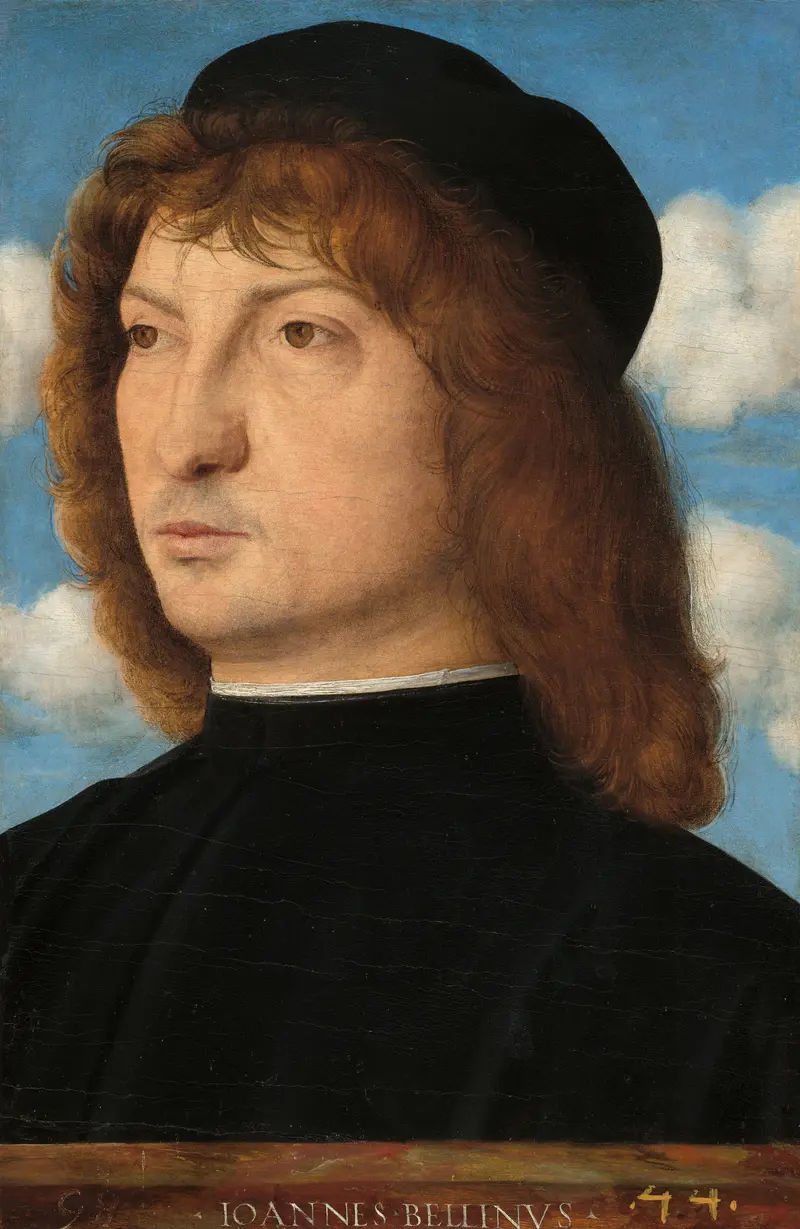
Portrait of a Venetian Gentleman
Giovanni Bellini
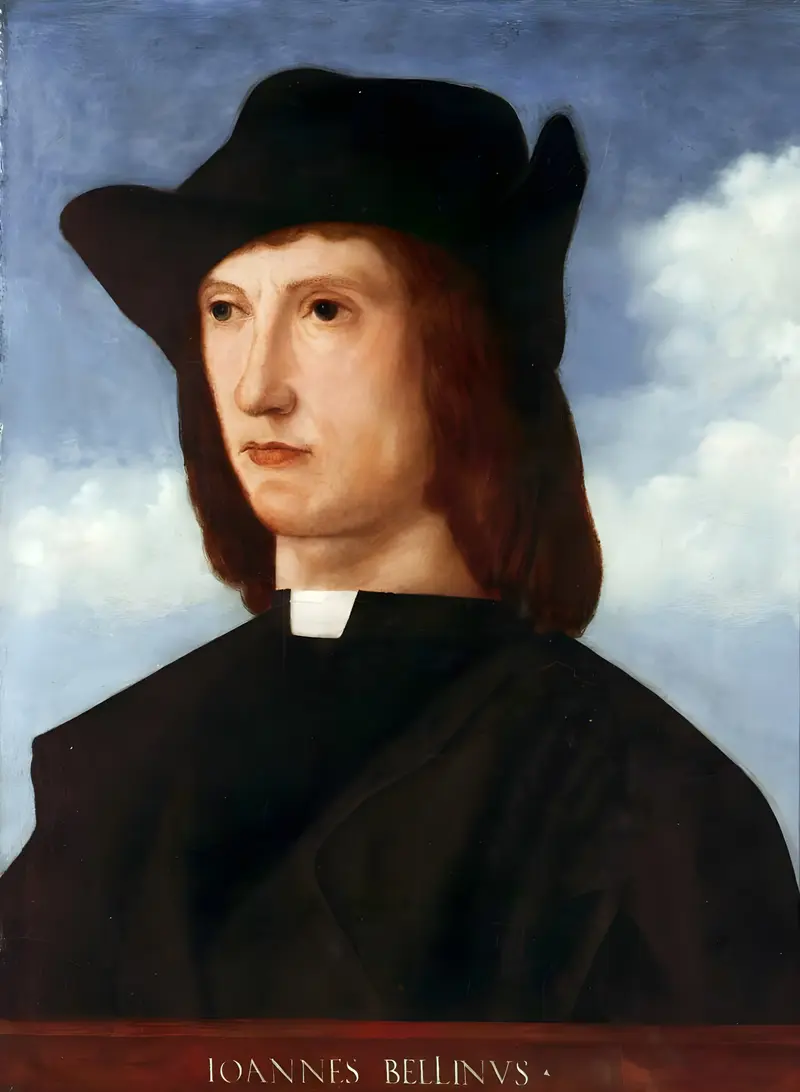
Portrait of a Young Man
Giovanni Bellini





