
Sacrificial festival — History & Facts
A procession climbs a stone platform, where fire and smoke curl skyward—a moment thick with anticipation and ritual. In Sacrificial festival, Arnold Böcklin chooses not the climax, but the charged pause: a priest stands ready at the altar, knife in hand, while attendants and onlookers bring offerings. The figures are arranged in a gentle arc, guiding your gaze from the donkey and its handler at the left, to the woman in white balancing a vessel, and finally to the altar where the drama gathers.
Böcklin’s brushwork is loose, the colors earthy and muted, but the red and green garments at the altar catch the light, setting the sacred space apart from the shadowed trees behind. Painted in 1885, this scene belongs to a world fascinated by antiquity, when artists like Böcklin conjured ancient rites not as dry history, but as living, breathing events. Such paintings were rarely mere decoration; they invited viewers to imagine themselves into lost worlds, to feel the weight of tradition and the mystery of old beliefs. The Germanisches Nationalmuseum now houses this work, a reminder of a late nineteenth-century Europe eager to rediscover myth and ritual.
Stand before it and you sense not just the past, but the artist’s own yearning to make ancient stories real again.
More Artworks by Arnold Böcklin

Die Toteninsel III
Arnold Böcklin
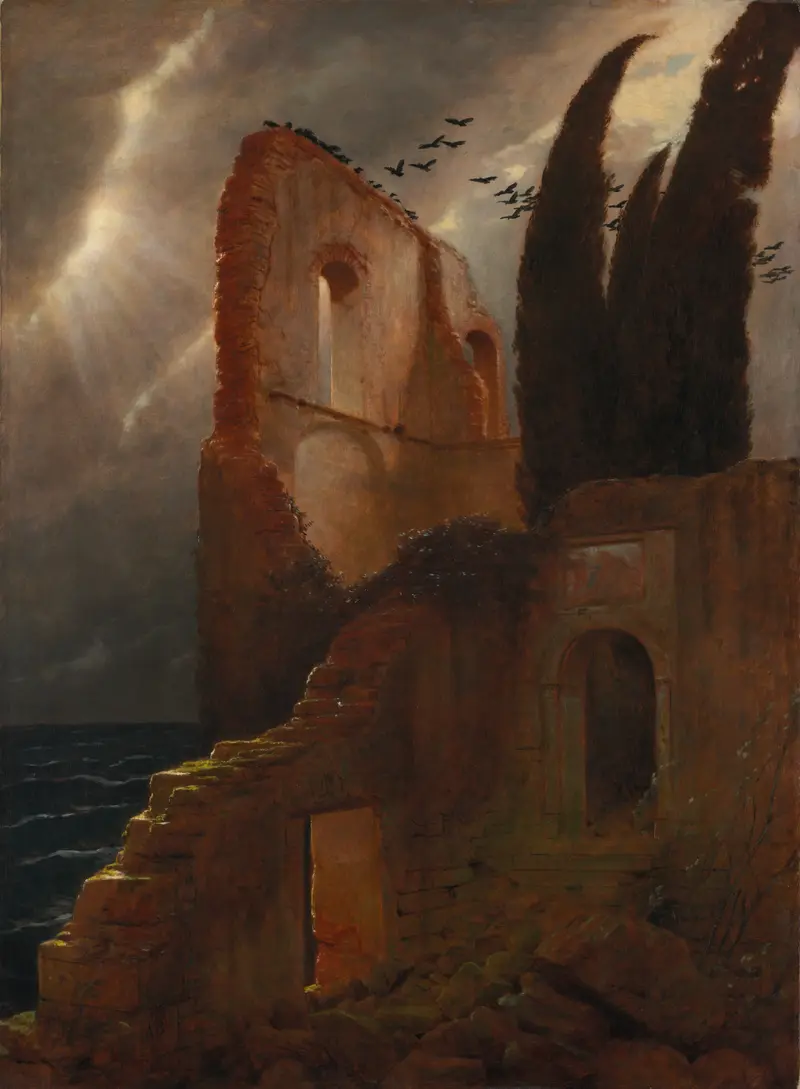
Ruin by the Sea
Arnold Böcklin
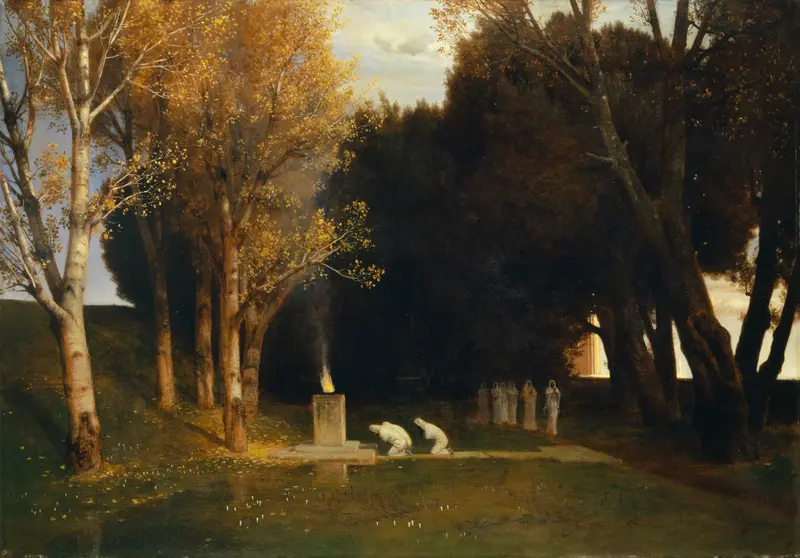
The Sacred Grove
Arnold Böcklin
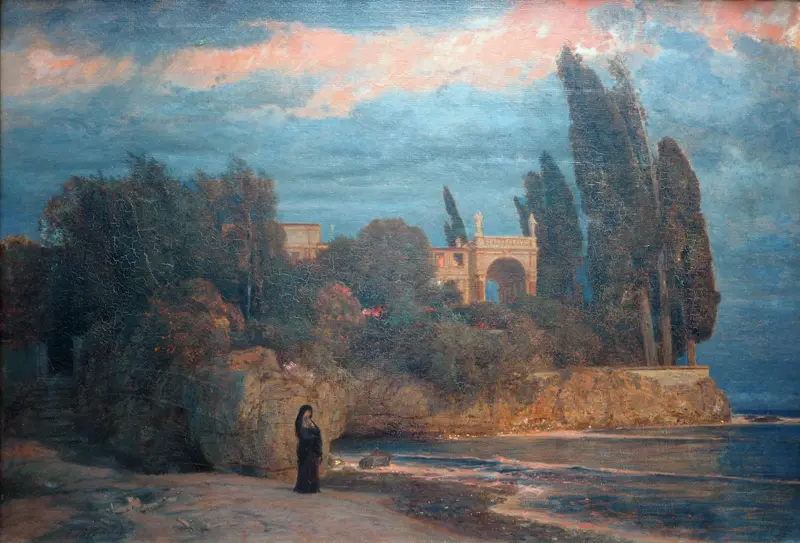
Villa by the Sea
Arnold Böcklin
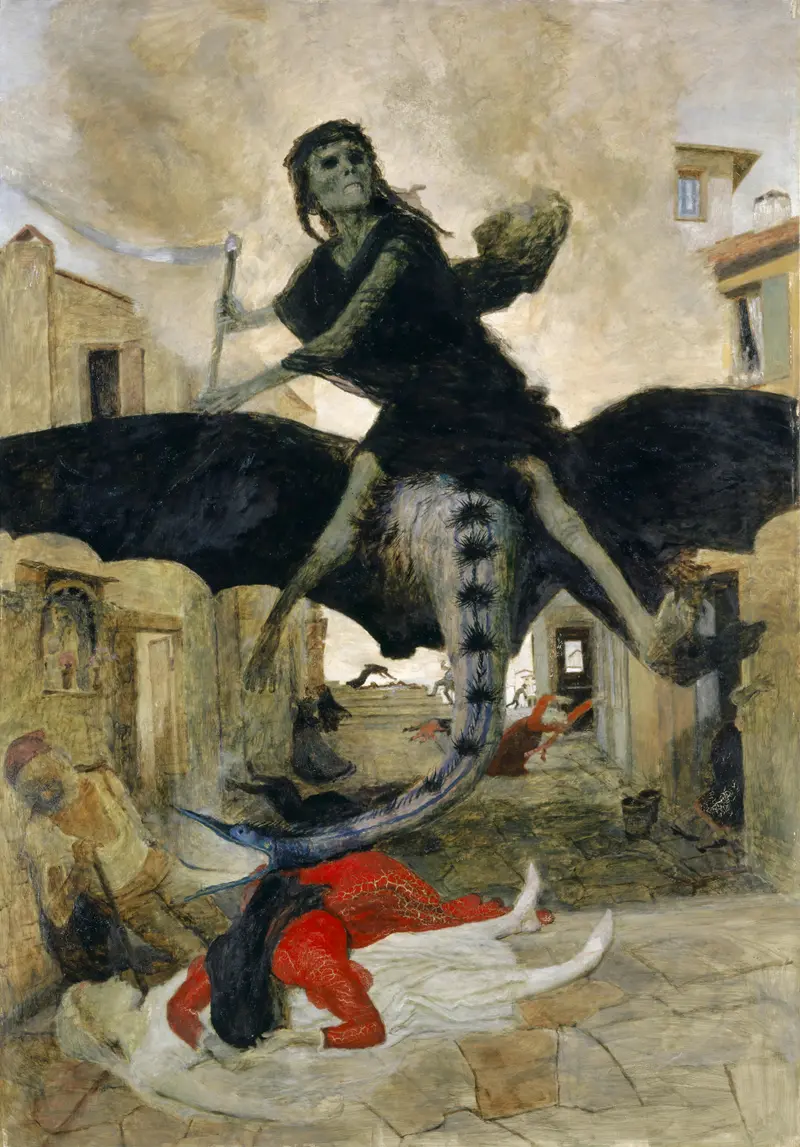
The Plague
Arnold Böcklin
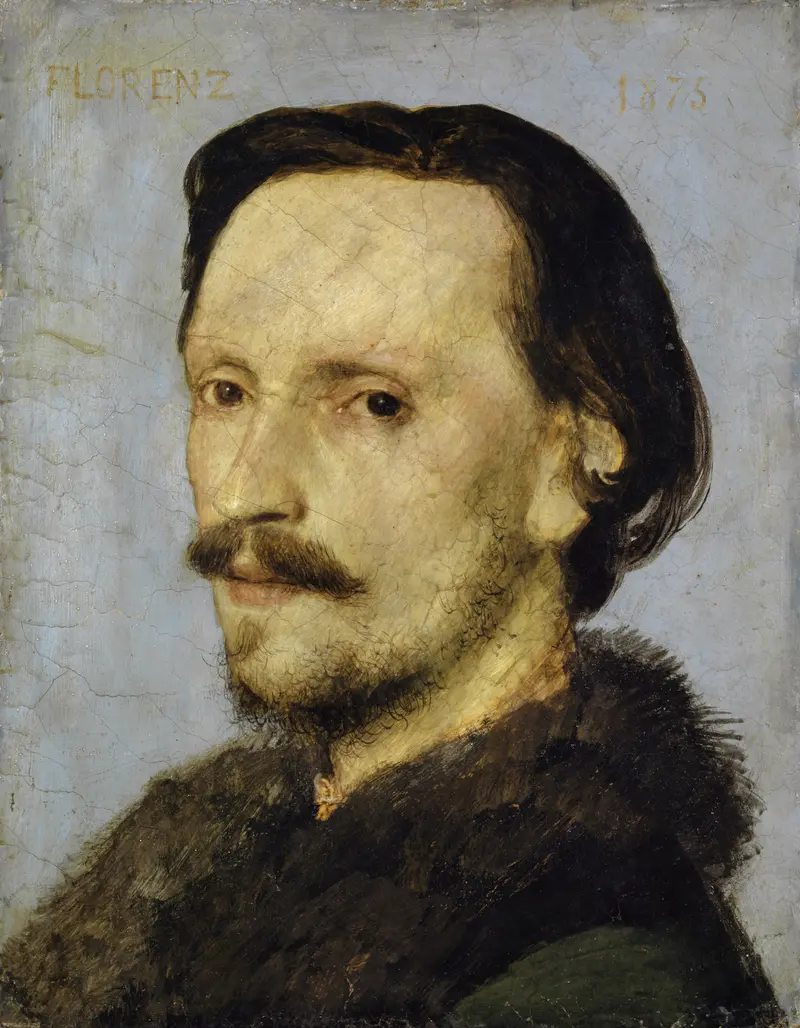
Böcklin Bildnis des Kunsthistorikers Adolph Bayersdorfer, 1875
Arnold Böcklin
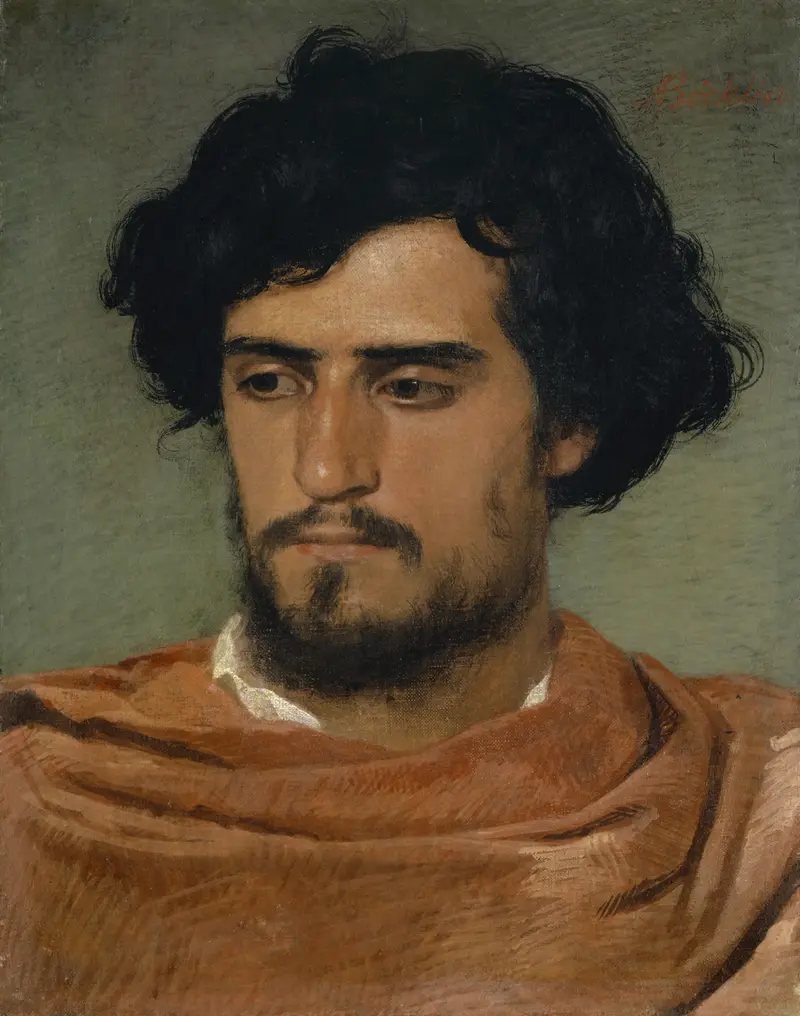
Head of a Roman
Arnold Böcklin
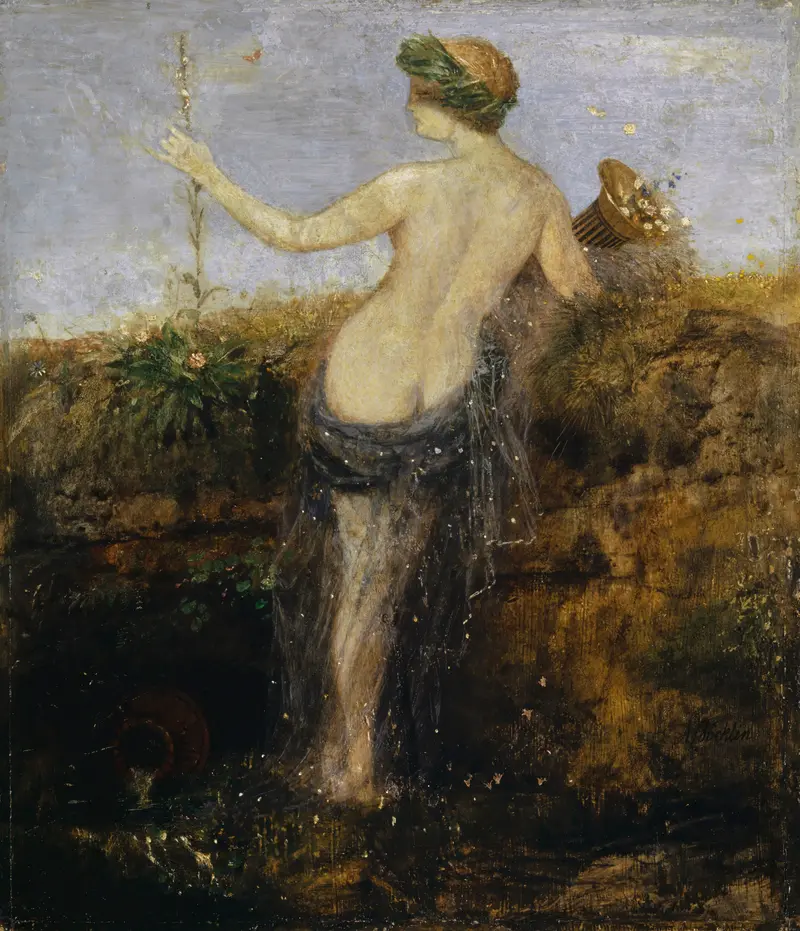
Nymphe with Horn of Plenty
Arnold Böcklin
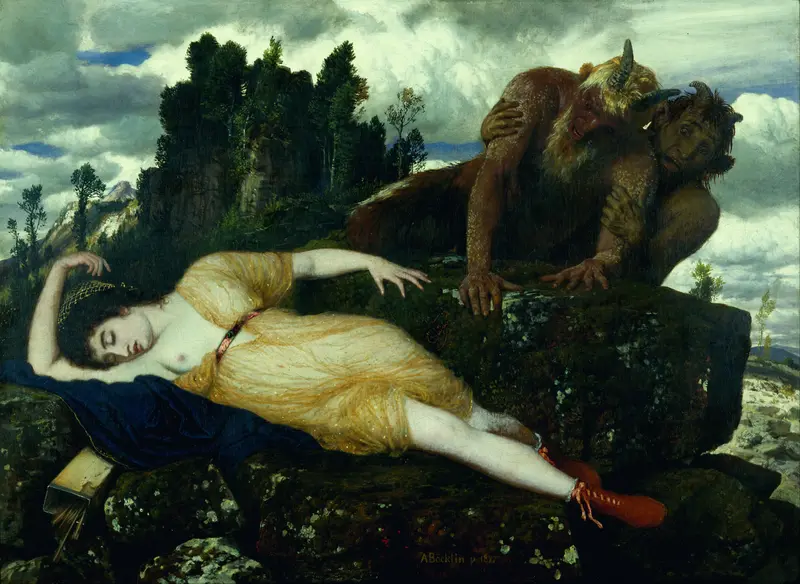
Sleeping Diana Watched by Two Fauns
Arnold Böcklin
Spring (Songs of Spring)
Arnold Böcklin





