
Sage — History & Facts
No one knows for certain who commissioned Sage by Katsushika Hokusai, but the year 1799 marks a turning point in the artist’s life: it was just before he adopted the name “Hokusai” and began his extraordinary journey through more than thirty pseudonyms. This work stands at the threshold of his mature style, a moment when he was experimenting restlessly with format and subject. The medium itself remains a mystery—whether a painting or a print, scholars still debate, as no definitive record survives.
Its earliest known mention appears in an 1820s inventory of Edo collectors, already prized as an example of “the old man mad about painting.” The sage sits in quiet contemplation, his robes flowing in gentle arcs that echo the curves of mountain streams. Hokusai chooses the moment of inward revelation rather than outward action: the figure’s downcast eyes and slightly parted lips suggest a mind turning over profound truths. A gnarled pine leans protectively over his head, a classic symbol of longevity and wisdom in Japanese art, while a small scroll clutched in one hand hints at the transmission of secret knowledge.
Unlike the more dramatic depictions of sages by Utagawa Kuniyoshi, who favored stormy landscapes and dynamic gestures, Hokusai’s scene is intimate, the sage’s serenity reflected in the soft, misty background. The physical history of Sage is as elusive as its subject. If it was originally a hanging scroll, as some believe, it would have been displayed in the private study of a literati patron, admired by a select circle. Over the centuries, the work passed quietly through the hands of collectors, surviving fires and earthquakes that destroyed so many Edo-period treasures.
Today, it is held in a private Japanese collection, rarely exhibited and studied mostly through old photographs and exhibition catalogues. For Hokusai, Sage marks an early experiment with the themes of wisdom and solitude that would later define his celebrated series, Thirty-Six Views of Mount Fuji.
More Artworks by Katsushika Hokusai

The Great Wave off Kanagawa
Katsushika Hokusai
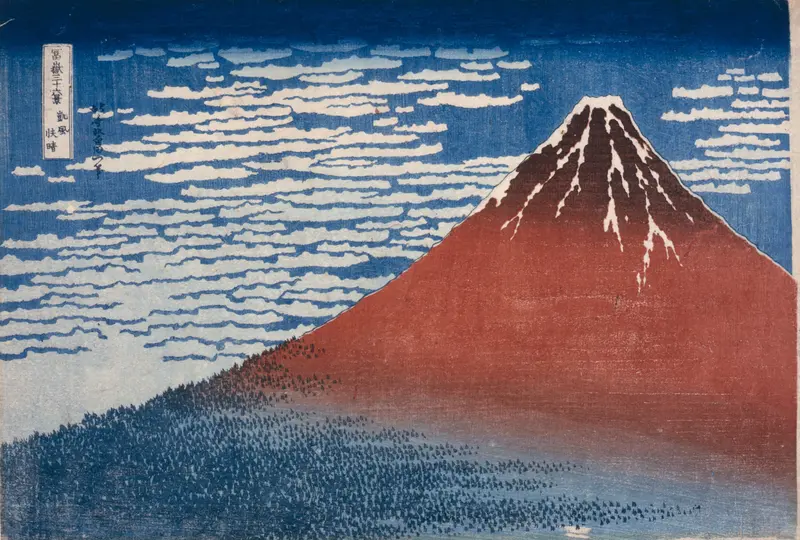
Fine Wind, Clear Morning (Red Fuji)
Katsushika Hokusai
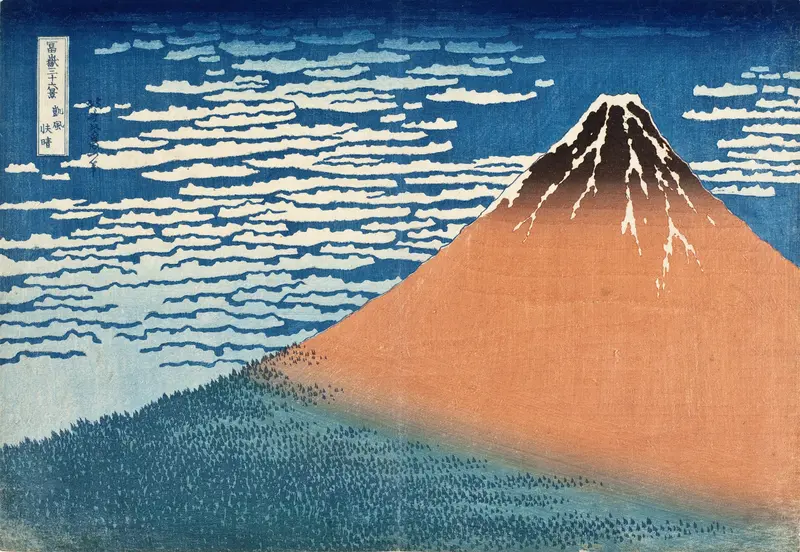
South Wind, Clear Dawn
Katsushika Hokusai
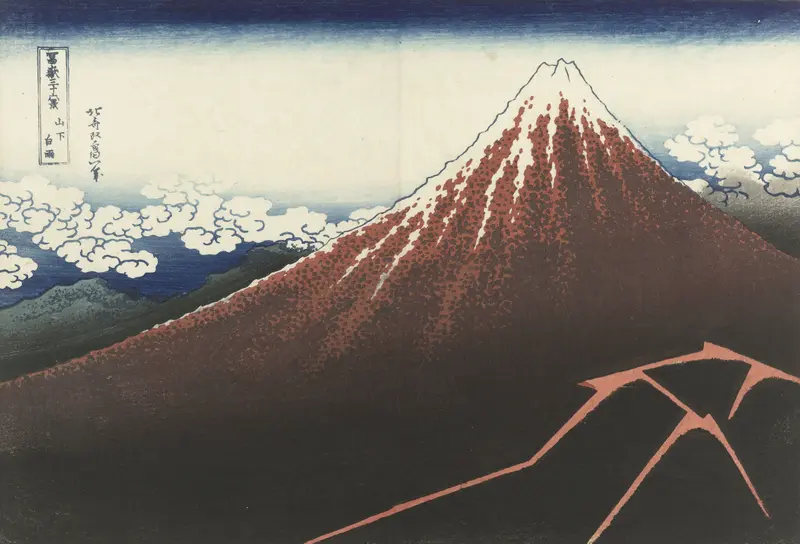
Rainstorm Beneath the Summit
Katsushika Hokusai
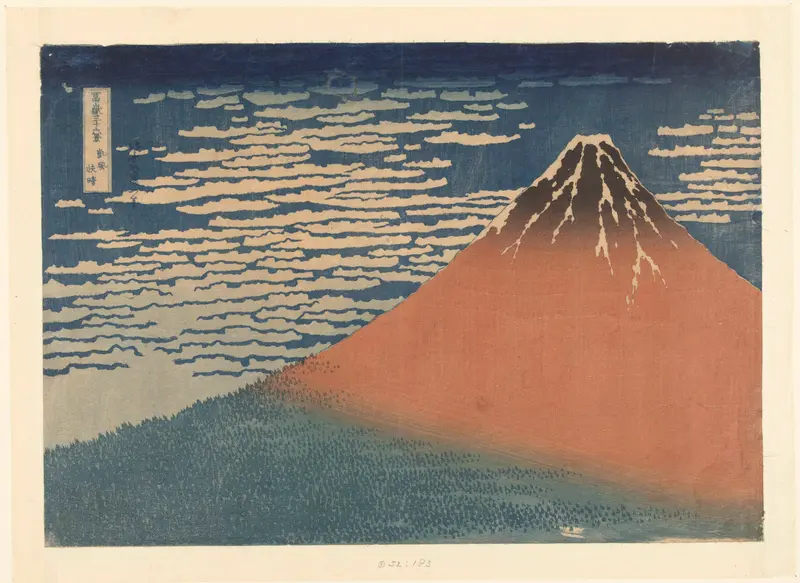
Clear Weather with a Southerly Wind
Katsushika Hokusai
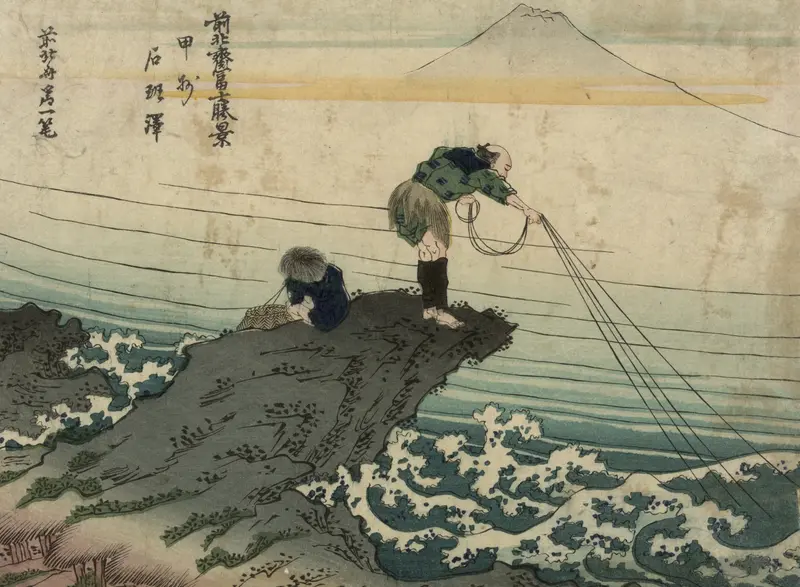
Kōshū kajikazawa
Katsushika Hokusai
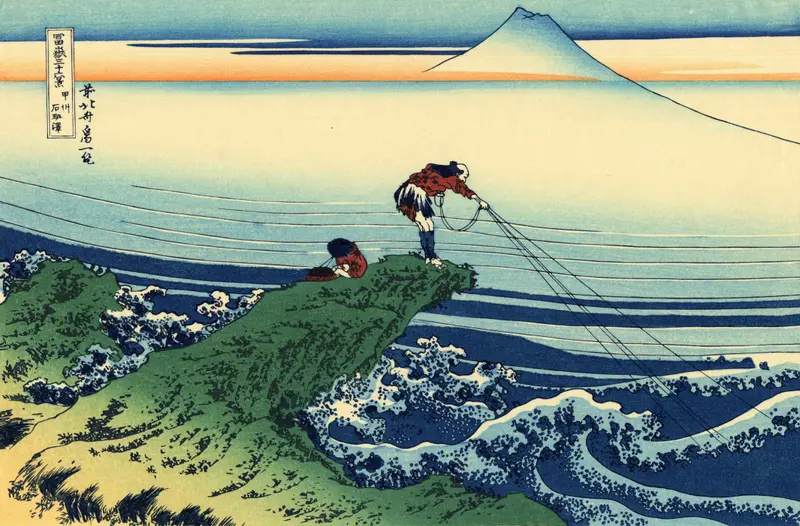
Kōshū kajikazawa 2
Katsushika Hokusai
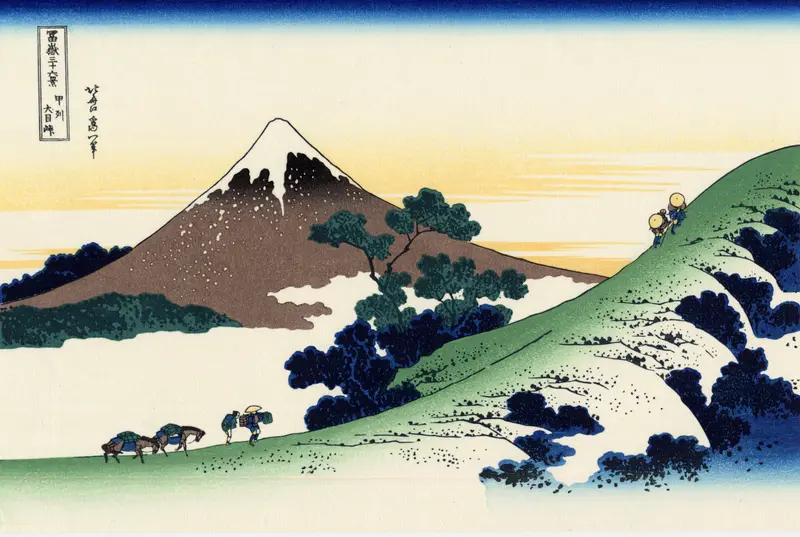
Inume Pass in Kai Province (Kôshû inume-tôge)
Katsushika Hokusai

Yoro Falls in Mino Province (Mino no Yoro no taki), from the series "A Tour of Waterfalls in Various Provinces (Shokoku taki meguri)"
Katsushika Hokusai
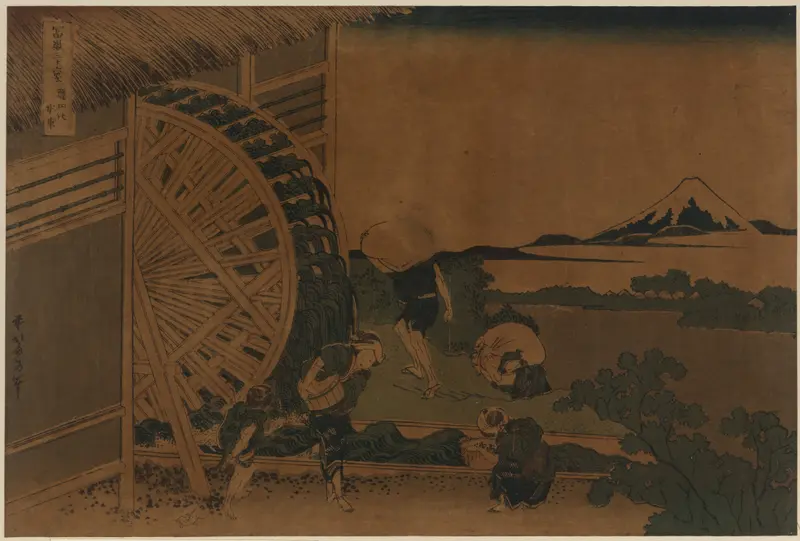
Onden no suisha
Katsushika Hokusai



