
Sail Boats — History & Facts
A crisp geometry of sails and rigging draws the viewer into Sail Boats, where the calm bustle of a harbor scene unfolds beneath an enormous, cloudless sky. The eye is caught first by the brilliant white sail at center right, its sharp triangle glowing against the muted water and sky, then led to the decorative streamers and flags that festoon the largest vessel—a clear sign of festivity or maritime pride. Every mast, rope, and hull is rendered with a clarity that invites close inspection: notice how the reflections ripple just enough to suggest gentle movement, how the boats’ arrangement creates a lively dialogue between foreground and distance.
The artist’s touch is visible in the careful balancing of light and shadow, turning the harbor into both a place of work and a stage for spectacle. Painted after 1877, this work belongs to a period when American artists like Albert Bierstadt were captivated by scenes of everyday industry and leisure along the nation’s waterways. While Bierstadt is best known for his sweeping landscapes of the American West, here he turns his attention to the quieter drama of the coast, reflecting a broader late nineteenth-century fascination with modernity and travel. Such harbor scenes were often commissioned by collectors who wanted reminders of prosperity, progress, or personal connection to maritime life.
Now in the collection of the Museum of Fine Arts, Boston, Sail Boats stands as a record of both a vanished era and an artist’s curiosity about the changing face of America—inviting us to look again at the details that animate even the most tranquil view.
More Artworks by Albert Bierstadt

A Storm in the Rocky Mountains, Mt. Rosalie
Albert Bierstadt
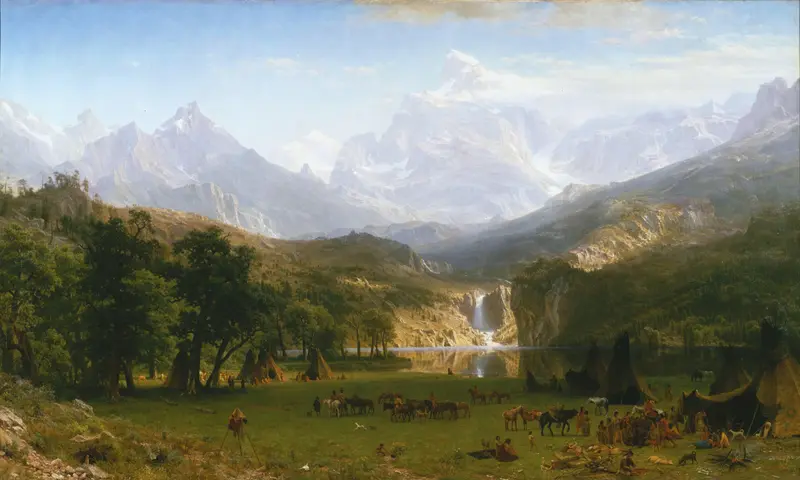
The Rocky Mountains, Lander's Peak
Albert Bierstadt
Niagara from the American Side
Albert Bierstadt
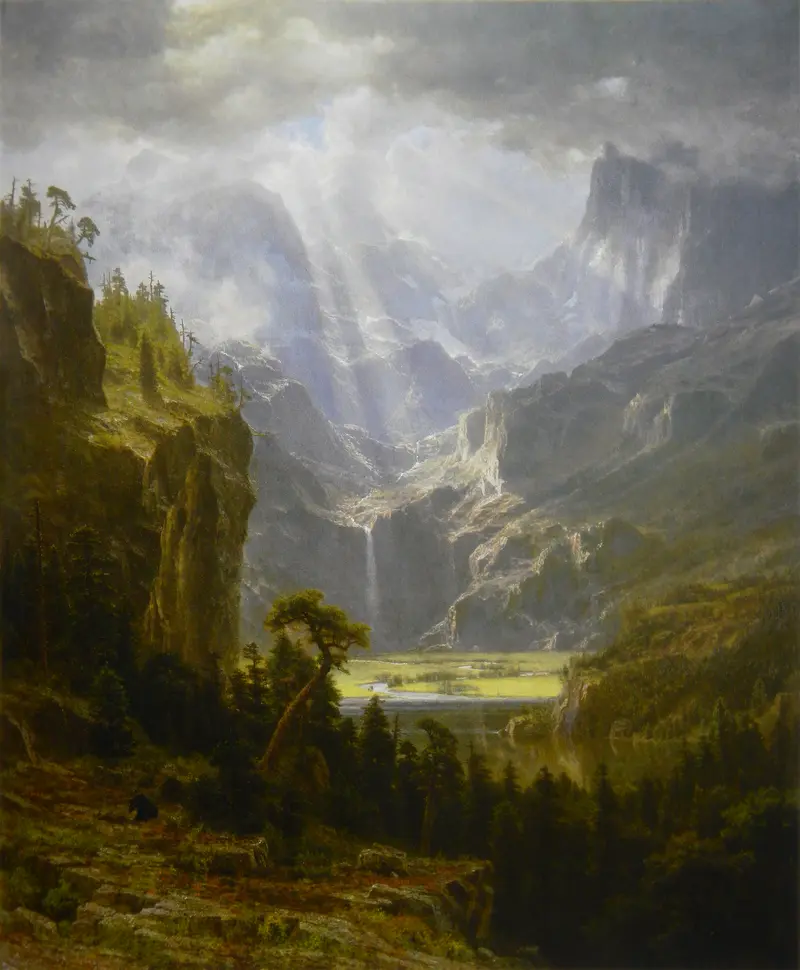
Rocky Mountains, Lander’s Peak
Albert Bierstadt

Valley of the Yosemite
Albert Bierstadt
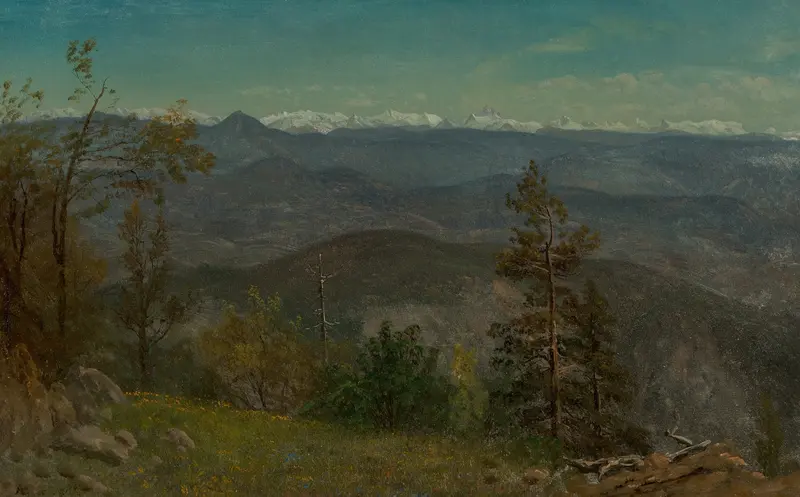
Yosemite Valley, California
Albert Bierstadt
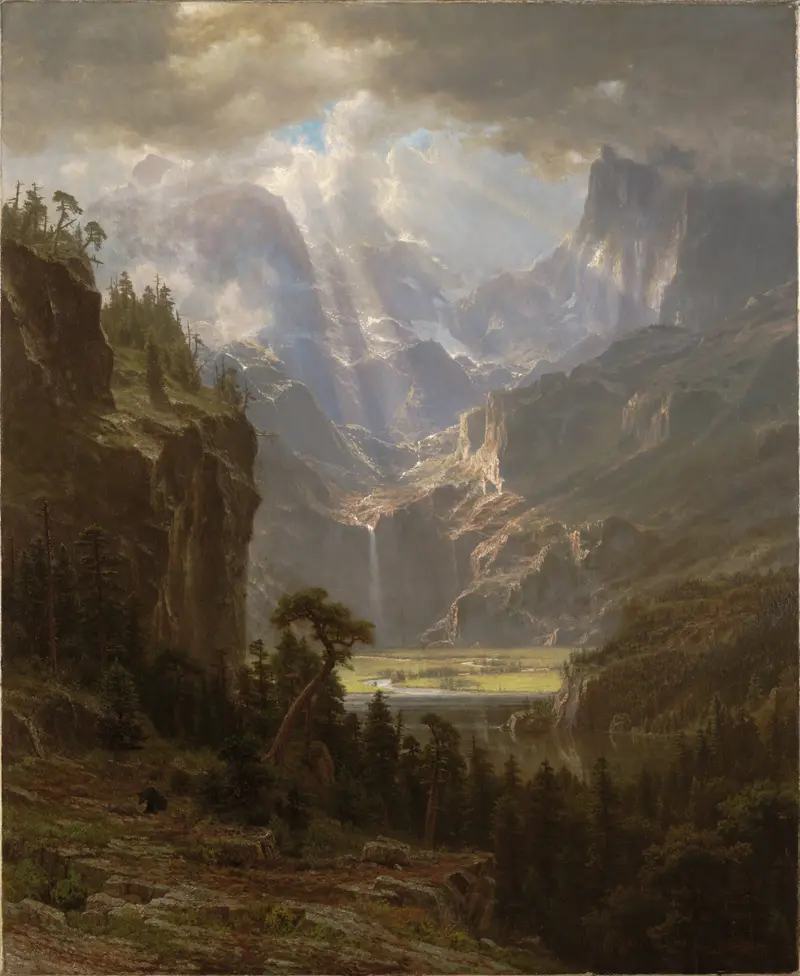
Rocky Mountains, "Lander's Peak"
Albert Bierstadt

Laramie Peak
Albert Bierstadt
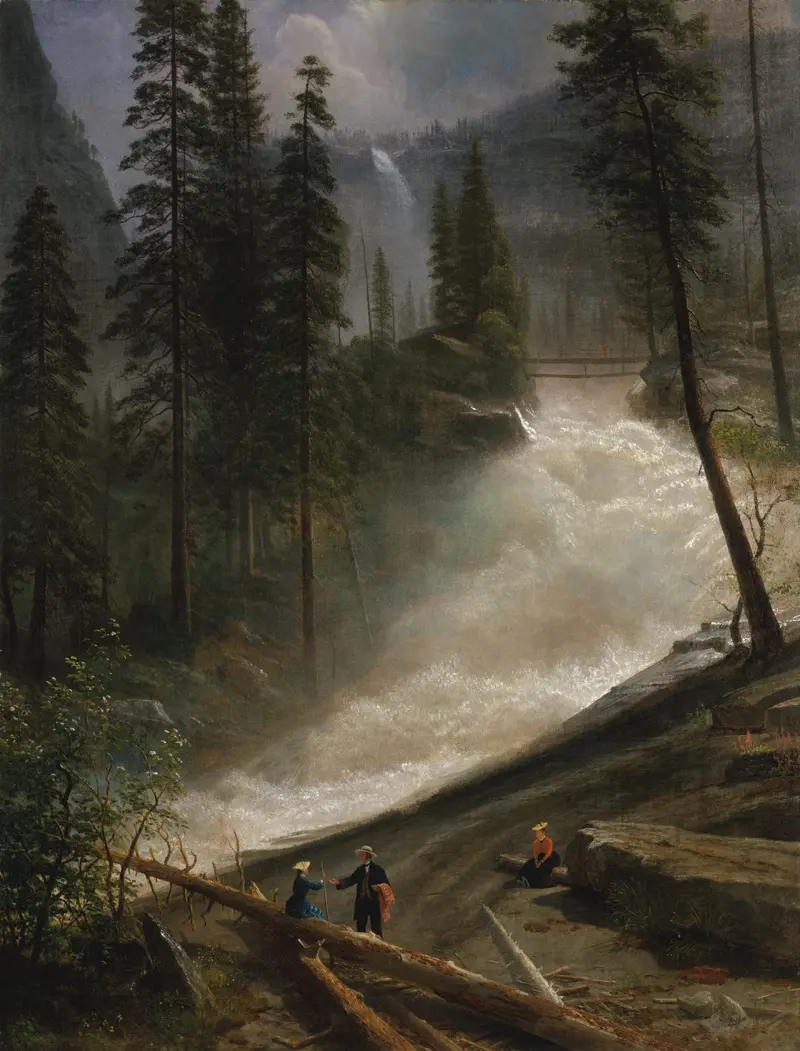
Nevada Falls, Yosemite
Albert Bierstadt
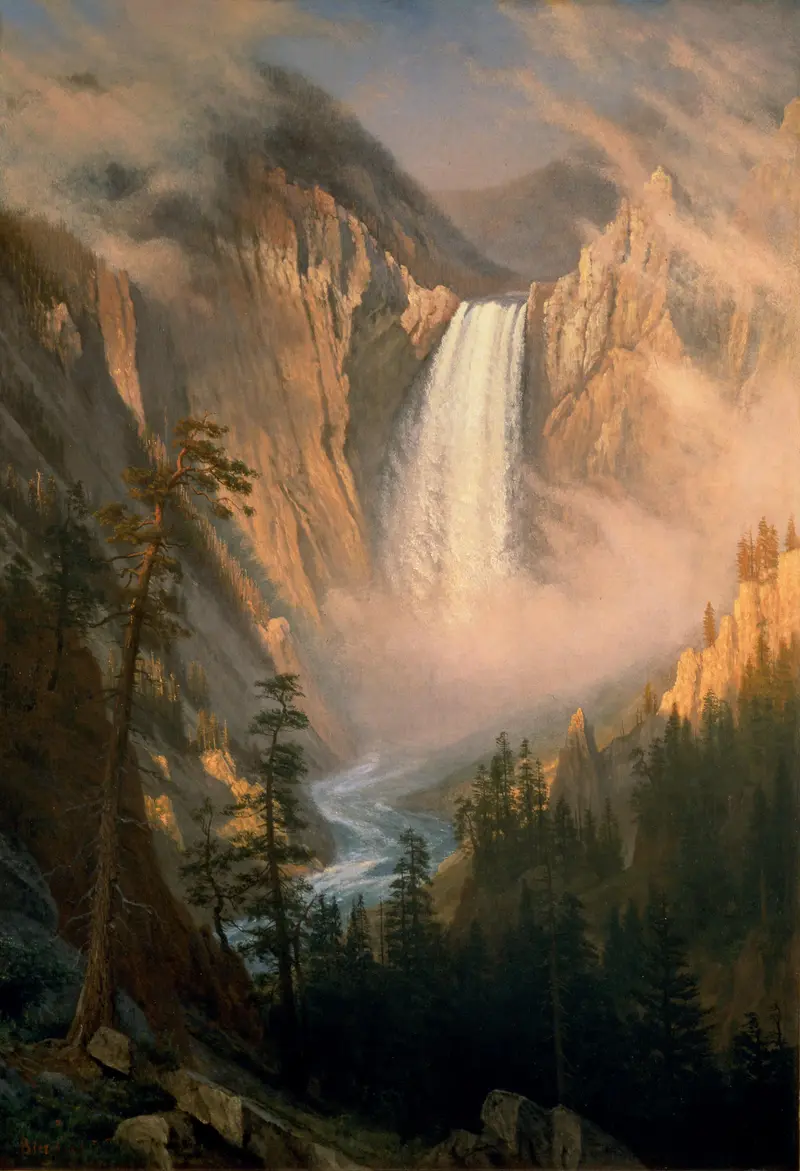
Yellowstone Falls
Albert Bierstadt





