
Saint Augustine in His Cell — History & Facts
Few paintings have sparked as much debate among scholars as Saint Augustine in His Cell by Sandro Botticelli, created around 1490. The work’s authorship and original purpose have been questioned for centuries, with some suggesting it was once part of a series for a Florentine monastery, while others point to its unusual composition as evidence of a private commission. The painting’s pensive mood stands apart from Botticelli’s more famous mythological scenes, and its focus on an intellectual saint rather than a dramatic narrative has intrigued viewers since the Renaissance. At the heart of the image, Saint Augustine sits surrounded by books and writing tools, his gaze fixed on an unseen point beyond the cell’s walls.
Botticelli captures the saint at the moment of contemplation, perhaps wrestling with the mysteries of faith and reason that defined Augustine’s writings. The scattered books and the hourglass at his side signal the weight of learning and the passage of time, while the narrow window suggests both confinement and spiritual illumination. Unlike Carpaccio’s bustling depictions of scholars, Botticelli’s Augustine is solitary, the light falling gently on his face as if to mark the moment of inspiration or doubt. The painting’s early history is shrouded in uncertainty, as no direct records of its commission survive.
Its style and subject suggest it was made for a learned patron or religious institution in Florence, during a period when Botticelli was exploring more introspective themes. Over time, the work passed through private collections before entering the public eye, and today it is recognized as a rare example of Botticelli’s engagement with theological subjects. Its quiet intensity offers a counterpoint to the artist’s better-known mythological works, revealing another facet of his creative world.
More Artworks by Sandro Botticelli
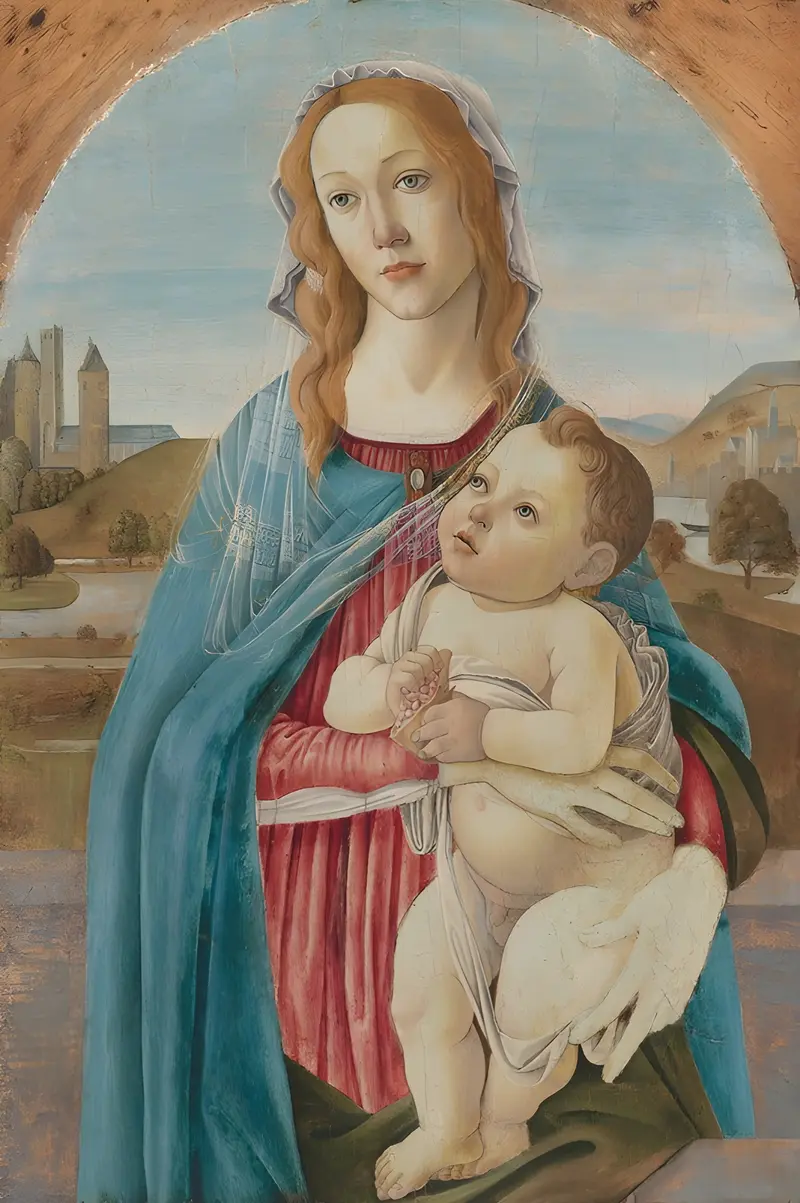
Virgin and Child
Sandro Botticelli
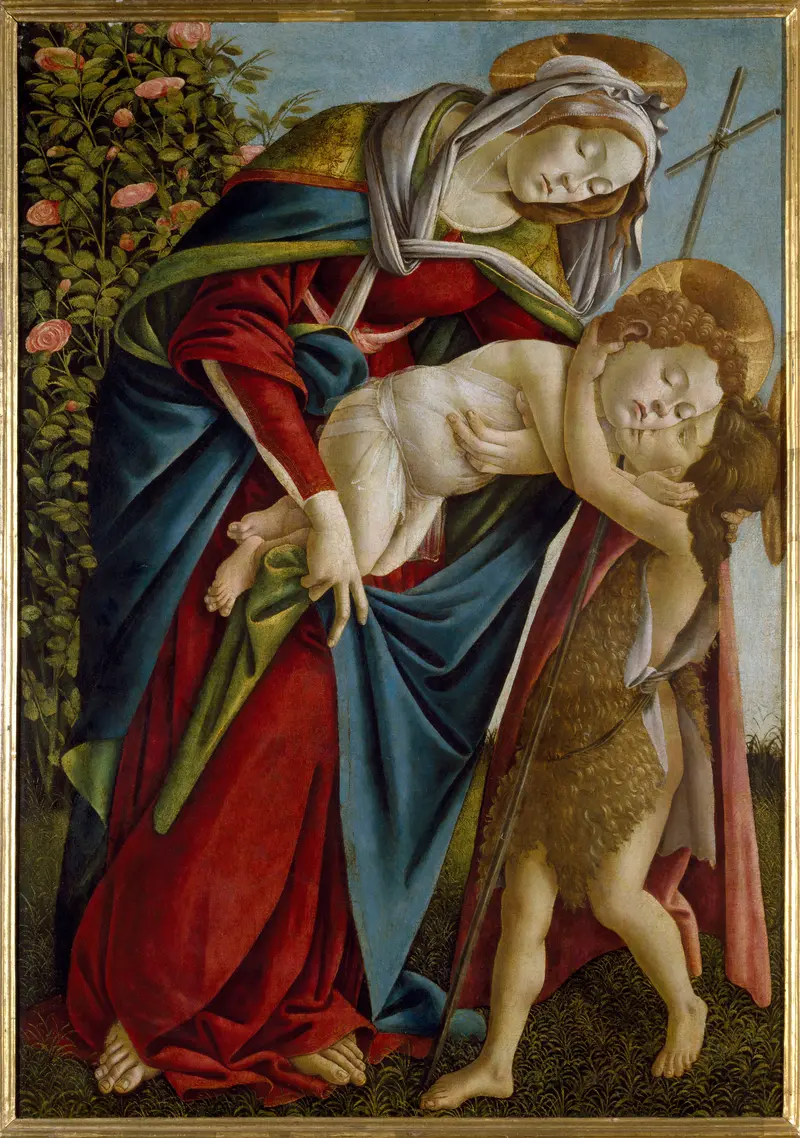
Madonna and Child and the Young St John the Baptist
Sandro Botticelli
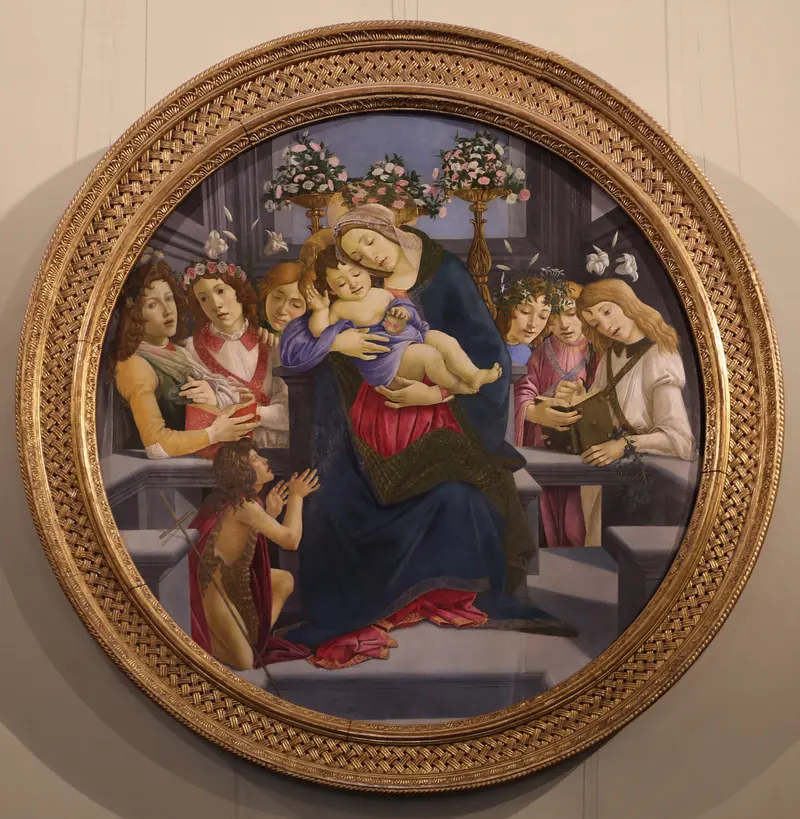
Madonna and Child with six angels and Saint John the Baptist as Child
Sandro Botticelli
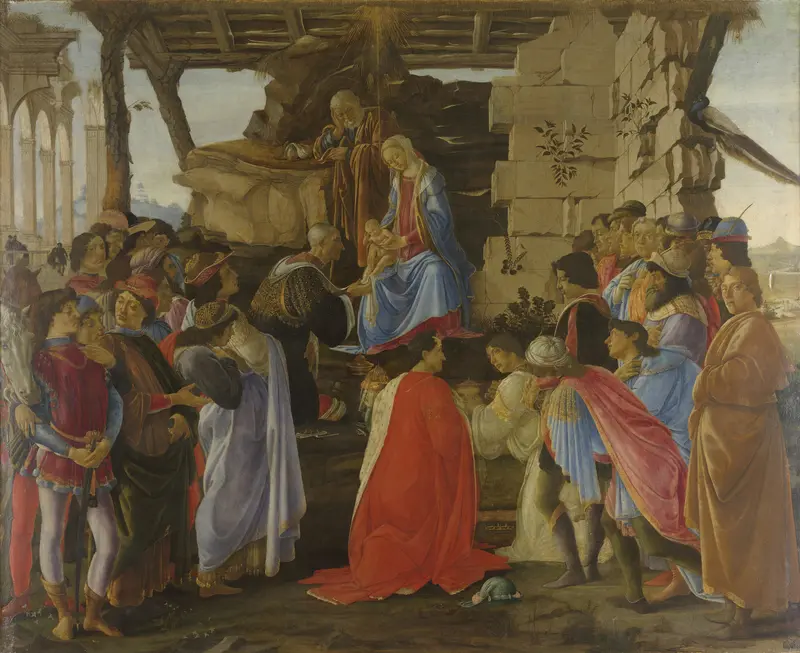
Adoration of the Magi
Sandro Botticelli

Virgin and Child with the Young Saint John the Baptist
Sandro Botticelli
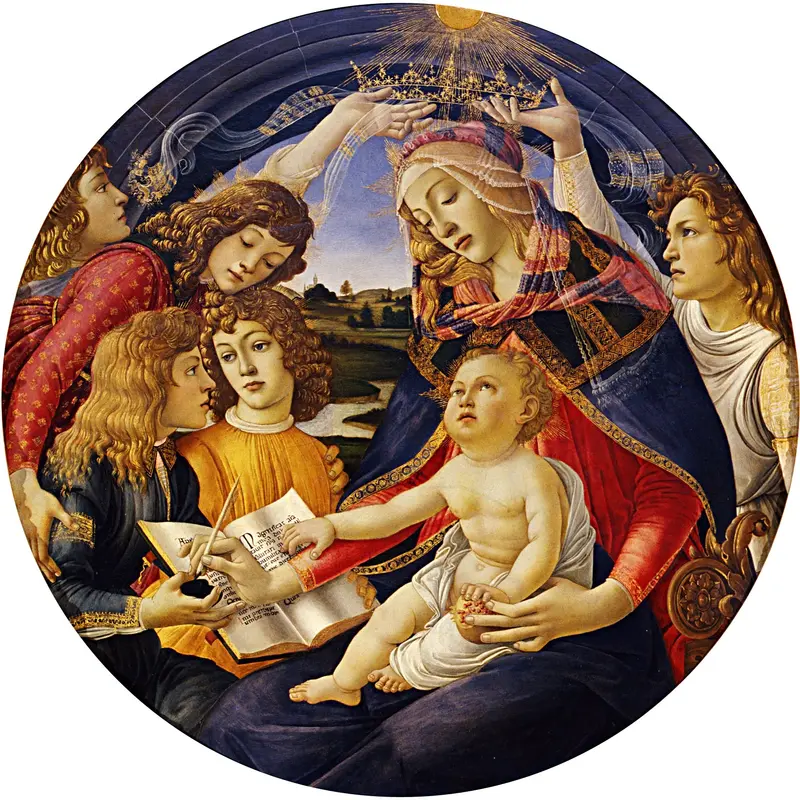
Madonna of the Magnificat
Sandro Botticelli
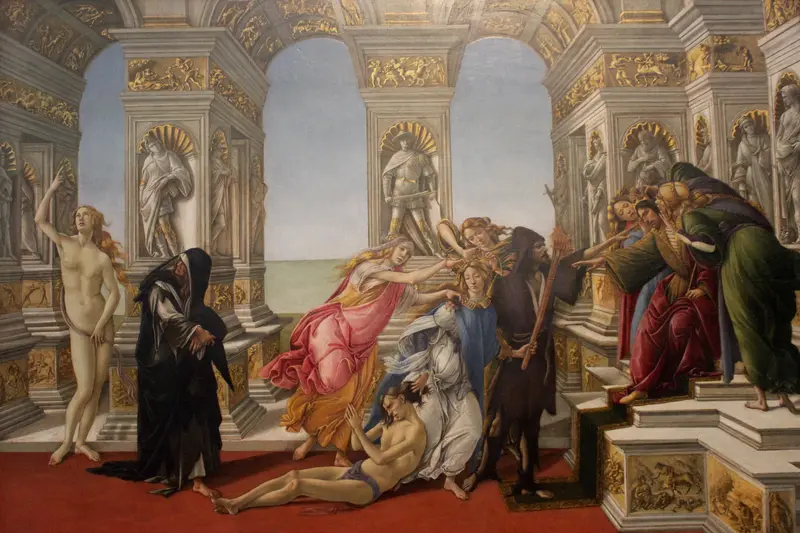
Calumny of Apelles
Sandro Botticelli
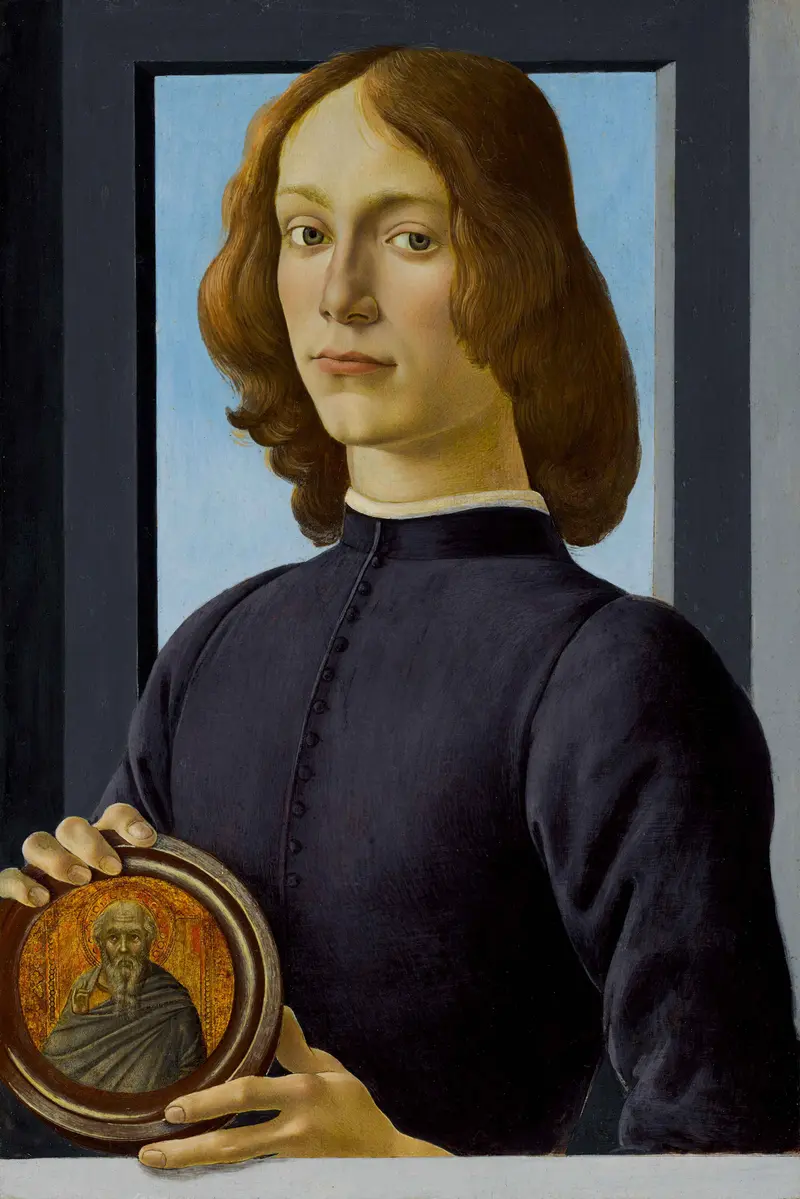
Portrait of a young man holding a roundel
Sandro Botticelli

The Trinity with Saint Mary Magdalene and Saint John the Baptist, the Archangel Raphael and Tobias
Sandro Botticelli
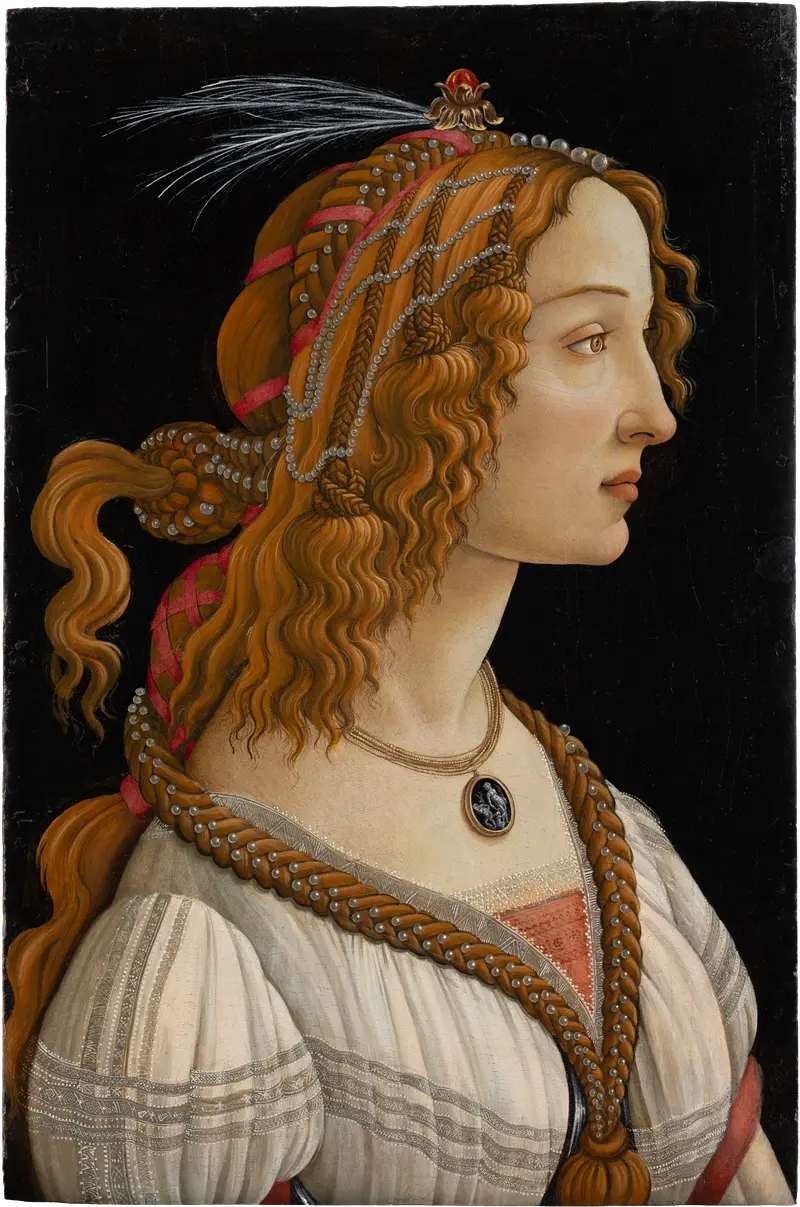
Idealized Portrait of a Lady (Portrait of Simonetta Vespucci as Nymph)
Sandro Botticelli





