
Saint Catherine of Alexandria — History & Facts
When Artemisia Gentileschi painted Saint Catherine of Alexandria around 1630, she made a bold choice: she used her own likeness for the saint’s face. This act was more than artistic license—it was a statement. In an era when women painters were rare and their reputations fragile, Artemisia’s identification with Catherine, a learned woman who defied authority, was both personal and public.
The painting stands as a testament to Artemisia’s self-awareness and her determination to claim a place in the male-dominated world of Baroque art. The moment captured is one of serene defiance. Catherine, the legendary 4th-century princess and scholar, is shown just before her martyrdom, refusing to renounce her faith before the Roman emperor. Her hand rests on the spiked wheel—the instrument of her intended torture, which, according to legend, shattered at her touch.
The broken wheel, the martyr’s palm, and the regal crown at her feet are all visual clues to her story. Artemisia bathes the figure in a warm, golden light, emphasizing Catherine’s calm dignity, a choice that sets her apart from the more dramatic, even brutal, interpretations by artists like Caravaggio. The early history of Saint Catherine of Alexandria is not fully documented, but scholars believe it was painted during Artemisia’s productive years in Naples, possibly for a private patron. Over the centuries, the painting’s attribution was occasionally questioned, but stylistic analysis and technical studies have confirmed Artemisia’s hand.
Today, it stands as a crucial example of her mature style—rich in color, psychologically complex, and unmistakably her own. The painting remains in a private collection, its journey reflecting both the challenges and the growing recognition of Artemisia’s legacy in the story of European art.
More Artworks by Artemisia Gentileschi

Judith Beheading Holofernes
Artemisia Gentileschi
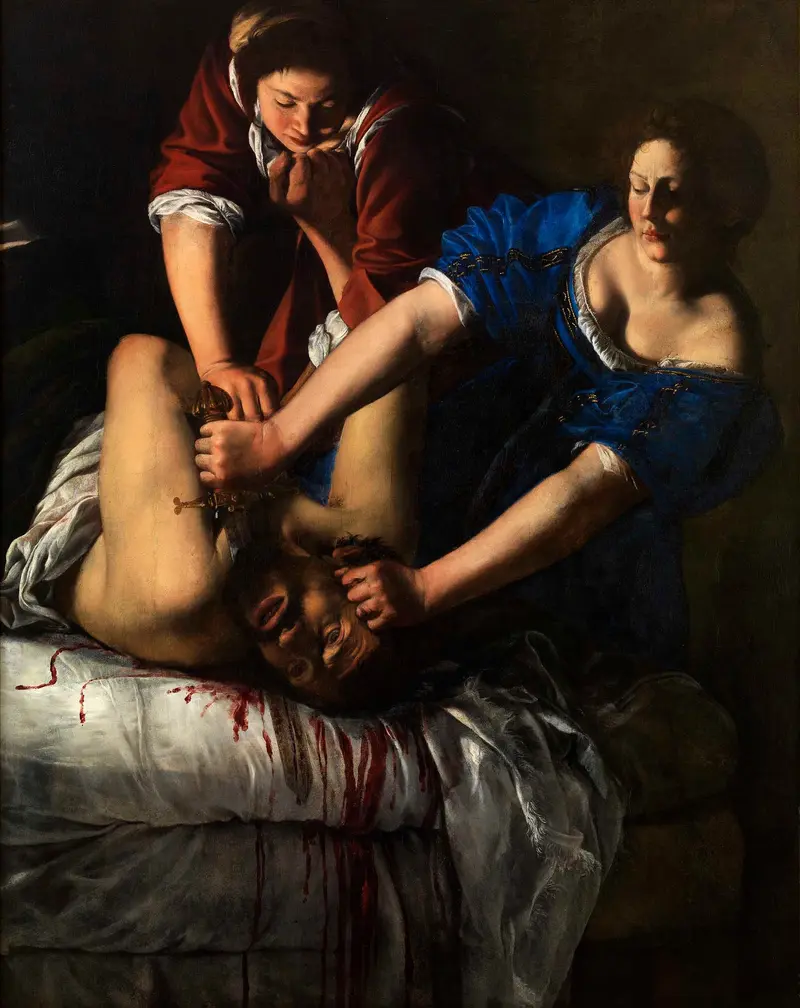
Judith Slaying Holofernes
Artemisia Gentileschi
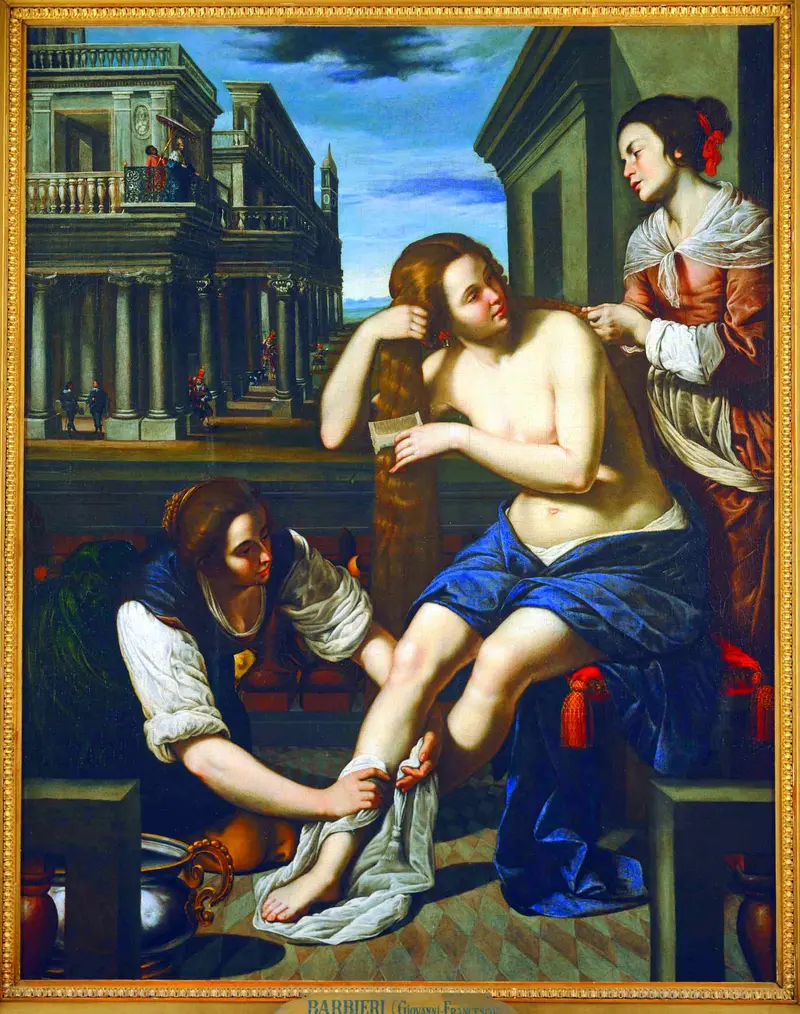
Bathsheba at Her Bath
Artemisia Gentileschi
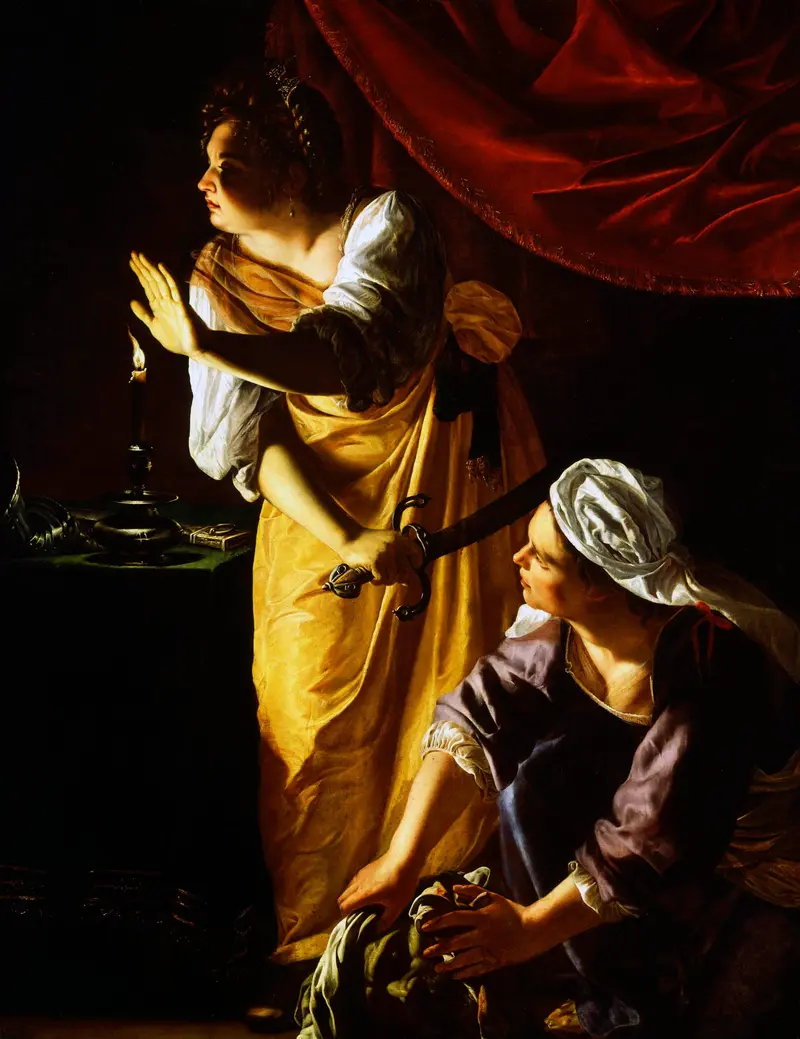
Judith and Maidservant with Head of Holofernes
Artemisia Gentileschi
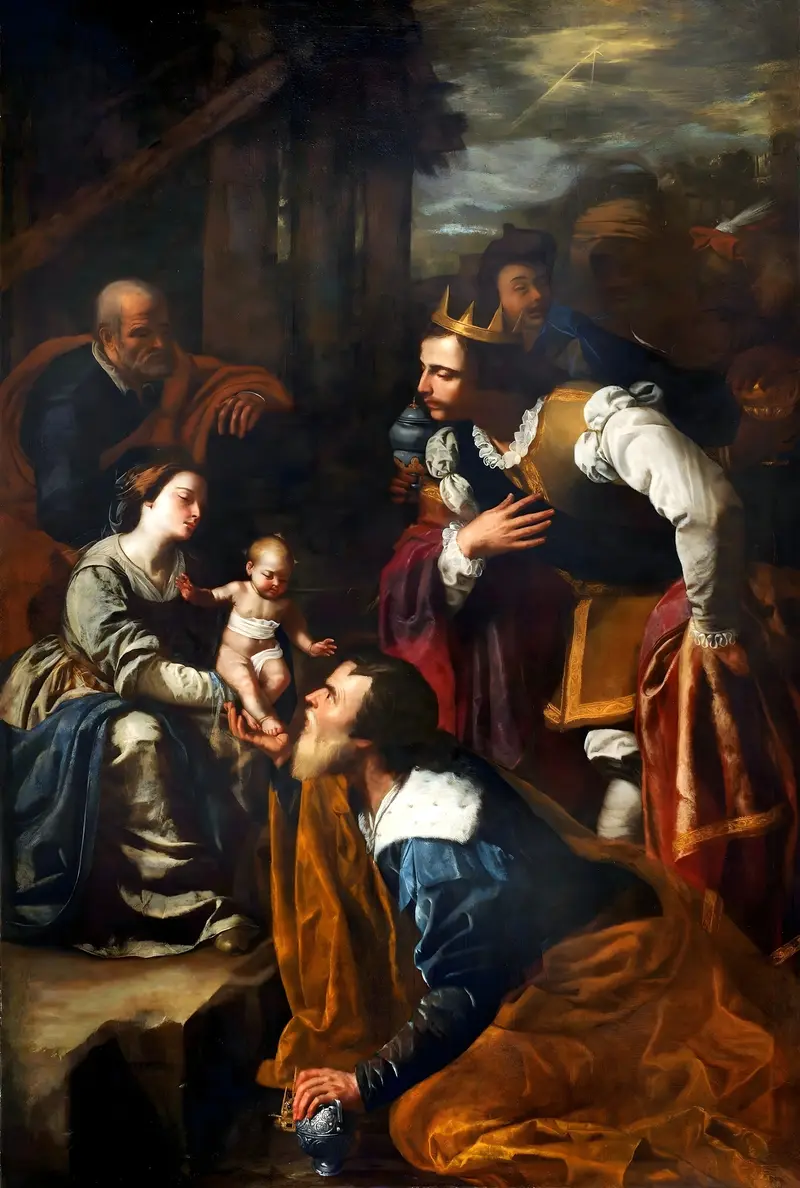
Adoration of the Magi
Artemisia Gentileschi
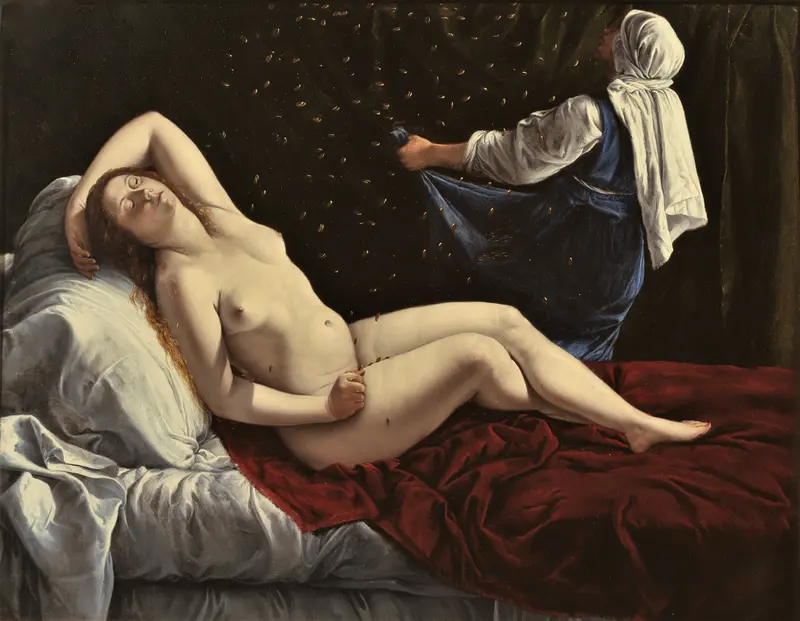
Danaë
Artemisia Gentileschi
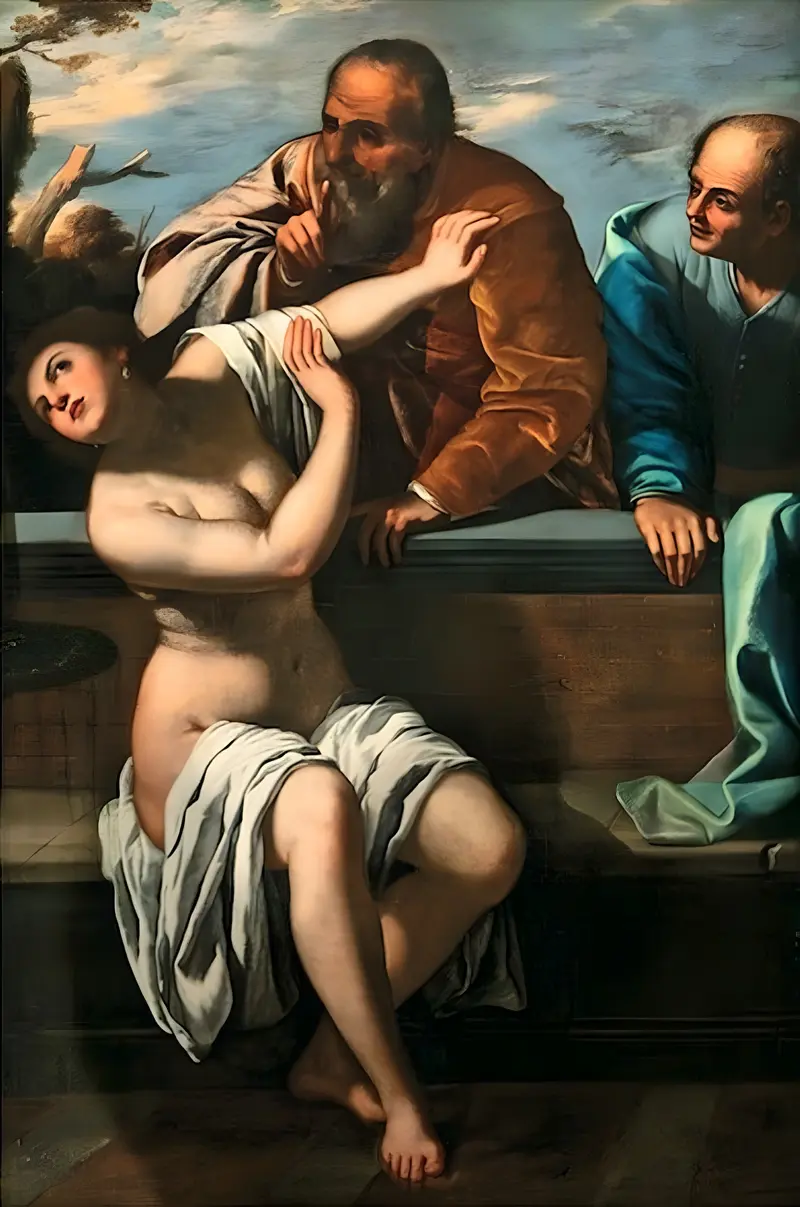
Susannah and the Elders
Artemisia Gentileschi

Judith and her Servant with the Head of Holofernes
Artemisia Gentileschi
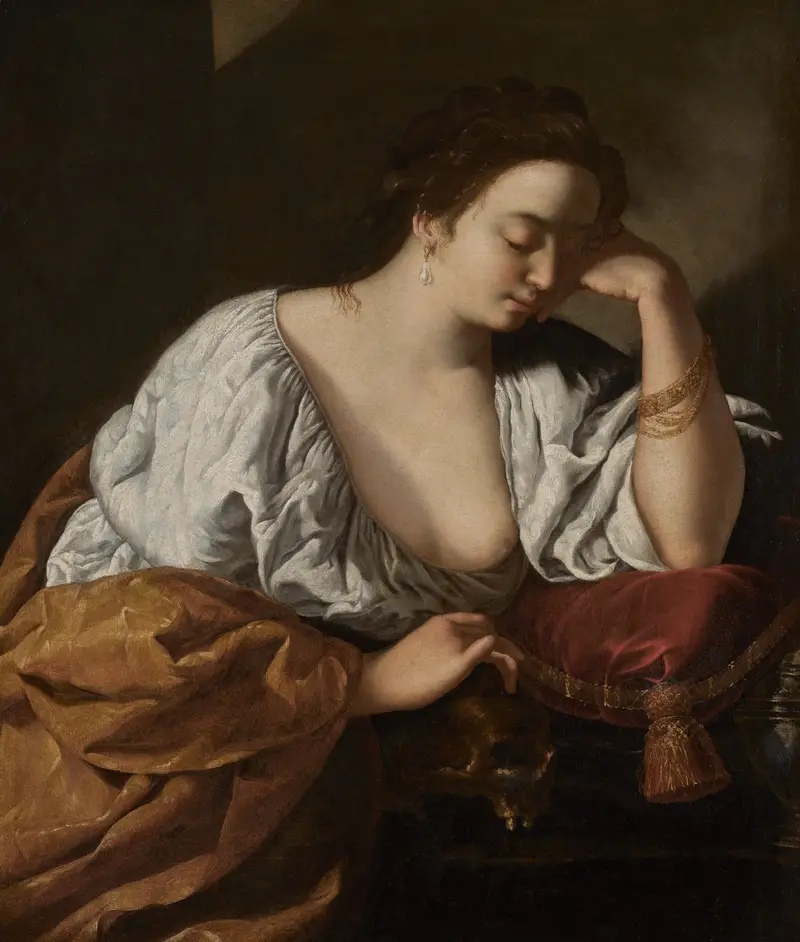
Madeleine pénitente, par
Artemisia Gentileschi

Portrait of a Gonfaloniere
Artemisia Gentileschi





