Discover insights about this artwork
Saint Francis of Assisi in Ecstasy — History & Facts
In Saint Francis of Assisi in Ecstasy, Caravaggio depicts Saint Francis in a moment of spiritual revelation. The painting features deep, rich colors, primarily earthy tones that evoke a sense of tranquility. Saint Francis is shown with his arms outstretched, surrounded by a soft light that highlights his figure against a dark background.
The setting is simple, emphasizing the saint's connection to nature and the divine. This painting is executed in oil on canvas, a common medium for Caravaggio. The artist's characteristic use of chiaroscuro is evident, with strong contrasts between light and shadow that create depth and drama. The brushwork is detailed, capturing the textures of Saint Francis's robes and the surrounding elements.
Viewers can appreciate the naturalism that Caravaggio brought to religious subjects. Caravaggio painted this work around 1595, during a time when he was exploring themes of spirituality and human emotion. This painting is significant as it reflects the artist's interest in portraying saints in a relatable manner, making them accessible to the viewer. An interesting fact about this work is that it was commissioned for a chapel dedicated to Saint Francis, highlighting the saint's importance in the Catholic tradition.
The painting remains a powerful example of Baroque art and Caravaggio's unique style.
More Artworks by Caravaggio
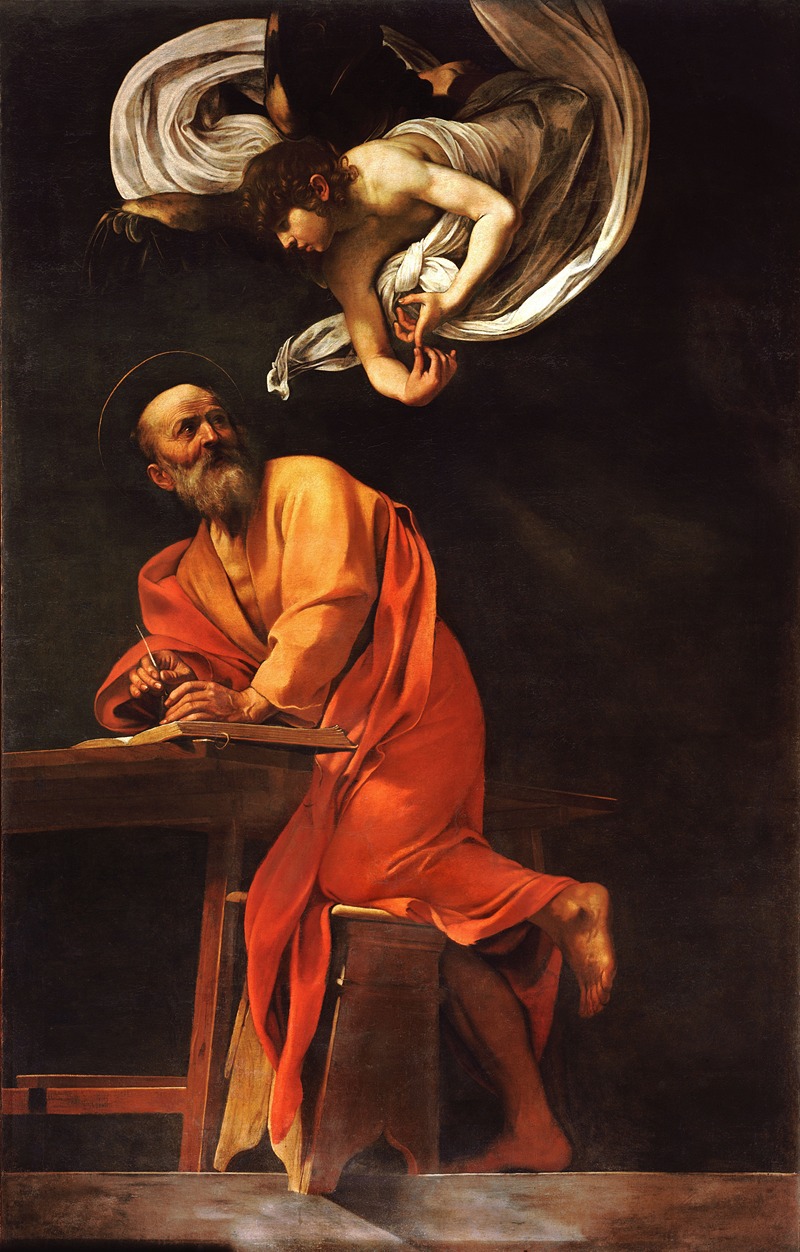
Saint Matthew and the angel
Caravaggio

Medusa
Caravaggio
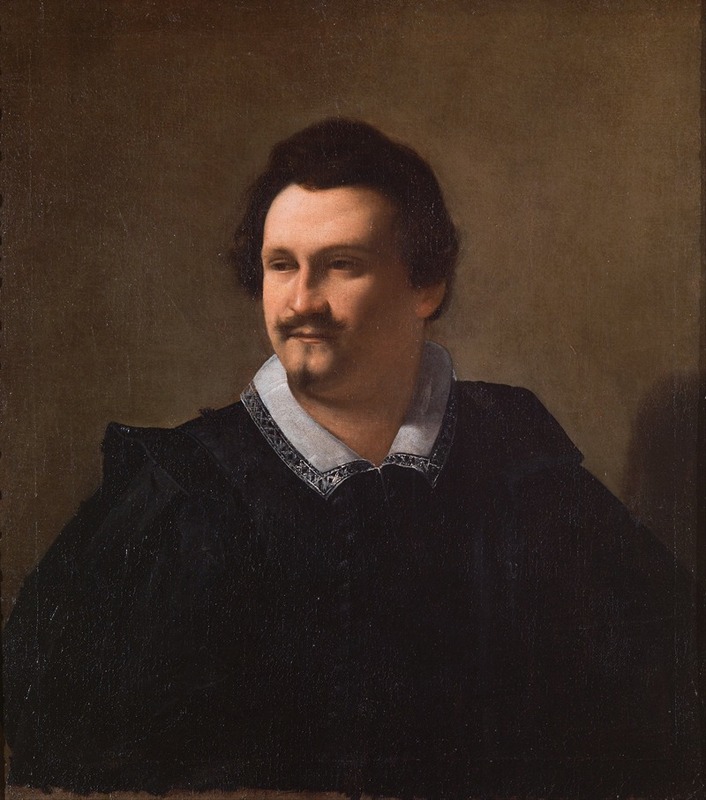
Portrait of a gentleman (Scipione Borghese)
Caravaggio
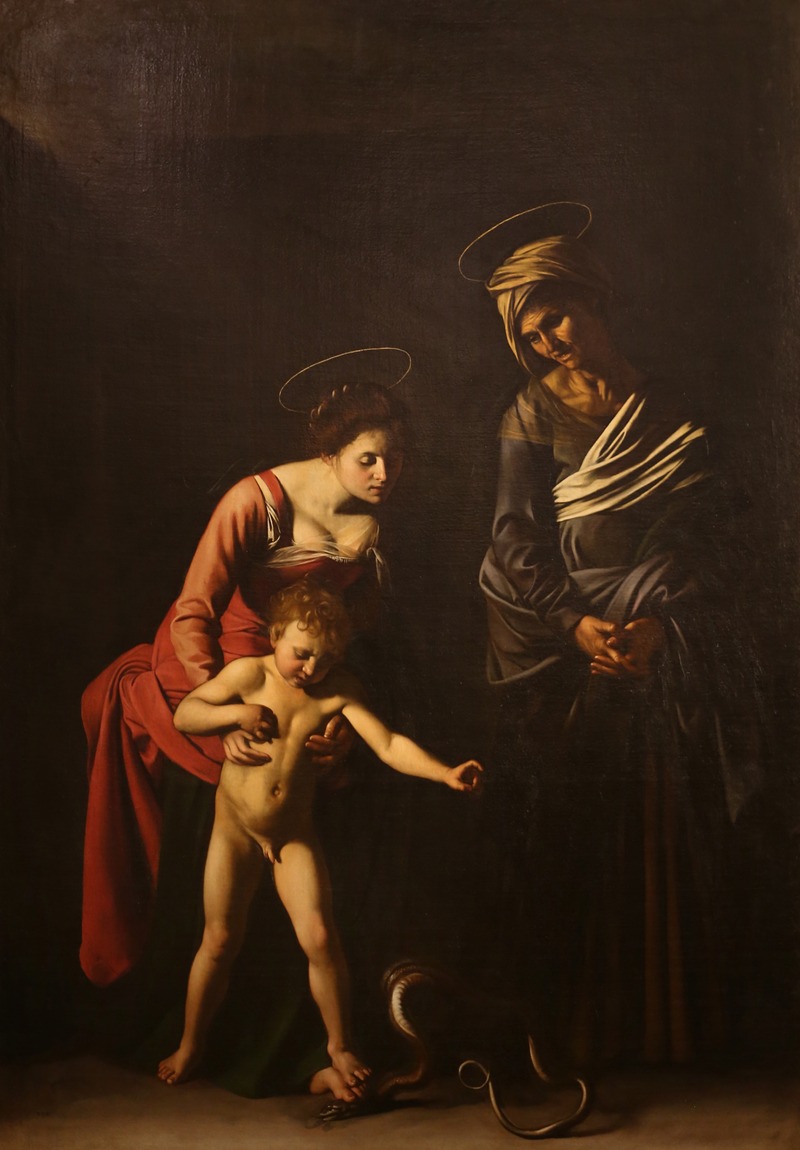
Madonna and Child with Saint Anne
Caravaggio
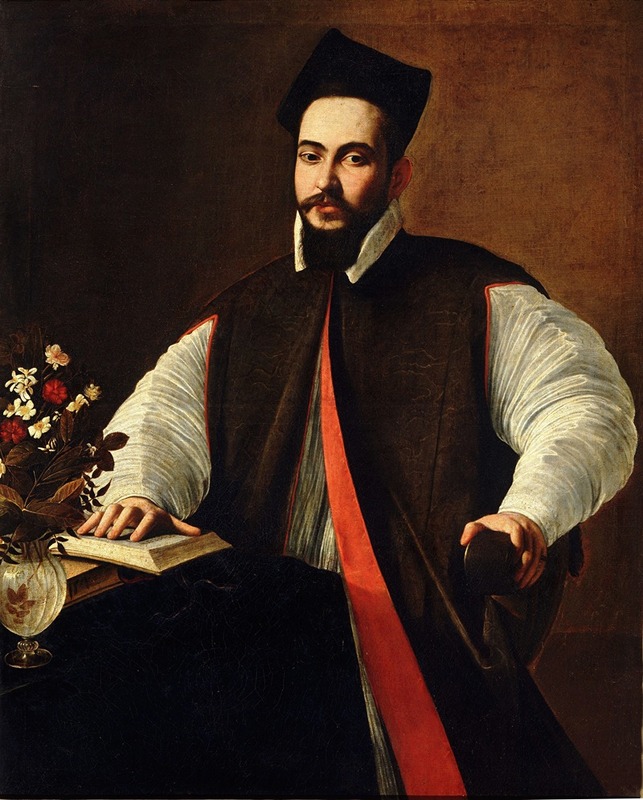
Portrait of Pope Urban VIII
Caravaggio
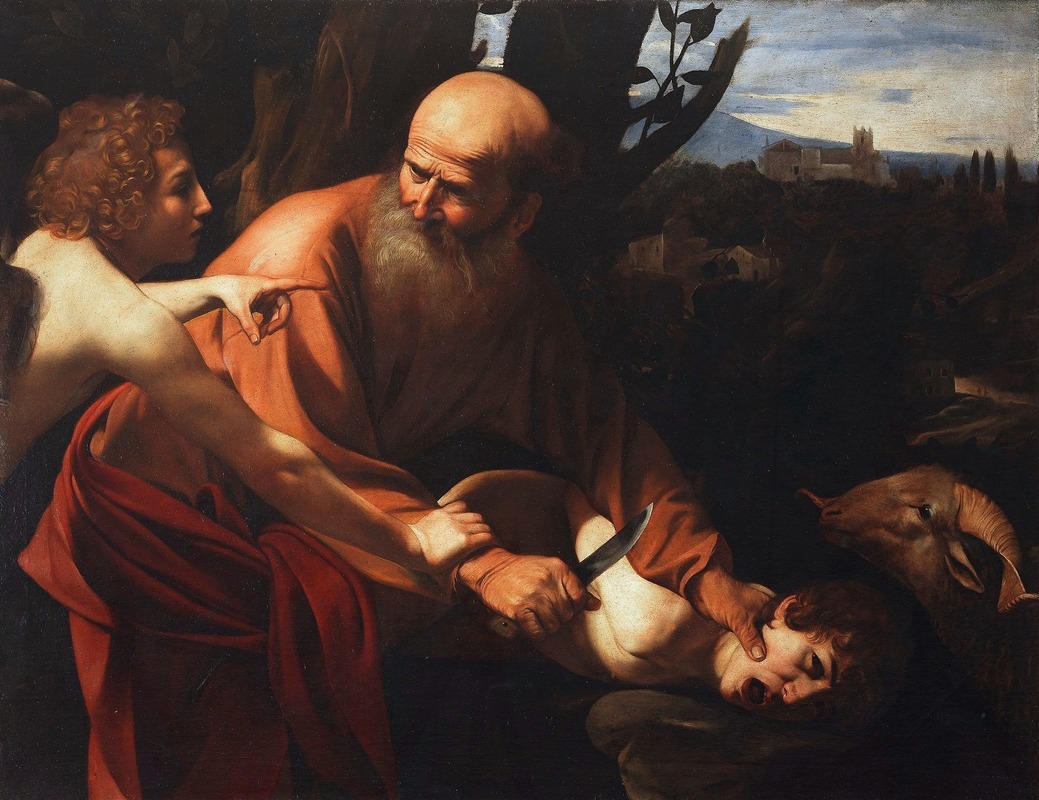
Sacrifice of Isaac
Caravaggio
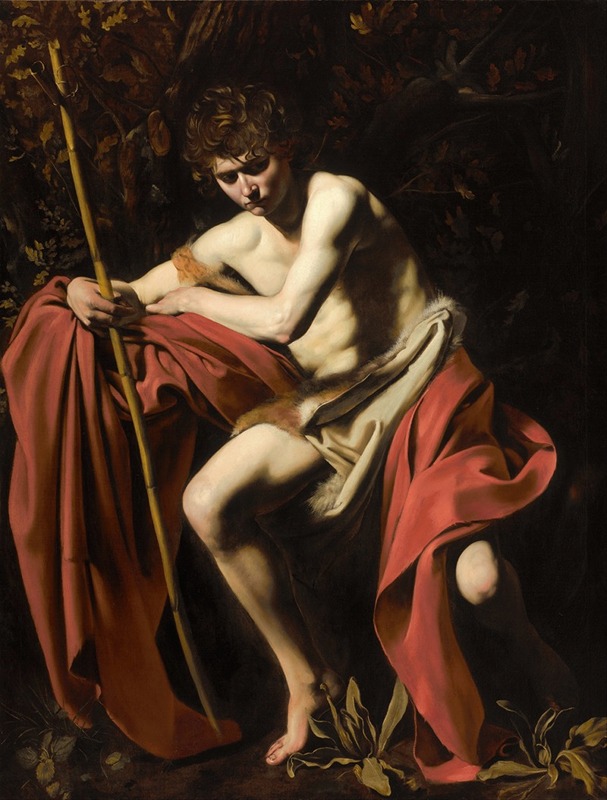
Saint John The Baptist In The Wilderness
Caravaggio
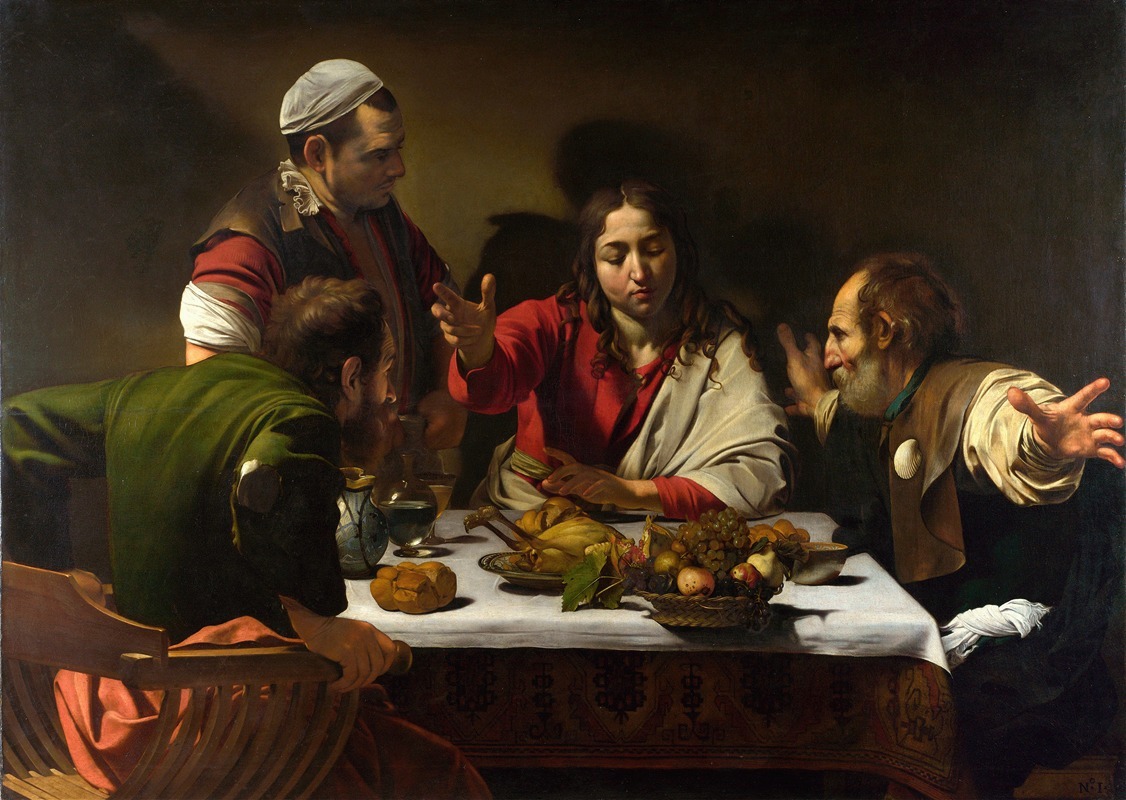
Supper at Emmaus
Caravaggio
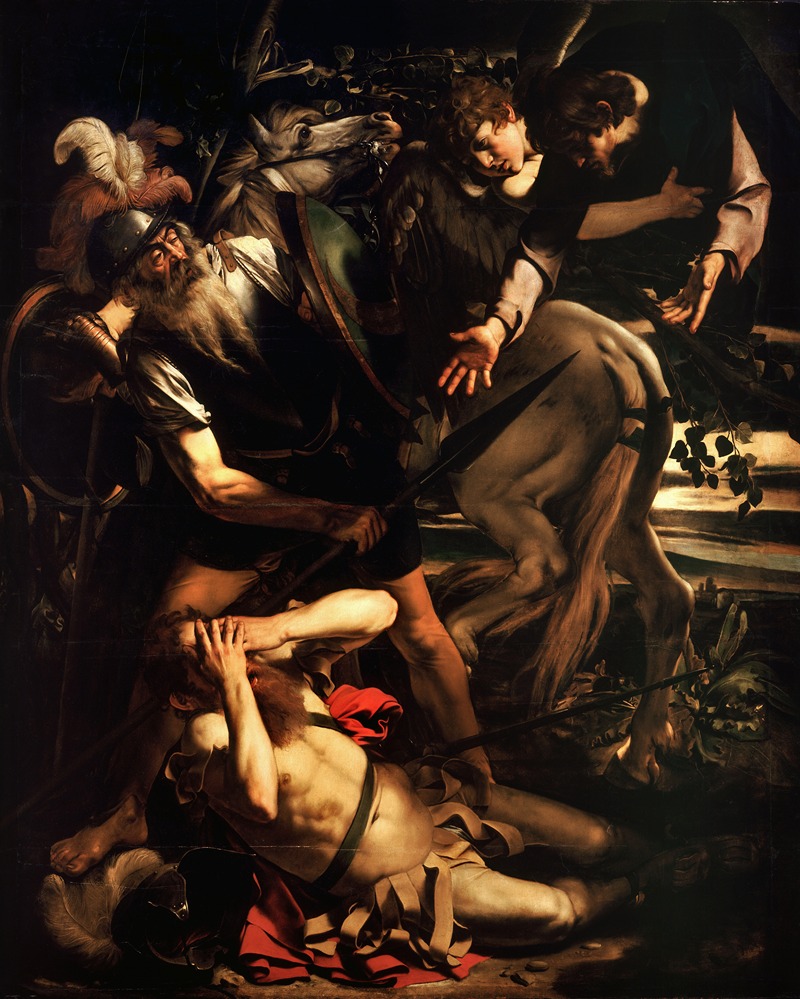
The Conversion of Saint Paul
Caravaggio
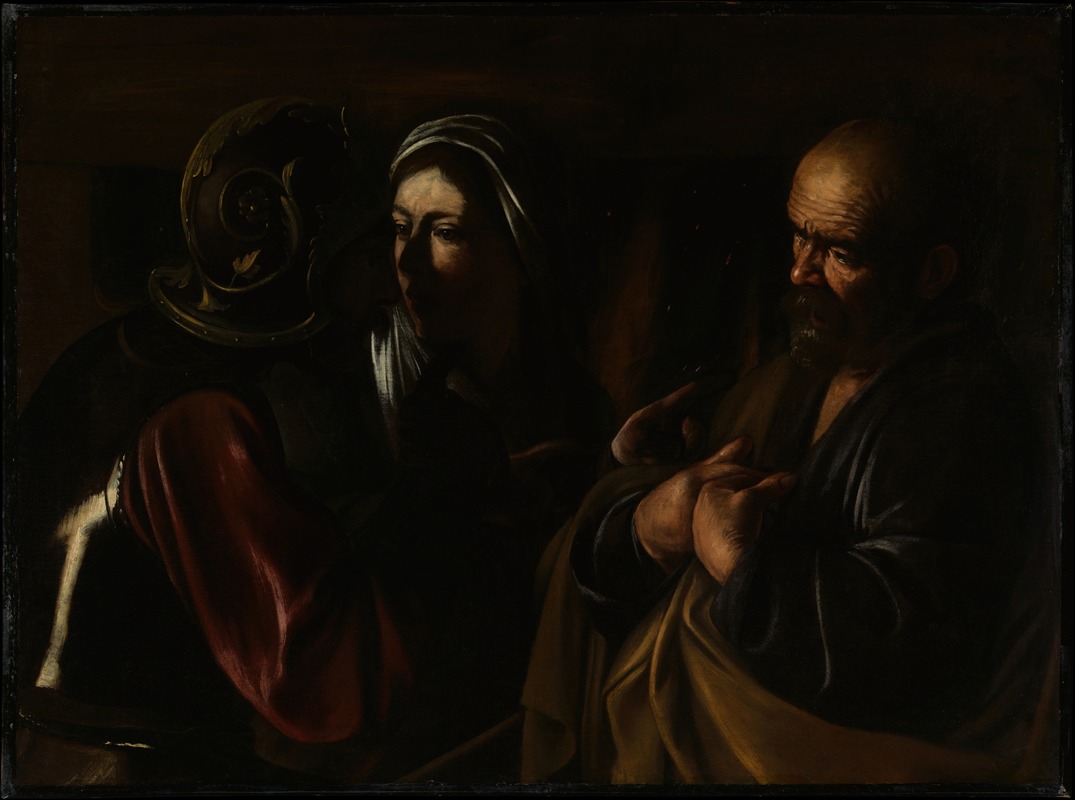
The Denial of Saint Peter
Caravaggio