Discover insights about this artwork
Saint Gregory the Great, Pope — History & Facts
In Saint Gregory the Great, Pope, Francisco de Goya presents a striking portrait of the saint. The painting features rich, warm colors, predominantly deep reds and golds, which create a sense of solemnity. Saint Gregory is depicted in papal robes, adorned with intricate details that signify his high status.
The background is dark, allowing the figure to stand out prominently in the composition. The painting is executed in oil on canvas, a common medium for Goya's works. The brushwork is detailed, particularly in the rendering of the robes and the facial features of Saint Gregory. The use of light and shadow adds depth to the figure, enhancing the three-dimensionality of the portrait.
This technique is characteristic of Goya's style, showcasing his skill in capturing human emotion and dignity. Francisco de Goya created this work during a time when he was deeply influenced by the political and social changes in Spain. This painting reflects his interest in religious themes, which became more prominent in his later works. An interesting fact about this piece is that it was commissioned for a church, highlighting the importance of religious art during that period.
Goya's portrayal of Saint Gregory emphasizes the blend of realism and idealism that defines his artistic approach.
More Artworks by Francisco de Goya
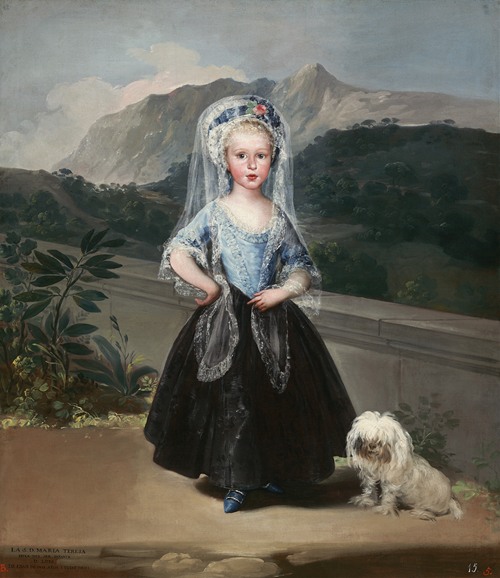
María Teresa de Borbón y Vallabriga,later Condesa de Chinchón
Francisco de Goya
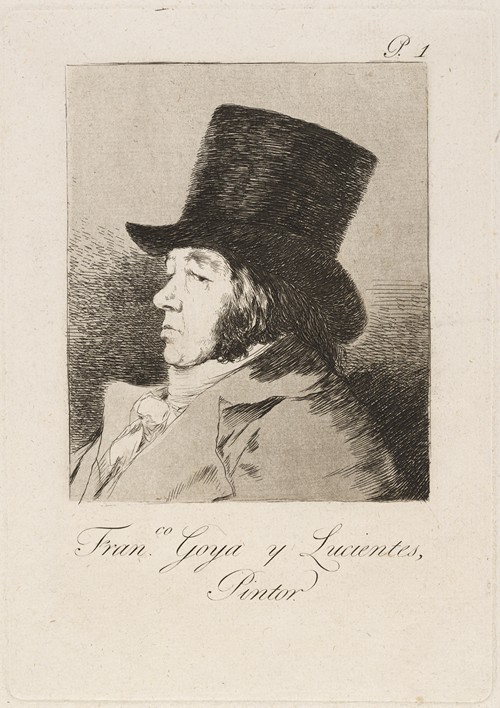
Francisco Goya y Lucientes, Pintor (Francisco Goya y Lucientes, painter)
Francisco de Goya
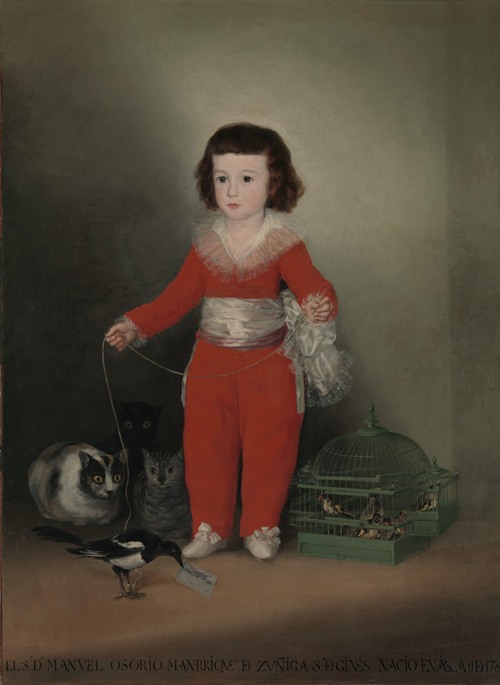
Manuel Osorio Manrique de Zuñiga (1784–1792)
Francisco de Goya
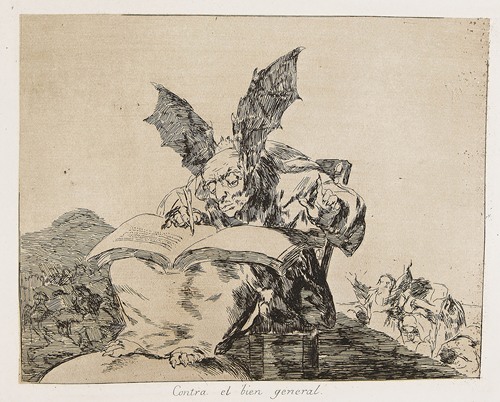
Los desastres de la guerra
Francisco de Goya
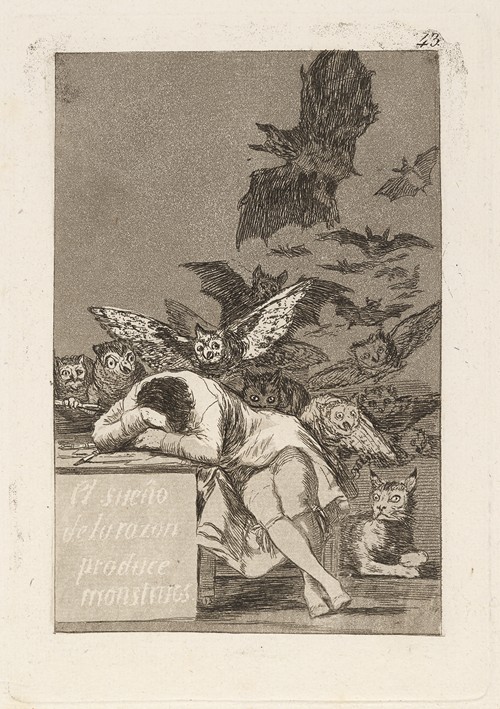
El sueño de la razon produce monstruos. (The sleep of reason produces monsters.)
Francisco de Goya
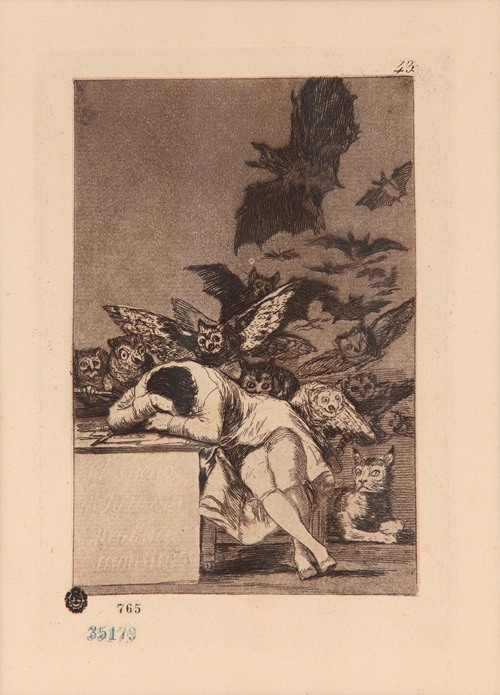
El sueño de la razon produce moustruos (Serie Caprichos)
Francisco de Goya
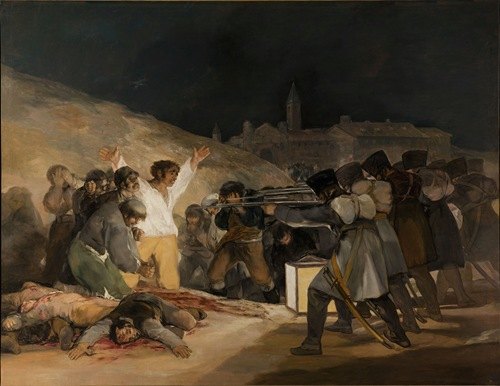
The Third of May
Francisco de Goya
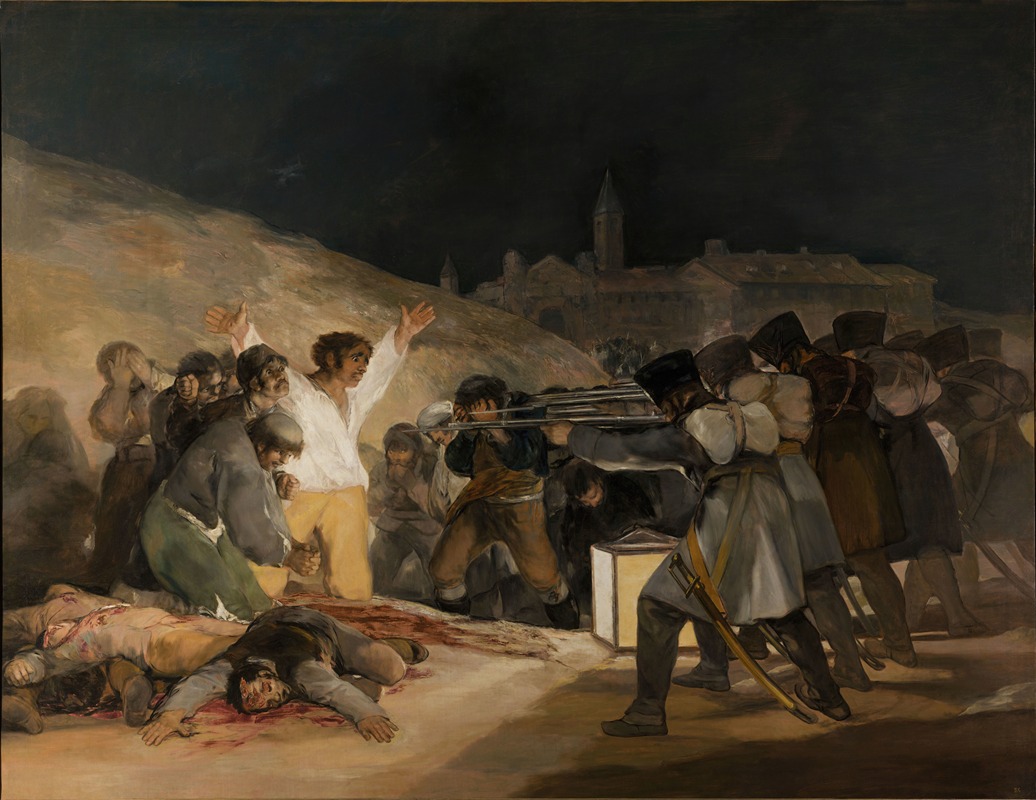
The Third of May 1808
Francisco de Goya
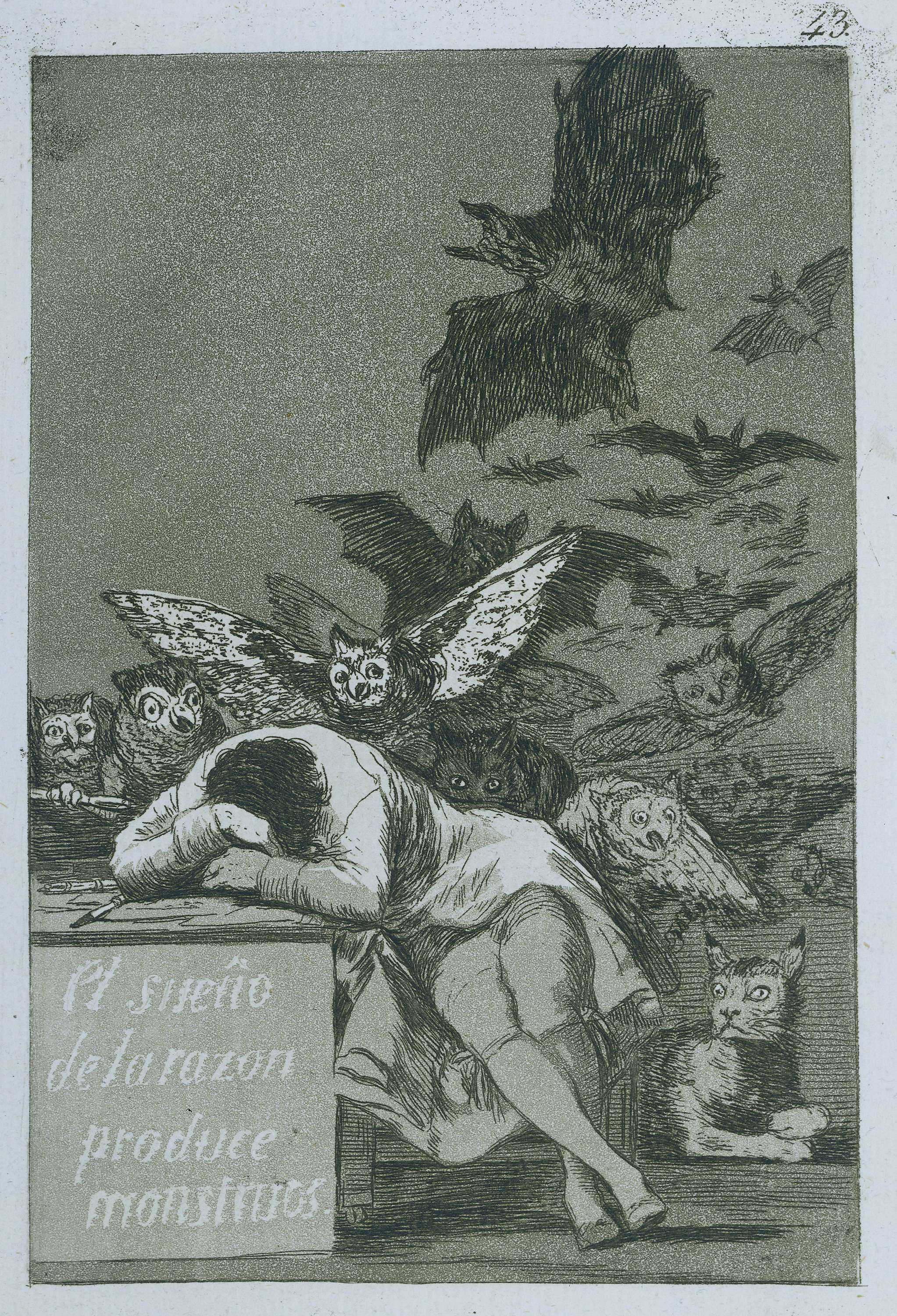
De slaap van de rede brengt monsters voort
Francisco de Goya
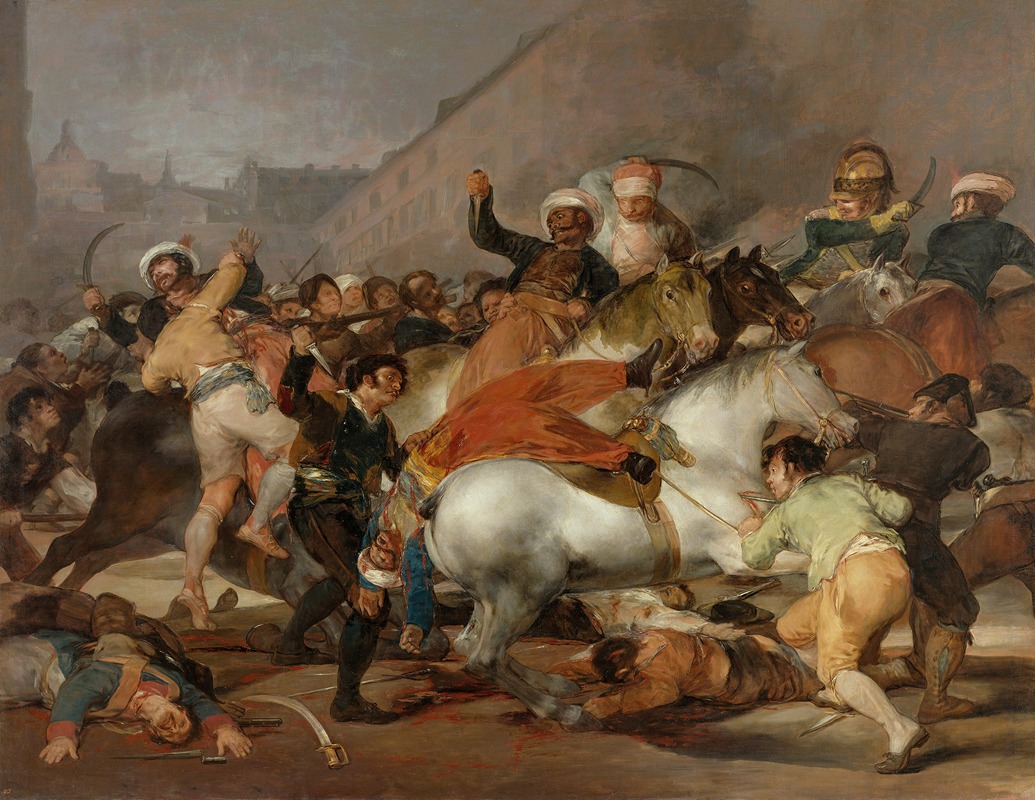
The Charge of the Mamelukes (1814)
Francisco de Goya