Discover insights about this artwork
Saint Jerome beside a Pollard Willow — History & Facts
In Saint Jerome beside a Pollard Willow, we see the figure of Saint Jerome seated beside a pollard willow tree. The colors are earthy and muted, with browns and greens dominating the landscape. Jerome is depicted in contemplative thought, surrounded by a tranquil setting that enhances the serene mood.
The willow tree adds a natural element, symbolizing wisdom and reflection. This painting is executed in oil on panel, a common medium for Rembrandt during the Dutch Golden Age. The brushwork is detailed yet loose, allowing for a sense of movement in the foliage of the willow. The play of light and shadow is characteristic of Rembrandt's style, creating depth and dimension in the scene.
The overall composition draws the viewer's eye towards Saint Jerome, emphasizing his importance in the artwork. Rembrandt van Rijn created this work during a period when he was exploring religious themes and the human condition. Saint Jerome, a prominent figure in Christian tradition, is often depicted in solitude, reflecting his scholarly pursuits. An interesting fact about this painting is that it showcases Rembrandt's ability to blend natural elements with spiritual contemplation, a hallmark of his later works.
The painting is currently housed in the Rijksmuseum, where it continues to attract art lovers and scholars alike.
More Artworks by Rembrandt van Rijn
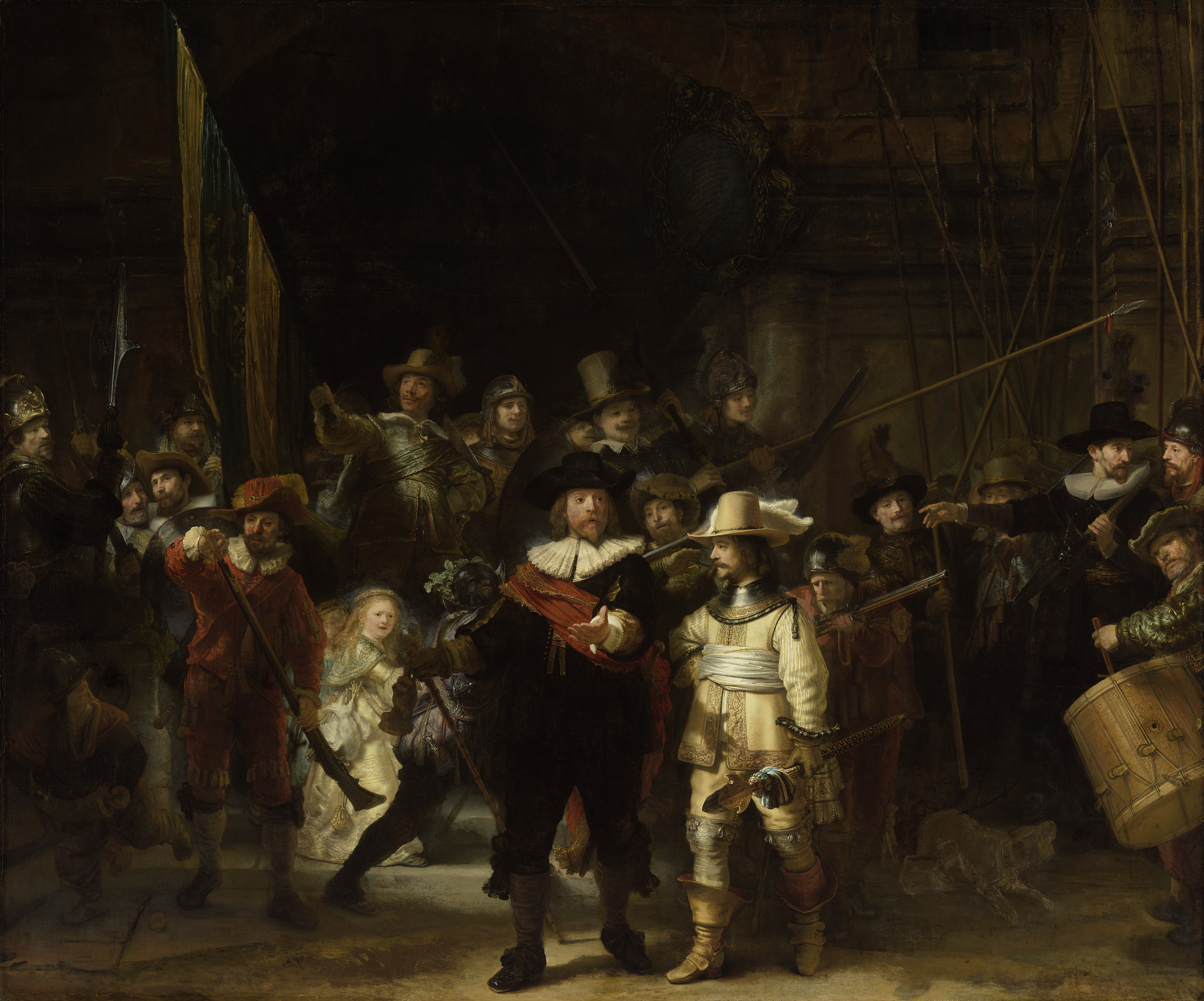
The Night Watch Militia Company of District II under the Command of Captain Frans Banninck Cocq
Rembrandt van Rijn
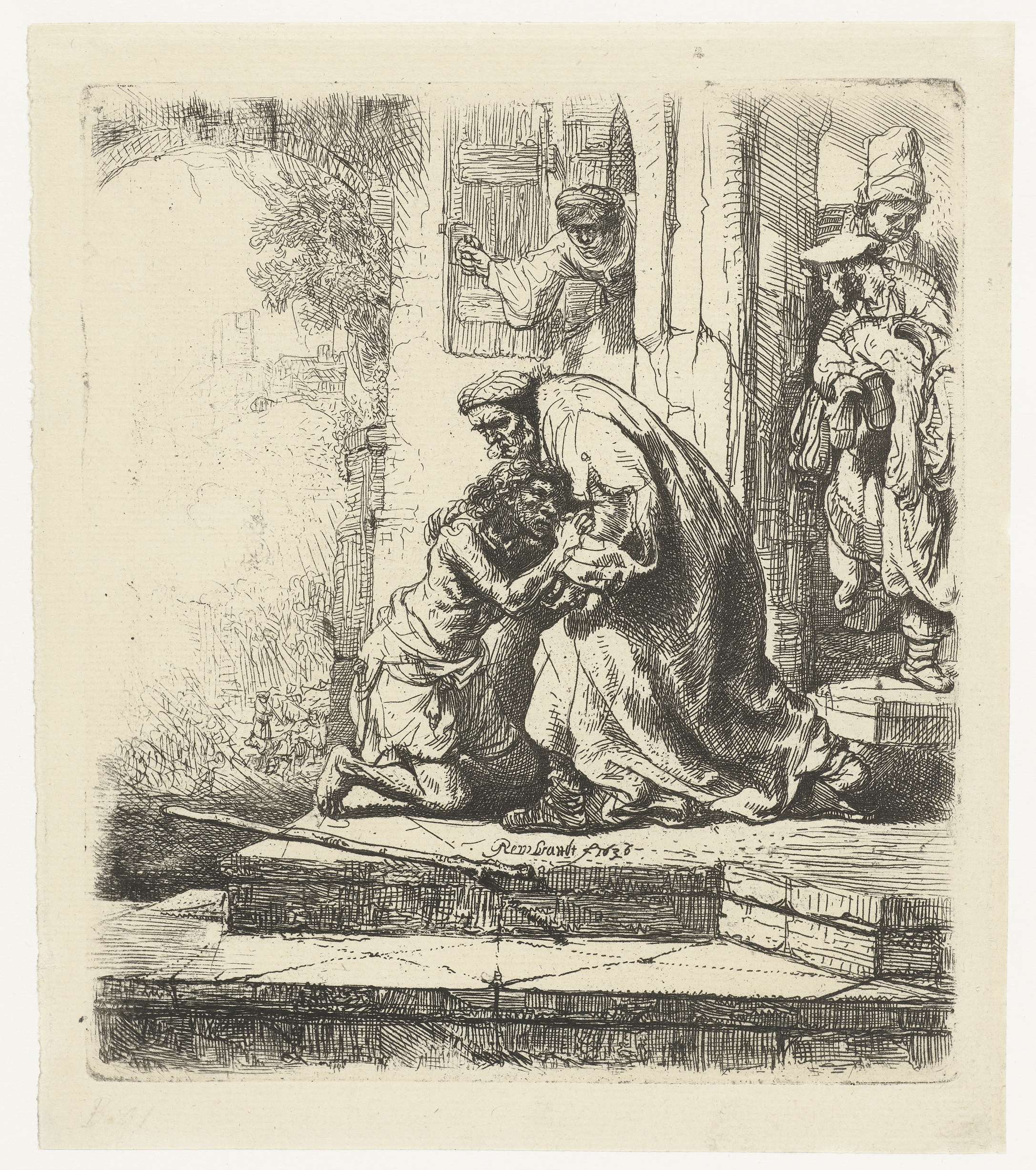
The Return of the Prodigal Son
Rembrandt van Rijn
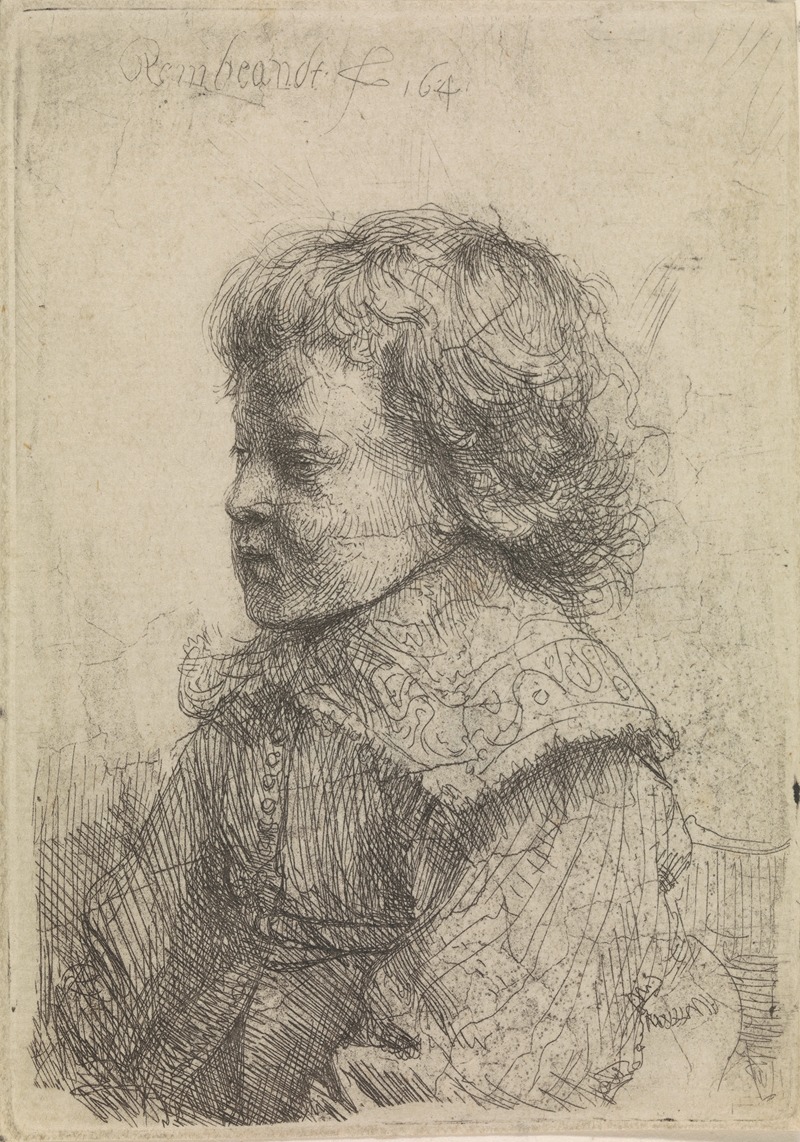
Portrait of a boy in profile
Rembrandt van Rijn
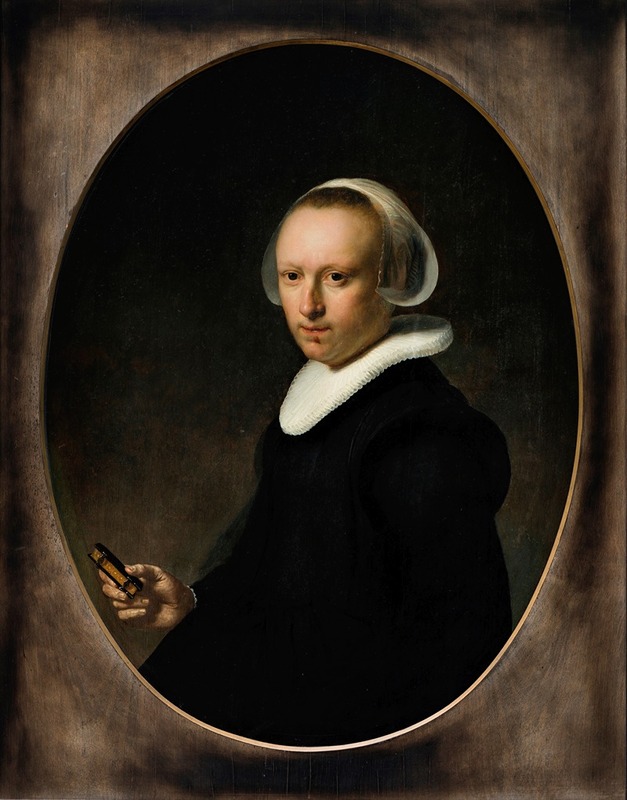
Portrait of a 39-year-old Woman
Rembrandt van Rijn
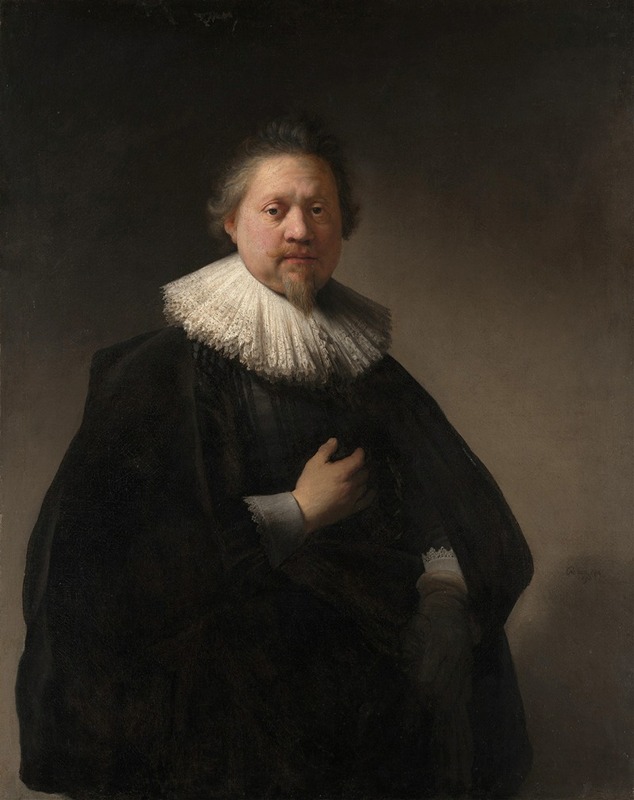
Portrait of a Man
Rembrandt van Rijn
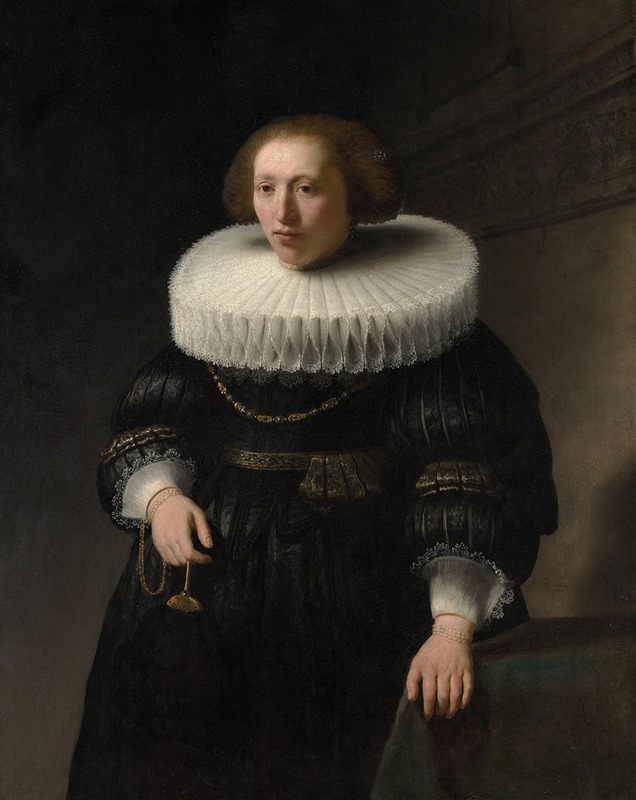
Portrait of a Woman
Rembrandt van Rijn
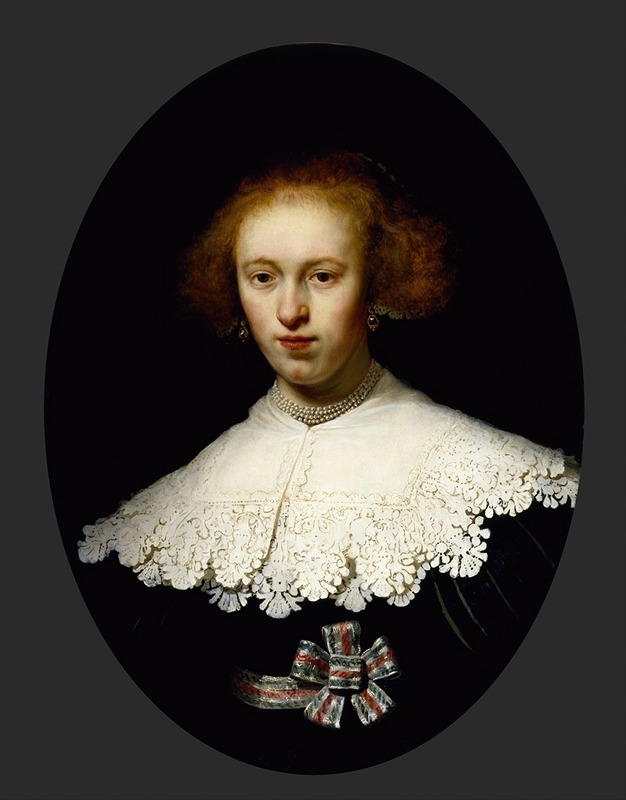
Portrait of a Young Woman
Rembrandt van Rijn
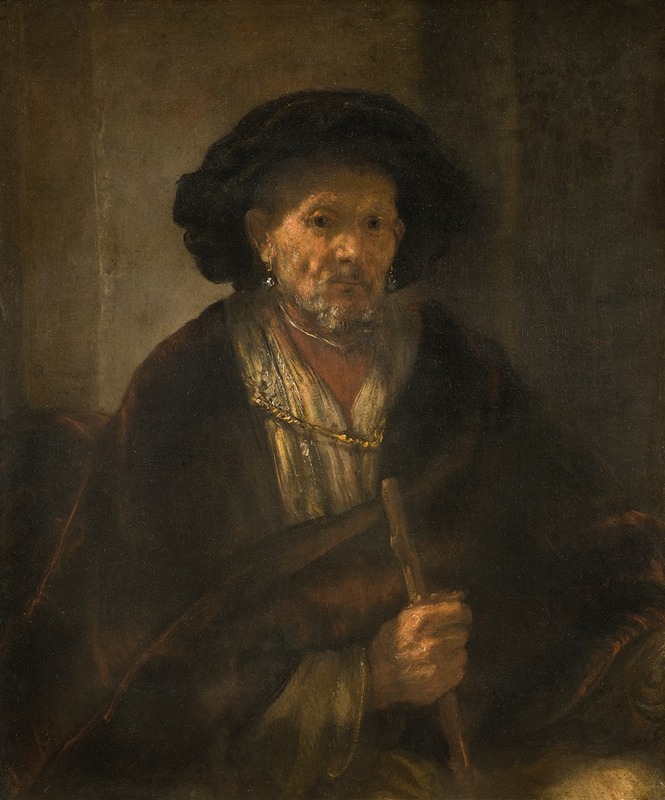
Portrait of an Old Man
Rembrandt van Rijn
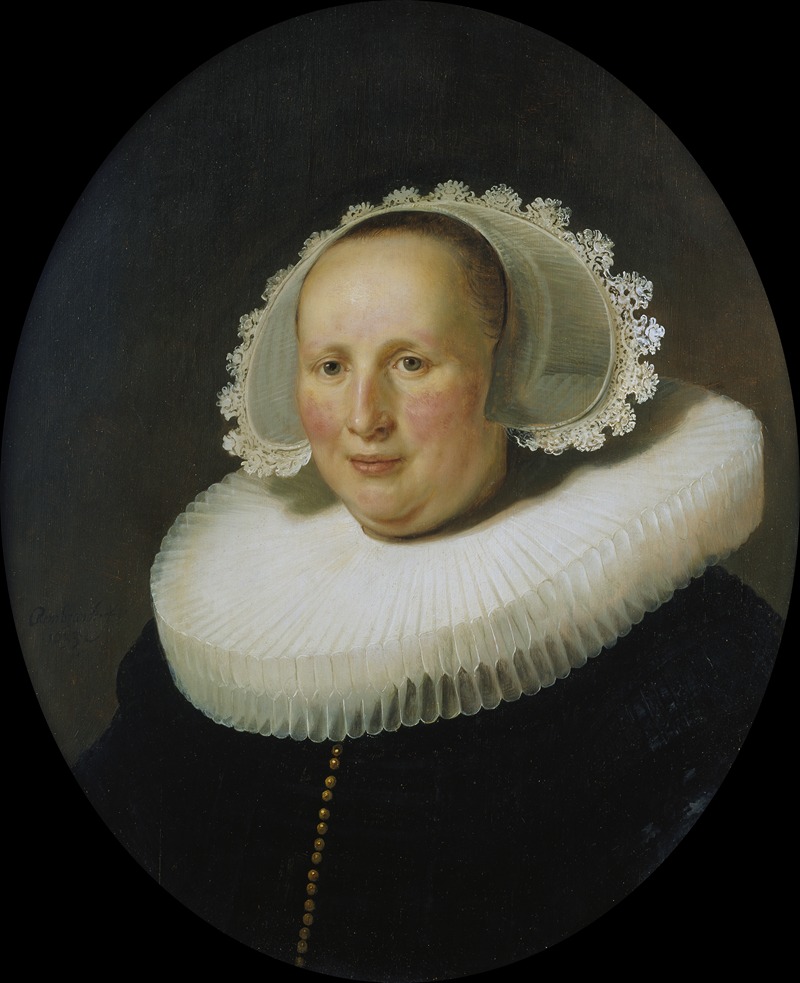
Portrait of Maertgen van Bilderbeecq
Rembrandt van Rijn
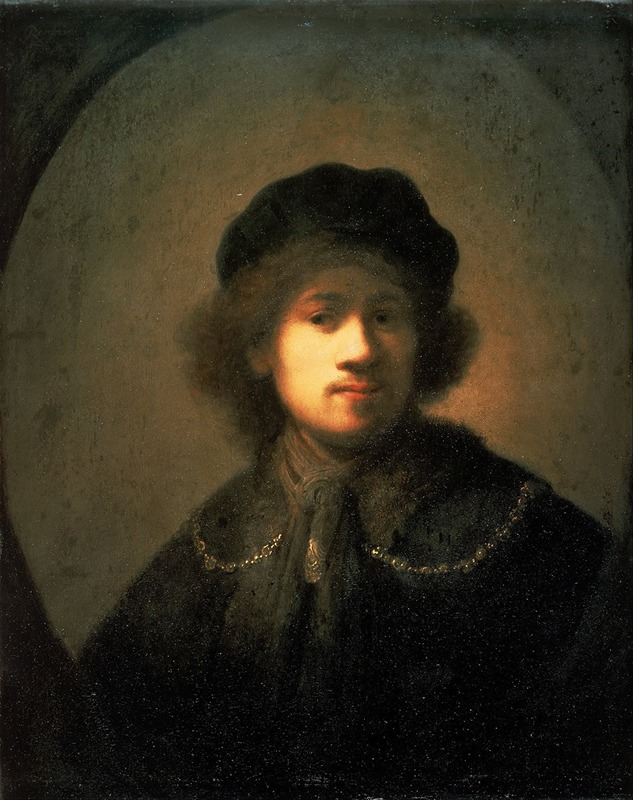
Portrait of the Artist as a Young Man
Rembrandt van Rijn