
Saint Jerome Reading in the Desert — History & Facts
When Giovanni Bellini painted Saint Jerome Reading in the Desert around 1480, he joined a flourishing Venetian fascination with the scholar-saint’s solitary life. What sets this work apart is its intimate atmosphere and Bellini’s decision to focus on Jerome not as a penitent flagellant or translator at his desk, but as a contemplative reader, immersed in nature. While there are several versions of Saint Jerome by Bellini and his workshop, each offers a different mood and setting; this one is notable for its quiet, almost private meditation, a departure from the more dramatic interpretations by his contemporaries. The scene unfolds at a moment of stillness: Saint Jerome, robed in red, is absorbed in his book beneath a rocky outcrop, his lion companion resting nearby.
The landscape stretches into a soft, golden distance, dotted with delicate plants and distant towns, suggesting both isolation and connection to the wider world. The open book signals Jerome’s lifelong pursuit of biblical scholarship, while the lion alludes to the legend of the saint removing a thorn from the beast’s paw—a symbol of compassion and humility. Unlike Albrecht Dürer’s later, more muscular Saint Jerome in the Wilderness, Bellini’s version is suffused with gentle light, emphasizing contemplation over suffering. The exact origins of this painting remain uncertain, as does its original patron, but it likely belonged to a Venetian collector with a taste for devotional images suited to private reflection.
Over the centuries, works like this have been attributed both to Bellini himself and to his circle, reflecting the collaborative nature of Venetian workshops in the late 15th century. Today, Saint Jerome Reading in the Desert is recognized as a key example of Bellini’s mature style, where landscape and figure merge in harmonious dialogue. Its journey through collections has mirrored the growing appreciation for Bellini’s role in shaping the Venetian Renaissance, and it now hangs as a quiet testament to the painter’s ability to blend humanity and nature.
More Artworks by Giovanni Bellini
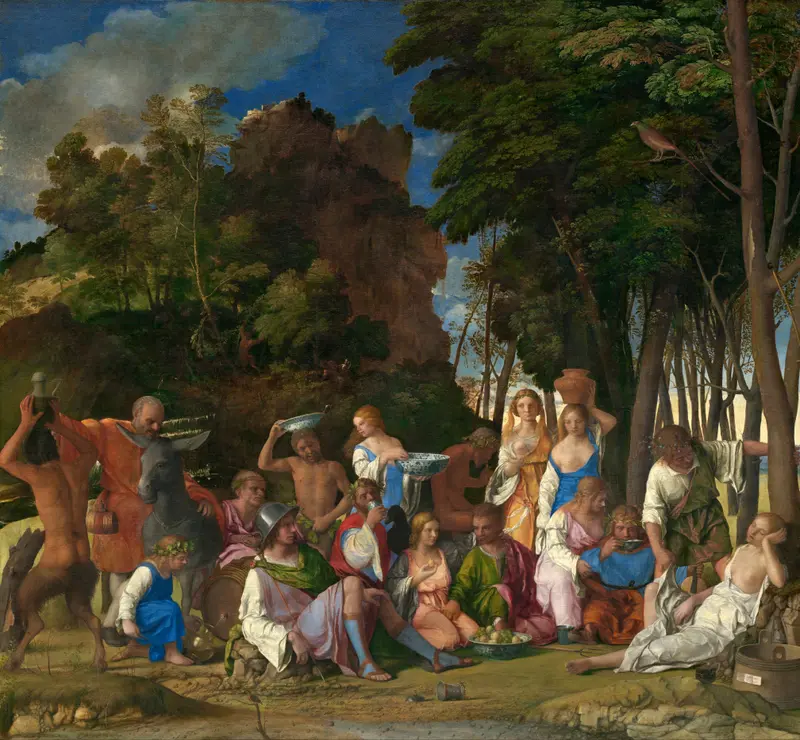
The Feast of the Gods
Giovanni Bellini

Madonna and Child enthroned with Saints and Angels
Giovanni Bellini
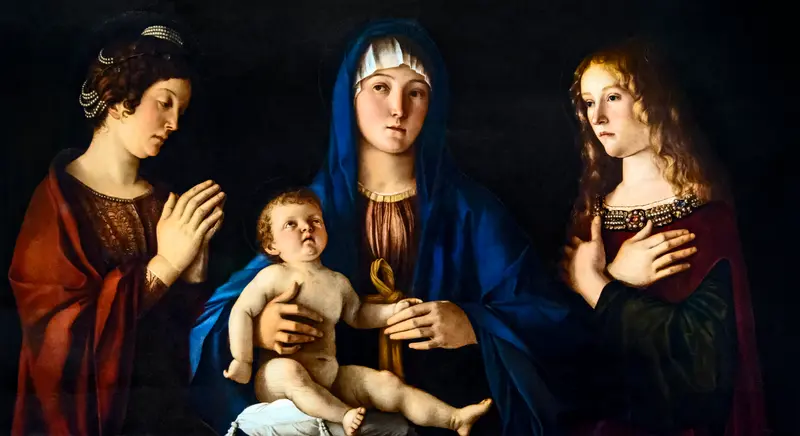
Madonna and Child between Saints Catherine and Mary Magdalene
Giovanni Bellini
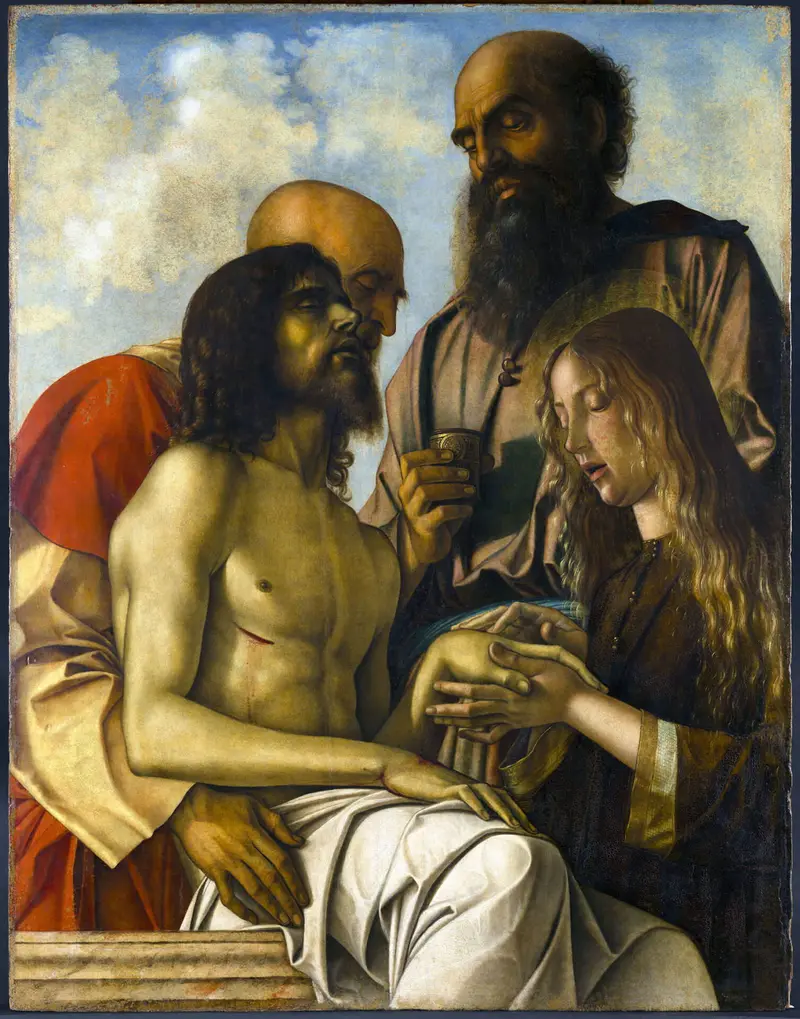
Lamentation over the Dead Christ
Giovanni Bellini
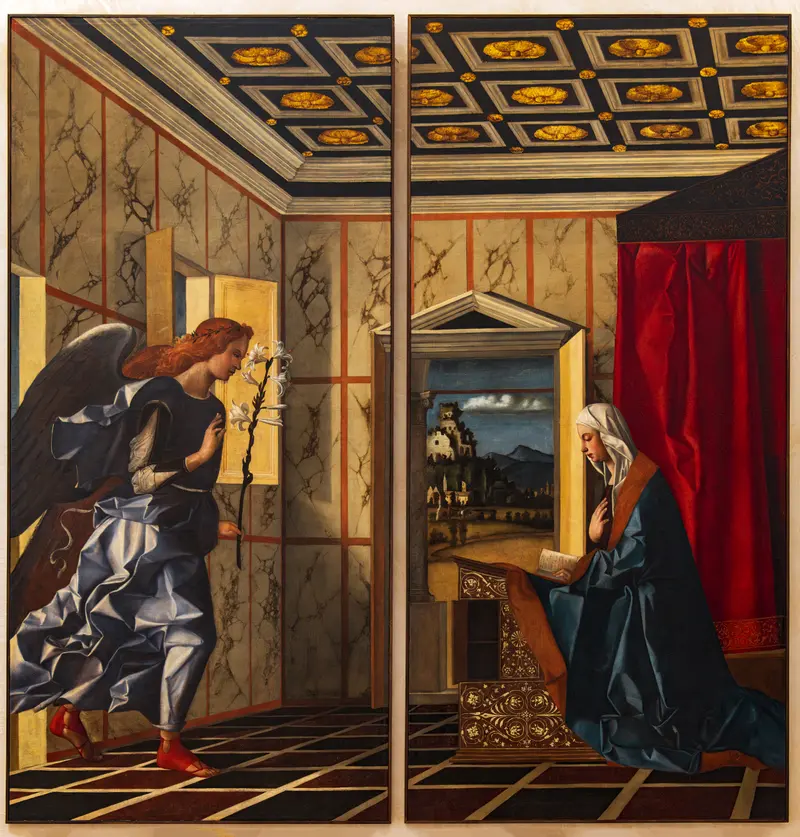
Annunciation
Giovanni Bellini
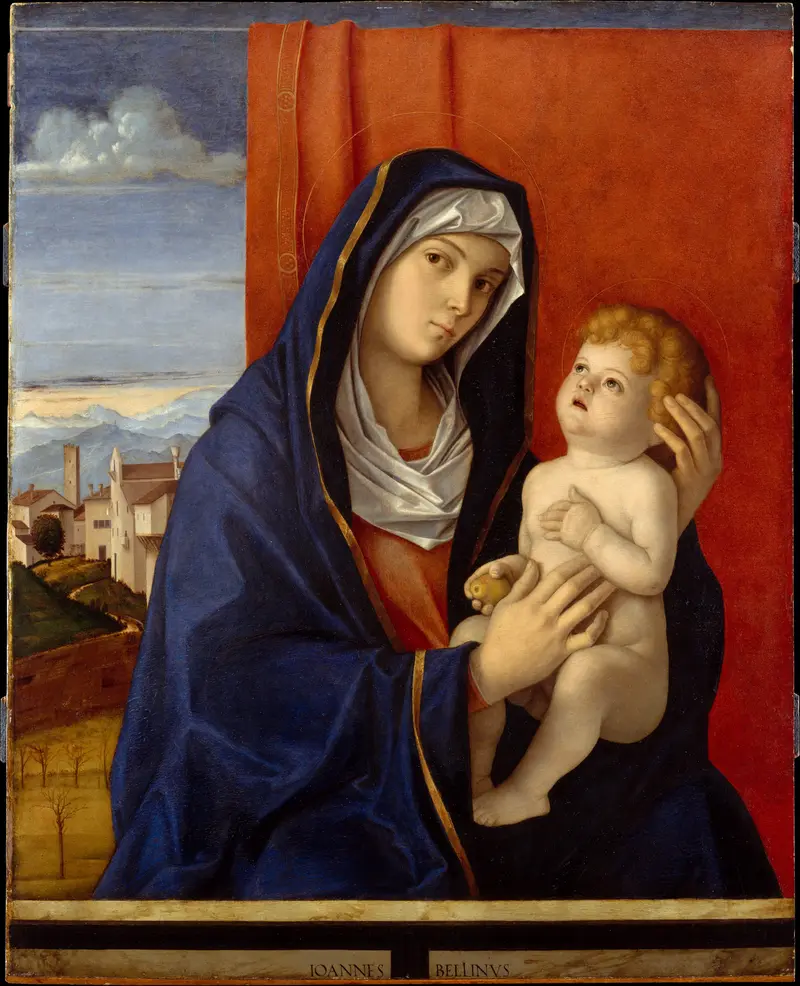
Madonna and Child
Giovanni Bellini
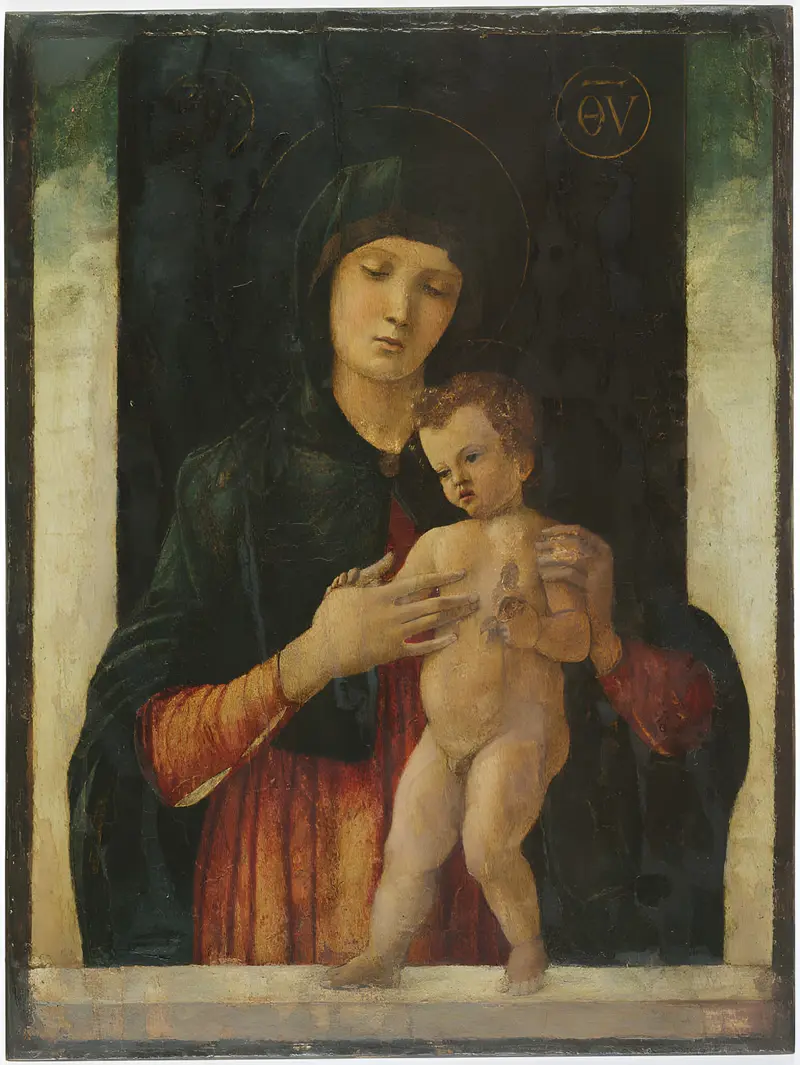
The Virgin and Child
Giovanni Bellini
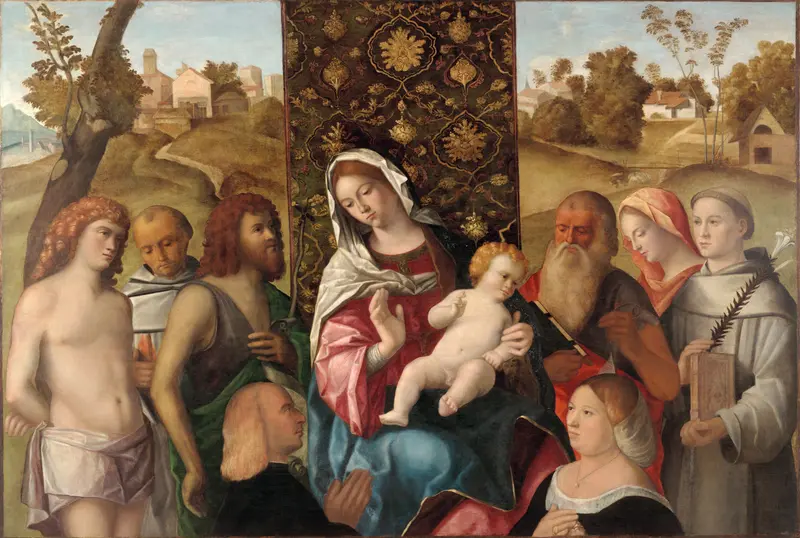
Virgin and Child with Saints Sebastian, Francis, John the Baptist, Jerome, an unidentified female saint, Saint Anthony of Padua and two donors
Giovanni Bellini
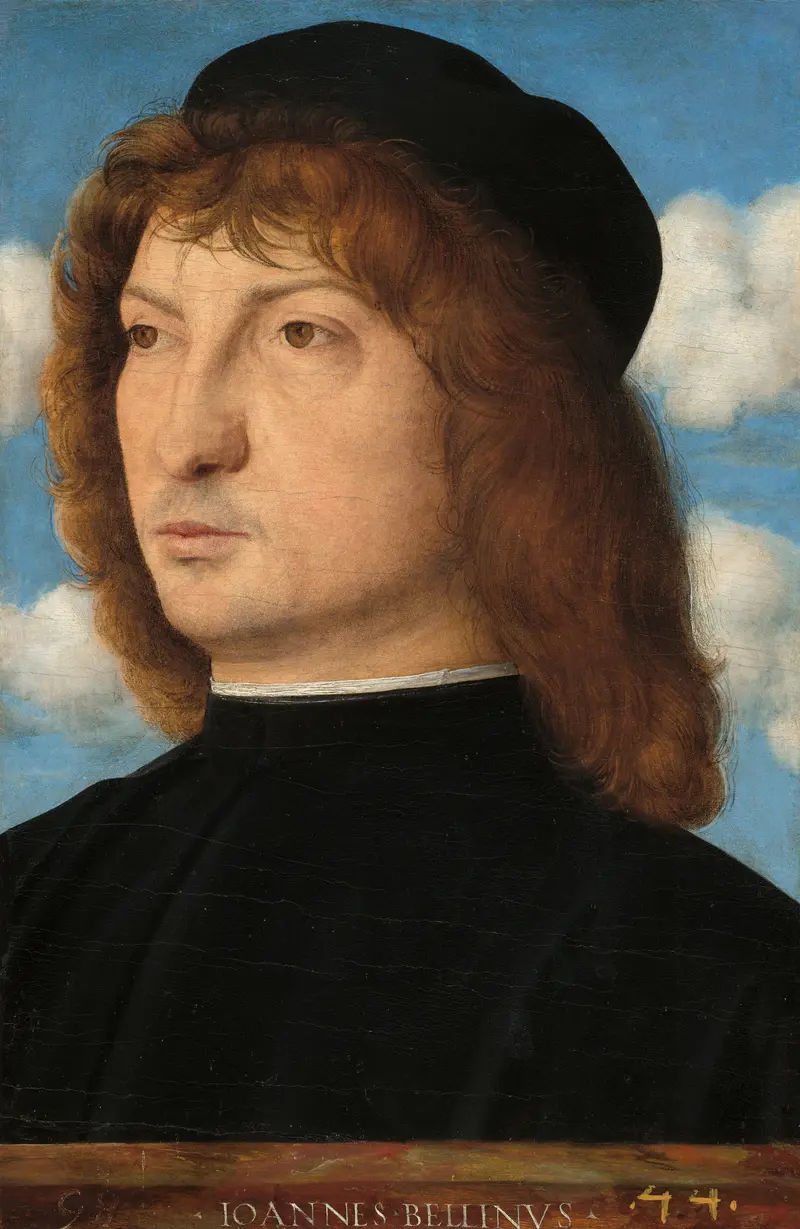
Portrait of a Venetian Gentleman
Giovanni Bellini
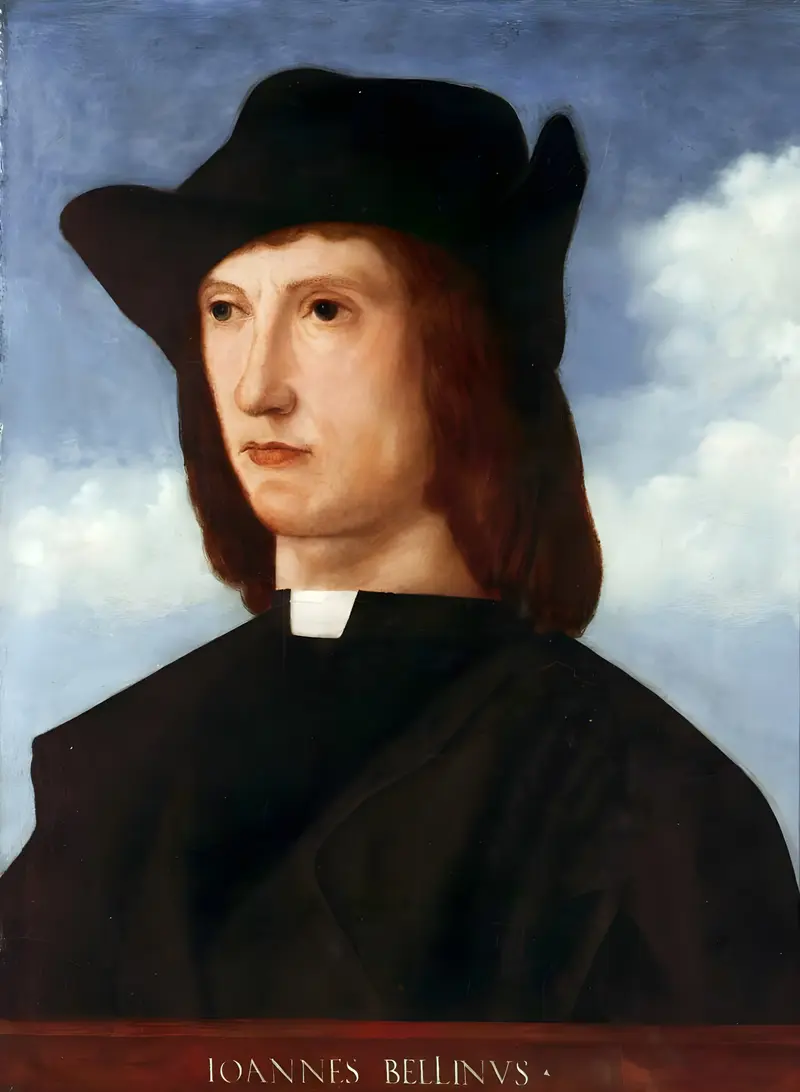
Portrait of a Young Man
Giovanni Bellini





