
Saint John the Baptist as a Boy — History & Facts
In 1518, Raphael painted Saint John the Baptist as a Boy during the final, feverish years of his career, a period when his workshop was at the height of its fame and productivity in Rome. The painting stands out for its unusual depiction of John as a child, rather than the wild-haired ascetic or the dramatic baptizer more commonly seen in Renaissance art. This choice reflects a growing taste among patrons for tender, intimate religious imagery, possibly inspired by the popularity of Leonardo da Vinci’s youthful Johns.
The exact patron of this work remains uncertain, but it was likely commissioned for private devotion, a practice that flourished in the early 16th century. In this gentle scene, the young John sits quietly, his gaze lifted as if in contemplation or listening to a distant call. He holds the reed cross, a symbol of his future role as the forerunner of Christ, and a lamb nestles at his side, prefiguring the sacrificial destiny of Jesus. The landscape behind him glows with a soft, golden light, suggesting both the innocence of childhood and the promise of redemption.
The boy’s curly hair and delicate features recall Leonardo’s Saint John the Baptist, yet Raphael infuses the figure with a serene clarity and warmth unique to his own style. Every detail—the camel-hair garment, the gentle hand resting on the lamb—serves to foreshadow the saint’s later life while grounding him in a moment of youthful peace. The precise history of Saint John the Baptist as a Boy is shrouded in some uncertainty, as is often the case with works from Raphael’s prolific workshop. While some art historians have debated the extent of the master’s own hand in the painting, its composition and gentle mood are consistent with his late period.
The painting’s journey through collections is not fully documented, but works of this type were highly prized by collectors and often traveled across Europe in the centuries following Raphael’s death. Today, it stands as a testament to the enduring appeal of the artist’s vision of innocence and grace, capturing a fleeting moment before the weight of destiny descends.
More Artworks by Raphael

Madonna of the Goldfinch
Raphael

Madonna with the Fish
Raphael
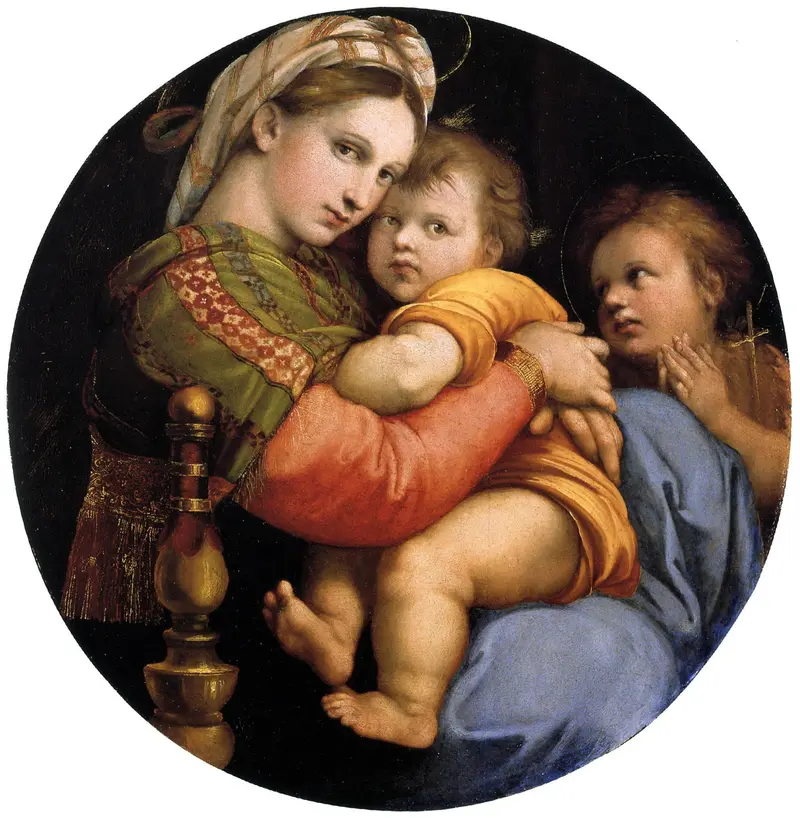
Madonna and Child (Madonna della Seggiola)
Raphael
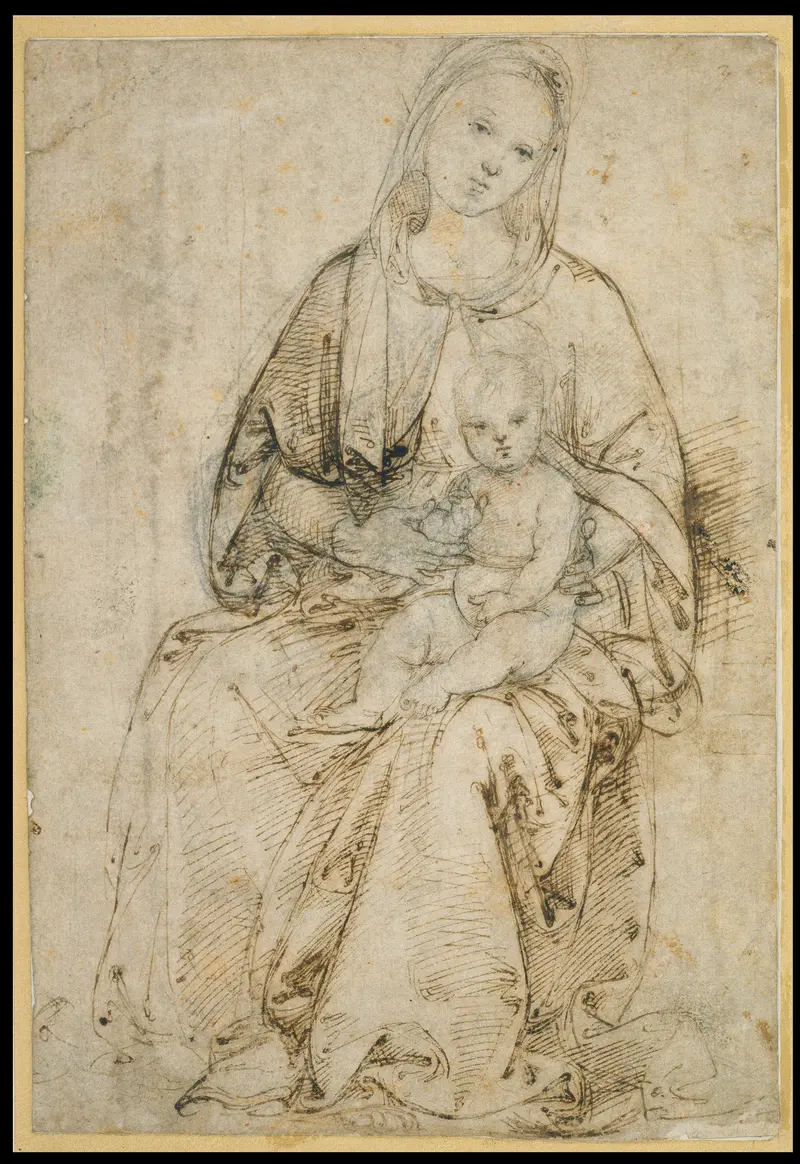
Seated Madonna and Child
Raphael
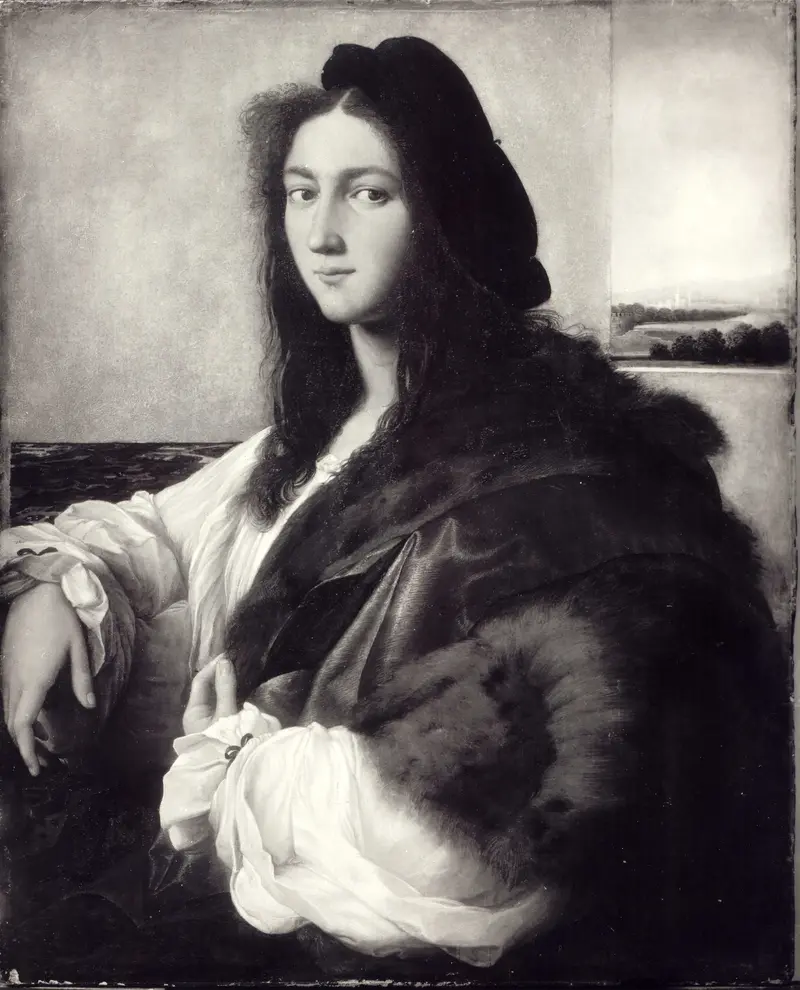
Portrait of a Young Man
Raphael
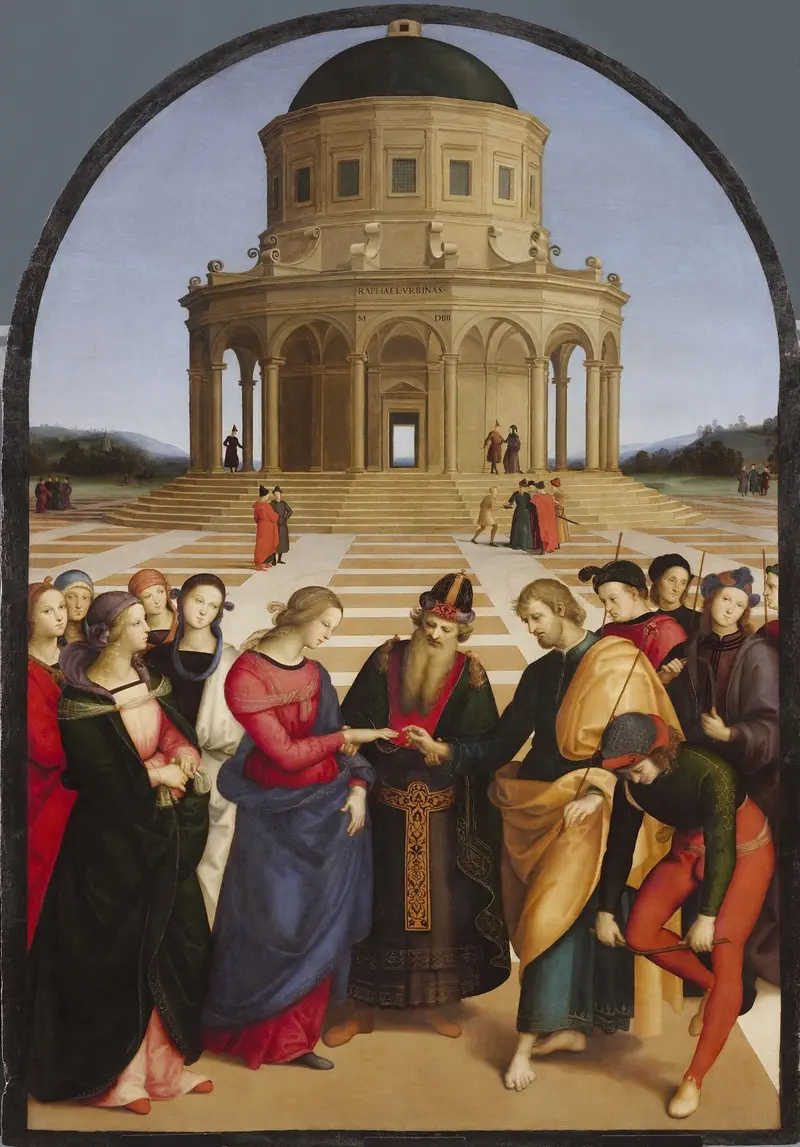
The Marriage of the Virgin
Raphael
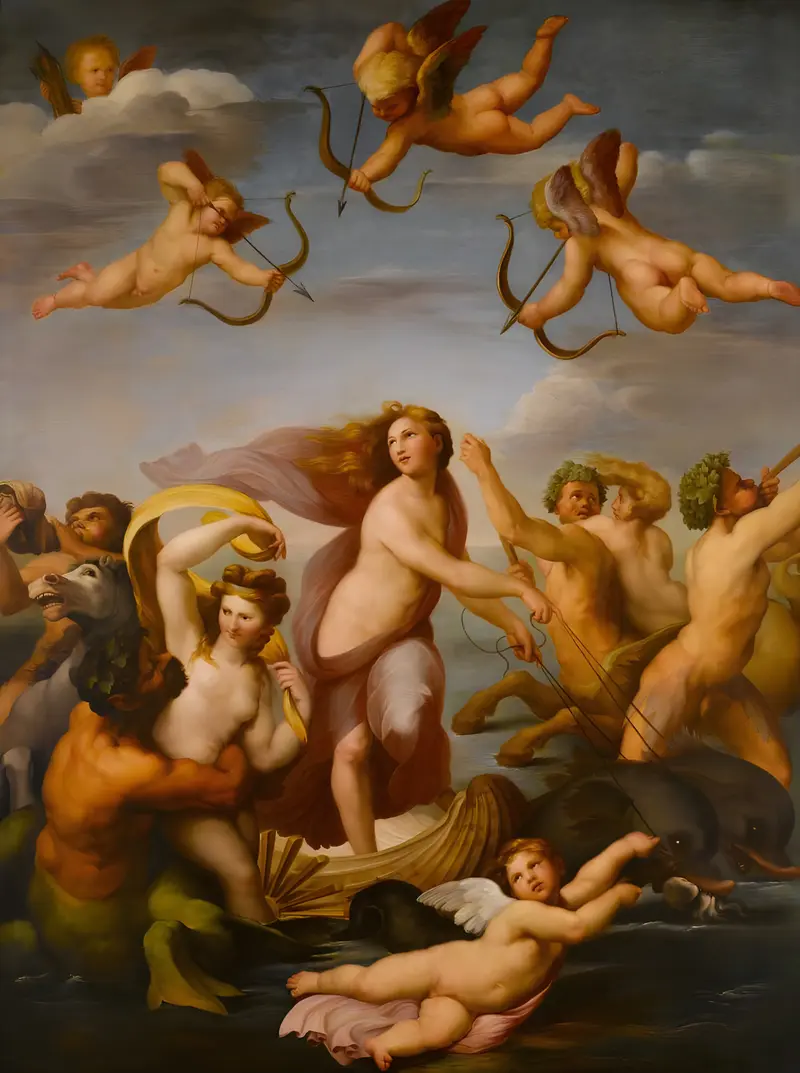
The Triumph of Galatea (copy after Raphael)
Raphael
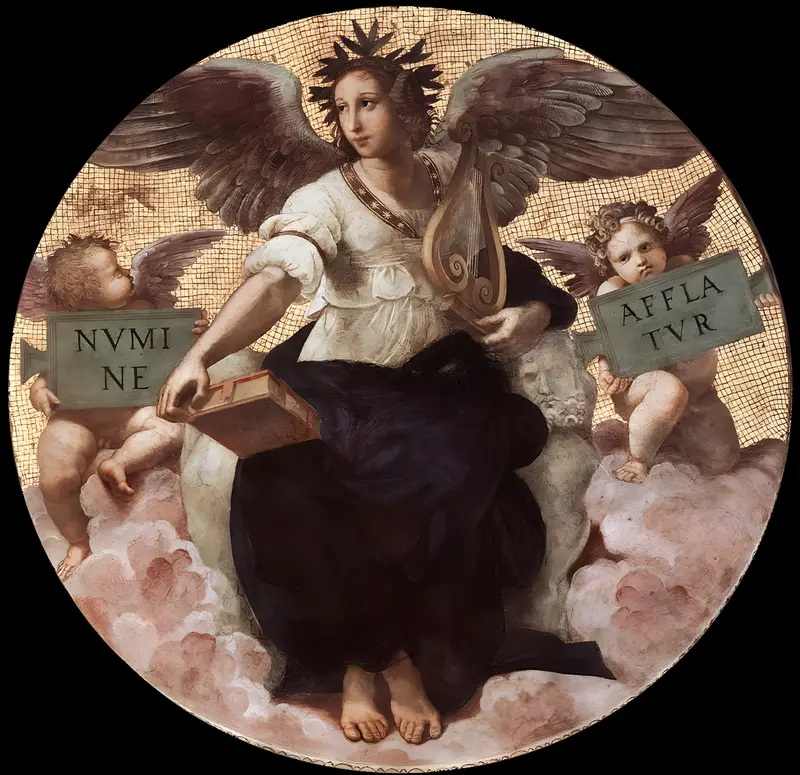
Poetry
Raphael
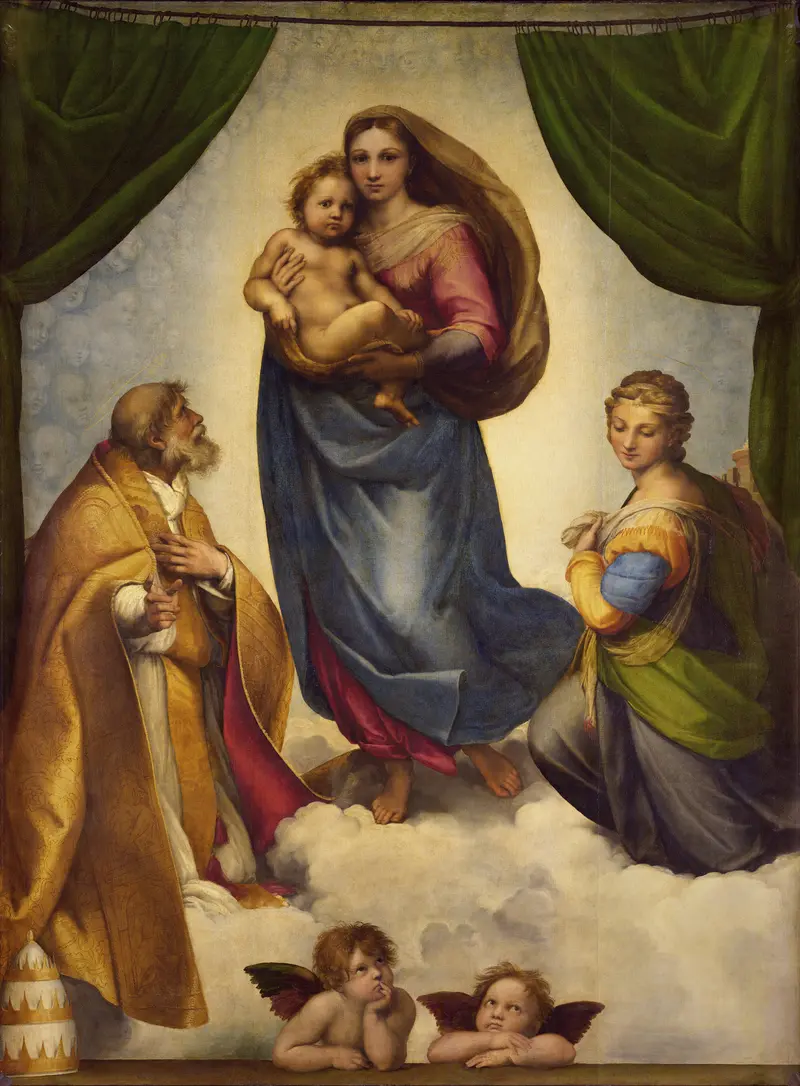
Sistine Madonna
Raphael
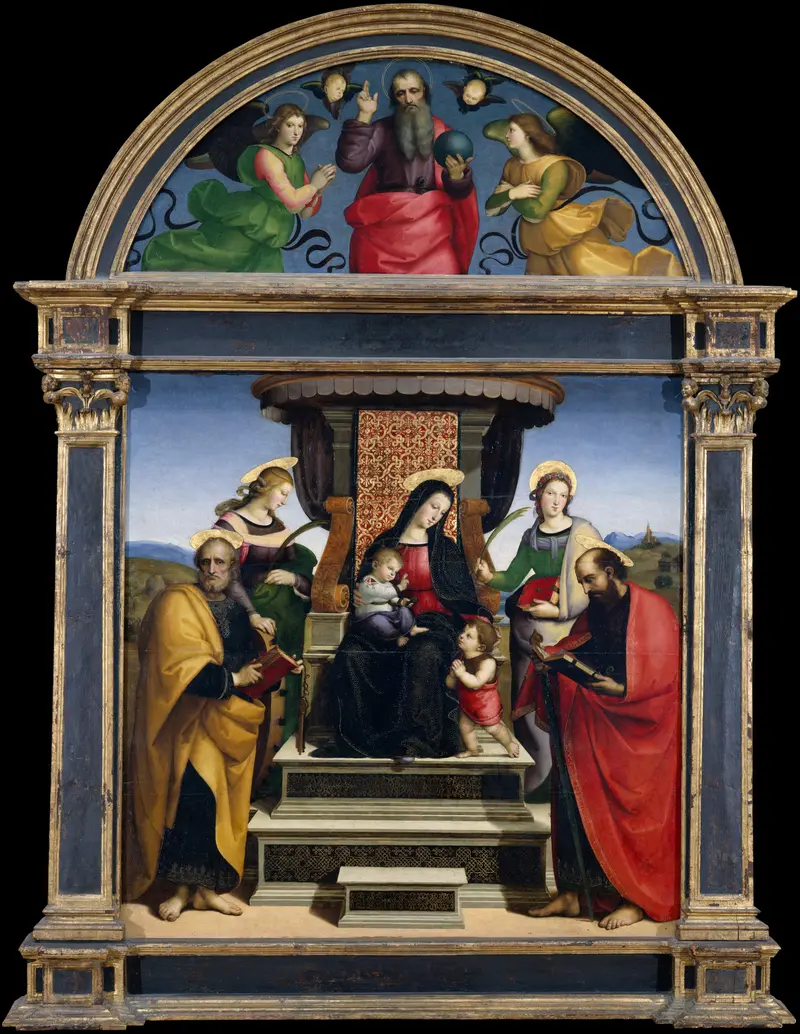
Madonna and Child Enthroned with Saints
Raphael




