
Saint Lucia (Chartres) — History & Facts
When Francisco de Zurbarán painted Saint Lucia (Chartres) in 1637, he was at the height of his reputation as Spain’s great painter of saints—yet the work’s journey to Chartres remains a puzzle. Unlike many of his commissions for Spanish convents, this painting was acquired by the French cathedral sometime after its creation, a rare crossing of borders for Zurbarán’s art in his lifetime. The painting is one of several versions of Saint Lucia by Zurbarán, but the Chartres example is especially noted for its serene gravity and the saint’s direct, almost challenging gaze.
The mystery of its early provenance has led scholars to speculate about possible French patrons or diplomatic exchanges during the turbulent years of the Thirty Years’ War. The moment Zurbarán selects is one of calm before martyrdom: Saint Lucia stands holding a shallow dish bearing her own eyes, a reference to the legend that her persecutors gouged them out, only for them to be miraculously restored. Her right hand clutches the palm of martyrdom, while her heavy, sculptural drapery—rendered in Zurbarán’s signature chiaroscuro—anchors her in solemn dignity. The saint’s gaze is unwavering, her expression composed, inviting the viewer’s empathy rather than pity.
The cool, clear light isolates her against a dark background, a device Zurbarán often used to heighten the sense of spiritual presence, in contrast to the more ornate and crowded compositions of Guido Reni or Artemisia Gentileschi on similar themes. As with many Spanish religious paintings of the early 17th century, the exact original location and patron of Saint Lucia (Chartres) are uncertain. It is likely the work was intended for private devotion or a side chapel, given its intimate scale and meditative tone. The painting’s arrival in Chartres is first documented in the 19th century, by which time it had already become a prized object in the cathedral’s collection.
Today, it stands as a testament to Zurbarán’s enduring appeal beyond Spain, and to the international circulation of sacred art during the Baroque period. Its restrained yet powerful vision of sainthood continues to draw viewers into the quiet drama of faith and endurance.
More Artworks by Francisco de Zurbarán
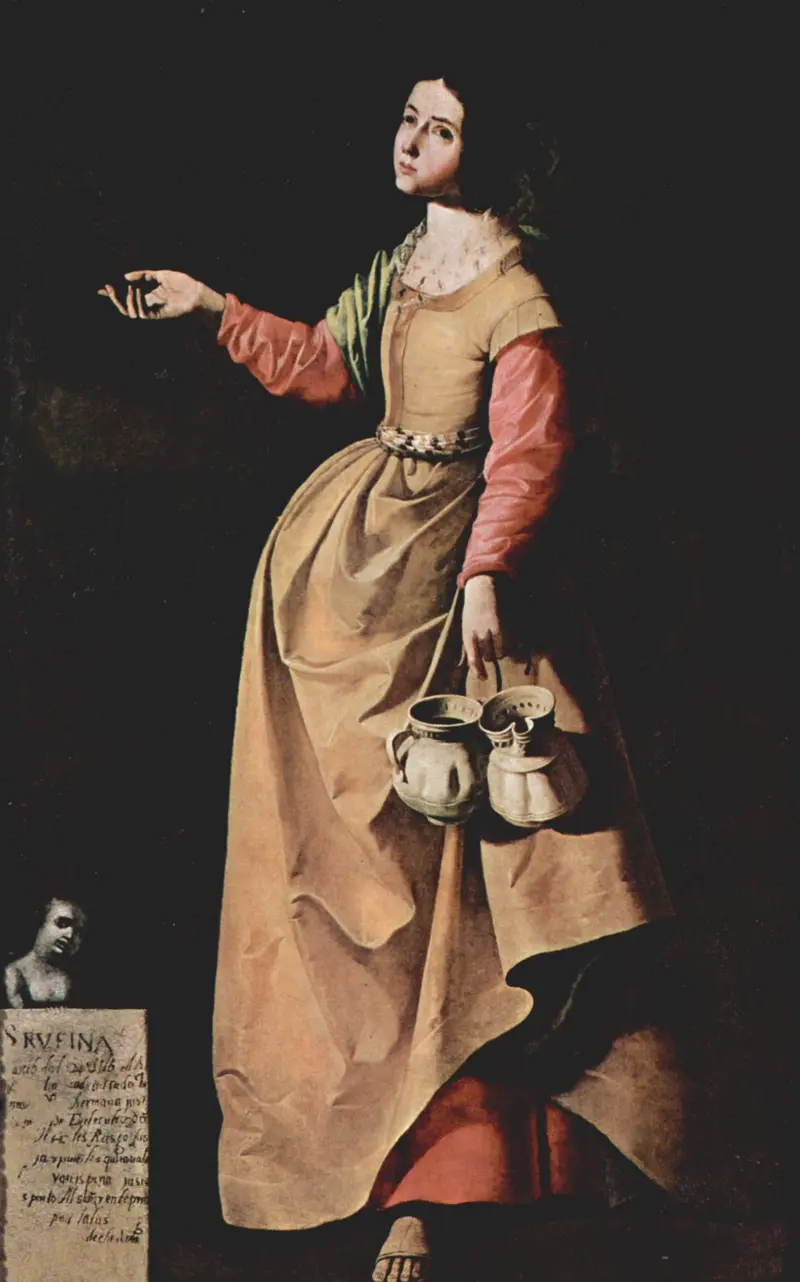
Saint Rufina
Francisco de Zurbarán
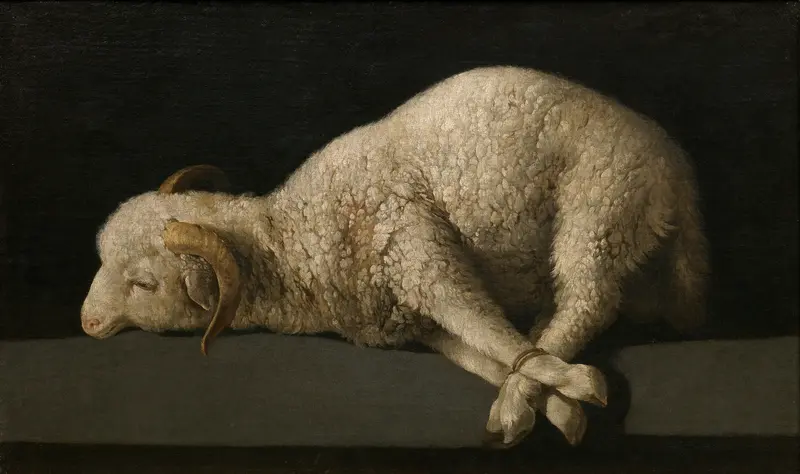
Agnus Dei
Francisco de Zurbarán
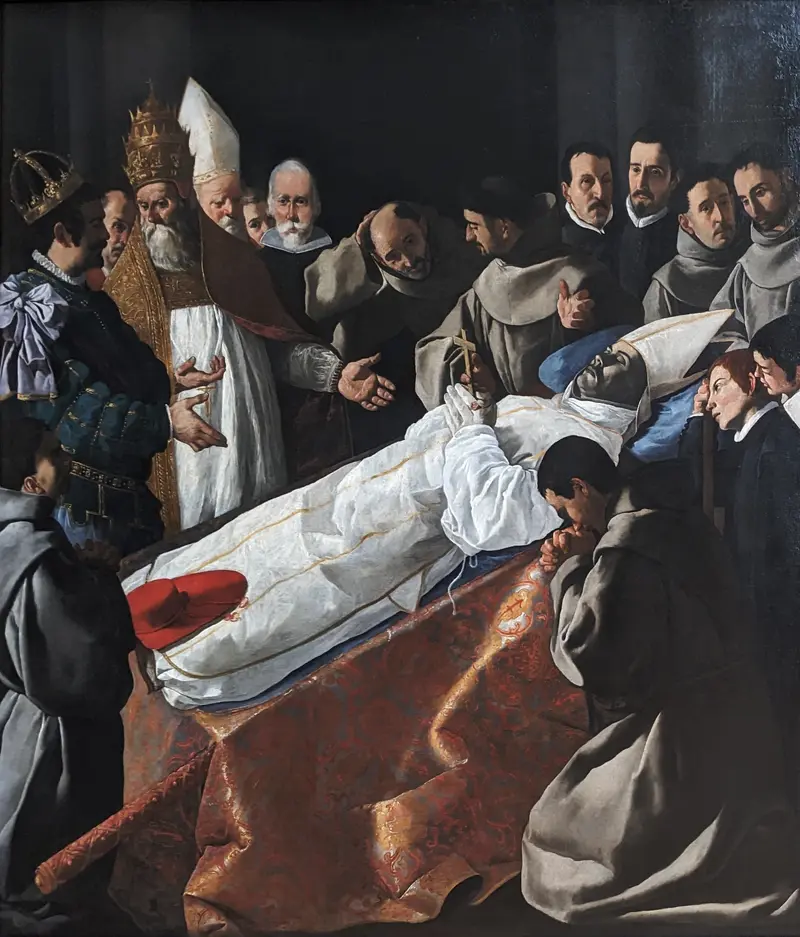
Saint Bonaventure's Body Lying in State
Francisco de Zurbarán
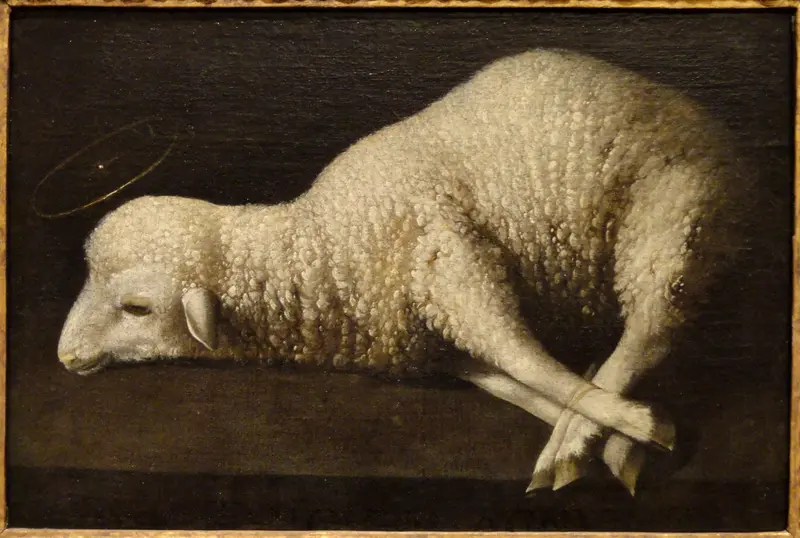
The Lamb of God
Francisco de Zurbarán

Adoration of the Magi
Francisco de Zurbarán
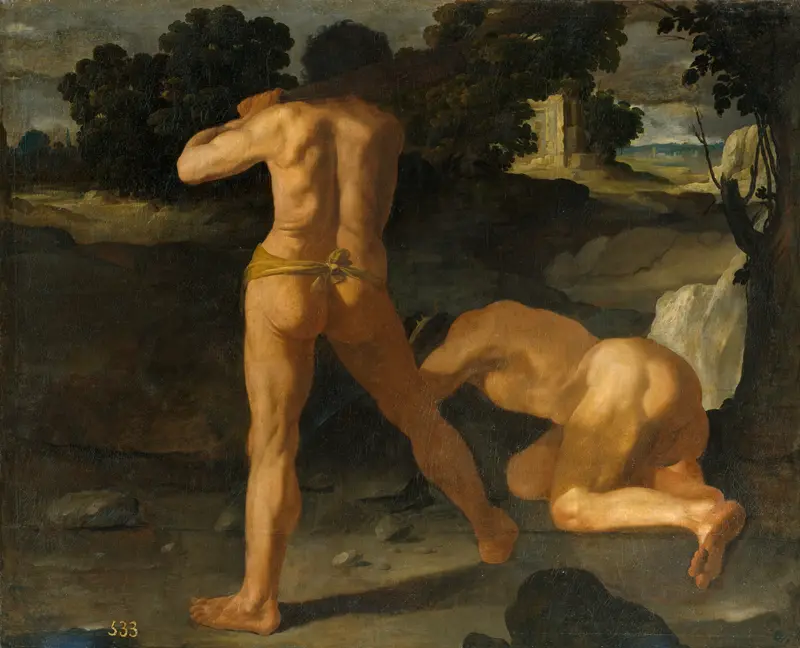
Hercules defeats King Geryon
Francisco de Zurbarán
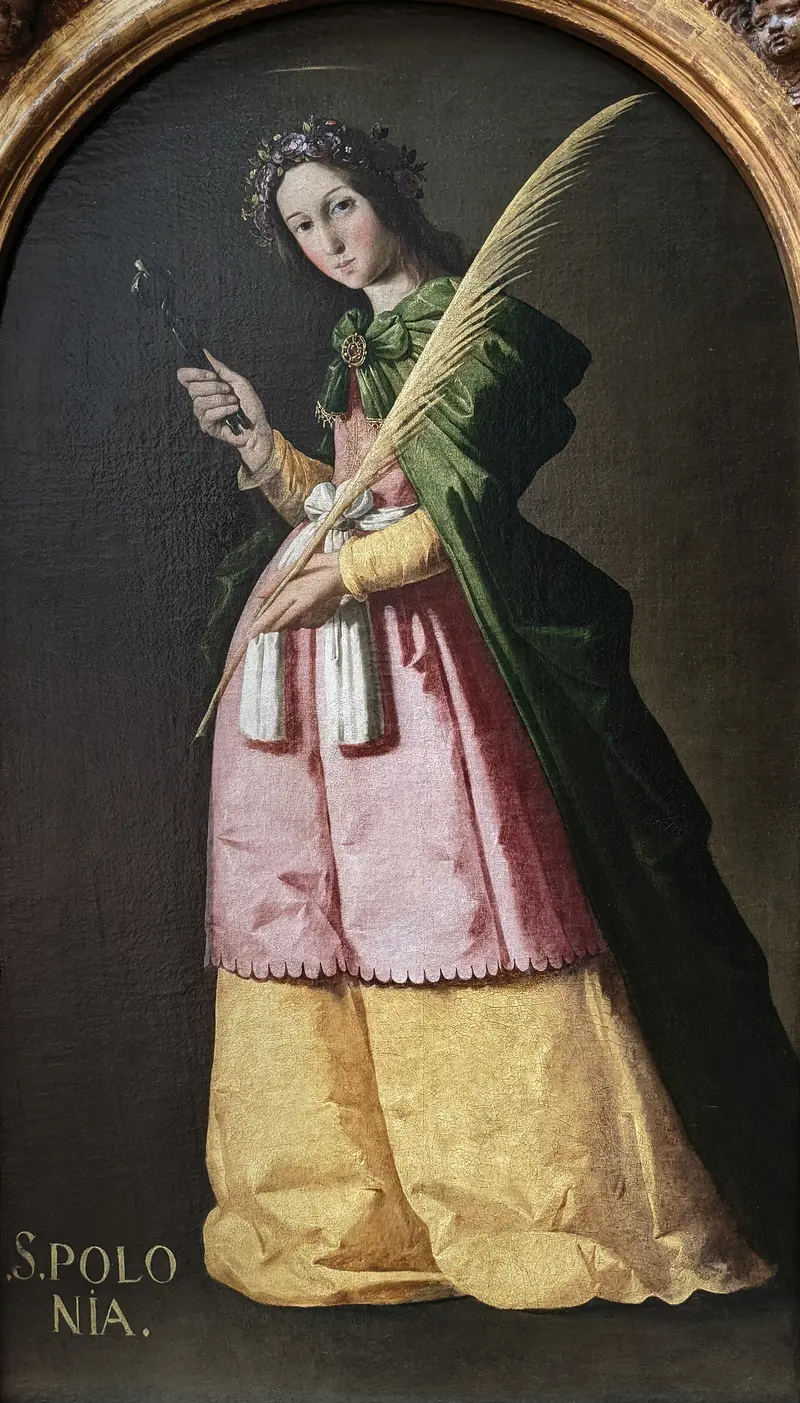
Saint Apollonia
Francisco de Zurbarán
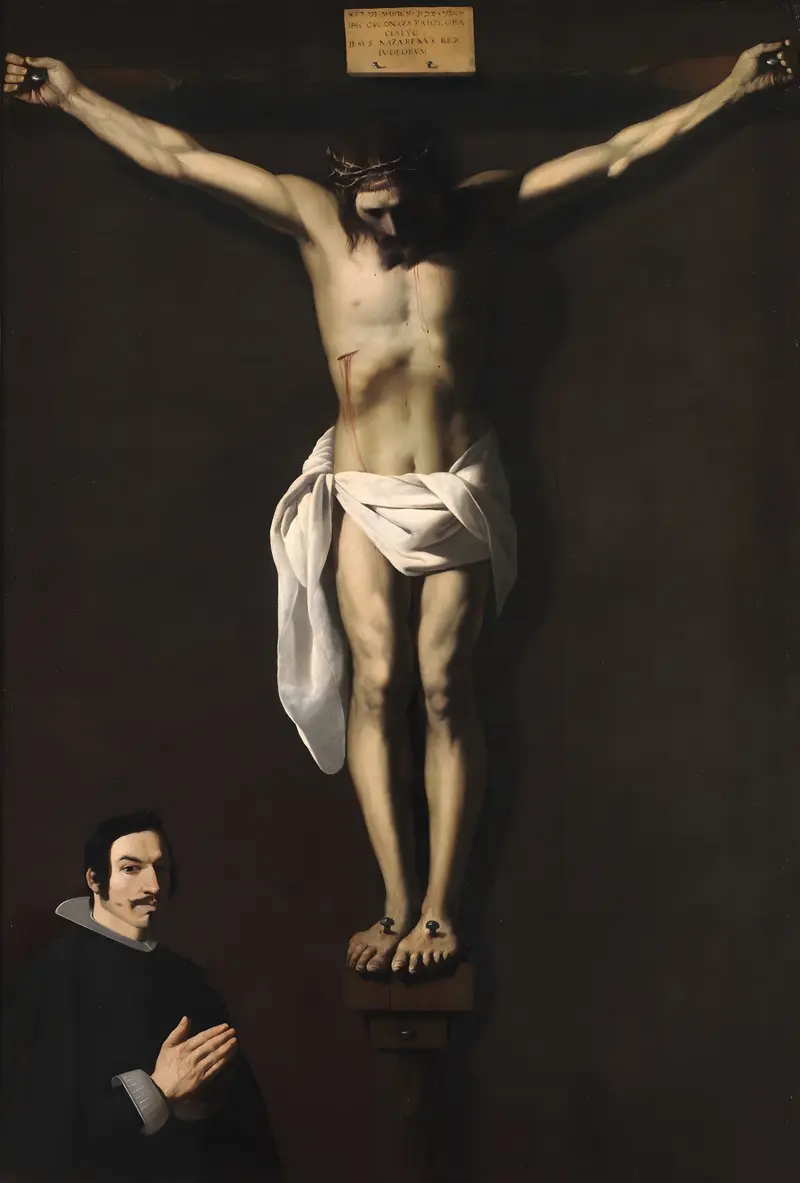
The Crucified Christ with a Donor
Francisco de Zurbarán
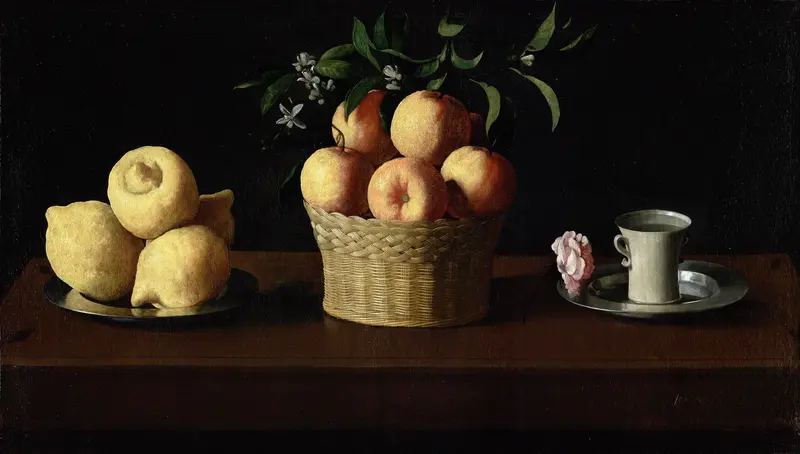
Still Life with Lemons, Oranges and a Rose
Francisco de Zurbarán
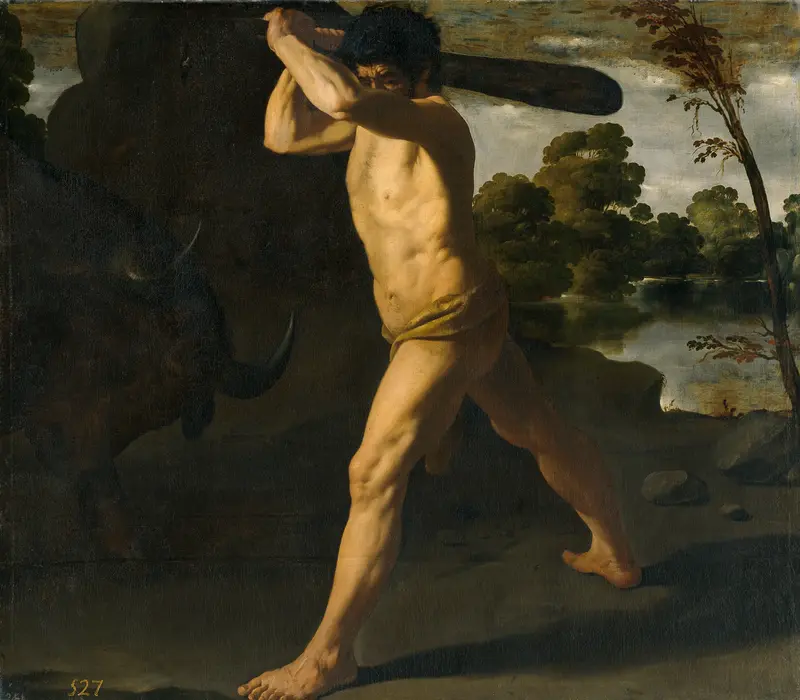
Hercules and the Cretan Bull
Francisco de Zurbarán





