
Saint Michael’s Chapel at l’Estre — History & Facts
In the quiet moments of solitude, divinity often emerges, inviting contemplation in the heart of chaos. Look to the upper left of the canvas, where the soft, diffused light bathes the chapel, illuminating the intricate details of the stonework. The gentle curves of the arches draw the eye upward, evoking a sense of aspiration and reverence. The muted, earthy palette contrasts sharply with the brilliance of the sky, creating a tranquil harmony that envelops the viewer in a serene embrace, as if time itself pauses to honor the sacredness of the space. Consider the subtle interplay of shadow and light that dances along the chapel's façade, hinting at the divine presence that lingers within.
The distant landscape, lush yet unyielding, serves as a reminder of the duality between the earthly and the ethereal. Each brushstroke reveals an emotional tension—between the steadfastness of man-made structures and the fleeting nature of the world beyond them—capturing the essence of spirituality amidst the tangible. In 1881, Félix Hilaire Buhot painted this piece while living in France, a time marked by rapid social changes and the rise of modernism. The artist often explored themes of light and atmosphere, seeking to capture fleeting moments that resonate with deeper meanings.
This work reflects not only his mastery of printmaking and watercolor but also the prevailing artistic dialogues of his time, where the quest for the sublime and the divine took on new forms amidst an evolving cultural landscape.
More Artworks by Félix Hilaire Buhot
Browse all →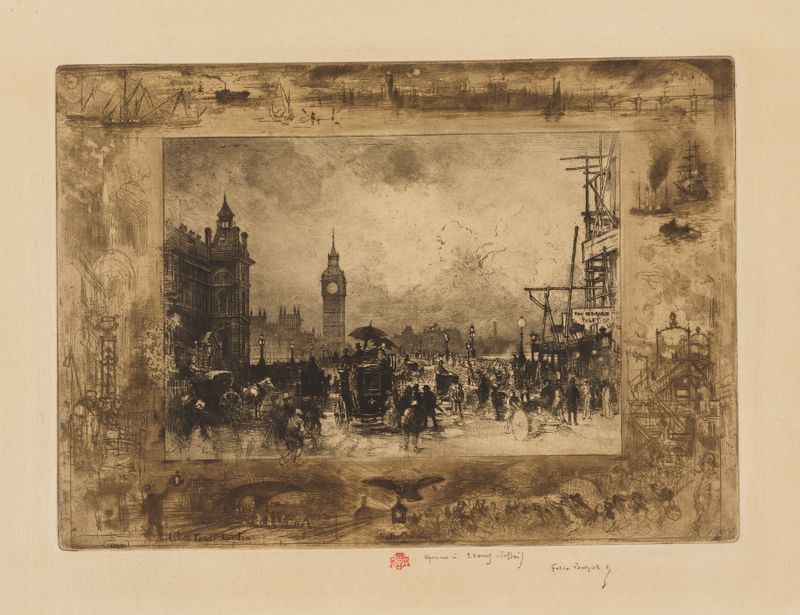
Westminster Bridge, or Westminster Clock Tower
Félix Hilaire Buhot
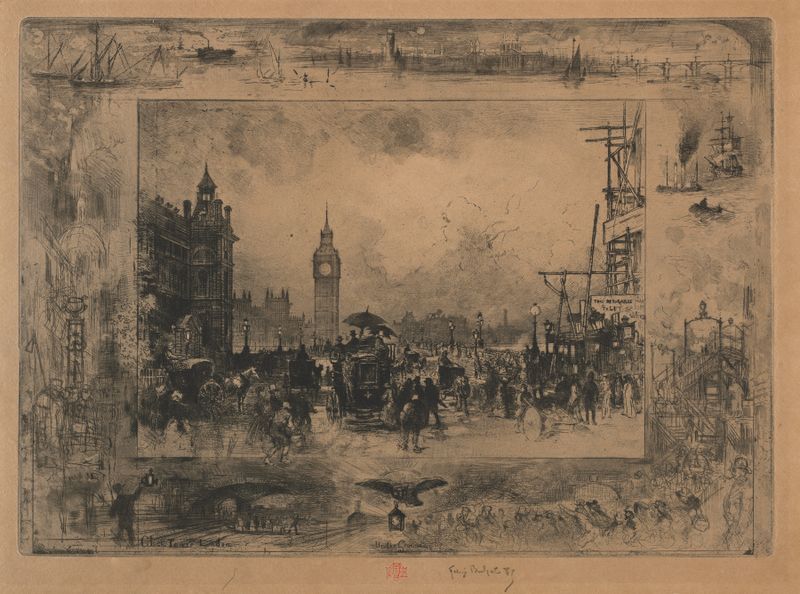
Westminster Bridge, or Westminster Tower
Félix Hilaire Buhot
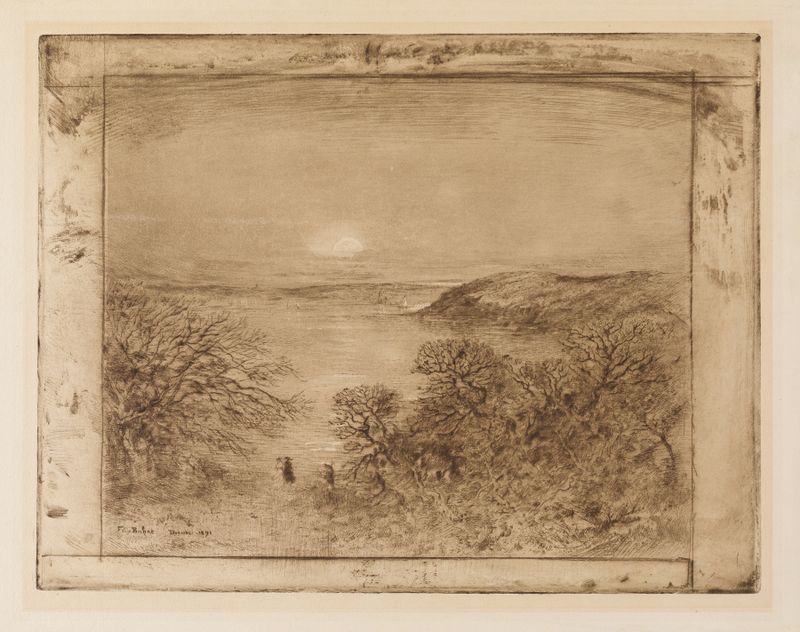
Moonrise at Dinard
Félix Hilaire Buhot
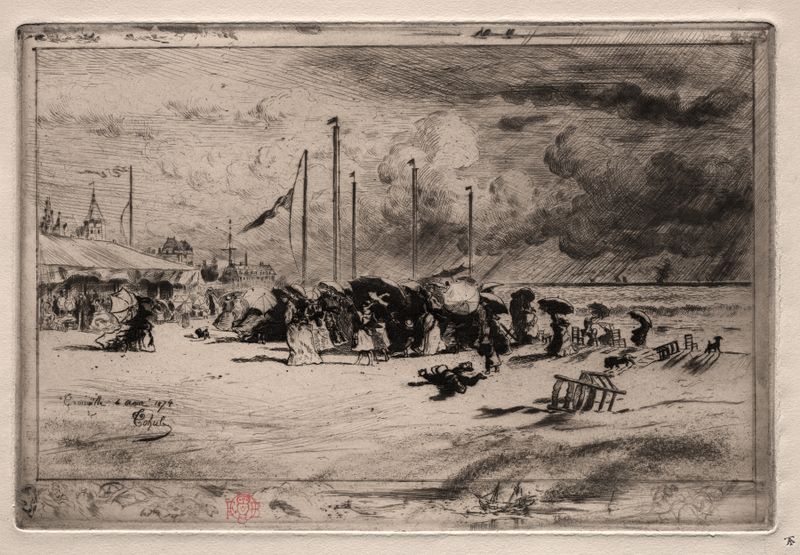
A Squall at Trouville
Félix Hilaire Buhot
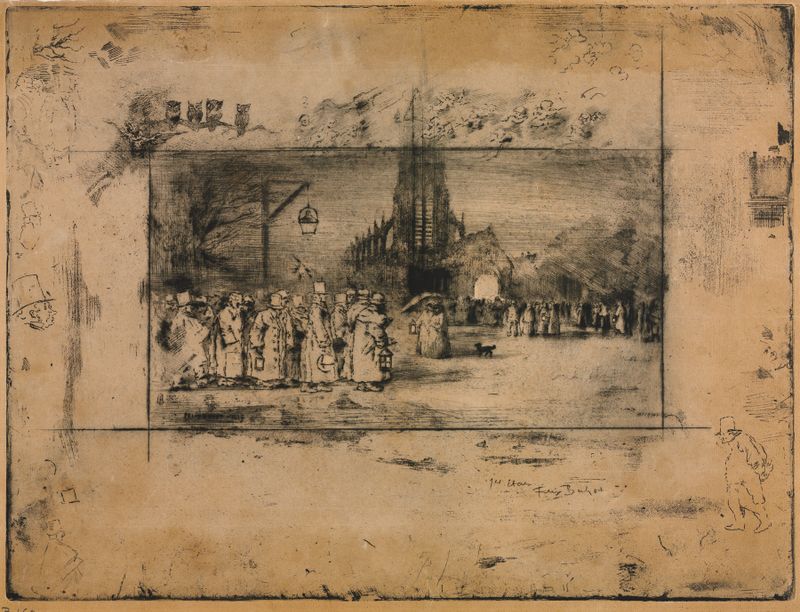
The Midnight Mass
Félix Hilaire Buhot
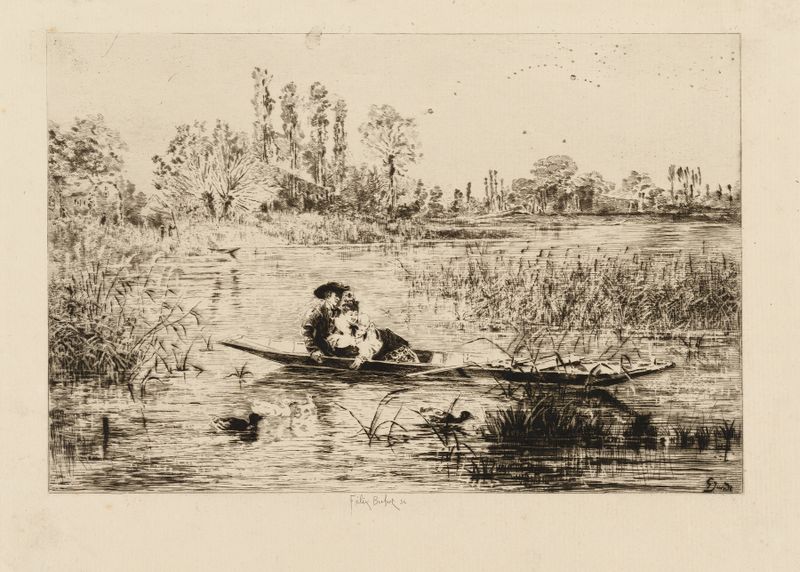
On the Thread of the Water
Félix Hilaire Buhot
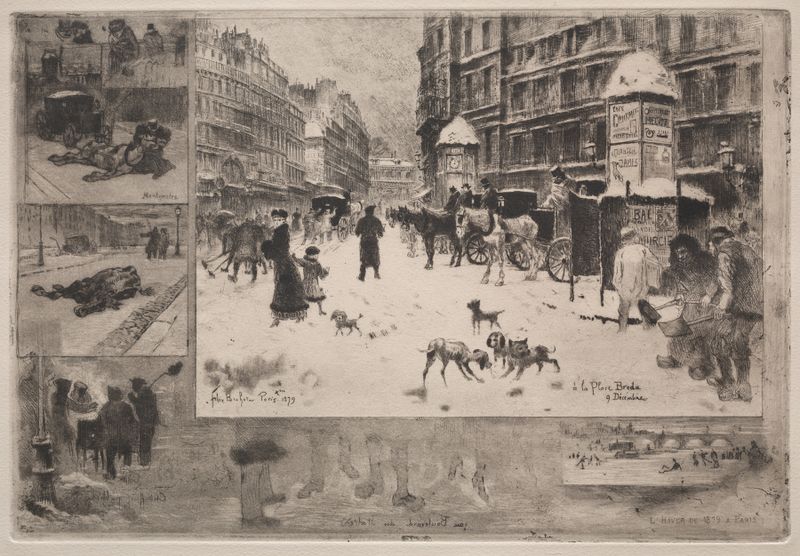
Winter in Paris
Félix Hilaire Buhot
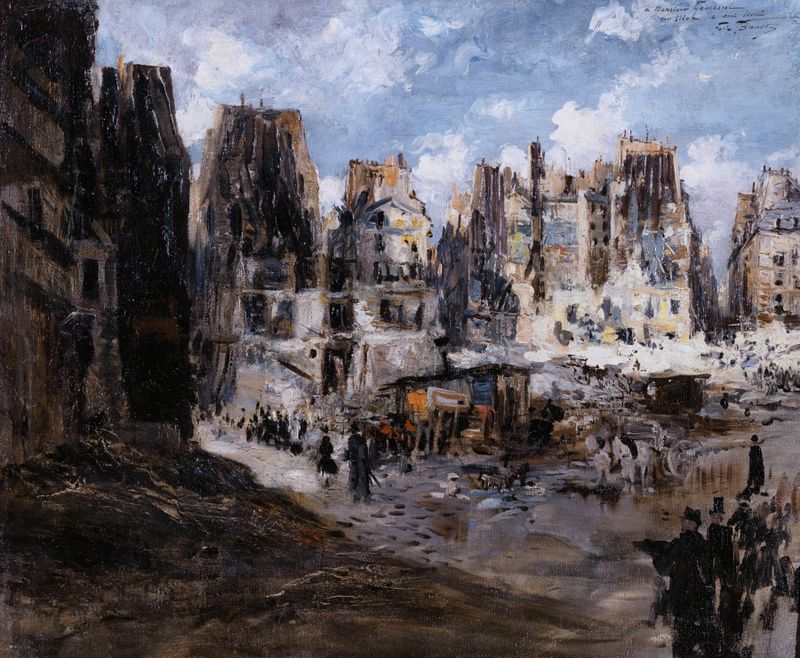
Le percement de l’avenue de l’Opéra.
Félix Hilaire Buhot
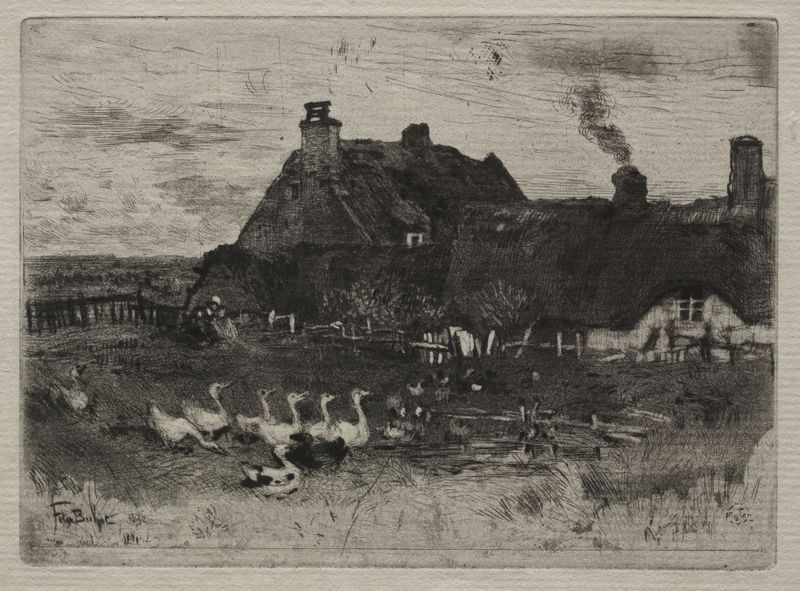
Thatched Cottages
Félix Hilaire Buhot
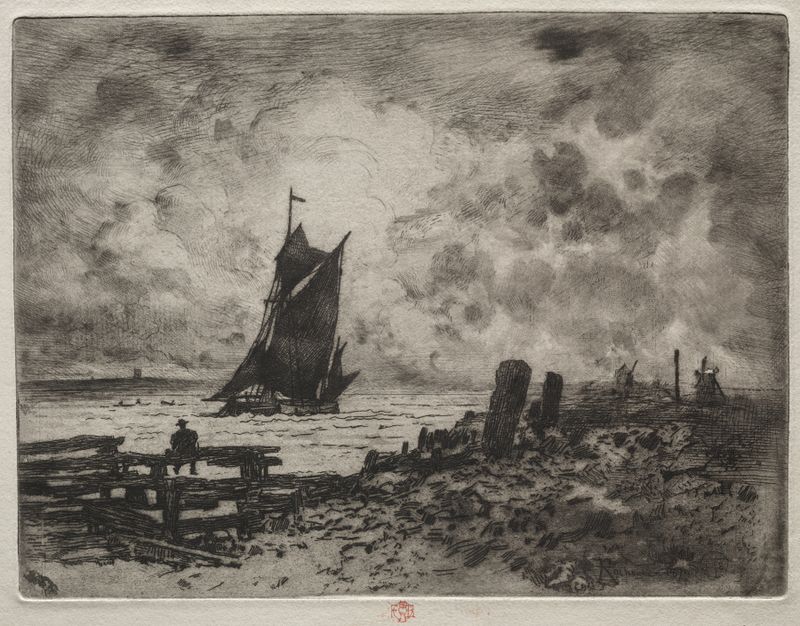
The Little Marine; Souvenir of Medway
Félix Hilaire Buhot
More Architecture Art
Browse all →
The statue of Liberty
Frédéric Auguste Bartholdi

View of Houses in Delft, Known as ‘The Little Street’
Johannes Vermeer

View of Houses in Delft, Known as ‘The Little Street’
Johannes Vermeer

The Cathedral in Rouen. The portal, Grey Weather
Claude Monet

The yellow house
Vincent van Gogh

The Church in Auvers-sur-Oise, View from the Chevet
Vincent van Gogh