
Saint Nicholas of Tolentino — History & Facts
When the Augustinian friar Saint Nicholas of Tolentino was canonized in 1446, devotion to him surged across Italy, inspiring a wave of commissions for his likeness. Among the most enigmatic is this work by Piero della Francesca, a painter renowned for his mathematical precision and serene figures. The painting’s origins are shrouded in mystery: neither its exact date nor its original location is securely known, and scholars still debate whether it was part of a larger altarpiece.
What is certain is that Piero’s depiction stands apart for its quiet gravity, capturing a saint whose miracles were said to have saved souls from purgatory and brought bread to the hungry. At the heart of the image, Saint Nicholas of Tolentino stands in his austere black habit, his right hand raised in blessing, his left holding a lily—a symbol of purity. The painter has chosen a moment of tranquil intercession, rather than one of the saint’s more dramatic miracles. The gold star that hovers near his head refers to the vision Nicholas reportedly received as a child, foretelling his sanctity.
Light falls evenly across the figure, flattening shadows and emphasizing the saint’s otherworldly calm—a hallmark of Piero della Francesca’s style, which differs from the more emotional treatments by contemporaries like Fra Angelico. The measured geometry of the composition guides the viewer’s eye upward, reinforcing the sense of spiritual ascent. Little is known about the early history of this painting, and no documentation survives to link it to a specific patron or church. It is likely that the work was created in the mid-15th century, during the height of Piero’s career, when he was active in central Italy and experimenting with perspective and light.
Over time, the painting has been separated from its original context, and its attribution to Piero della Francesca has occasionally been questioned, though most experts now agree on his authorship. Today, it stands as a testament to the artist’s ability to infuse even the humblest of saints with dignity and presence, embodying the calm rationality that defines the Early Renaissance.
More Artworks by Piero Della Francesca

Portrait of the Duchess of Urbino, Battista Sforza
Piero Della Francesca

Portrait of Federico da Montefeltro
Piero Della Francesca

Federico da Montefeltro, Duke of Urbino
Piero Della Francesca
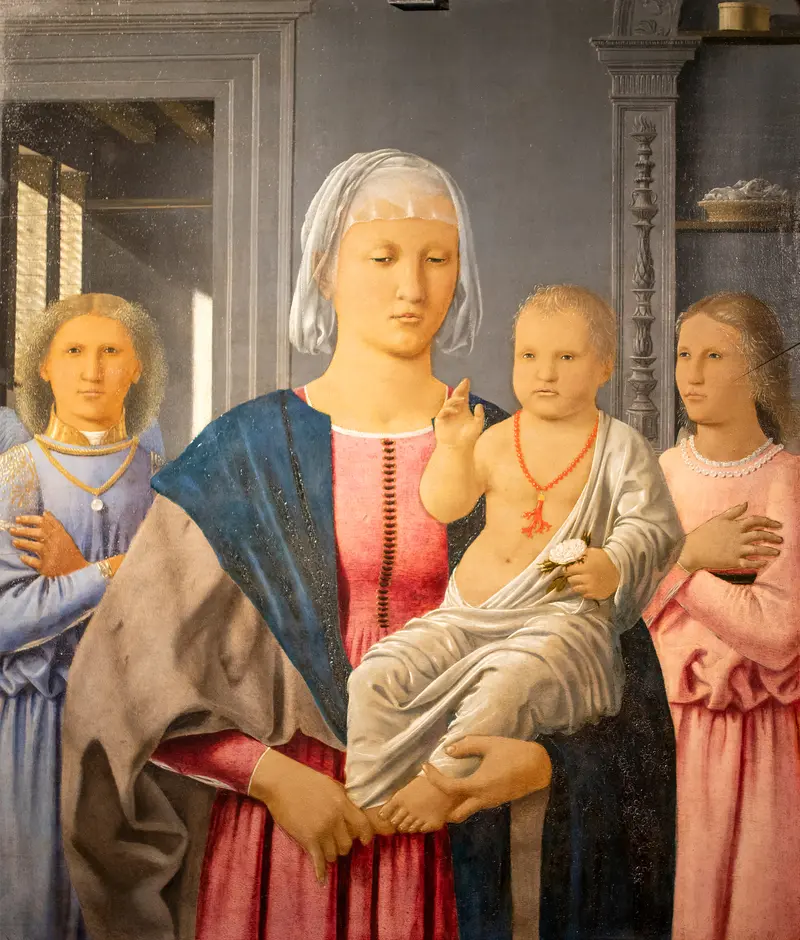
Madonna di Senigallia
Piero Della Francesca
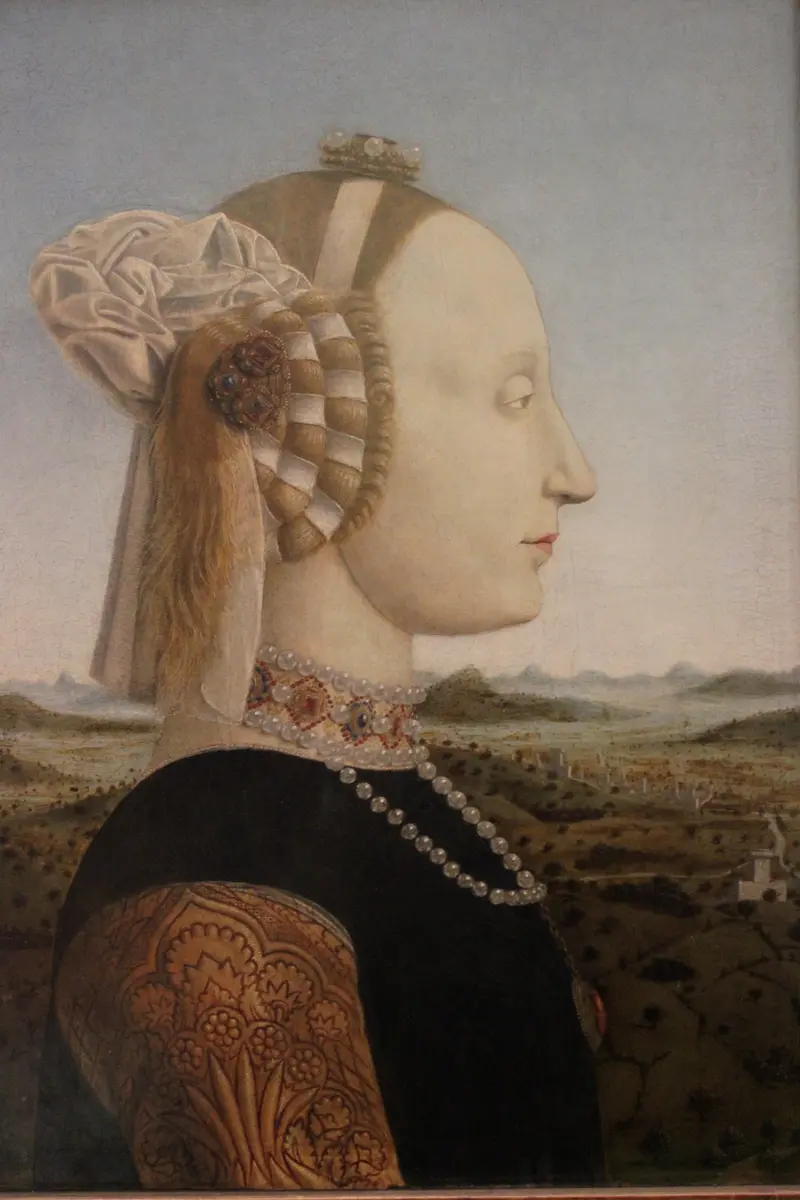
Portrait of Battista Sforza
Piero Della Francesca
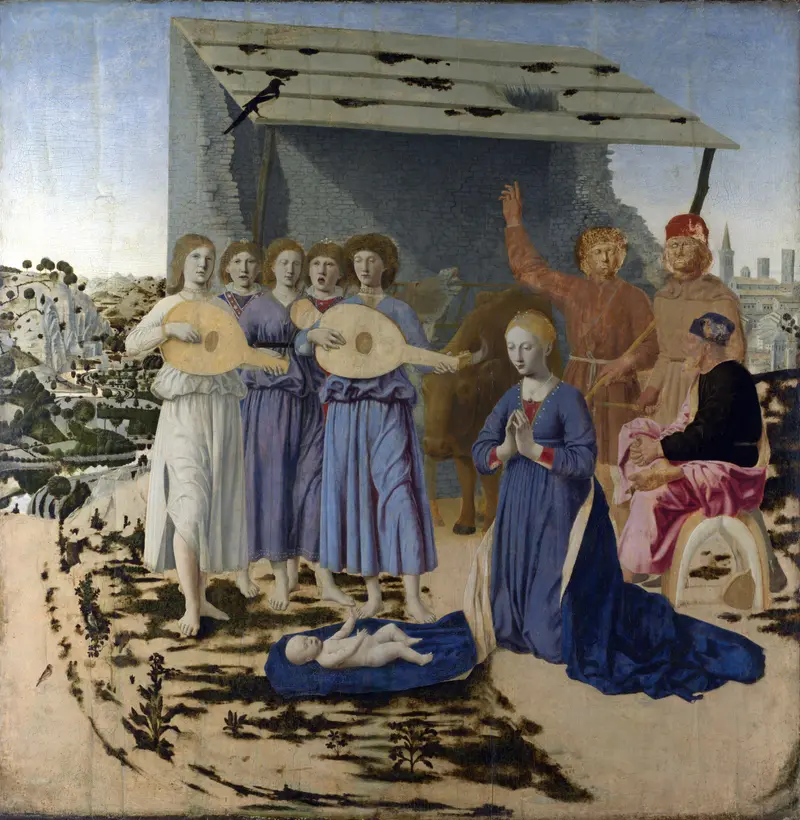
The Nativity
Piero Della Francesca
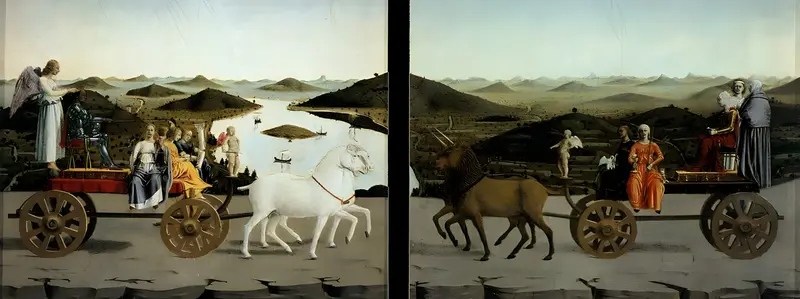
Diptych of Federico da Montefeltro and Battista Sforza
Piero Della Francesca
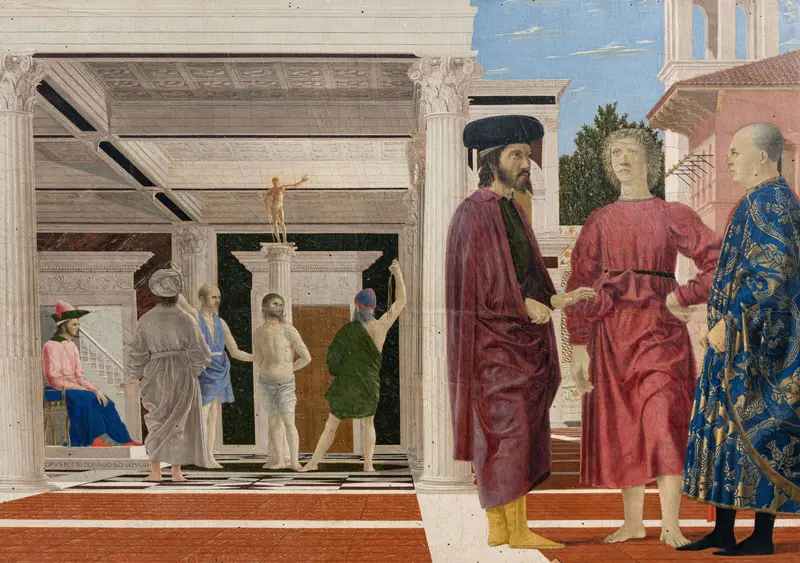
Flagellation of Christ
Piero Della Francesca
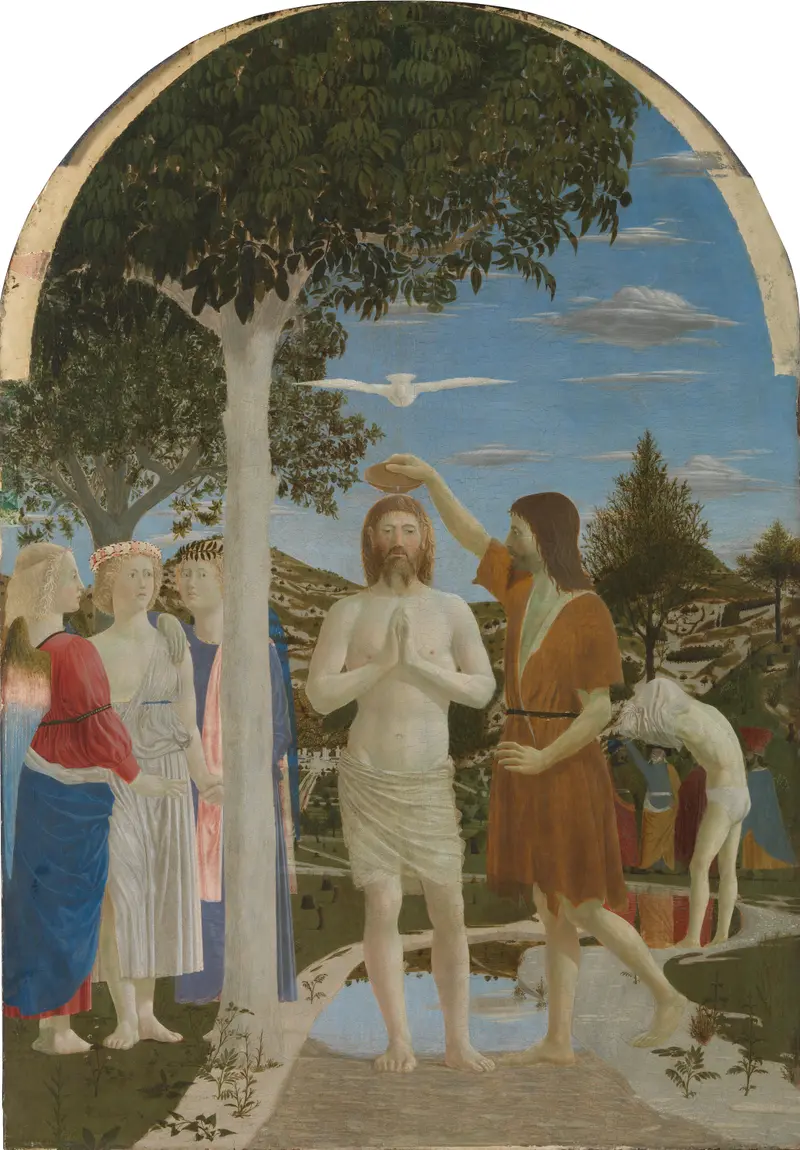
The Baptism of Christ
Piero Della Francesca
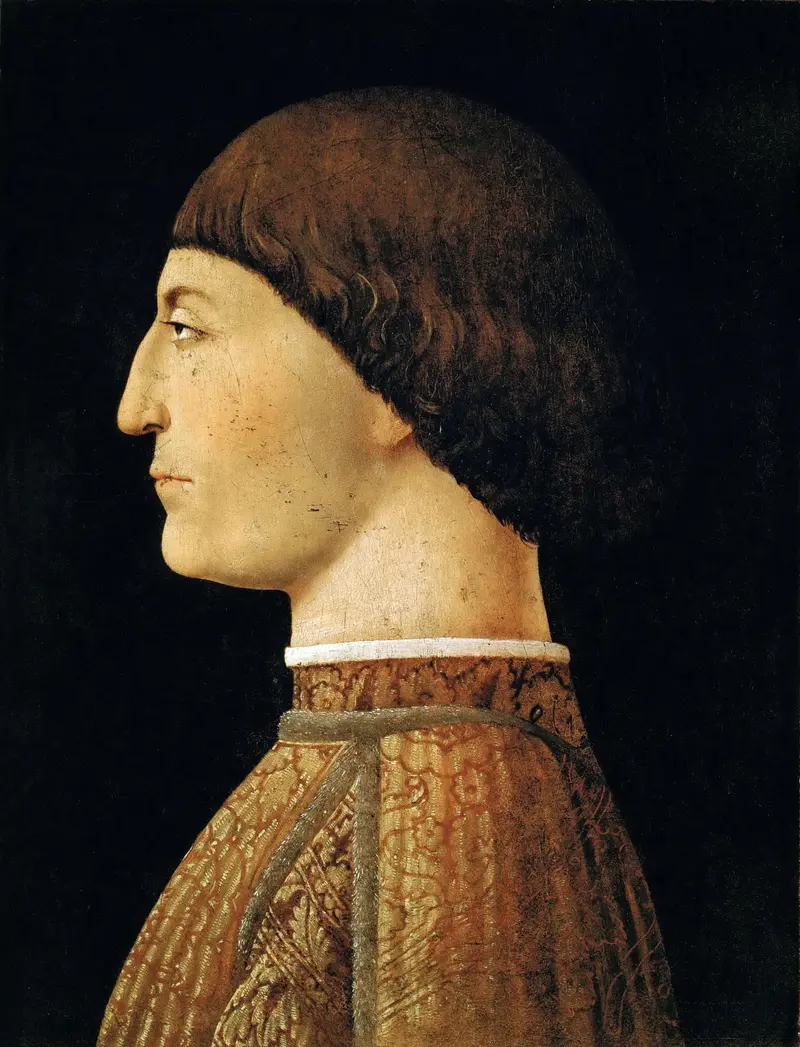
Portrait of Sigismondo Pandolfo Malatesta
Piero Della Francesca





