
Saint Peter Visiting Saint Agatha In Prison — History & Facts
Few saints endured more harrowing ordeals than Saint Agatha of Sicily, whose torture and steadfastness in 251 AD became a rallying cry for early Christians. The moment when she was visited in her prison cell by Saint Peter—who, according to legend, miraculously healed her wounds—captured the imagination of artists for centuries. This episode, celebrated in both hagiography and art, was a favorite subject for painters seeking to dramatize the power of faith and divine intervention.
Simon Vouet, a leading figure of the French Baroque, brought his own theatrical sensibility to this miraculous encounter, making it a showcase of both suffering and hope. Vouet chooses the instant when the battered Agatha, chained and wounded, receives the unexpected comfort of Peter’s presence. The apostle, identified by his keys and flowing beard, leans toward her with a gesture of blessing, his hand raised in a sign of healing. Light pours into the dark cell, illuminating Agatha’s face and the white cloth that binds her wounds—a visual metaphor for purity and salvation.
The contrast of shadow and radiance heightens the drama, recalling the tenebrism of Caravaggio, yet Vouet’s figures are softer, their gestures more theatrical, their draperies swirling with a French elegance. The chain at Agatha’s feet, the broken column, and the angelic attendant all serve as visual cues to her suffering and sanctity. The precise origins of Saint Peter Visiting Saint Agatha In Prison remain uncertain, as neither its commission nor its early history is firmly documented. This lack of records is not unusual for Vouet’s religious works, many of which were created for private devotion or smaller chapels and later dispersed.
The painting’s style suggests it was made during Vouet’s mature period, after his return to France from Italy in the 1620s, when he was at the height of his influence and popularity. Today, the work stands as a testament to Vouet’s ability to blend Italian drama with French grace, and although its journey through collections is not fully traced, it continues to invite viewers into the world of early Christian martyrdom and miraculous faith.
More Artworks by Simon Vouet

Portrait of Louis XIII
Simon Vouet
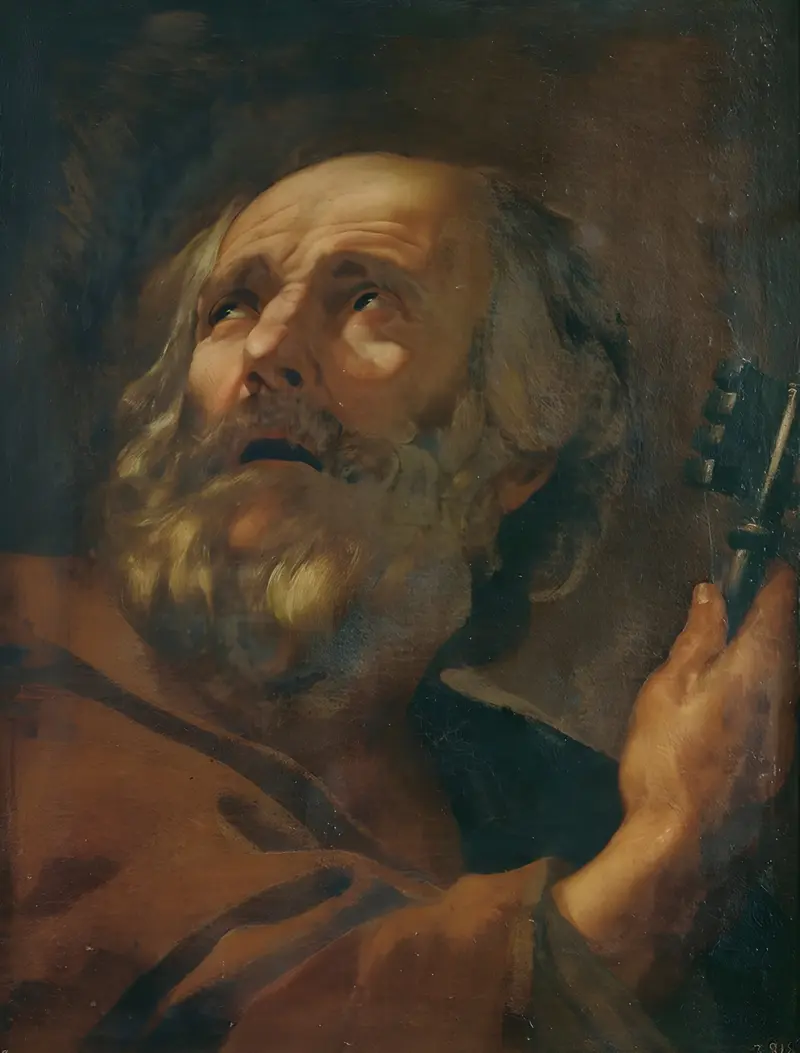
Saint Peter
Simon Vouet
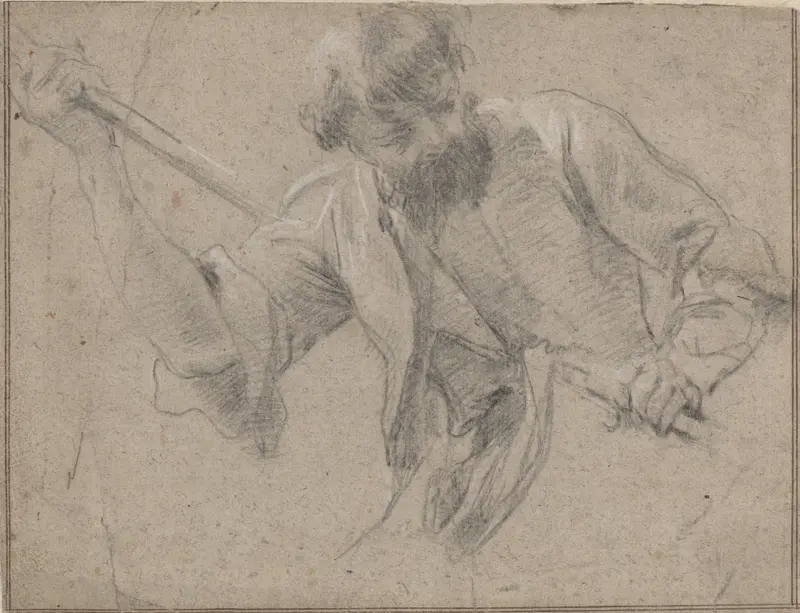
A Bearded Man with a Staff
Simon Vouet
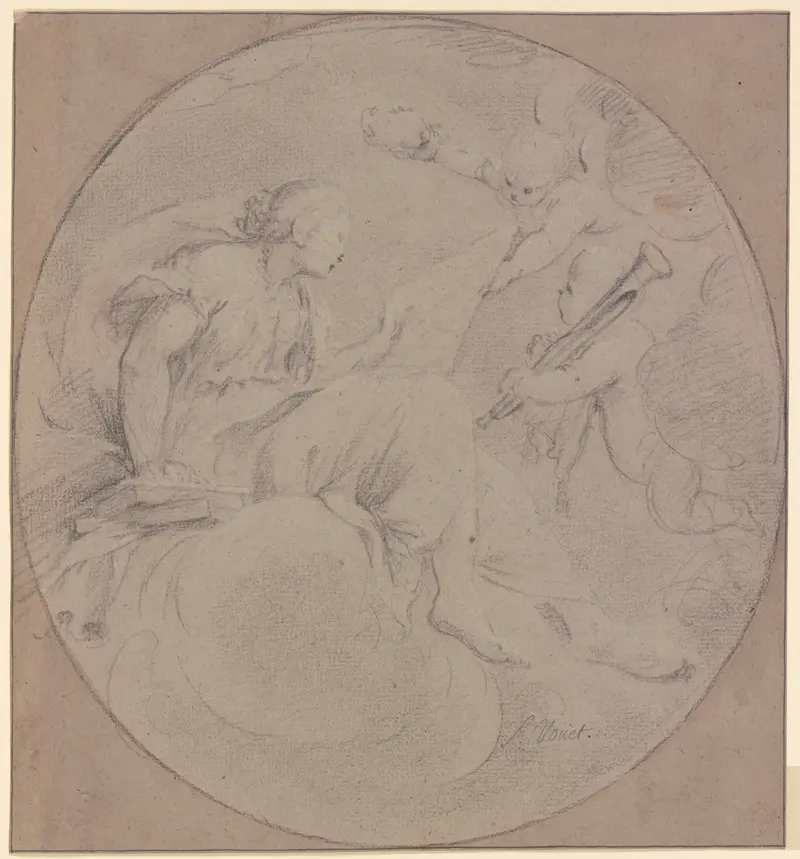
Die Muse der Musik mit zwei Genien, deren einer eine Trompete trägt
Simon Vouet
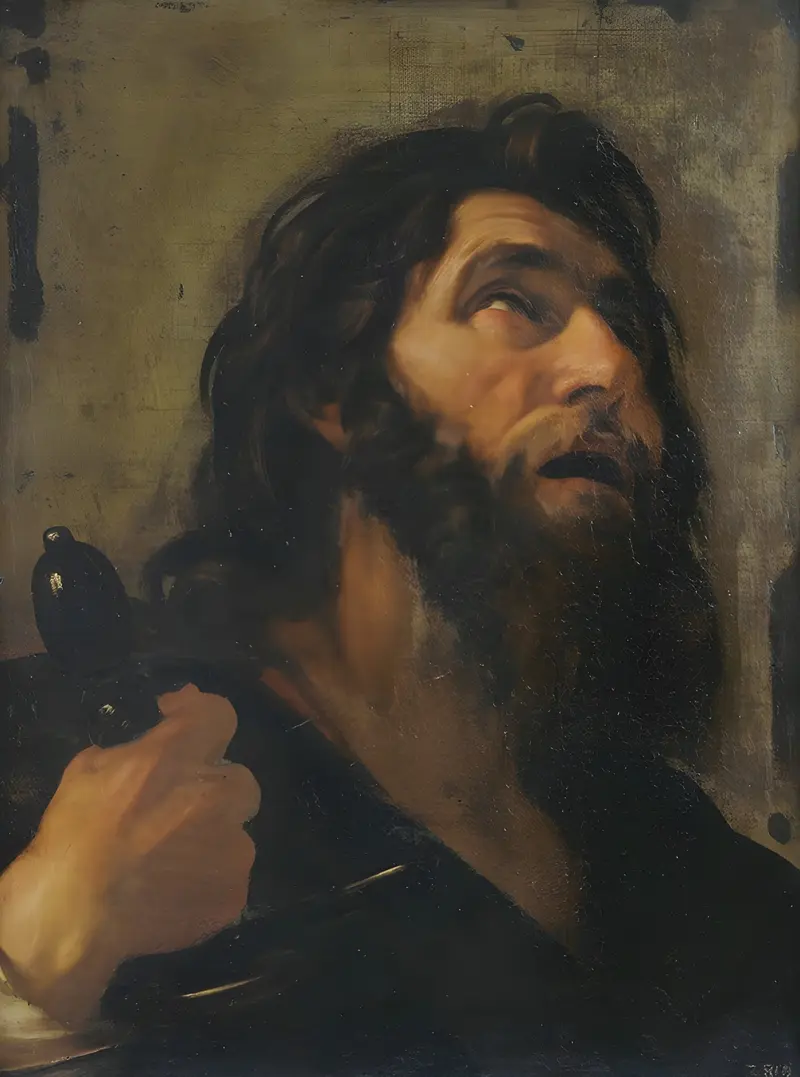
Saint Paul
Simon Vouet
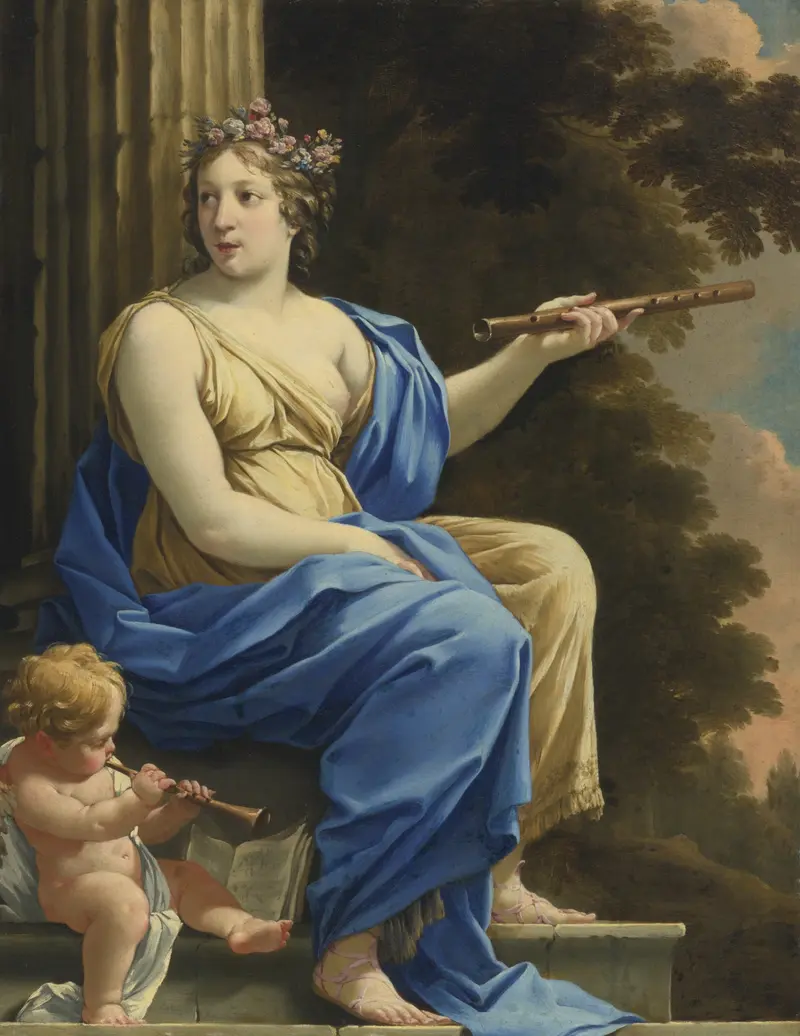
Euterpe, The Muse Of Music And Lyric Poetry
Simon Vouet
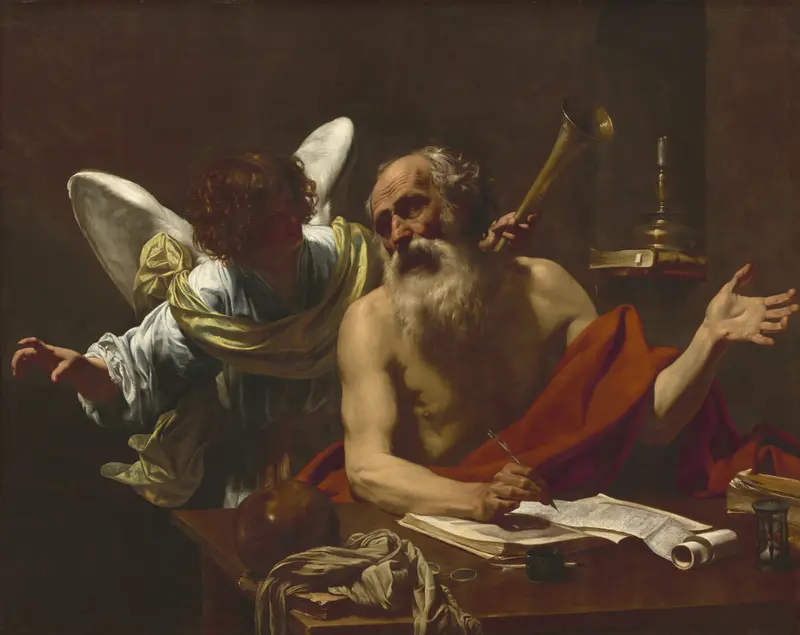
Saint Jerome and the Angel
Simon Vouet
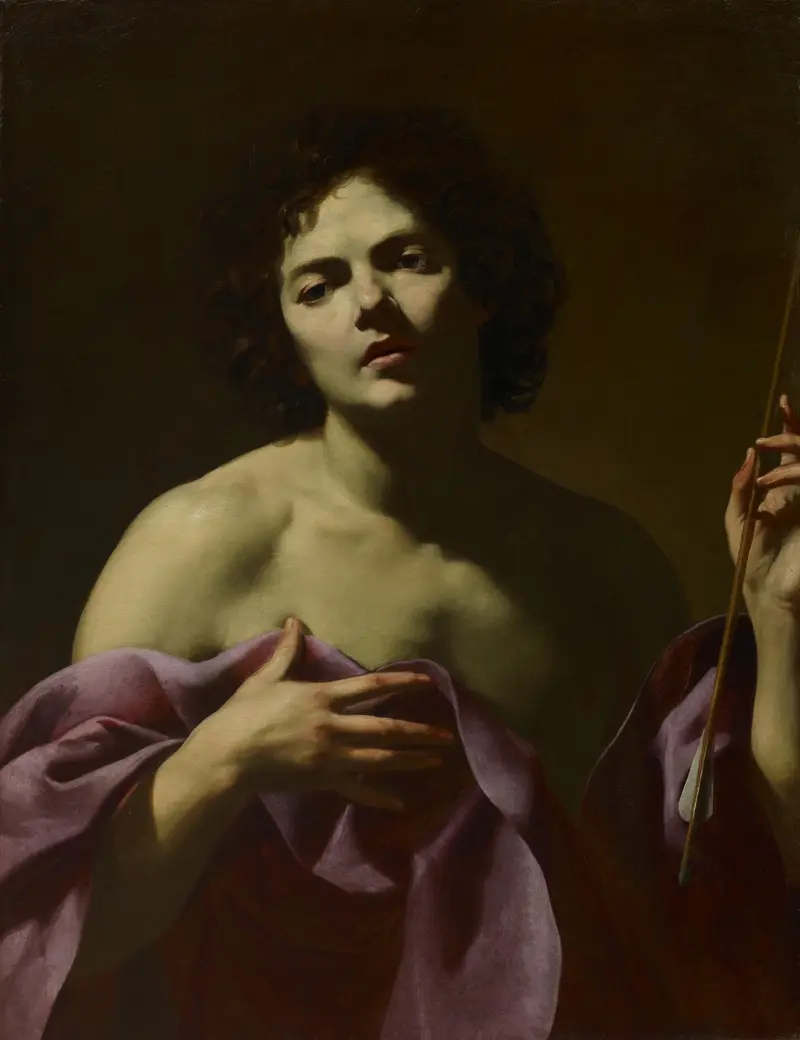
Saint Sebastian
Simon Vouet
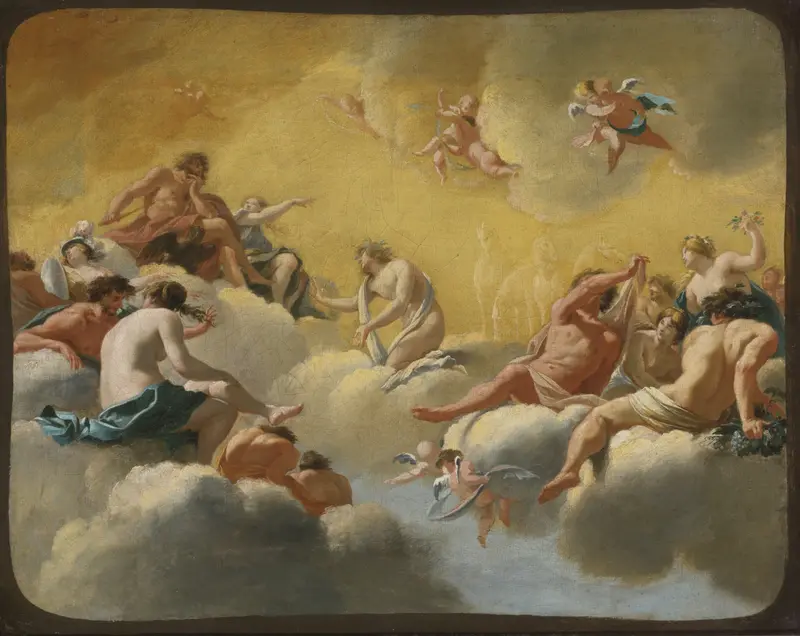
Assembly Of The Gods
Simon Vouet
Madonna and Child
Simon Vouet





