
Saint Sebastian — History & Facts
When Sandro Botticelli painted Saint Sebastian in 1474, he was just beginning to forge his own path in Florence, and this work stands out as his only known depiction of a male nude in isolation. Created for the church of Santa Maria Maggiore, the painting offered Florentines a rare vision: a Christian martyr rendered with the idealized beauty and calm more typical of ancient sculpture than of devotional art. Giorgio Vasari, writing decades later, singled out this work for its "graceful and measured" figure, noting how it seemed to unite the antique with the Christian. At the heart of the painting stands Sebastian, bound to a column, his body pierced by arrows yet tranquil in expression.
Botticelli chooses the moment after the violence, when suffering has given way to acceptance; the saint’s relaxed posture and upward gaze suggest spiritual endurance rather than agony. The soft modeling of flesh, the rhythmic arrangement of limbs, and the measured fall of drapery all recall classical statuary—an approach quite distinct from the more dramatic, contorted Sebastians painted by Andrea Mantegna around the same time. The arrows, symbols of martyrdom, are almost gentle, their wounds barely marring the saint’s serene form, as if Botticelli wished to emphasize the victory of faith over pain. The original commission by the Florentine wool guild placed Saint Sebastian in a prominent church setting, where it would have been seen by a wide public.
Over the centuries, the painting’s delicate balance between pagan form and Christian content has drawn the attention of scholars and collectors alike. Today, it resides in the Gemäldegalerie in Berlin, far from its Florentine origins, and remains a touchstone for understanding Botticelli’s early engagement with humanist ideals and the artistic currents of the early Renaissance. Its survival in excellent condition allows viewers to appreciate both Botticelli’s technical skill and his quiet, innovative approach to sacred subjects.
More Artworks by Sandro Botticelli
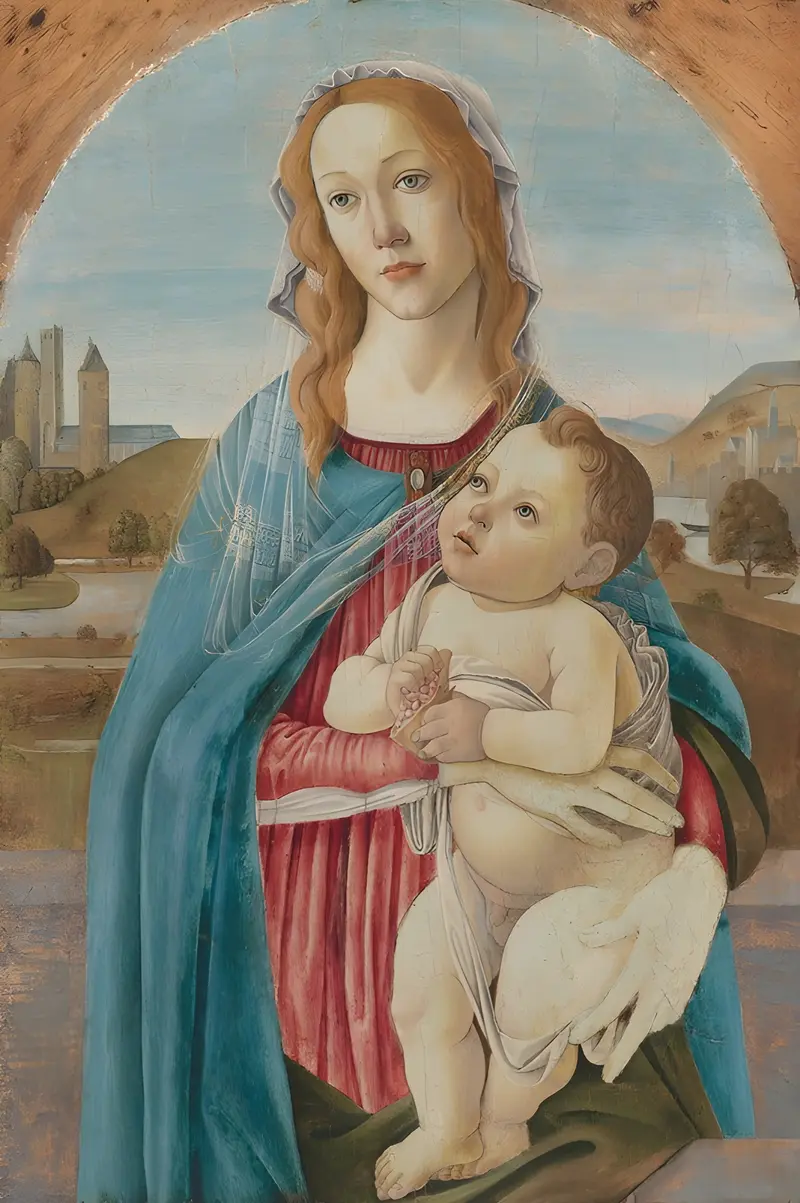
Virgin and Child
Sandro Botticelli
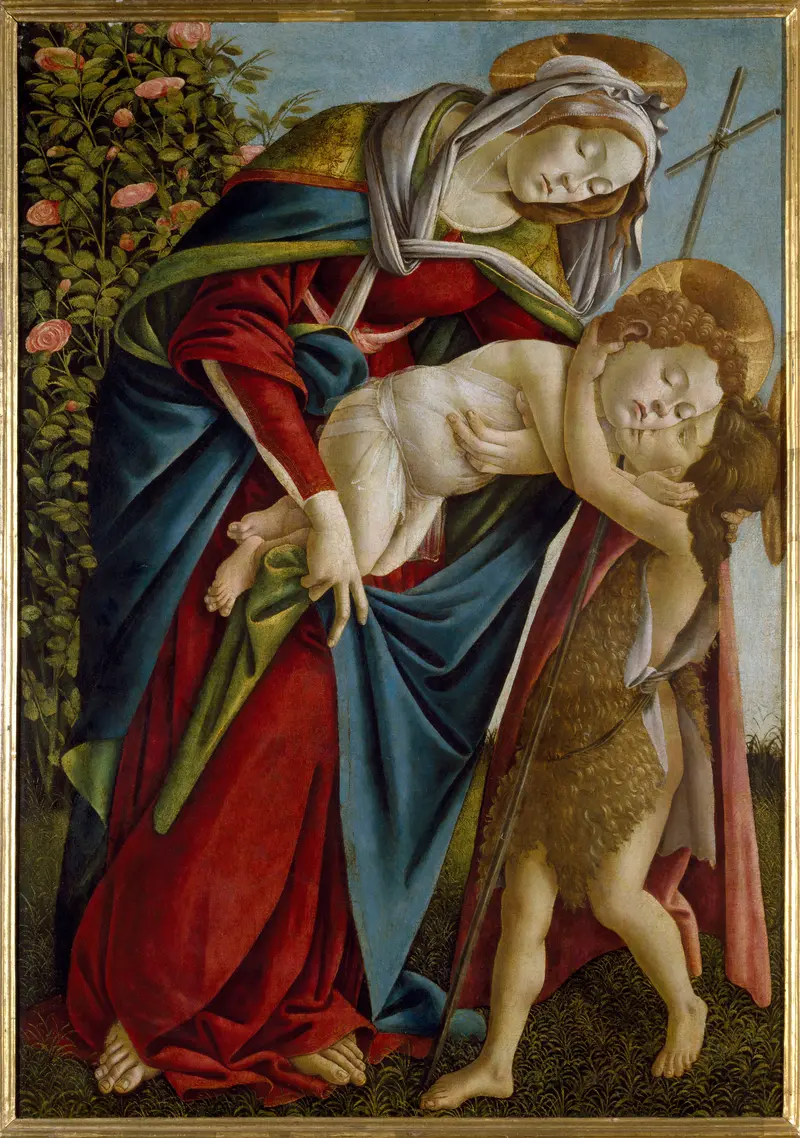
Madonna and Child and the Young St John the Baptist
Sandro Botticelli
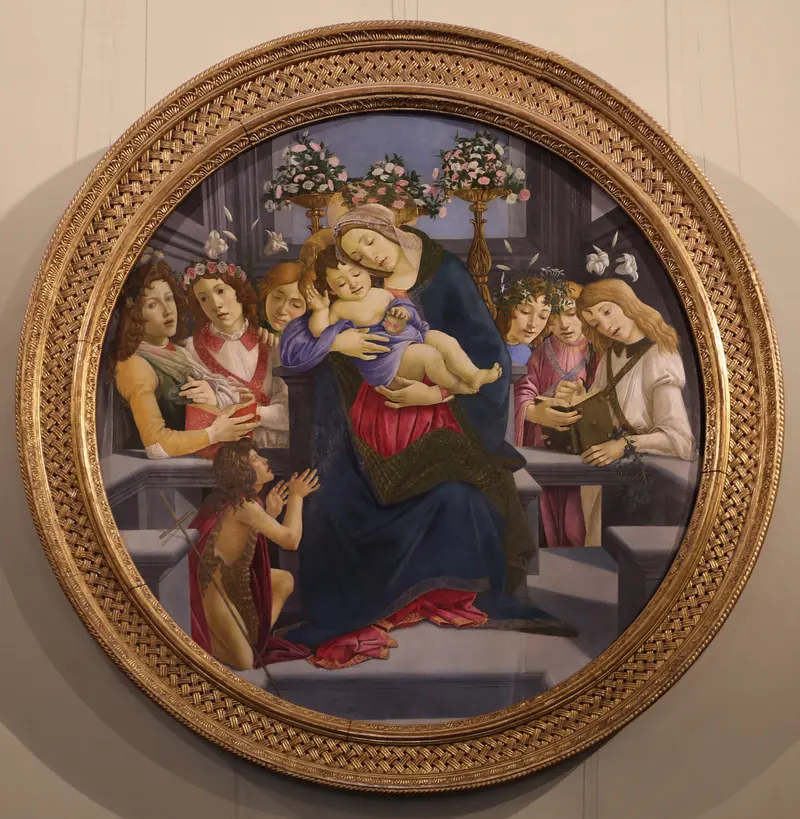
Madonna and Child with six angels and Saint John the Baptist as Child
Sandro Botticelli
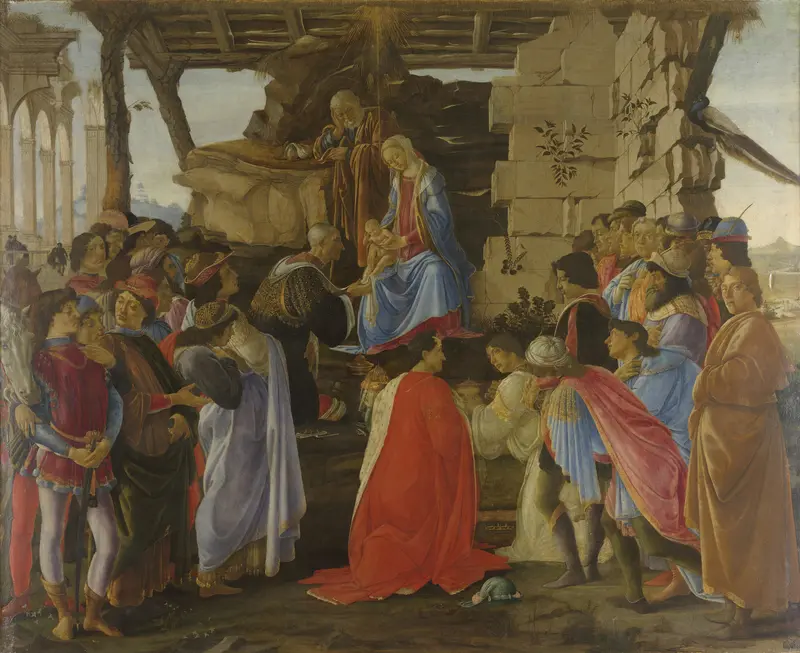
Adoration of the Magi
Sandro Botticelli

Virgin and Child with the Young Saint John the Baptist
Sandro Botticelli
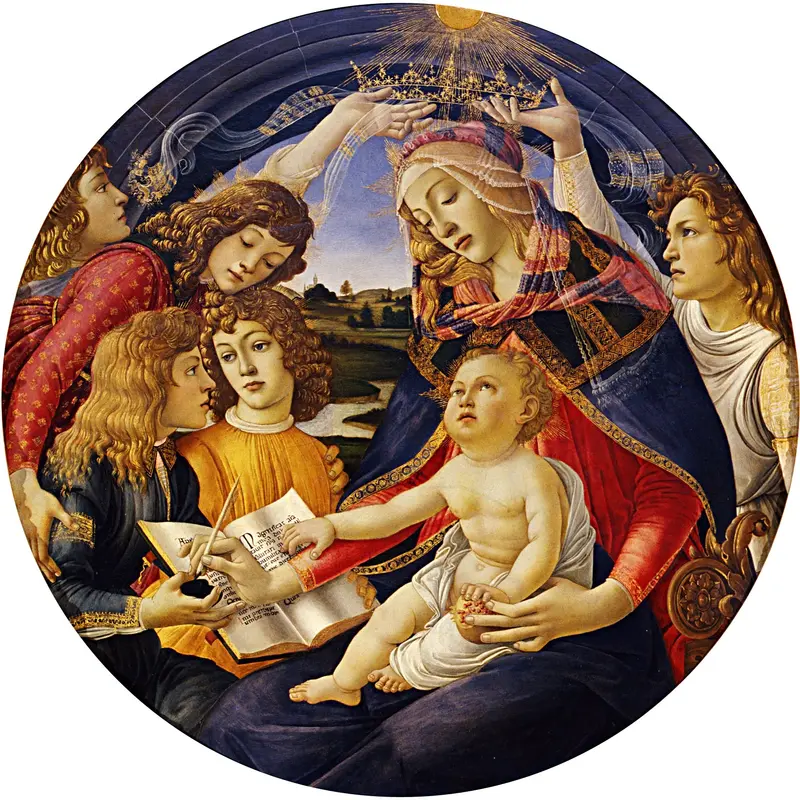
Madonna of the Magnificat
Sandro Botticelli
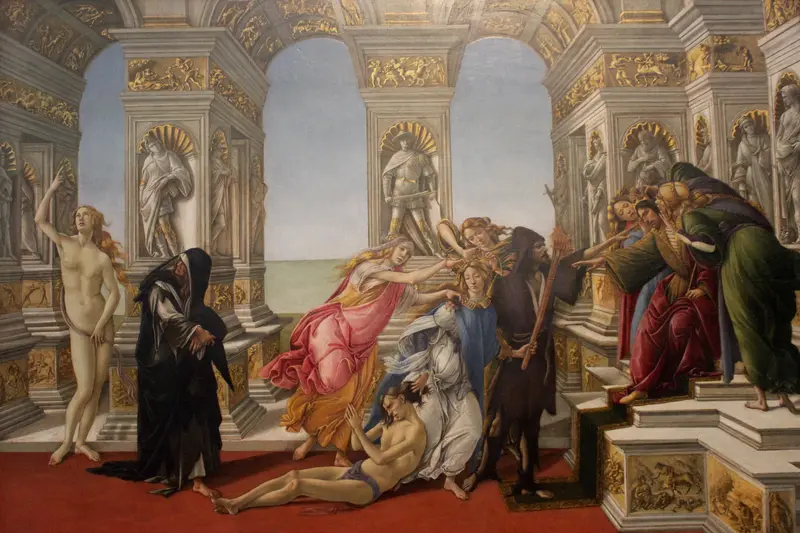
Calumny of Apelles
Sandro Botticelli
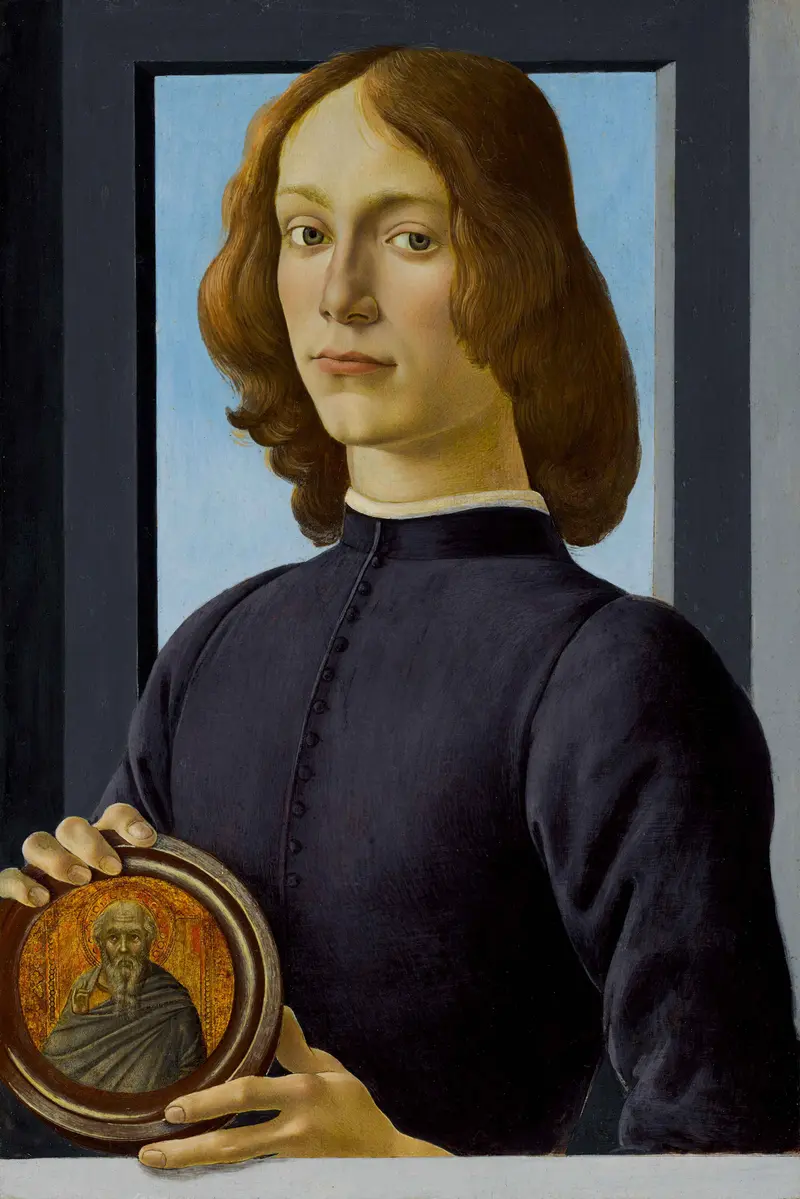
Portrait of a young man holding a roundel
Sandro Botticelli

The Trinity with Saint Mary Magdalene and Saint John the Baptist, the Archangel Raphael and Tobias
Sandro Botticelli
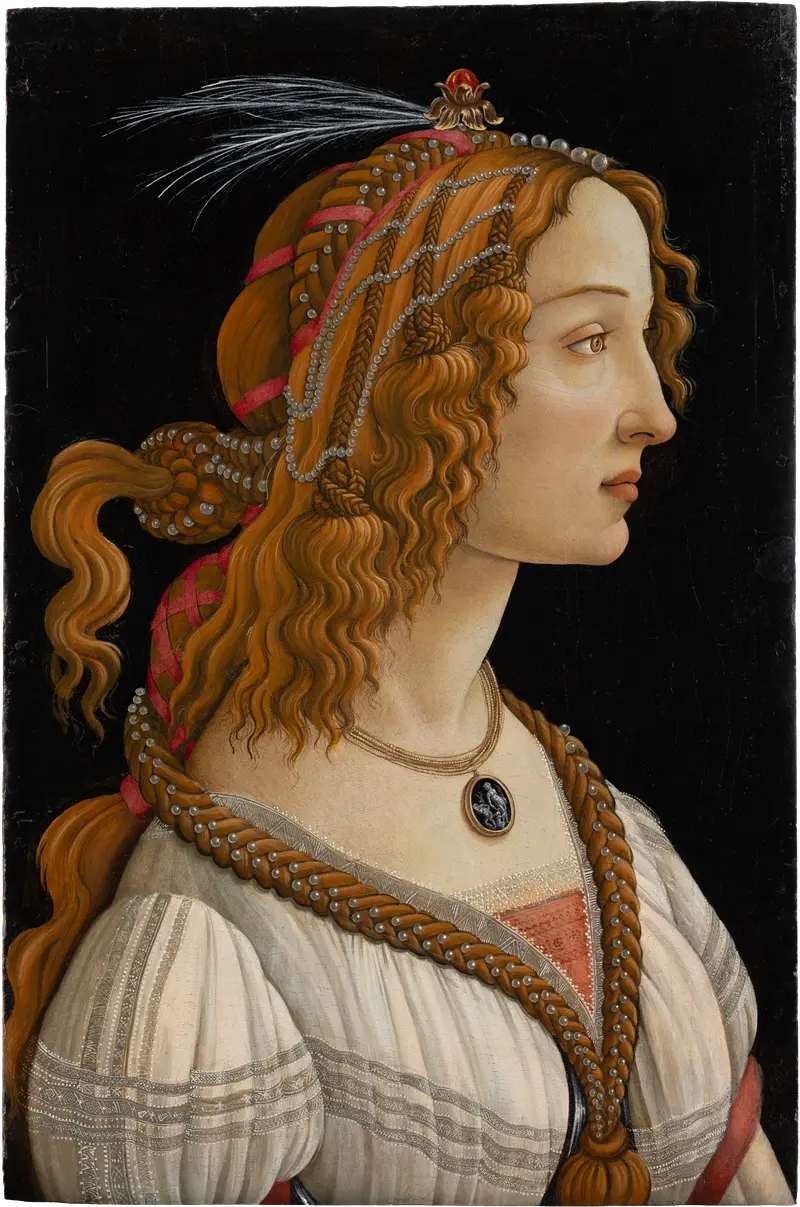
Idealized Portrait of a Lady (Portrait of Simonetta Vespucci as Nymph)
Sandro Botticelli





