
Sainte-Maxime, plage d'hiver et d'été — History & Facts
The eye is caught first by the bold geometry of a palm tree, its trunk slicing through the scene like a column, its fronds casting deep shadows across a sky rendered in a flat, improbable violet. This is not a view for the idle stroller but a stage set for desire: a pair of sailboats, their sails crisp and angular, rest in a bay of saturated blue, while the pastel town of Sainte-Maxime—stacked, sunlit, and inviting—waits across the water. The palette is deliberate, almost theatrical, with each color block working as a signpost: the green of the hills promises calm, the orange sails hint at energy and movement, and the black letters below anchor the fantasy in a real place.
The composition leads the viewer in a gentle arc from the boats to the distant houses, guided by the palm’s silhouette, suggesting both shelter and adventure. Created in 1928, this lithographic poster by Roger Broders belongs to a golden age of travel advertising, when the French Riviera was being reimagined as a year-round playground for the cosmopolitan traveler. Commissioned by railway companies and printed by firms like Lucien Serre & Cie, such images were designed to tempt Parisians and foreigners alike onto the trains of the PLM (Paris-Lyon-Méditerranée), promising escape, sunlight, and the glamour of the Côte d’Azur. The style—crisp outlines, simplified forms, and radiant color—epitomizes the Art Deco sensibility that flourished between the wars, when tourism itself became a modern ideal.
History has kept few traces of the individual journeys inspired by posters like this, but their invitation remains as vivid as ever: to step into a world where winter and summer coexist, and the promise of leisure is just a train ride away.
More Artworks by Roger Broders
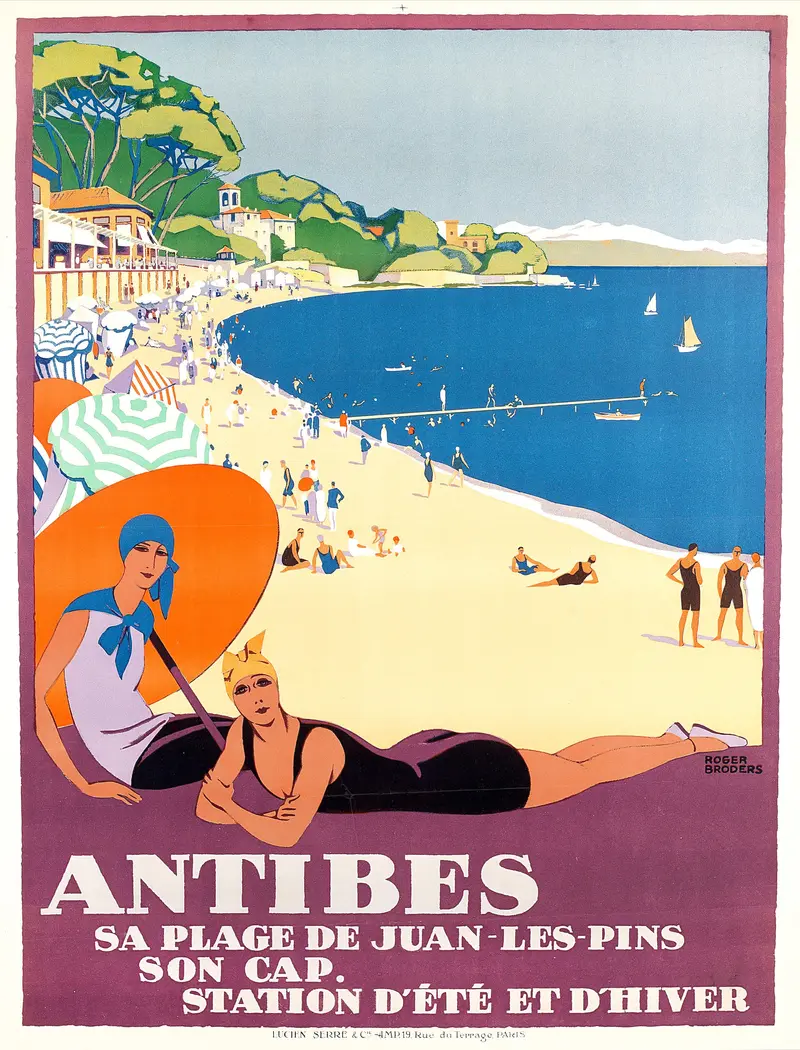
Antibes, sa plage de Juan-les-Pins
Roger Broders
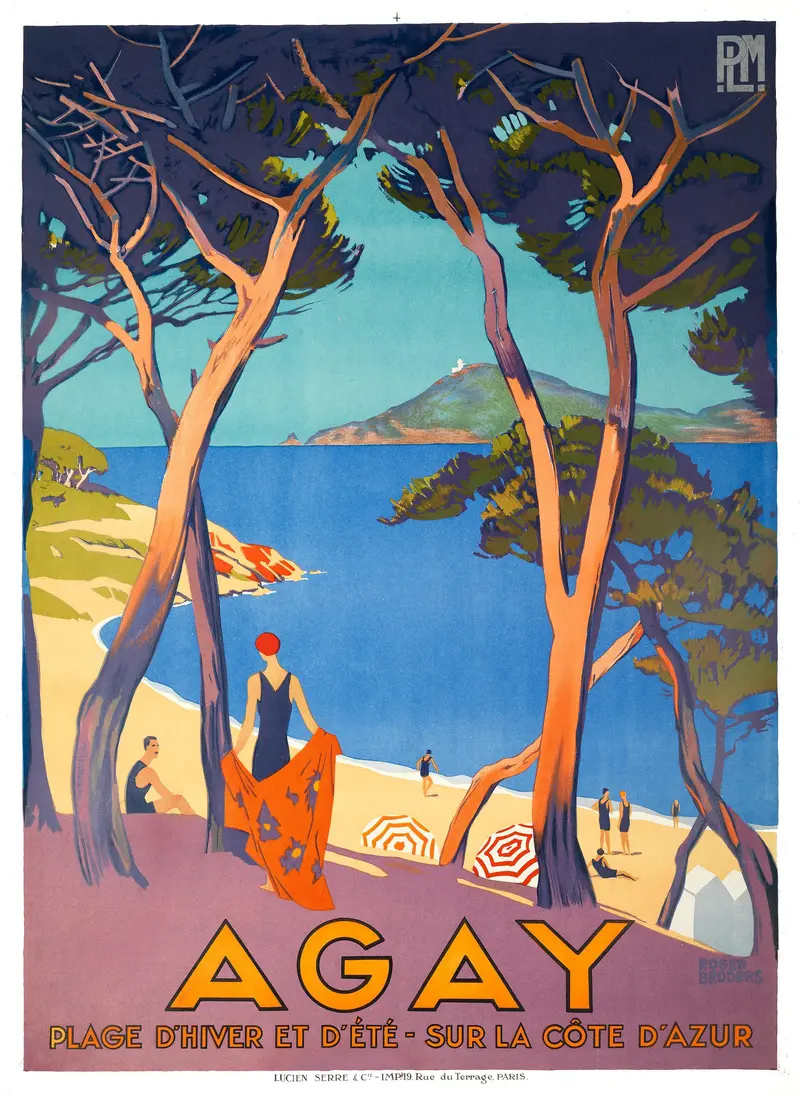
Agay, plage d'hiver et d'été
Roger Broders
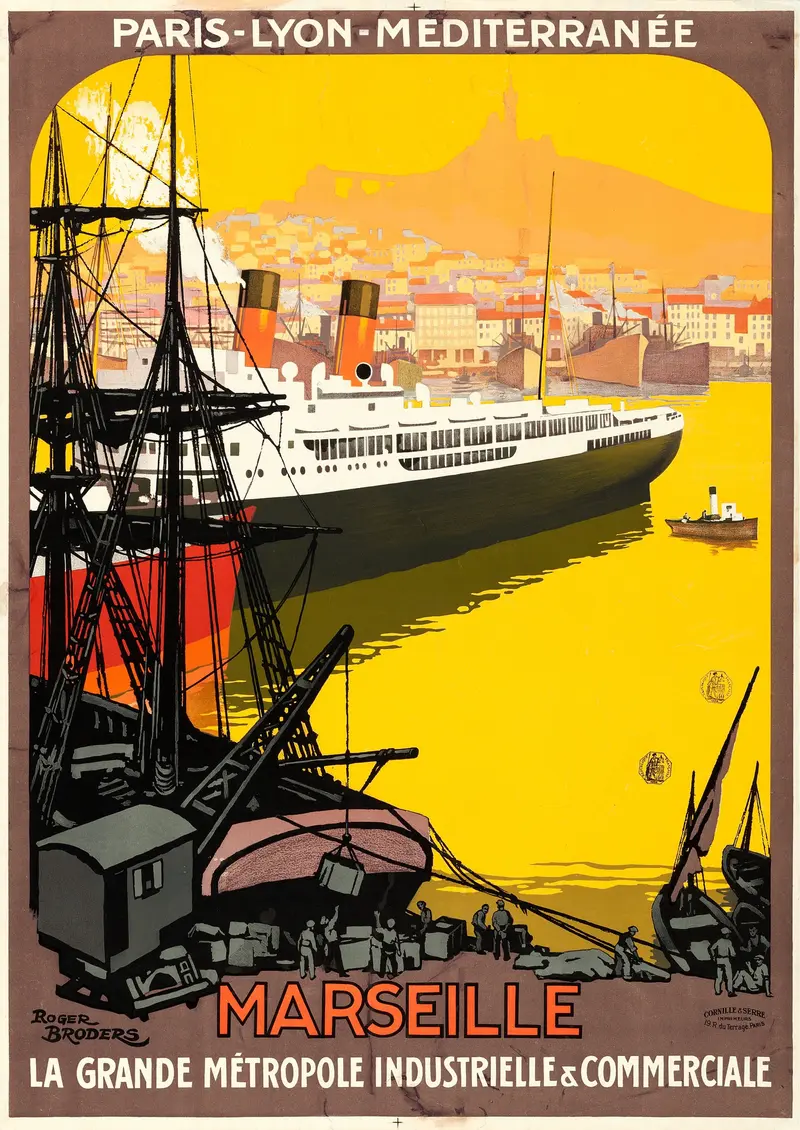
Marseille, la grande métropole industrielle et commerciale
Roger Broders
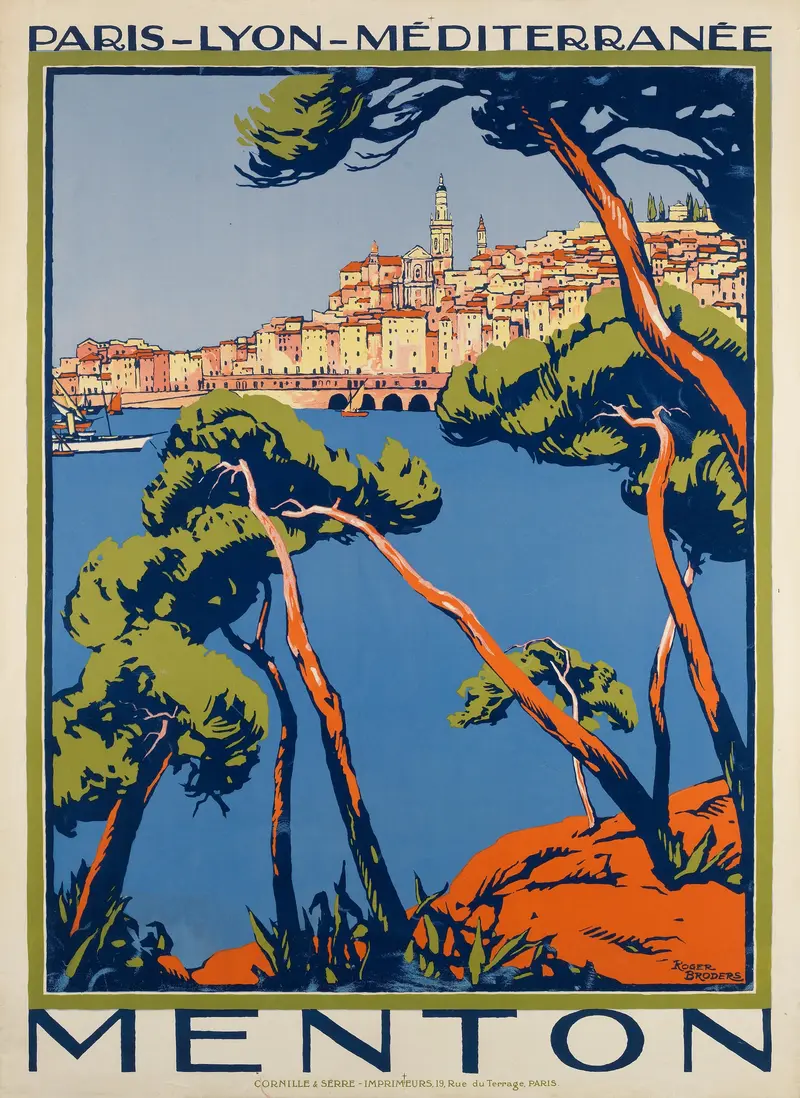
Menton
Roger Broders
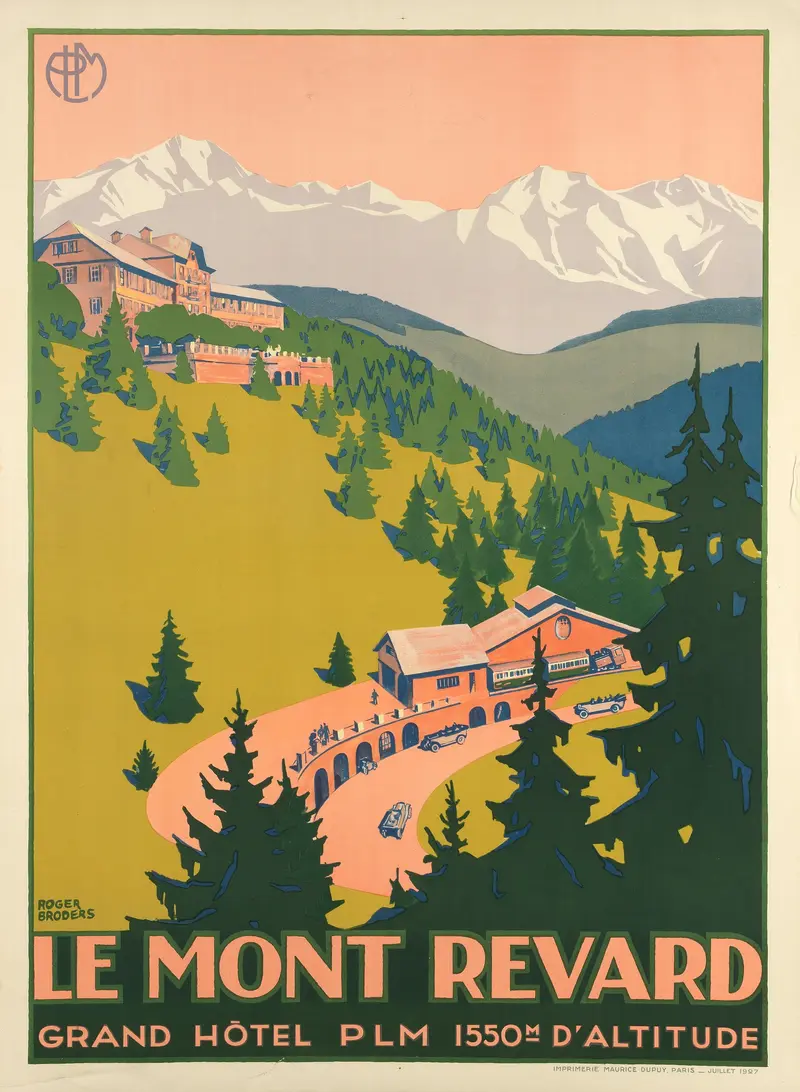
Le Mont Revard
Roger Broders
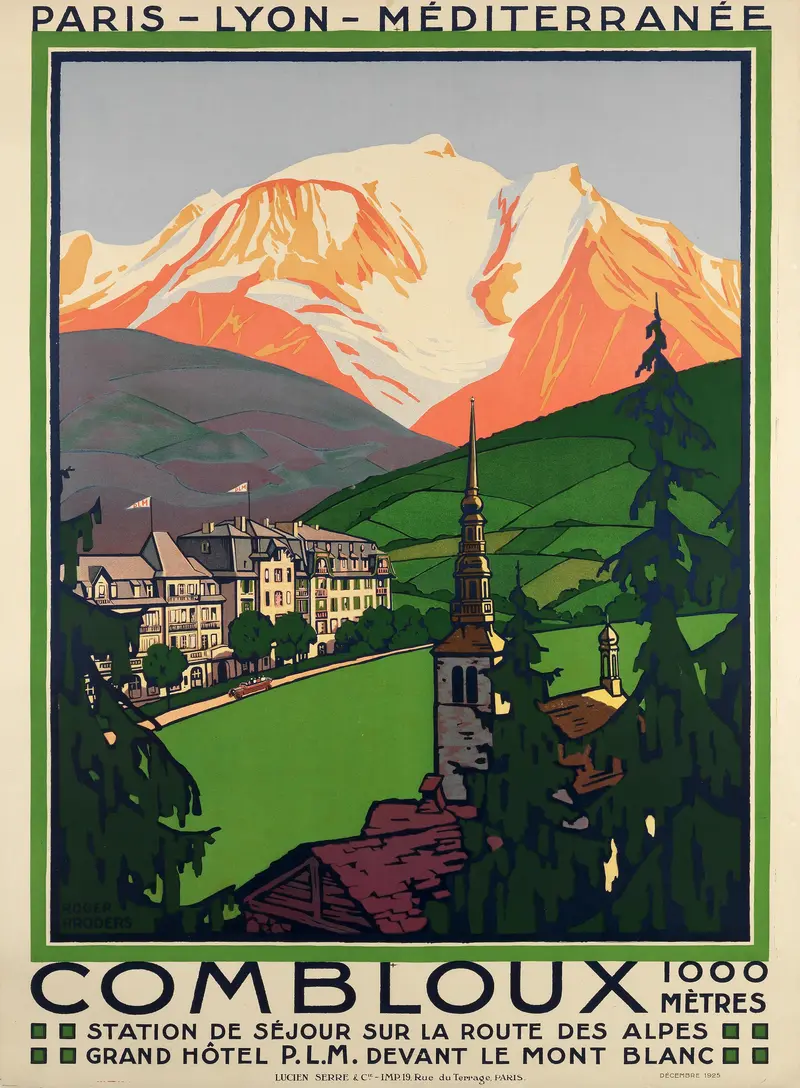
Combloux
Roger Broders
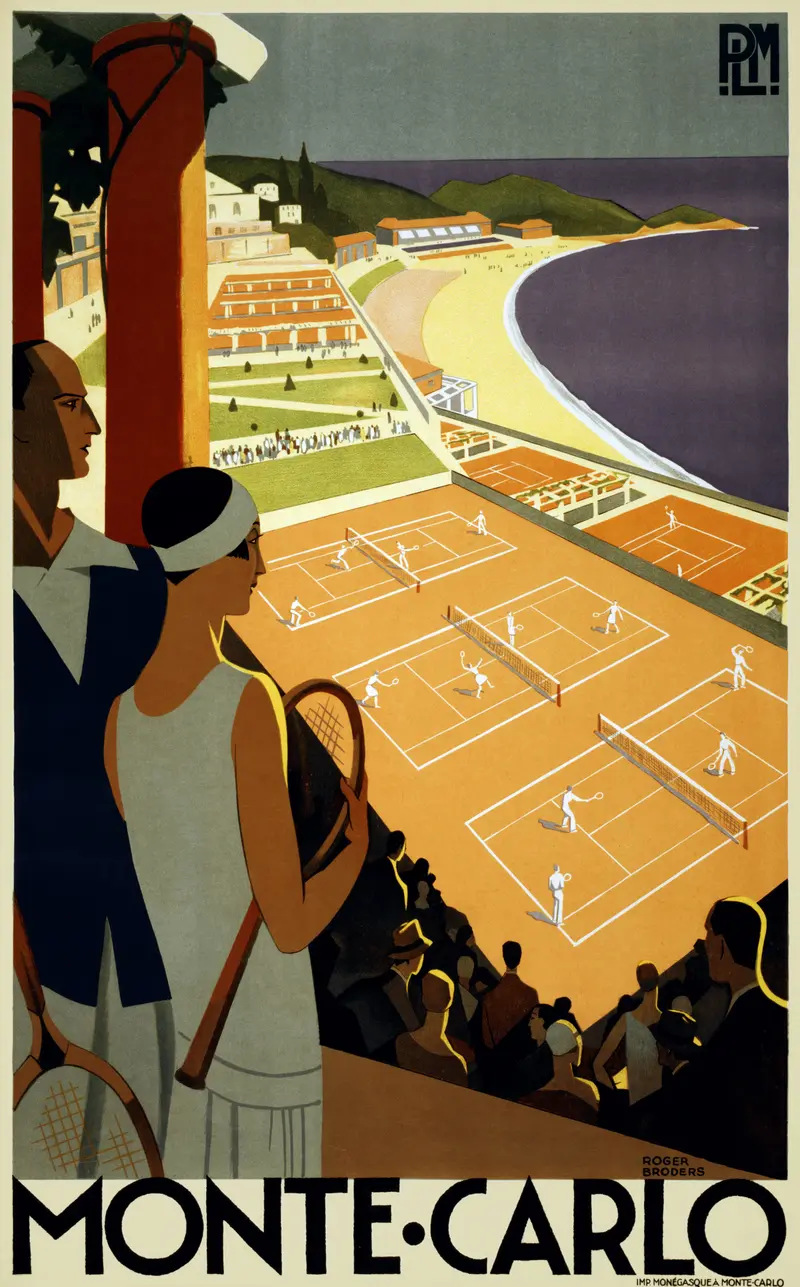
Monte-Carlo
Roger Broders
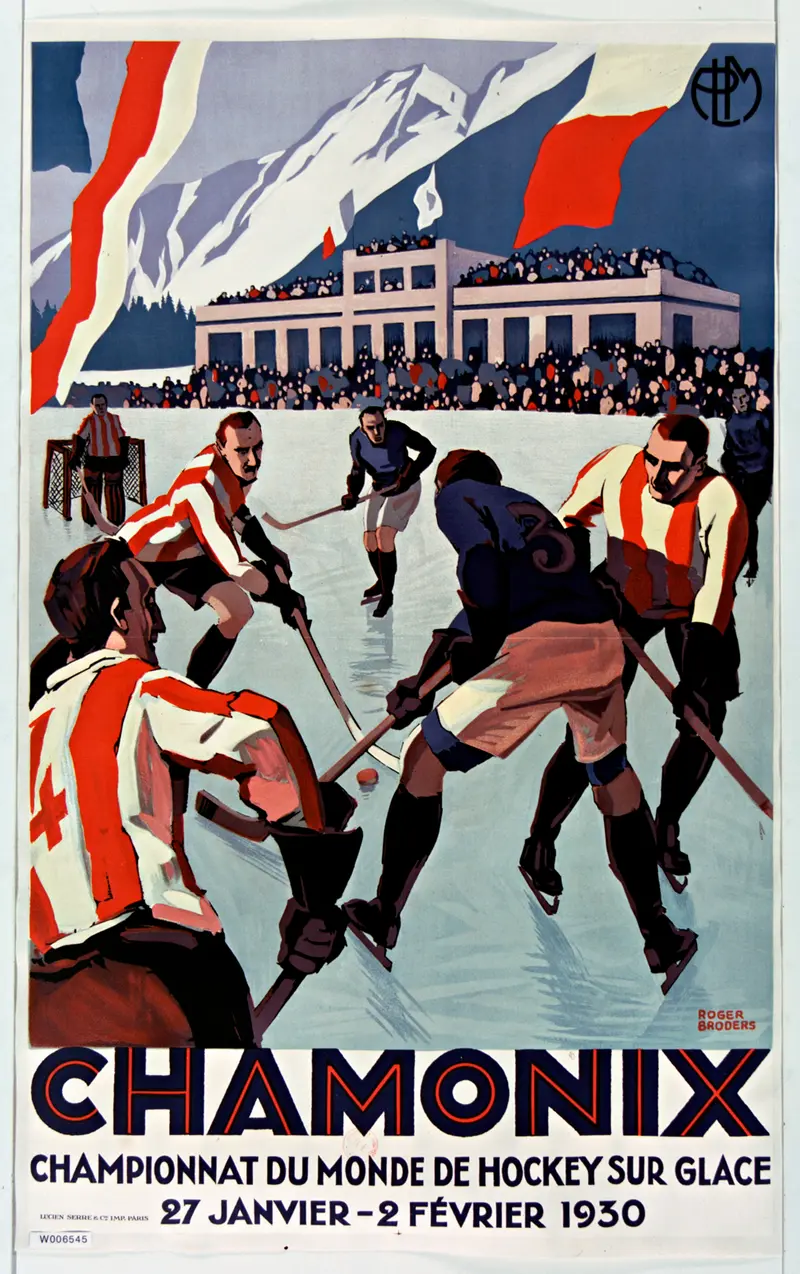
Chamonix, Championnat du monde de hockey sur glace 1930
Roger Broders
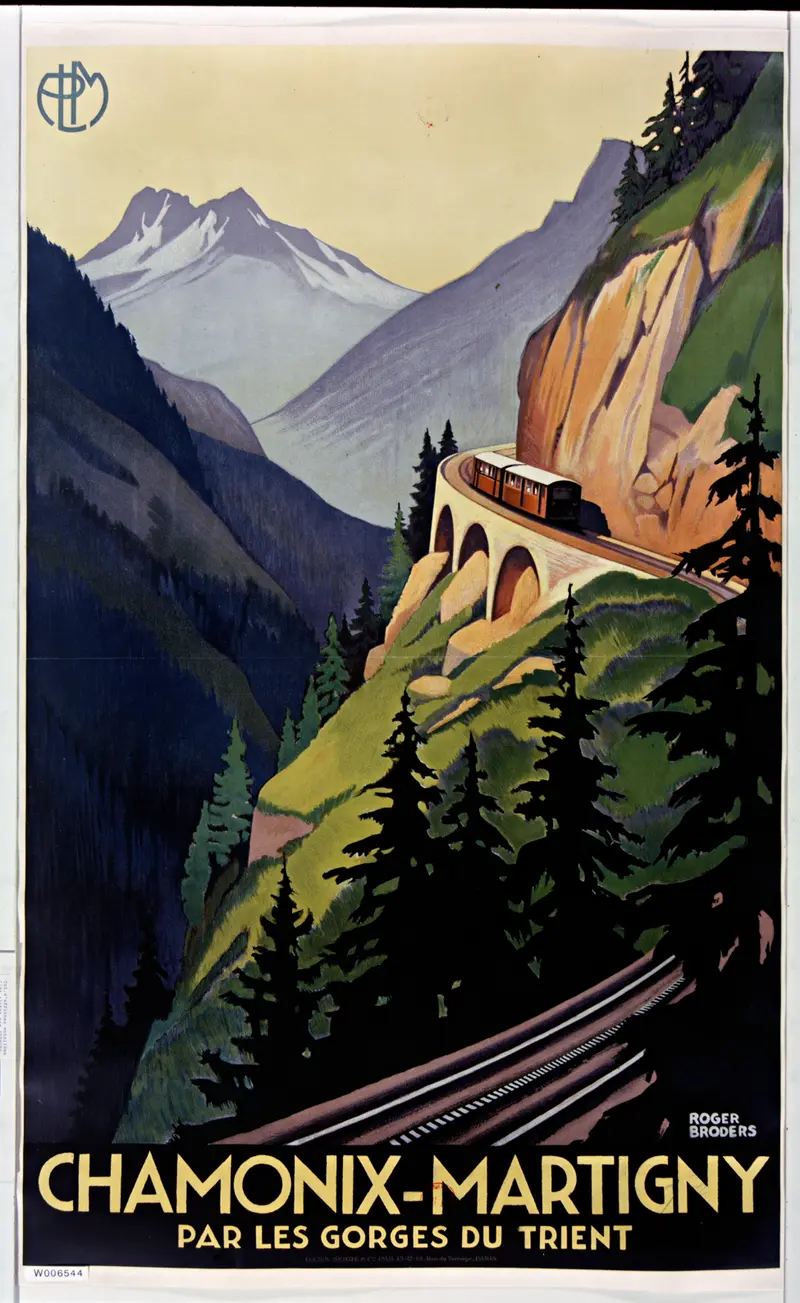
Chamonix-Martigny par les gorges du Trient
Roger Broders

La Chaîne du Mont-Blanc, l'Aiguille du Dru
Roger Broders
More Landscape Art

The Starry Night
Vincent van Gogh

View of Delft
Johannes Vermeer

Water Lilies
Claude Monet

The Grand Canal, Venice, looking north-west from the Ca' Corner to the Ca' Contarini degli Scrigni, with the campanile of Santa Maria della Carità
Canaletto

Windsor Castle
Canaletto

The Grand Canal looking North-East from the Palazzo Dolfin-Manin to the Rialto Bridge
Canaletto