Salamander in het vuur — History & Facts
Who listens when art speaks of silence? In Salamander in het vuur, the whispers of nostalgia echo through the interplay of light and shadow, inviting the viewer into a contemplative space. Look to the center of the composition, where a solitary salamander emerges in vibrant hues of orange and yellow against a dark, enigmatic backdrop. The creature’s form, delicately rendered, seems to both illuminate and dissolve into the surrounding shadows, creating a striking contrast. The soft brushstrokes evoke a sense of tenderness, while the fiery colors suggest transformation and survival, drawing the eye into the heart of the painting’s emotional core. Beyond the vivid salamander, notice the intricate textures that envelop it—the flickering flames, the deep, inky darkness, and hints of ash.
These elements serve not only to heighten the drama but also to reveal the fragility of existence, capturing a fleeting moment of life against the inevitability of decay. The tension between the vibrant creature and the consuming fire reflects broader themes of resilience and vulnerability, speaking to the enduring nature of memory and loss. In the years between 1625 and 1629, Callot was deeply immersed in the Baroque movement while residing in Lorraine. This period was marked by the artist's exploration of narrative and emotional depth in his works, reflecting both personal introspection and the turbulent currents of his time.
As the world grappled with change, Callot's art emerged as a poignant meditation on existence, encapsulating the complexities of life and the quiet strength found in moments of stillness.
More Artworks by Jacques Callot
Browse all →
Titelprent voor de prentreeks 'De kleine apostelen' (Het martelaarschap van de apostelen)
Jacques Callot
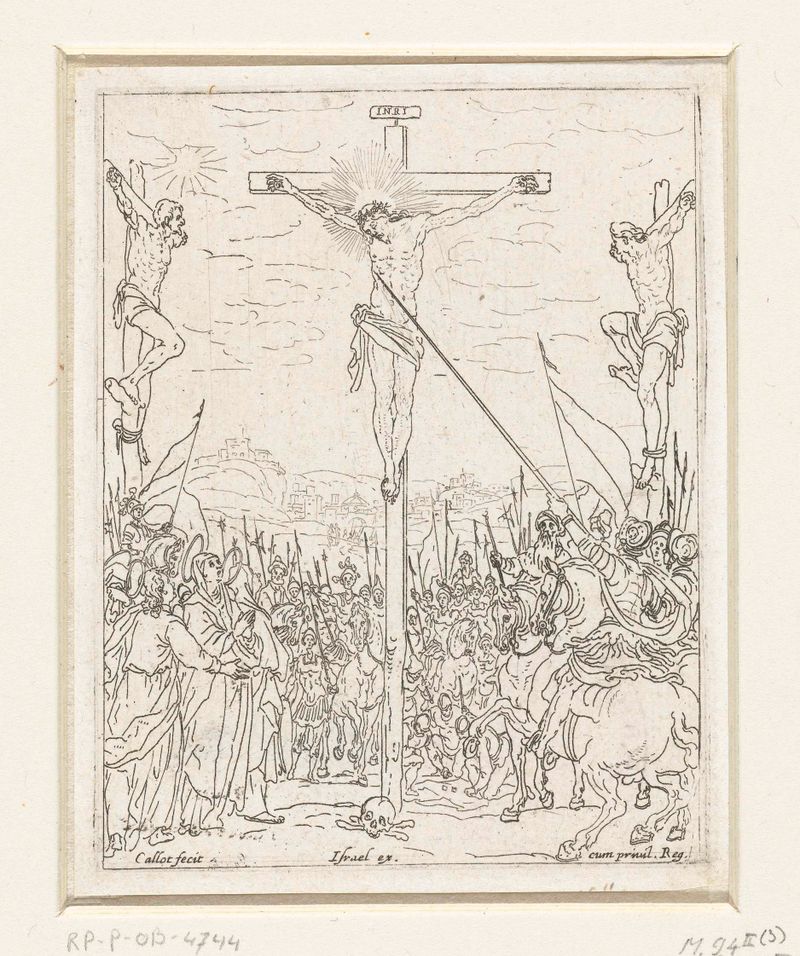
Kruisiging
Jacques Callot

De doortocht door de Rode Zee
Jacques Callot

De verloren zoon als zwijnenhoeder
Jacques Callot

Annunciatie
Jacques Callot
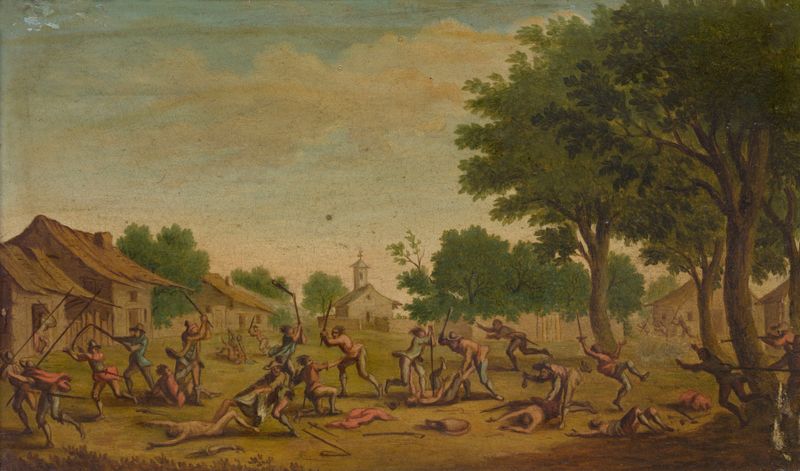
Village Fight
Jacques Callot

Titelprent voor prentreeks 'Het leven van Maria'
Jacques Callot
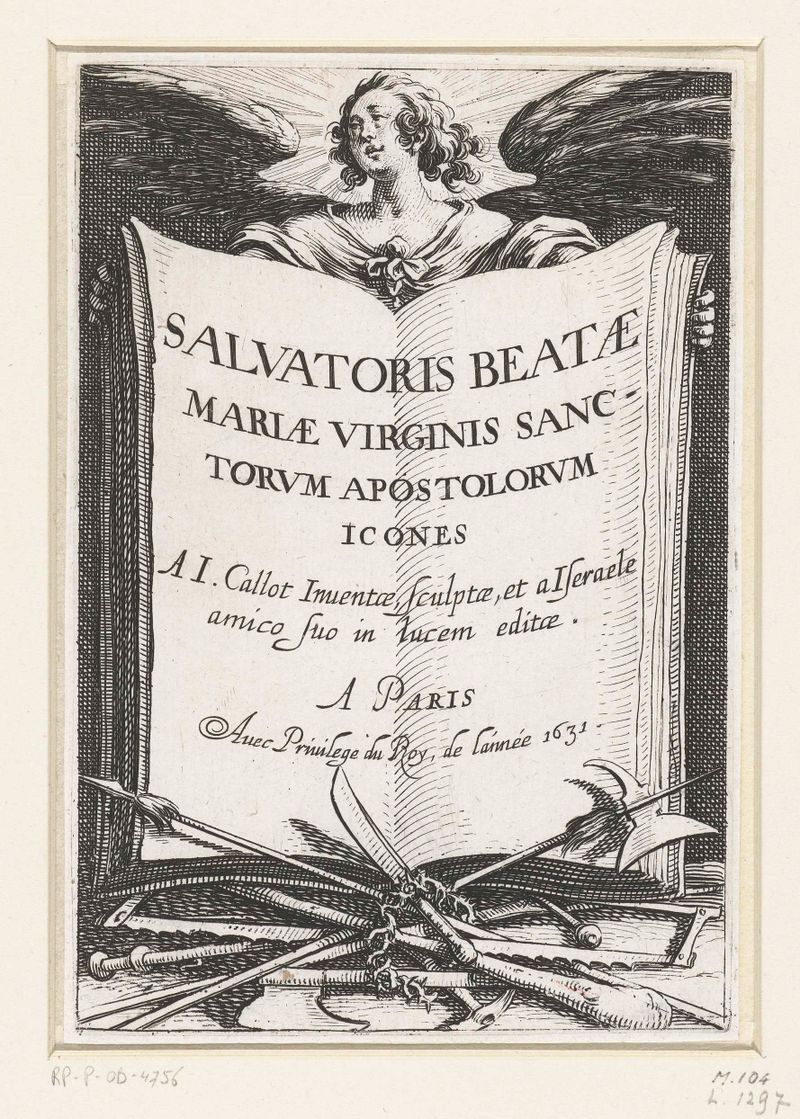
Titelprent voor de prentreeks 'De grote apostelen' (Christus, Maria en de apostelen)
Jacques Callot

Christus aan het volk getoond (Ecce homo)
Jacques Callot
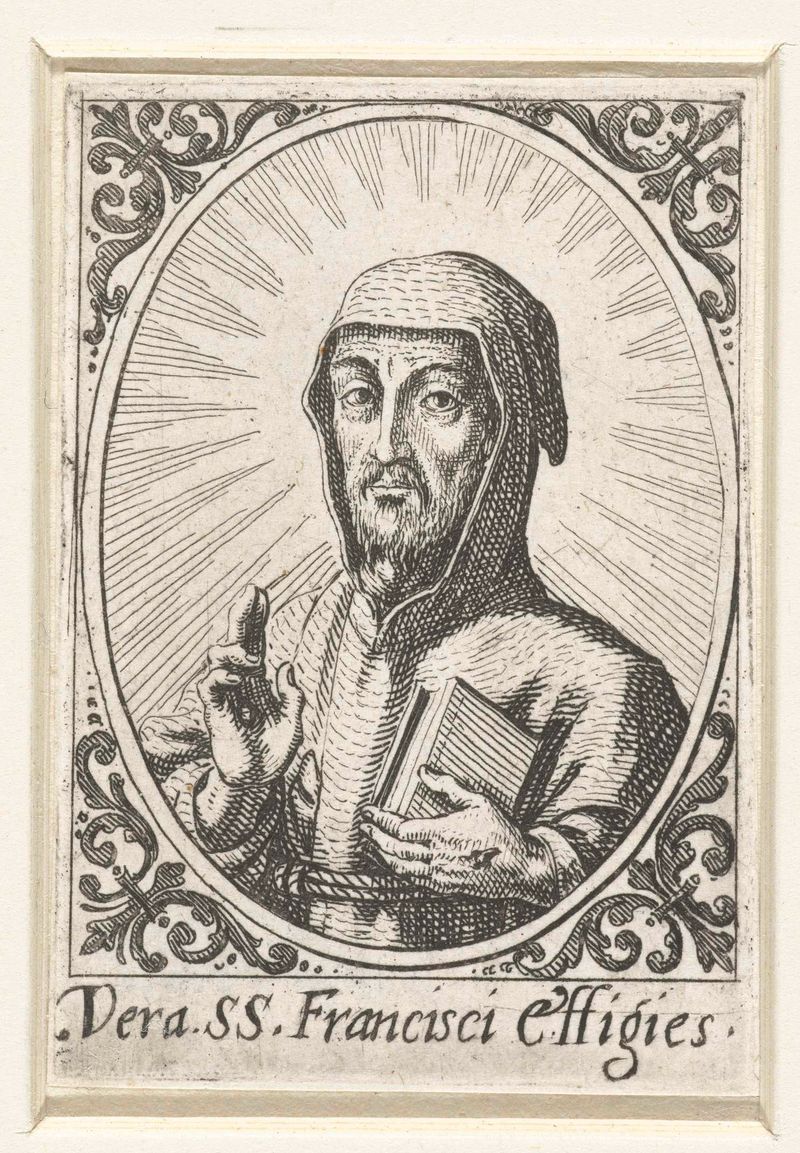
Portret van de Heilige Franciscus
Jacques Callot