
Salomé met het hoofd van Johannes de Doper — History & Facts
What secret hides in the quiet of the canvas? Each stroke whispers of destiny, intertwining fate and consequence in a world cloaked in silence. Focus first on the striking figure of Salomé, her delicate features framed by dark shadows, drawing your gaze. Notice how the rich, deep reds of her gown contrast against the pallid hue of the severed head, a stark reminder of the act’s gravity. The interplay of light enhances the drama; it subtly illuminates her face, hinting at her complex emotions—fear, triumph, and perhaps regret—while the darkened background envelops the scene in an ominous embrace. Hidden within this chilling tableau are themes of power and sacrifice.
The gaze of the head, lifeless yet hauntingly assertive, connects Salomé to her fateful decision, while her posture—an elegant but poised tension—suggests the burden of her actions. The artist's meticulous attention to detail, from the blood's deep crimson to the chilling tranquility of the moment, captures the essence of a destiny irrevocably altered. During the years 1512 to 1516, the artist created this haunting piece amidst a flourishing Renaissance that celebrated humanism and complexity in narratives. Lucas van Leyden was navigating a burgeoning career in the Netherlands, where he sought to blend intricate storytelling with technical prowess, reflecting broader societal shifts and an evolving appreciation for the emotive power of art.
More Artworks by Lucas van Leyden
Browse all →
Het eerste verbod
Lucas van Leyden
Adam en Eva na de verdrijving uit het paradijs
Lucas van Leyden
De kruisiging
Lucas van Leyden
Kruisdraging
Lucas van Leyden
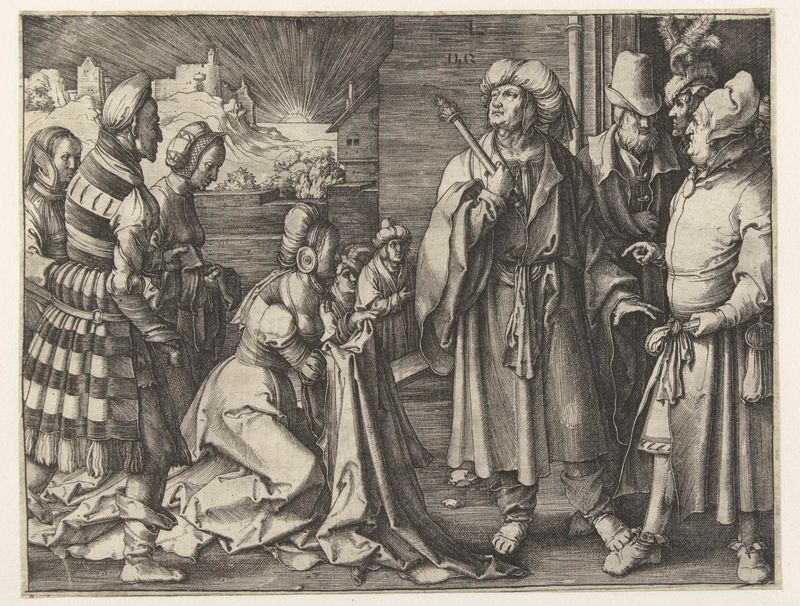
De vrouw van Potifar beschuldigt Jozef
Lucas van Leyden
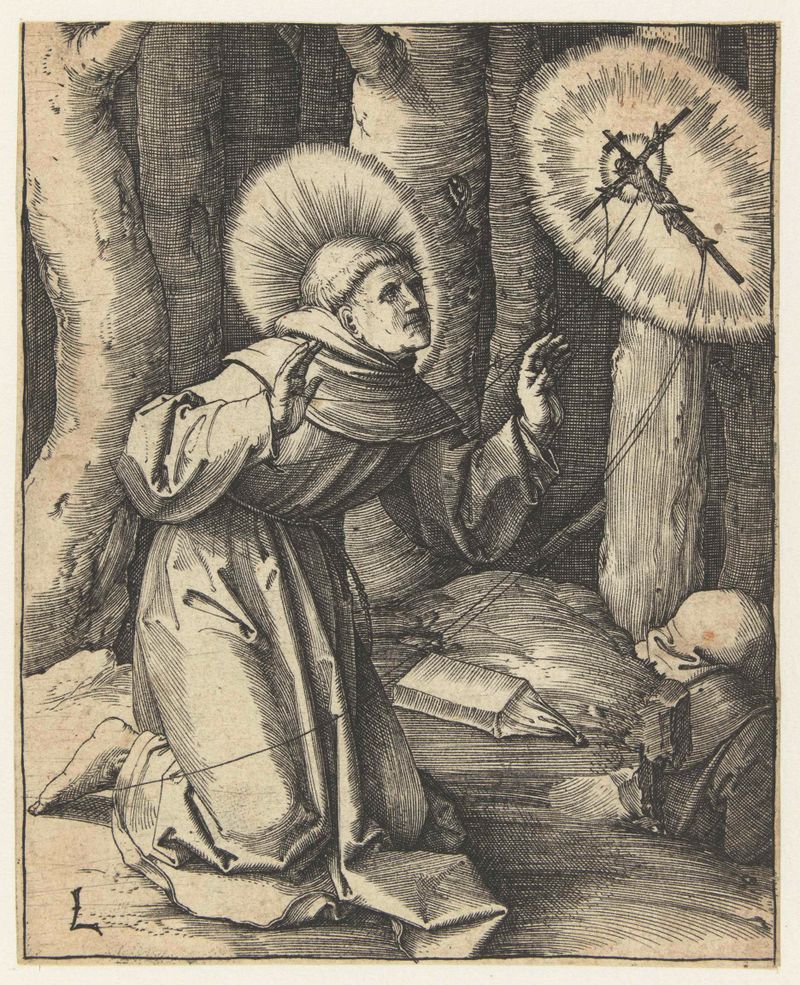
De stigmatisatie van de heilige Franciscus
Lucas van Leyden
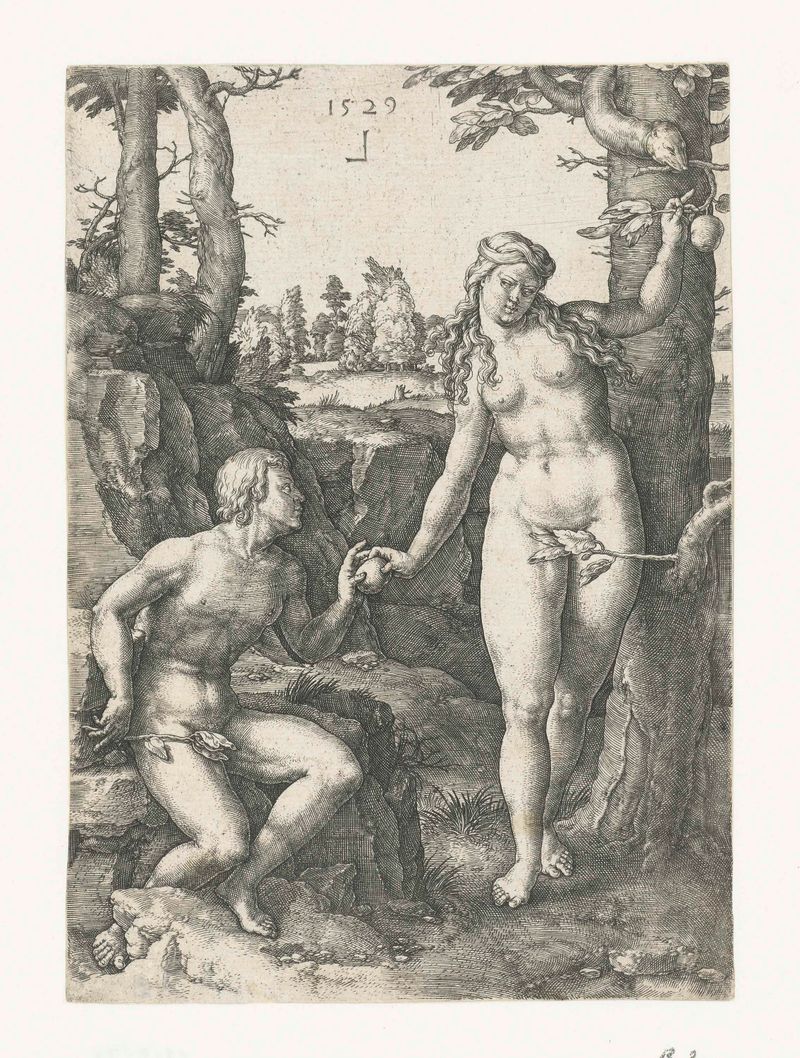
De zondeval
Lucas van Leyden
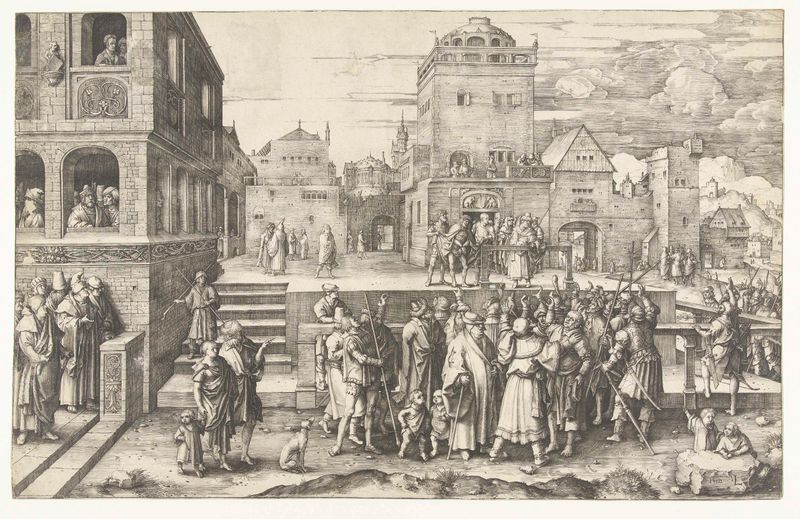
De grote Ecce Homo
Lucas van Leyden
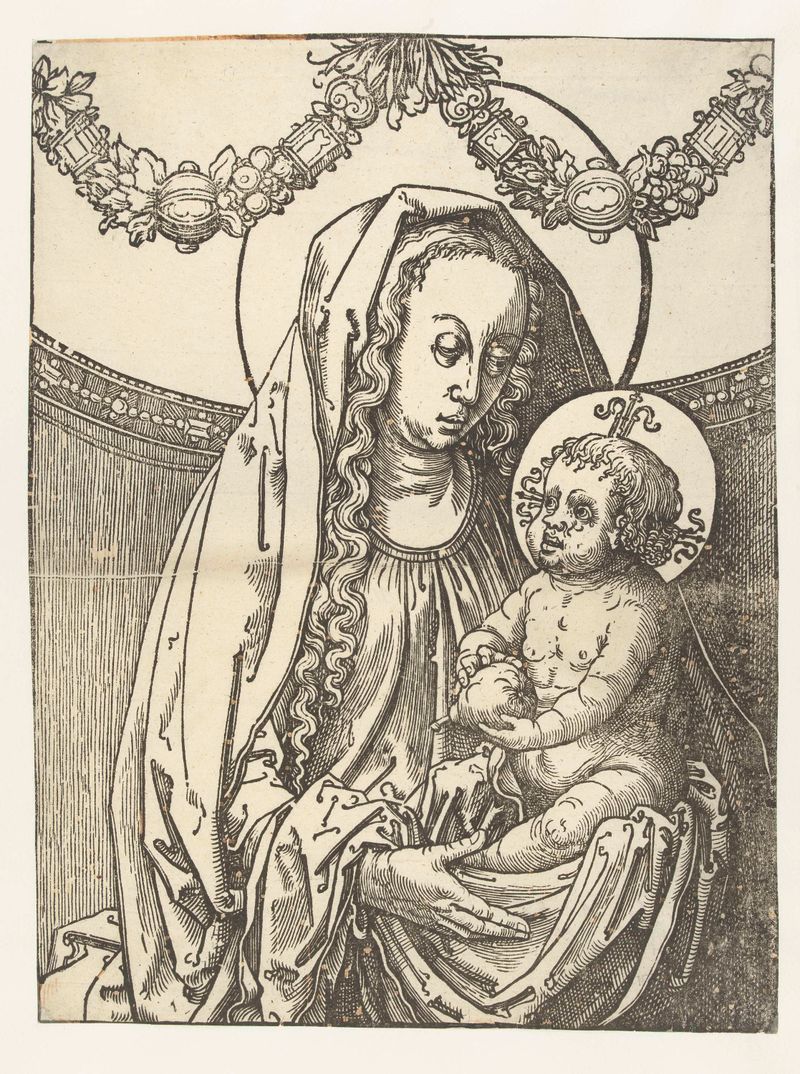
Maria met kind
Lucas van Leyden

Doornenkroning
Lucas van Leyden
More Religious Art
Browse all →
The Return of the Prodigal Son
Rembrandt van Rijn

The Garden of Earthly Delights
El Bosco

Count Orgaz’ funeral
El Greco

The Hundred Guilder Print: the central piece with Christ preaching, the plate arched
Rembrandt van Rijn

The Descent from the Cross
Rogier van der Weyden

The return of the prodigal son
Rembrandt van Rijn