
Salomé met het hoofd van Johannes de Doper — History & Facts
In the realm of desire, the heart wrestles with shadows, often discovering itself in the spaces between recklessness and restraint. Look closely at the foreground, where a figure, Salomé, stands poised, a striking blend of resolve and vulnerability. Notice the intricate details in her attire—the vibrant reds and golds that clash with the starkness of the severed head resting on a platter. The contrast between luscious hues and the pallor of death creates an unsettling harmony, drawing the viewer’s gaze to both the beauty and horror of the moment.
The delicate brushwork captures the sheen of her skin, emphasizing her youthful allure in stark juxtaposition to the grim fate of the Baptist. Delve deeper into the emotions swirling within this tableau. Salomé’s expression flickers between triumph and sorrow, embodying an intense and paradoxical longing. The head, almost lifelike in its meticulous rendering, serves as a chilling reminder of the cost of desire and the price of manipulation.
Moreover, the tension between light and darkness in the painting invites contemplation of moral ambiguity, forcing us to confront the consequences of our choices. Lucas van Leyden painted this work between 1515 and 1519, a time when the Northern Renaissance was flourishing, and artists were increasingly exploring complex themes of moral and emotional depth. Dutch society was undergoing social and religious changes, and this piece reflects the artist’s engagement with human psychology and classical narratives. Working in the vibrant artistic milieu of Leiden, he blended traditional techniques with innovative storytelling, marking his contribution to an evolving art movement focused on the human experience.
More Artworks by Lucas van Leyden
Browse all →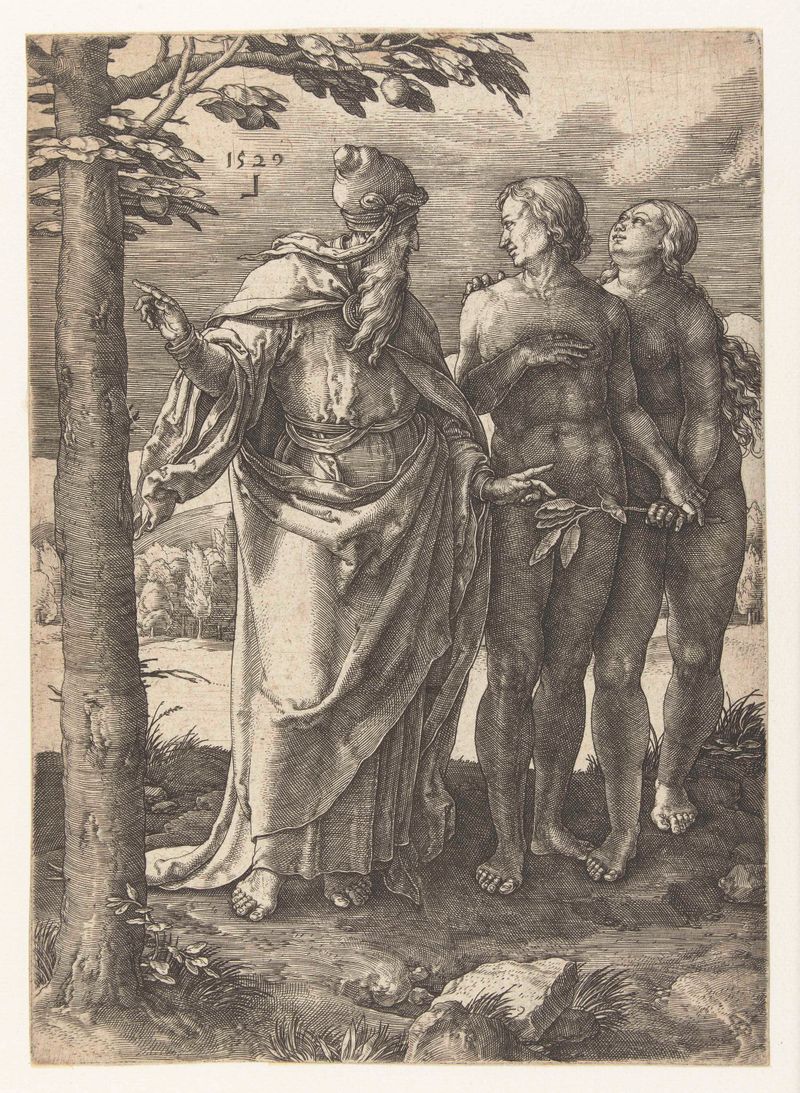
Het eerste verbod
Lucas van Leyden
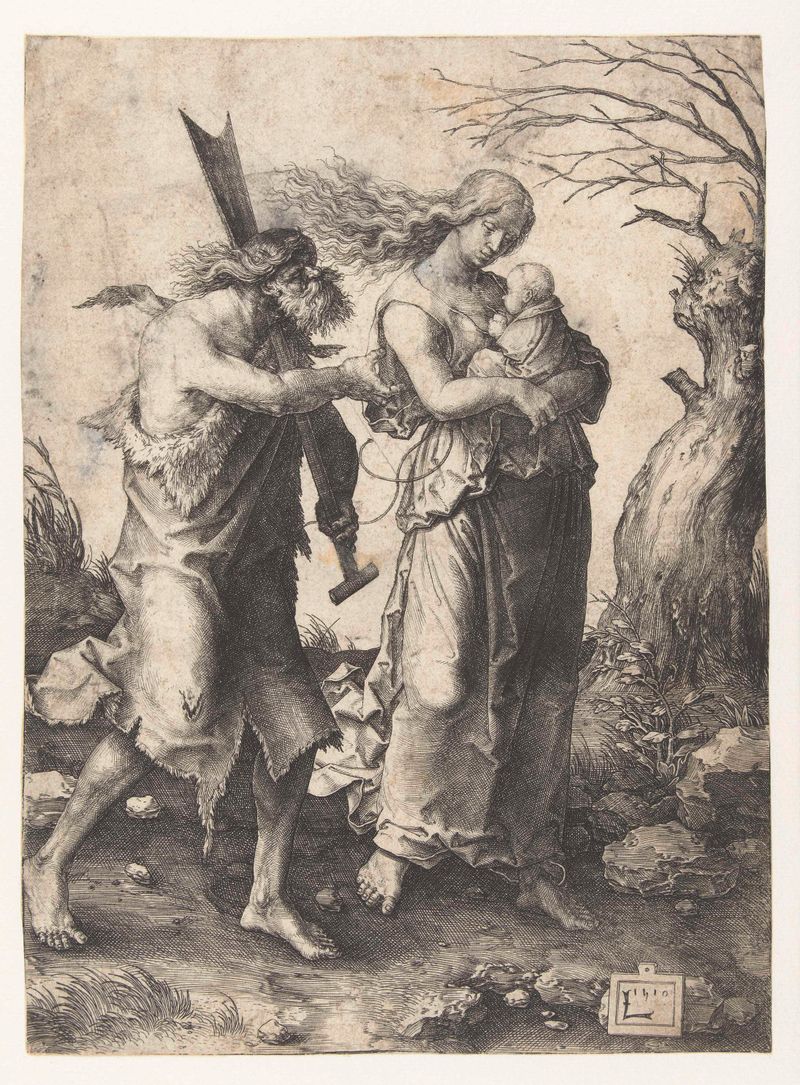
Adam en Eva na de verdrijving uit het paradijs
Lucas van Leyden
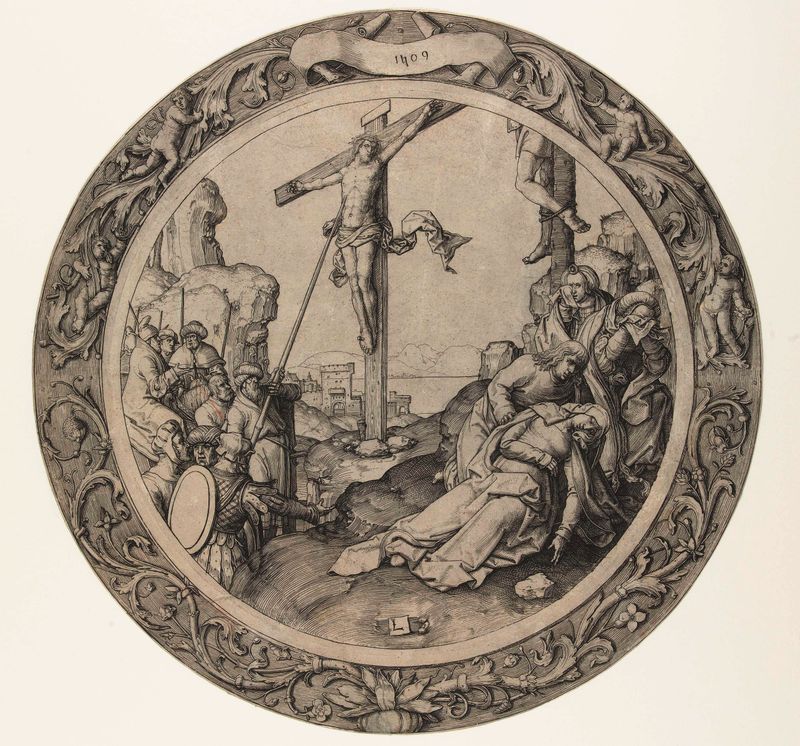
De kruisiging
Lucas van Leyden
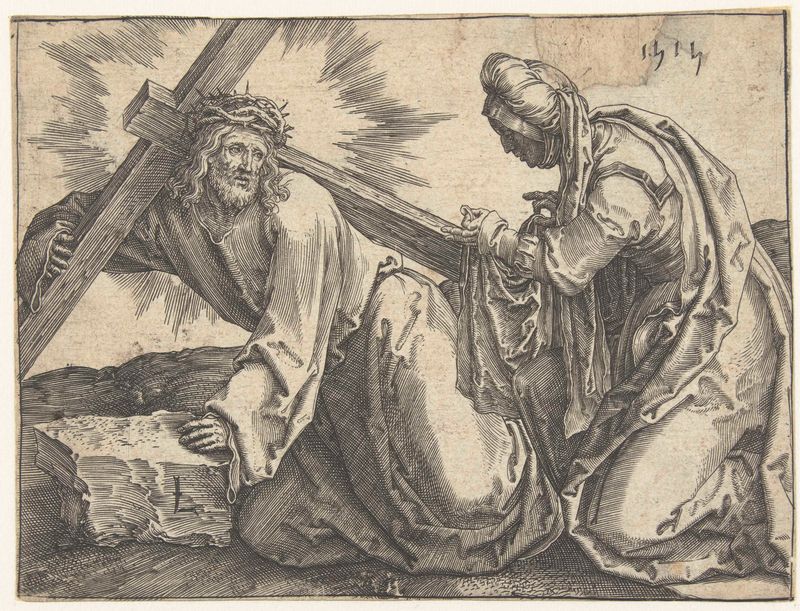
Kruisdraging
Lucas van Leyden
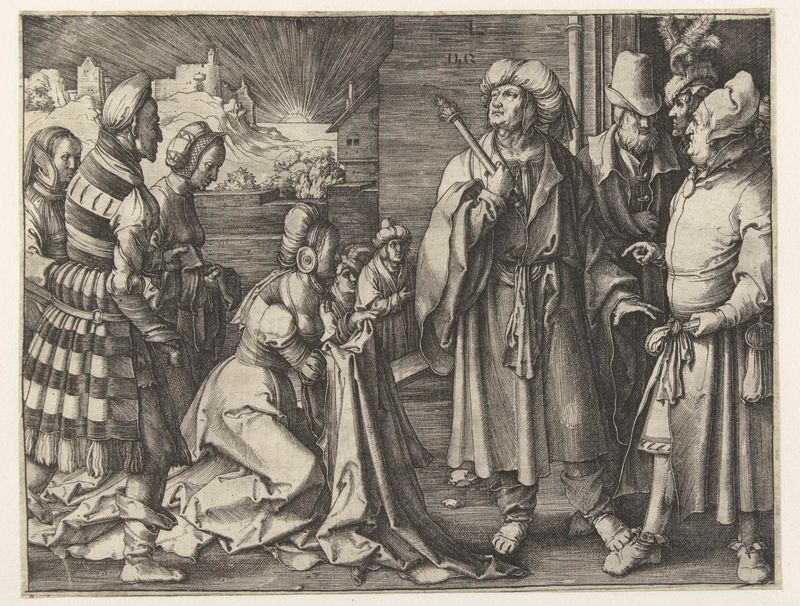
De vrouw van Potifar beschuldigt Jozef
Lucas van Leyden
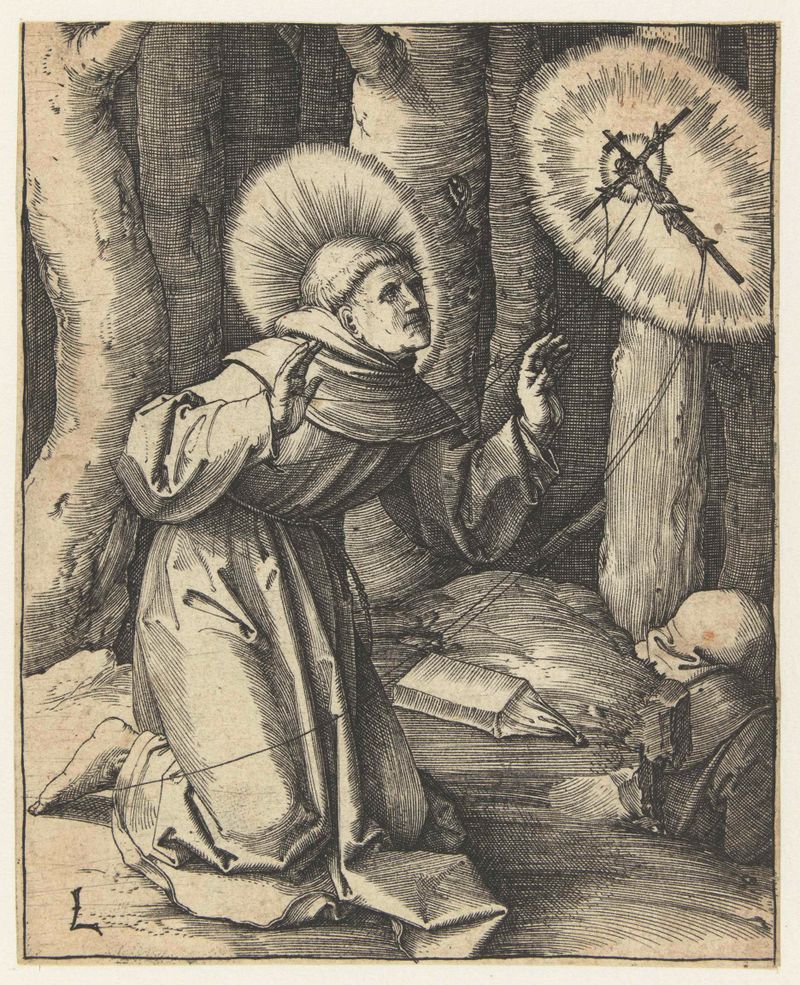
De stigmatisatie van de heilige Franciscus
Lucas van Leyden
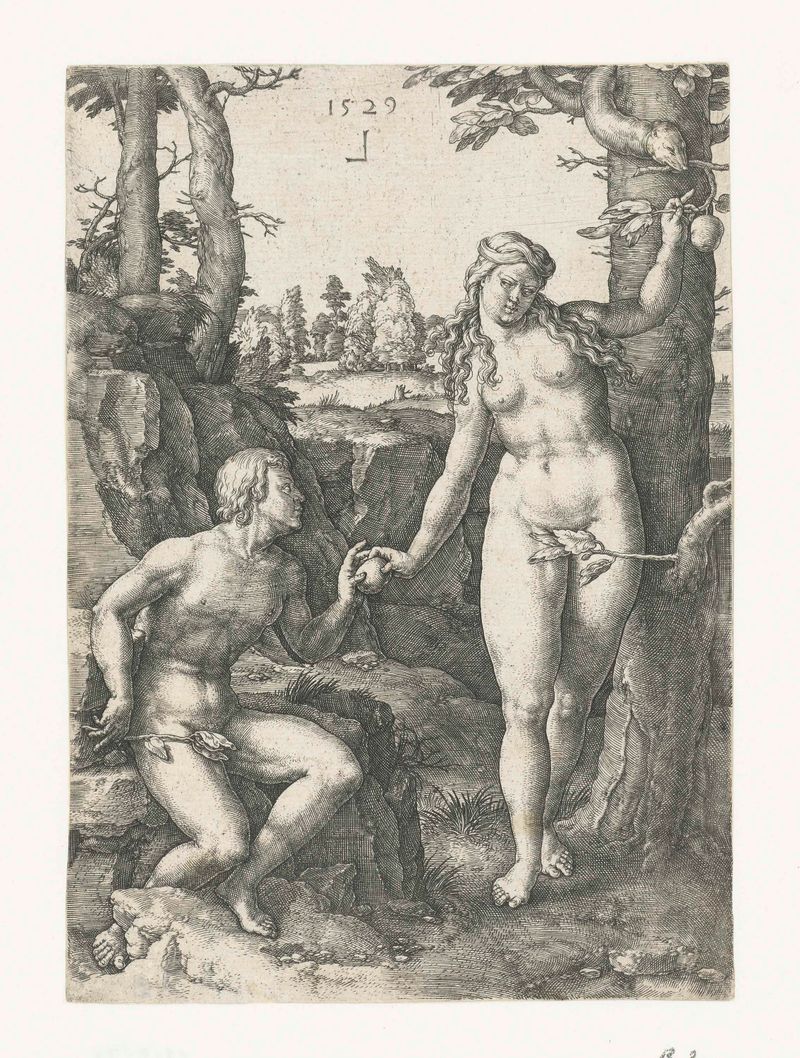
De zondeval
Lucas van Leyden
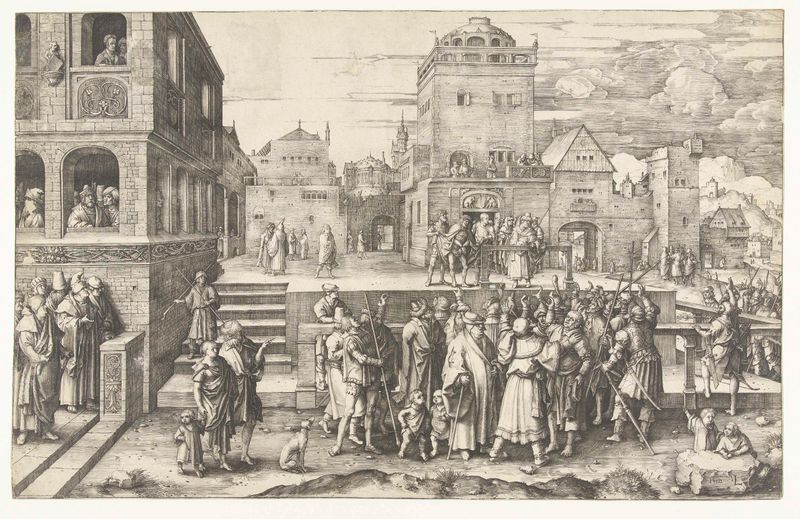
De grote Ecce Homo
Lucas van Leyden
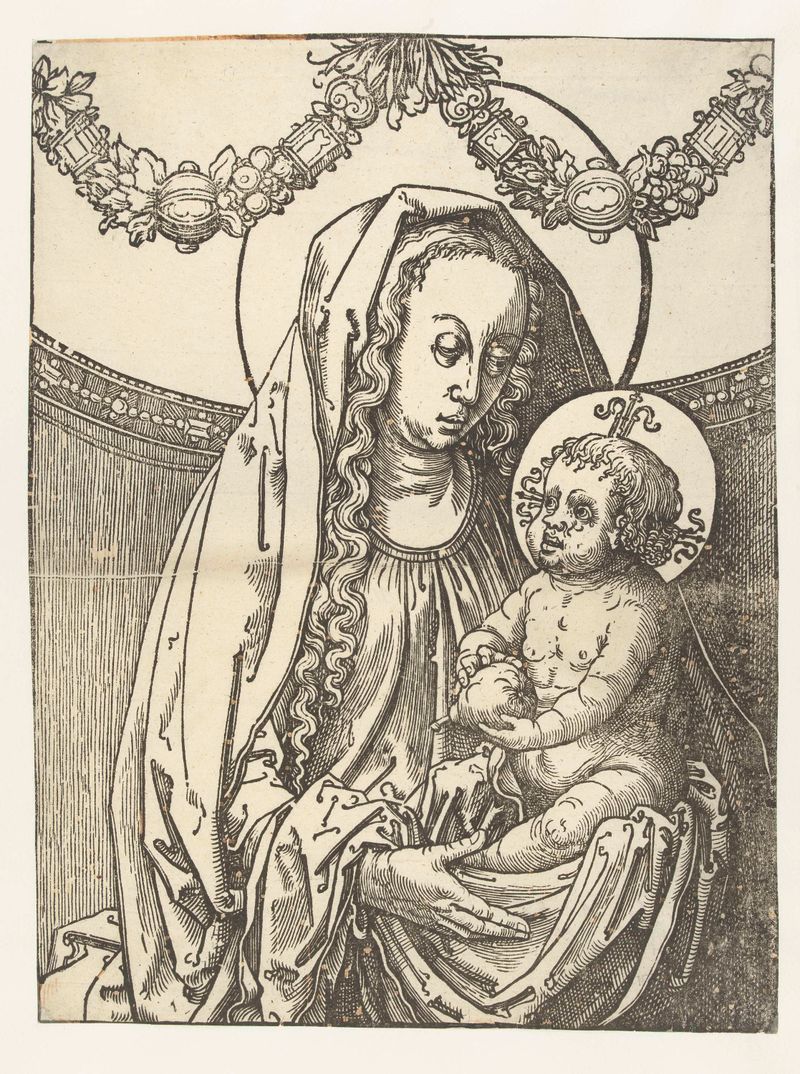
Maria met kind
Lucas van Leyden

Doornenkroning
Lucas van Leyden
More Religious Art
Browse all →
The Return of the Prodigal Son
Rembrandt van Rijn

The Garden of Earthly Delights
El Bosco

Count Orgaz’ funeral
El Greco

The Hundred Guilder Print: the central piece with Christ preaching, the plate arched
Rembrandt van Rijn

The Descent from the Cross
Rogier van der Weyden

The return of the prodigal son
Rembrandt van Rijn