
Salomé met het hoofd van Johannes de Doper — History & Facts
In the act of creation, artists carve out moments from the relentless passage of time, holding them captive for our contemplation. In this haunting work, the viewer’s eye is immediately drawn to Salomé, her figure poised gracefully at the center. The contrast between her delicate features and the grotesque severed head of John the Baptist creates a jarring tension. Notice how the rich reds and deep browns saturate the scene, enveloping both figures in a heavy emotional weight.
The intricate details of Salomé’s ornate attire, particularly the shimmering gold accents, echo the opulence of her surroundings, while the stark pallor of the head emphasizes the horror of her triumph. Deeper meanings unravel in this striking juxtaposition; Salomé’s beauty is eerily juxtaposed with the brutality of death, showcasing the duality of desire and destruction. The gaze of the head, lifeless yet piercing, seems to confront the viewer, invoking a sense of complicity in the violence of her actions. This moment captures the tragic irony of power and seduction, where beauty becomes a weapon, and consequence looms just beyond the frame. Created between 1512 and 1514, the painting emerged during a time of remarkable transition in Northern Europe, as artists were beginning to explore more personal themes amidst the backdrop of the Reformation.
Lucas van Leyden, then in his early twenties, was already gaining recognition for his innovative approach to printmaking and painting. The world around him was in flux, with traditional narratives being challenged, making this work a resonant reflection of both personal and societal transformation.
More Artworks by Lucas van Leyden
Browse all →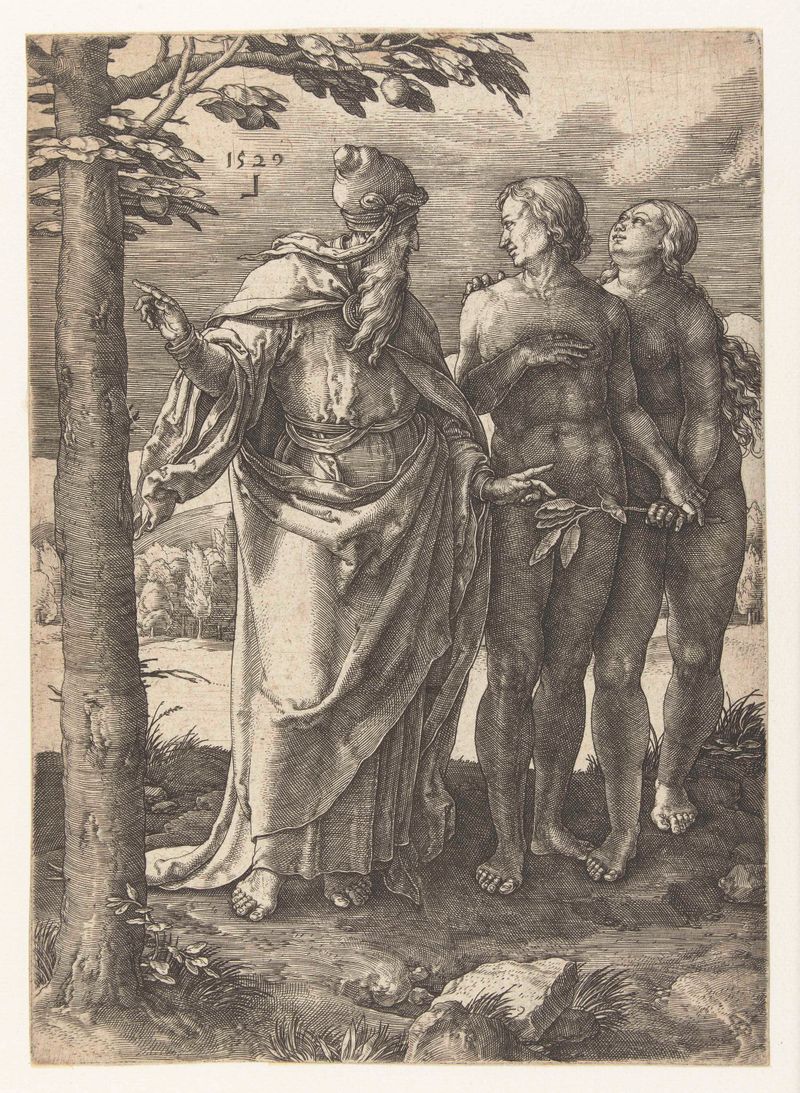
Het eerste verbod
Lucas van Leyden
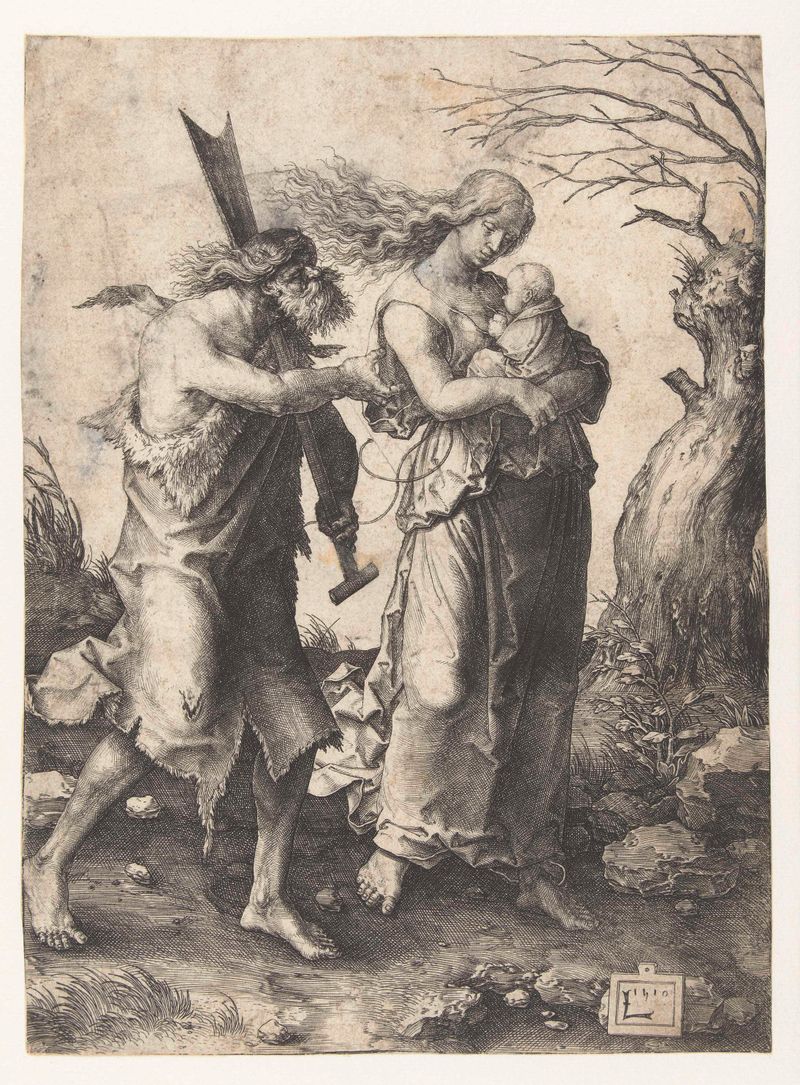
Adam en Eva na de verdrijving uit het paradijs
Lucas van Leyden
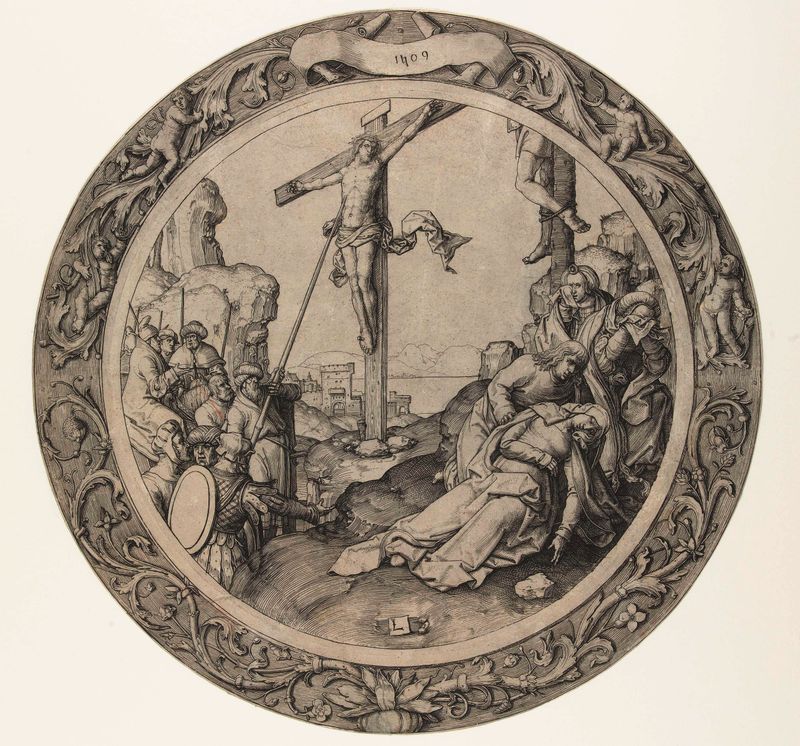
De kruisiging
Lucas van Leyden
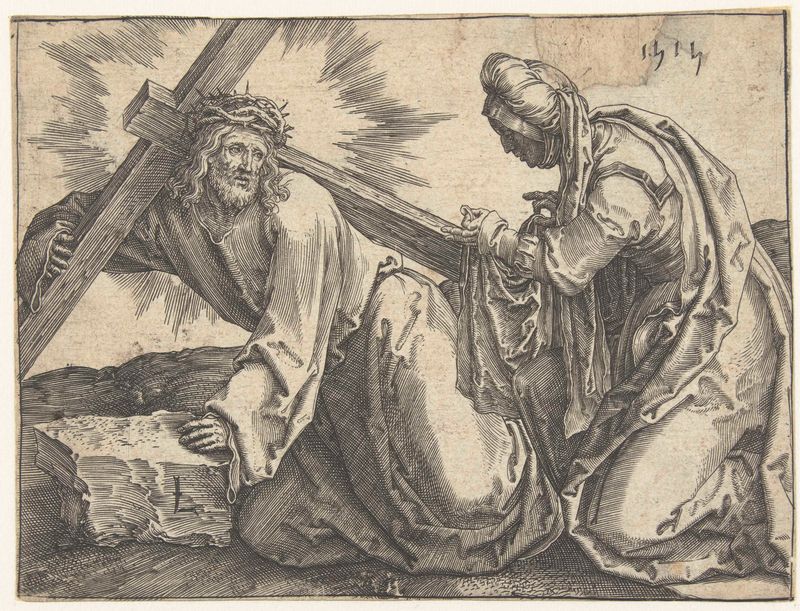
Kruisdraging
Lucas van Leyden
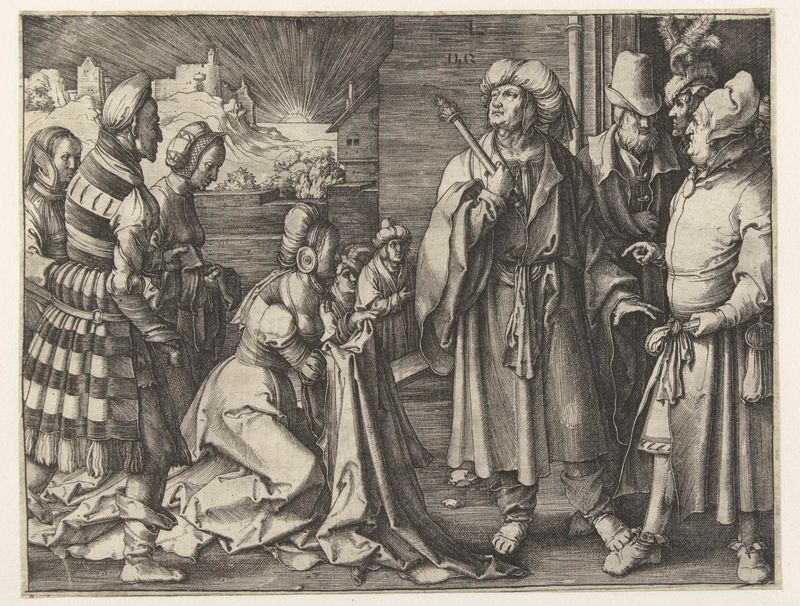
De vrouw van Potifar beschuldigt Jozef
Lucas van Leyden
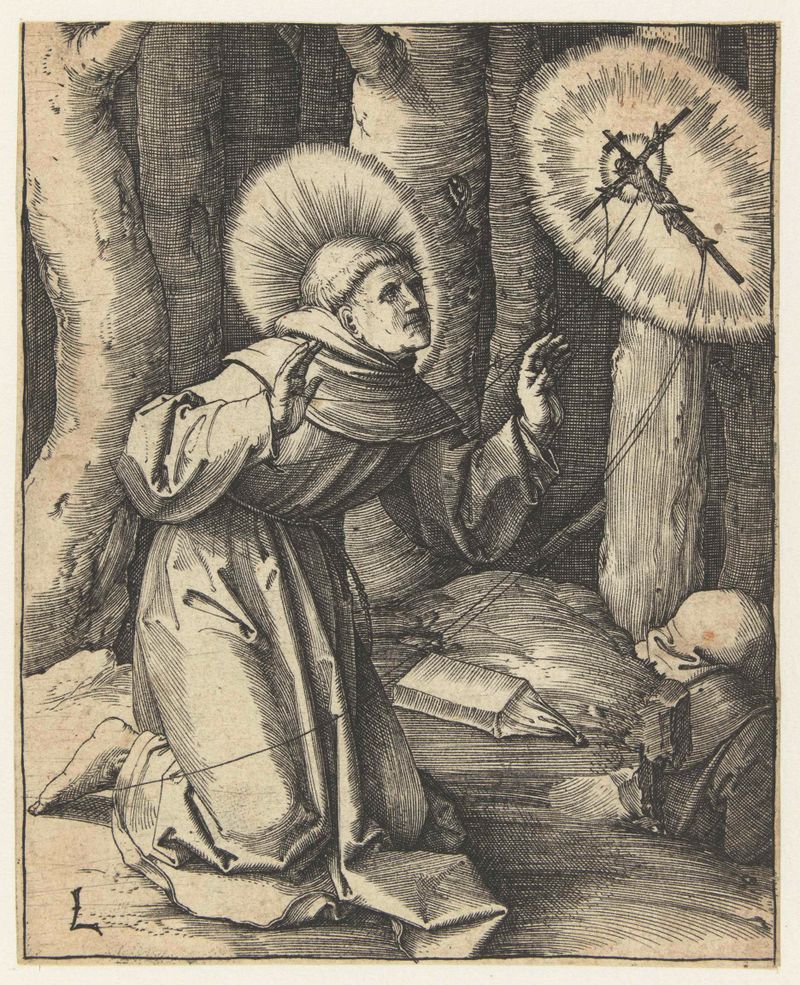
De stigmatisatie van de heilige Franciscus
Lucas van Leyden
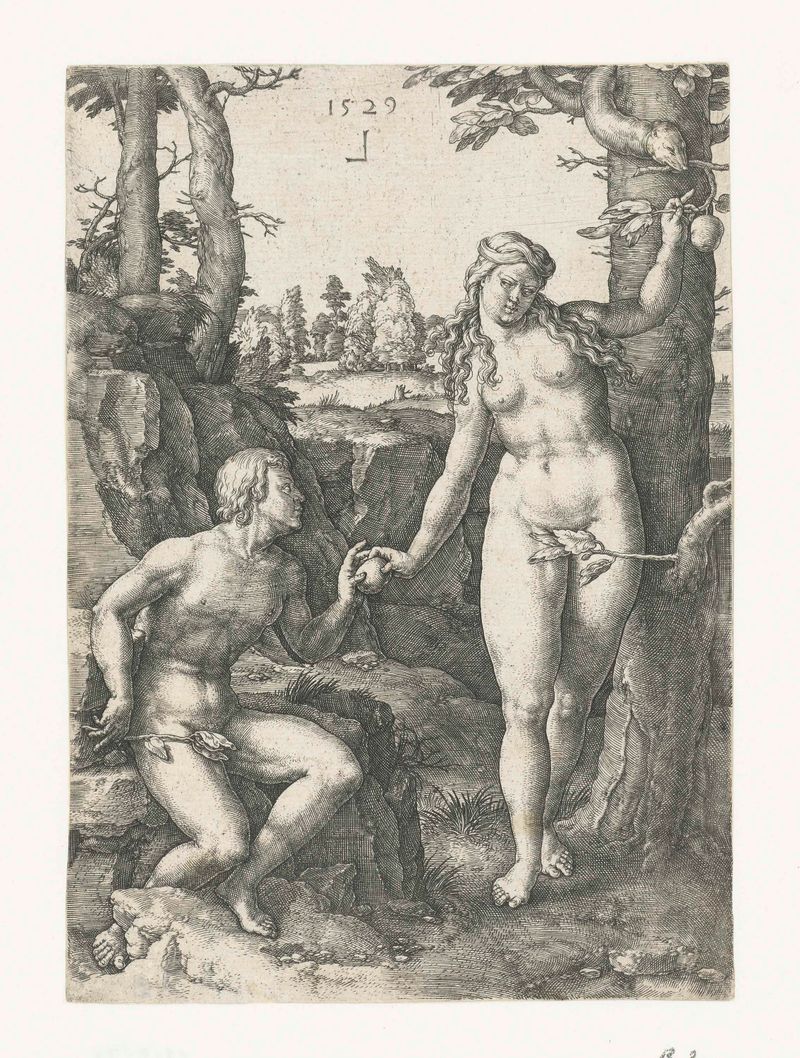
De zondeval
Lucas van Leyden
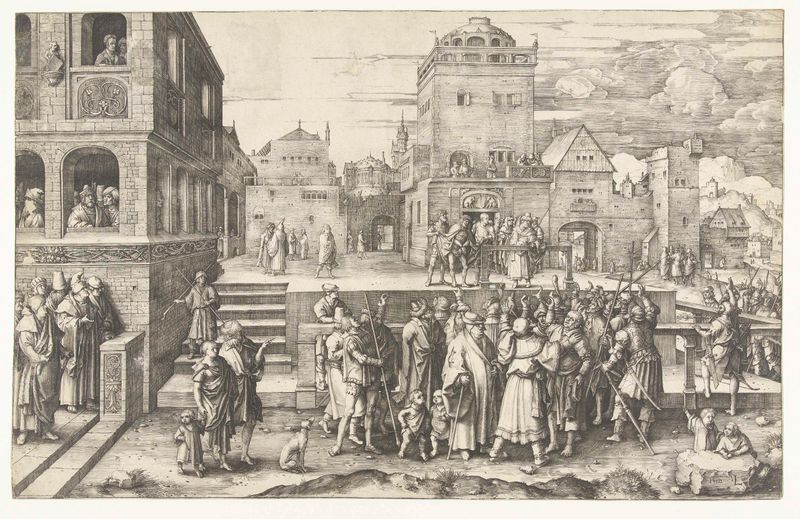
De grote Ecce Homo
Lucas van Leyden
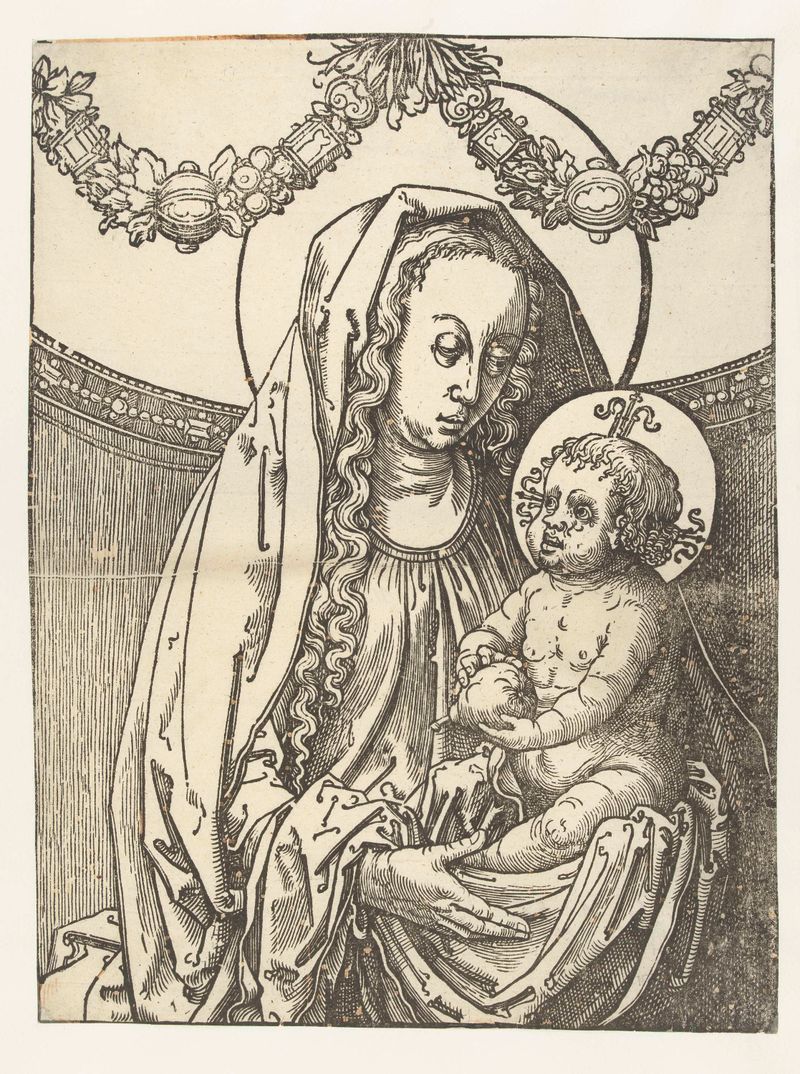
Maria met kind
Lucas van Leyden

Doornenkroning
Lucas van Leyden
More Religious Art
Browse all →
The Return of the Prodigal Son
Rembrandt van Rijn

The Garden of Earthly Delights
El Bosco

Count Orgaz’ funeral
El Greco

The Hundred Guilder Print: the central piece with Christ preaching, the plate arched
Rembrandt van Rijn

The Descent from the Cross
Rogier van der Weyden

The return of the prodigal son
Rembrandt van Rijn