
Salving from the wreck — History & Facts
What if silence could speak through light? In Salving from the Wreck, the gentle hues wash over the canvas like whispers of a dream, inviting viewers to embark on a journey of contemplation and resilience. Look to the center, where the light dances across the surface of the water, illuminating the figures as they work tirelessly to salvage what remains of the shattered vessel. The expertly rendered waves seem to cradle the men, their gestures filled with a mix of determination and despair. Notice how the warm morning sun casts elongated shadows, suggesting the weight of their labor and the fading hopes of recovery.
The muted color palette, primarily blues and grays with hints of ochre, echoes the somber atmosphere while instilling a sense of ethereal beauty. Within this scene lies a duality; it speaks of both loss and quiet hope. The salvagers embody a universal struggle against fate, their concentrated expressions contrasting with the vast, indifferent sea. The wreck symbolizes human fragility, yet the act of salvaging suggests resilience and the relentless pursuit of reclaiming what is precious, hinting at a profound connection between nature and humanity.
Here, the silence of the scene is anything but empty; it vibrates with the echoes of stories untold and futures uncertain. Samuel Prout painted this work in 1848, a period marked by significant social change and upheaval in Europe. Based in London, he was influenced by the Romantic movement and the burgeoning interest in capturing both the beauty and peril of nature. This painting reflects his fascination with maritime themes, as well as the broader romantic ideal of finding solace in nature amidst the chaos of human experience.
More Artworks by Samuel Prout
Browse all →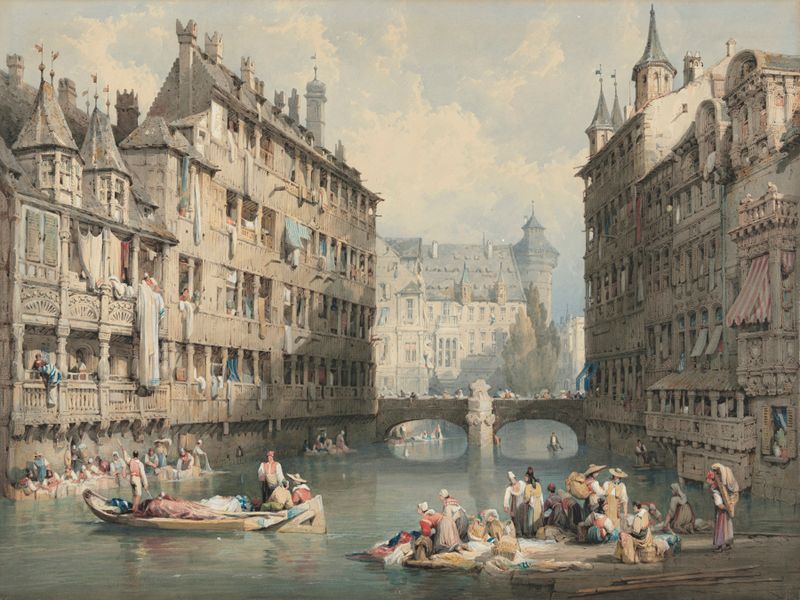
View of Nuremberg
Samuel Prout

The Doge’s Palace and the Grand Canal, Venice, looking west
Samuel Prout
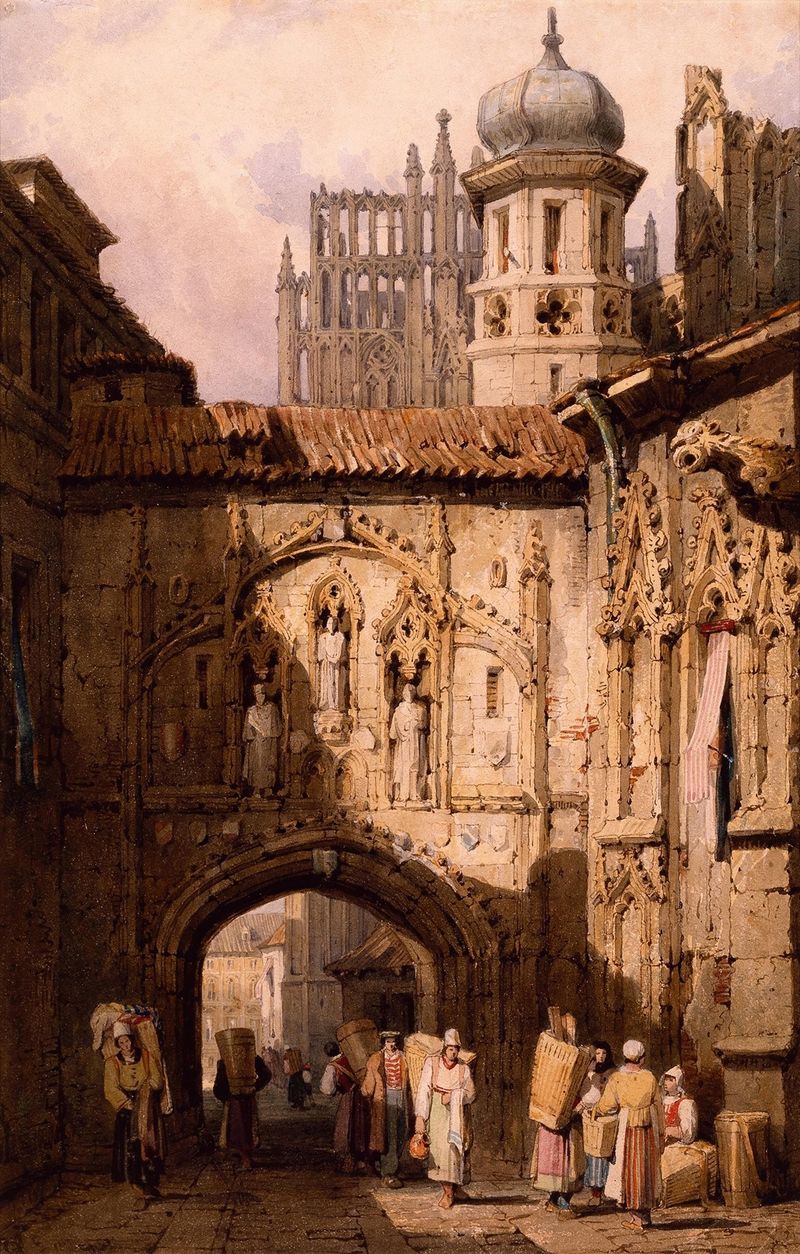
A View in Nuremberg.
Samuel Prout
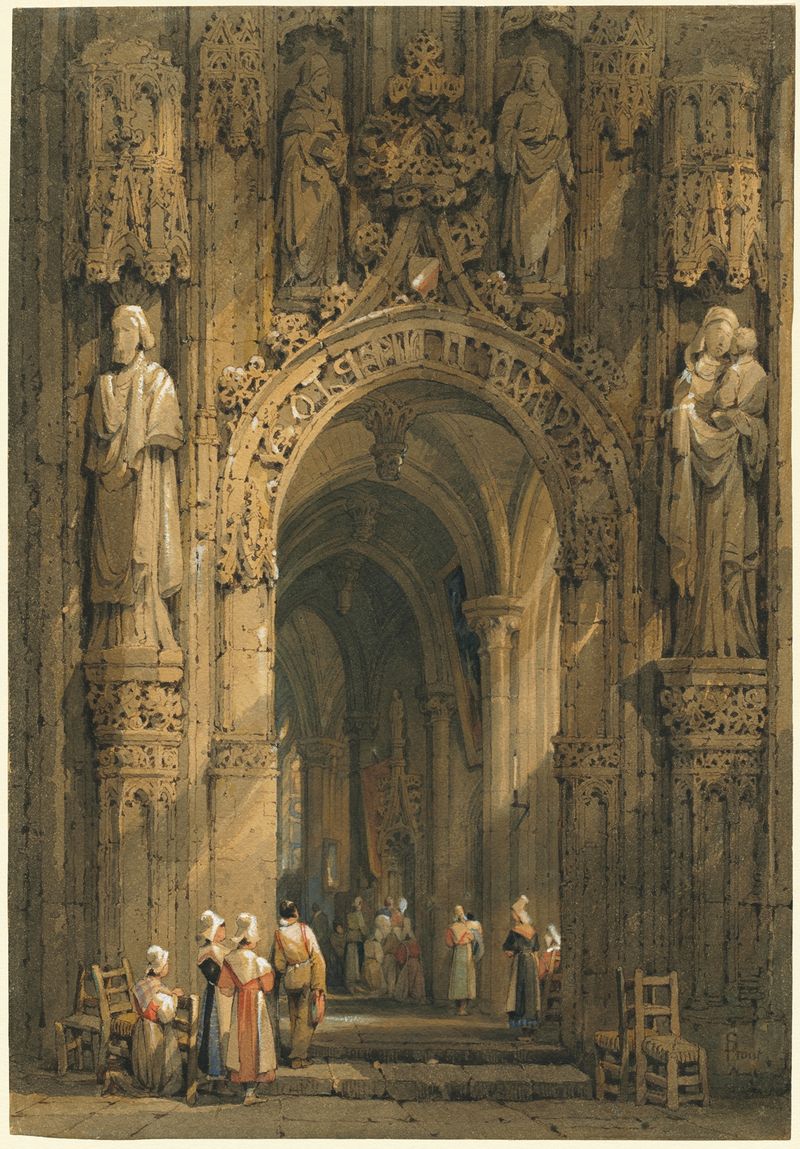
Interior of a Cathedral
Samuel Prout

San Giorgio dei Greci, Seen from an Arcade
Samuel Prout
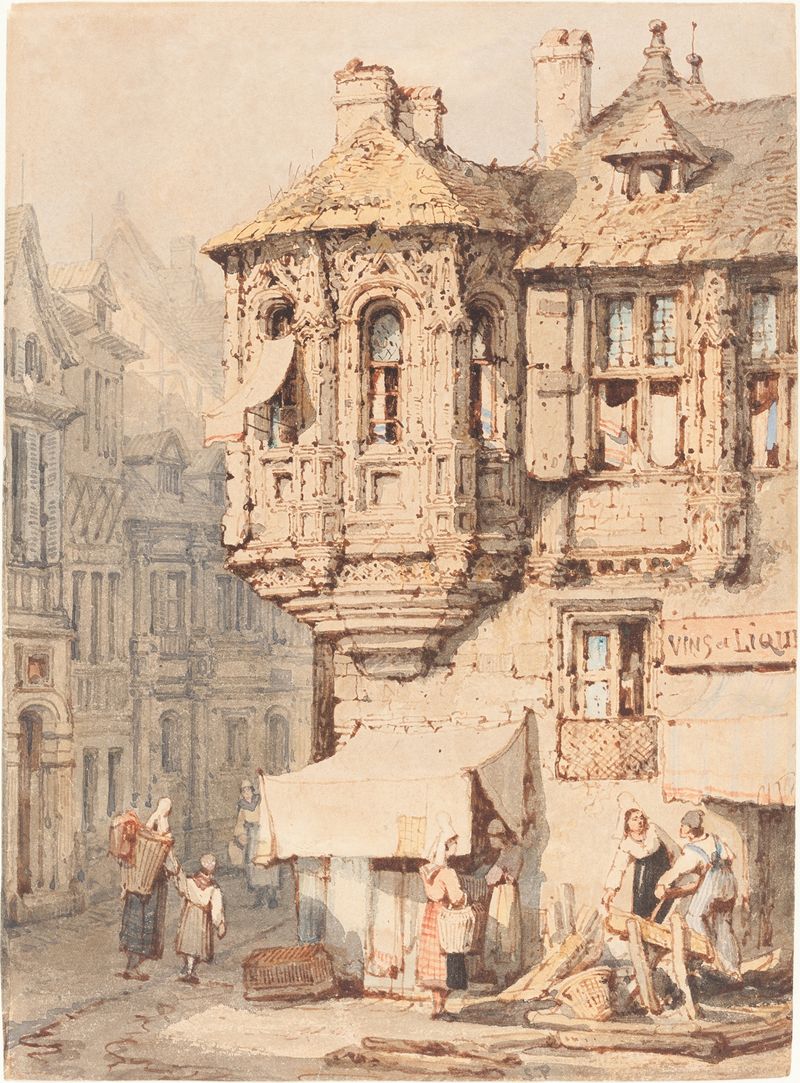
French Street Scene with a Medieval Turret
Samuel Prout
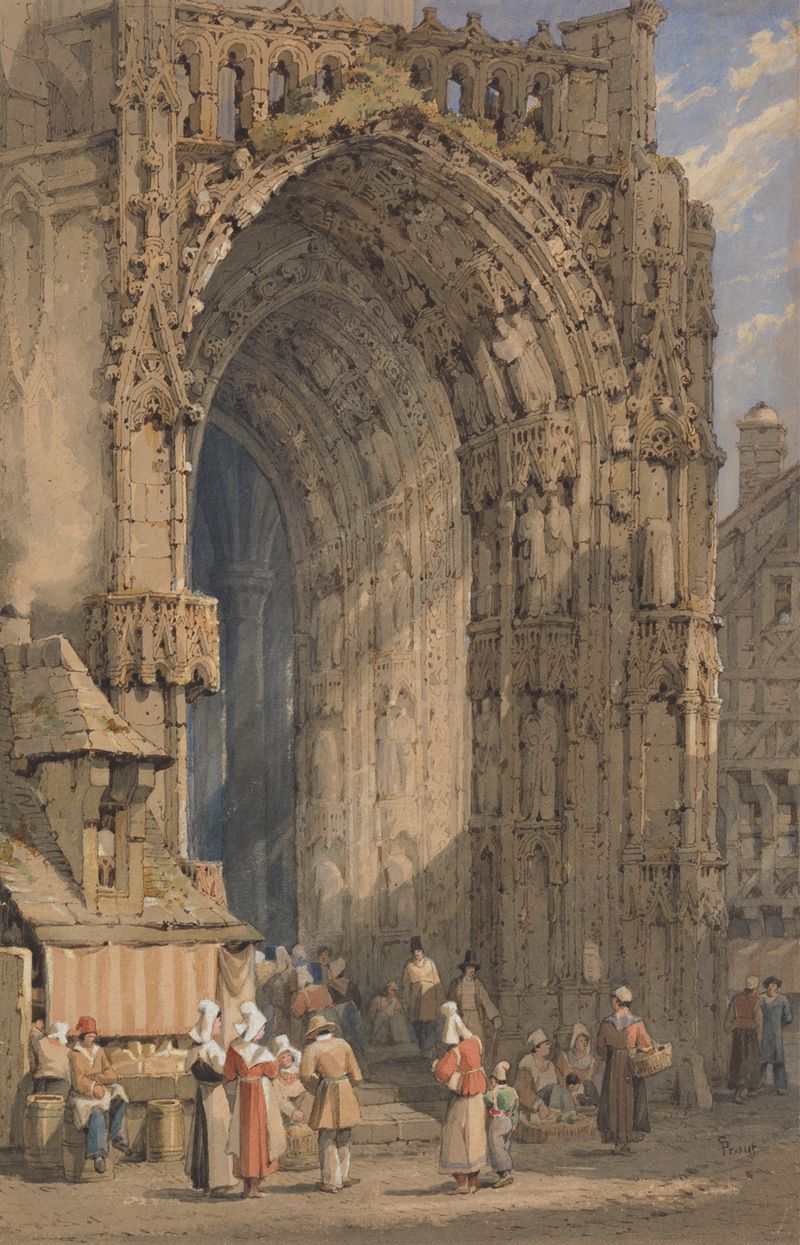
The Porch, Reims Cathedral
Samuel Prout
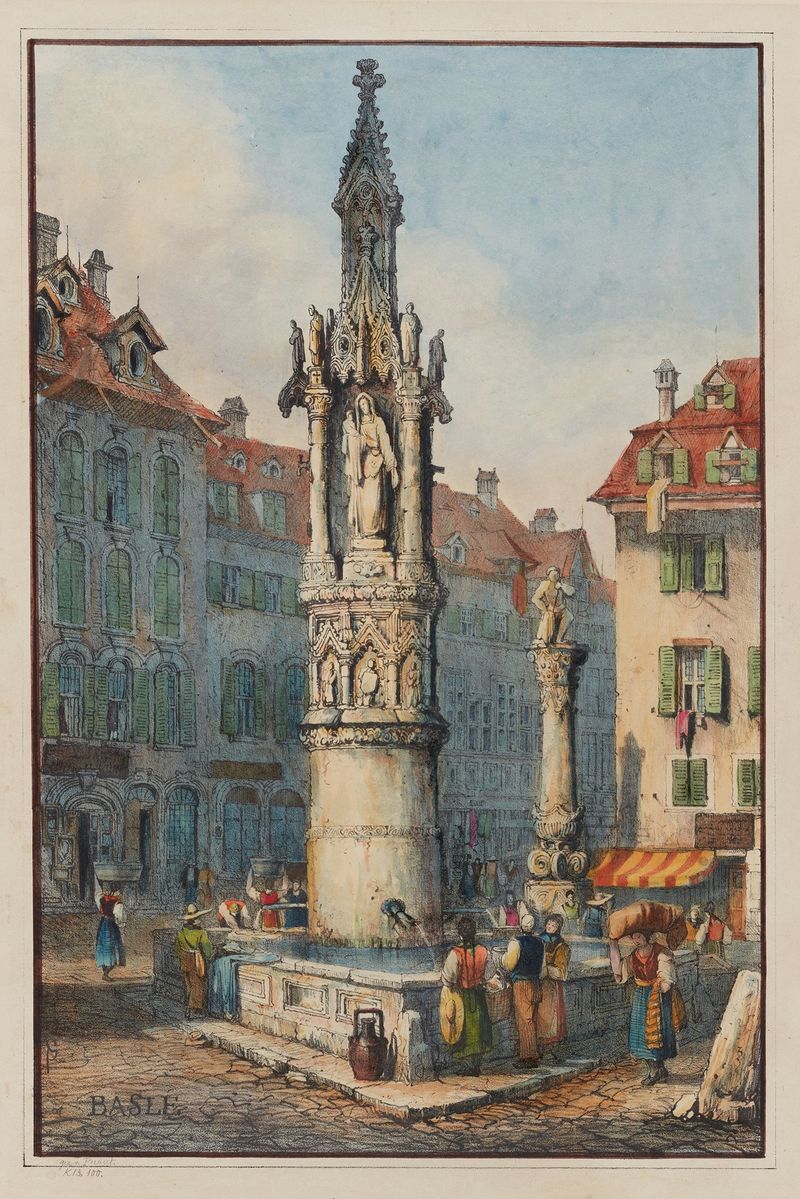
Basle
Samuel Prout

Marketplace at Bruges
Samuel Prout

Coastal Scene with Beached Boats in Foreground
Samuel Prout





