Såmannen (The Sower) — History & Facts
In The Sower, Edvard Munch presents a vivid landscape filled with rich colors. The central figure, a sower, is depicted in motion, scattering seeds across the earth. The background features rolling hills and a bright sky, enhancing the sense of vitality in the scene.
Munch's use of color creates a dynamic contrast between the earthy tones of the soil and the vibrant greens of the landscape. This painting is executed in oil on canvas, showcasing Munch's characteristic brushwork and color palette. The approximate dimensions are 100 x 80 cm, making it a substantial piece that draws the viewer's attention. The texture of the paint adds depth to the scene, inviting viewers to explore the details of the sower's movement and the surrounding environment.
Munch's technique emphasizes the emotional resonance of the act of sowing. Edvard Munch, known for his exploration of psychological themes, created The Sower during a period when he was deeply influenced by Symbolism. This work reflects his interest in the connection between humanity and nature. An interesting fact about this painting is that it symbolizes renewal and growth, themes that resonate throughout Munch's oeuvre.
The act of sowing seeds becomes a metaphor for hope and new beginnings.
More Artworks by Edvard Munch

The Scream
Edvard Munch

The Scream (1910 version)
Edvard Munch

Despair
Edvard Munch

The Day After
Edvard Munch
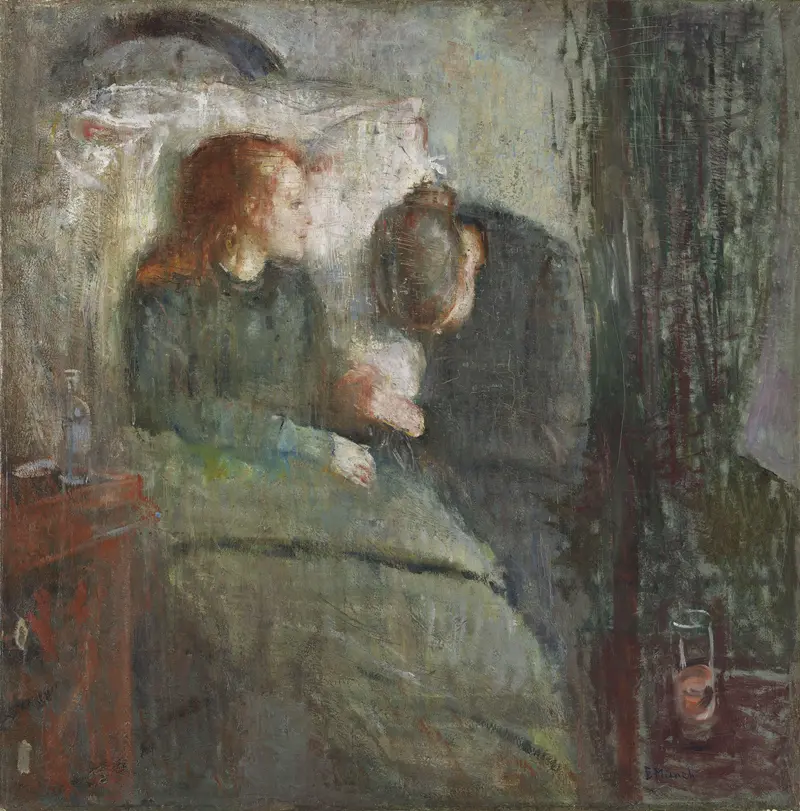
The Sick Child
Edvard Munch
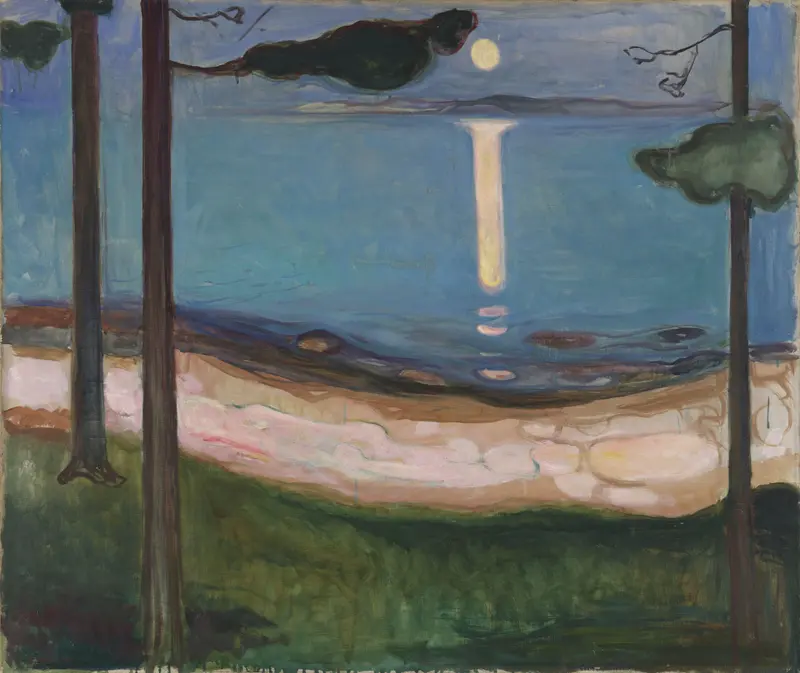
Moonlight
Edvard Munch
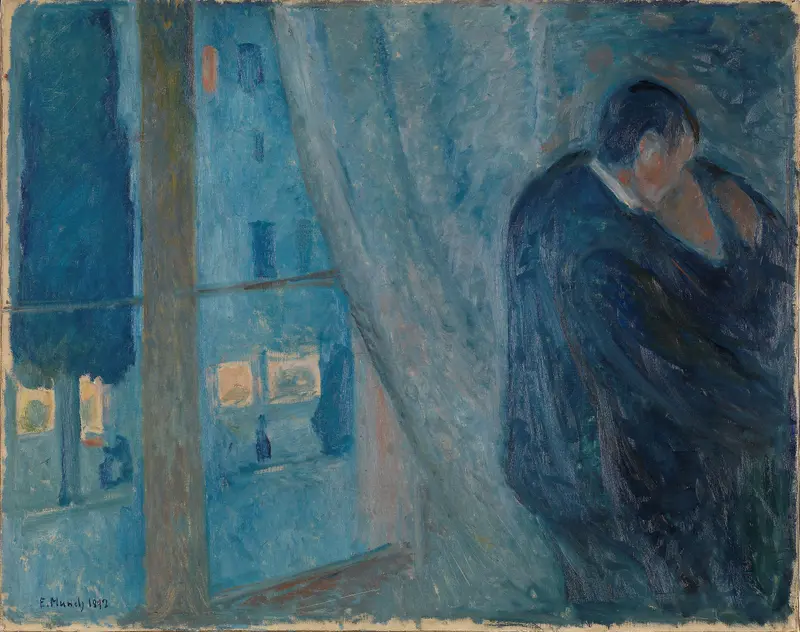
The Kiss
Edvard Munch
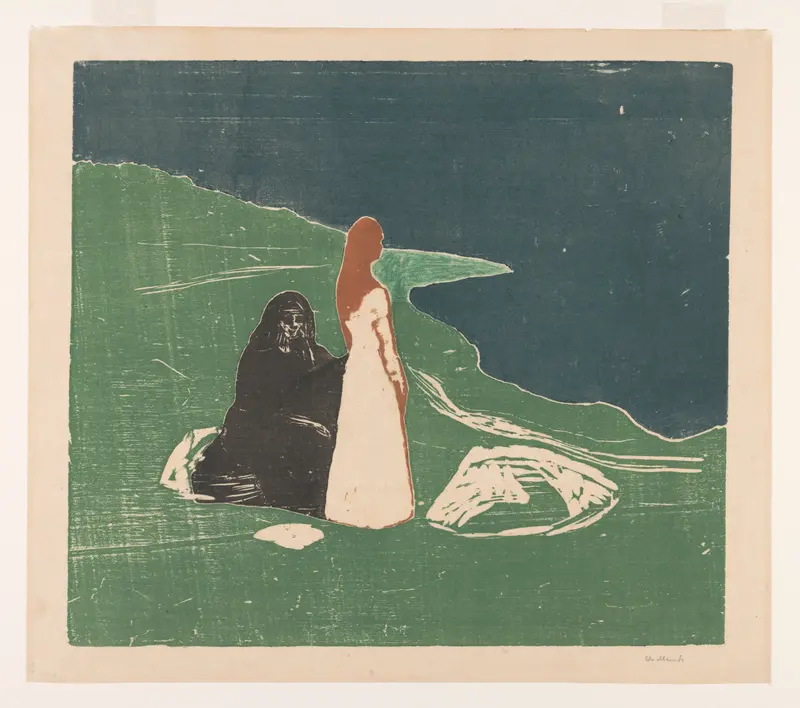
Two Women on the Shore
Edvard Munch
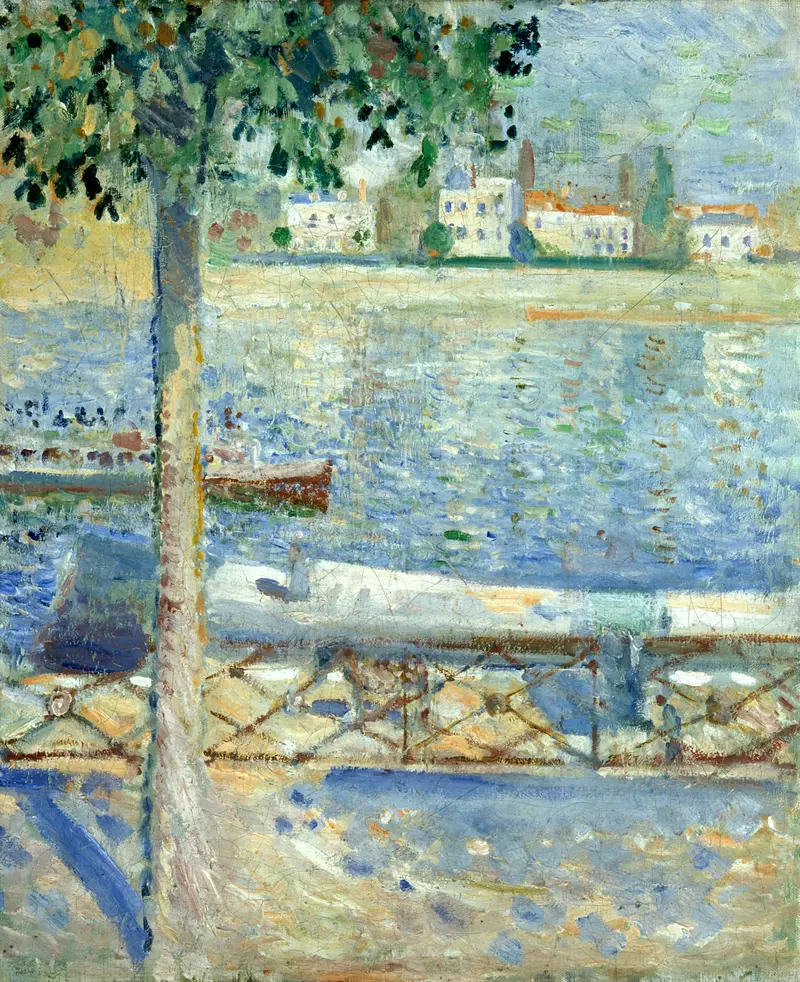
The Seine At Saint-Cloud
Edvard Munch
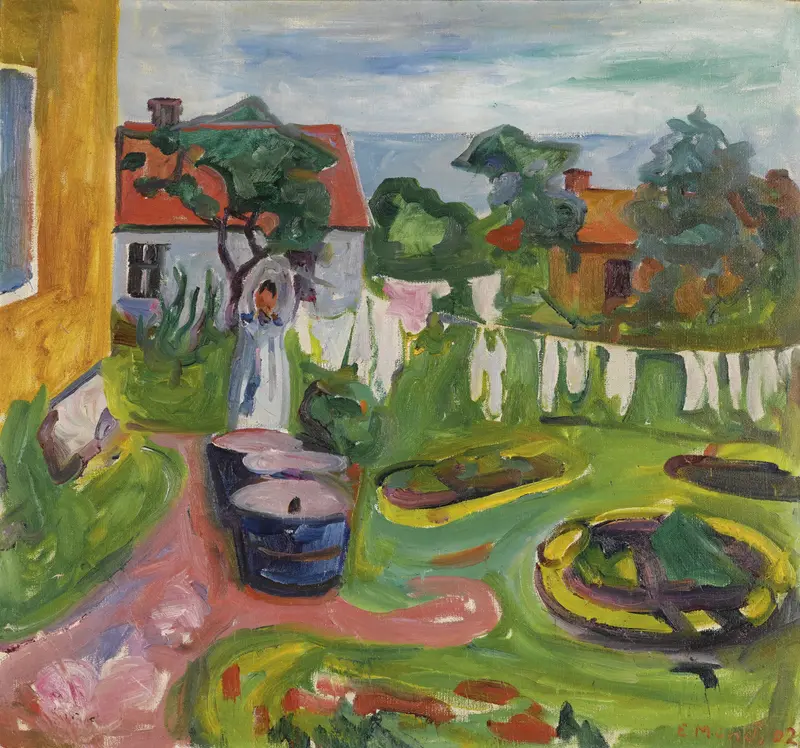
Klestørk I Åsgårdstrand (Clothes On A Line In Åsgårdstrand)
Edvard Munch