
Sand And Sky — History & Facts
In the vastness of a seemingly tranquil landscape, the delicate balance between serenity and madness lies on the horizon, waiting to be uncovered. Look to the center, where a lone figure stands resolutely against the backdrop of a tumultuous sea and an expansive sky. The gentle, swirling strokes of the clouds clash with the sharp lines of the sand, embodying a tension that speaks of both freedom and confinement. Notice how the muted palette of earthy tones contrasts with the vibrant blues above, inviting the viewer to contemplate the emotional weight of solitude. Amidst this arresting landscape, the figure is both a part of and an outsider to the scene.
The wind plays with their clothes, perhaps hinting at a struggle against unseen forces. The restless waves mirror an internal turmoil, suggesting a narrative of isolation and reflection. Through these contrasts, Homer masterfully evokes the unease that often accompanies moments of introspection, revealing a deeper dialogue between nature and the human experience. Created in 1887, this piece reflects Homer’s position in the American art world during a period of burgeoning Impressionism, where he was immersed in the exploration of light and nature.
At this time, he was living in Prouts Neck, Maine, drawing inspiration from the rugged coast and the emotional landscapes of his subjects. As he navigated his personal challenges, Sand And Sky stands as a testament to both the beauty and madness of existence, urging viewers to seek understanding within their own silences.
More Artworks by Winslow Homer
Browse all →
The Gulf Stream
Winslow Homer
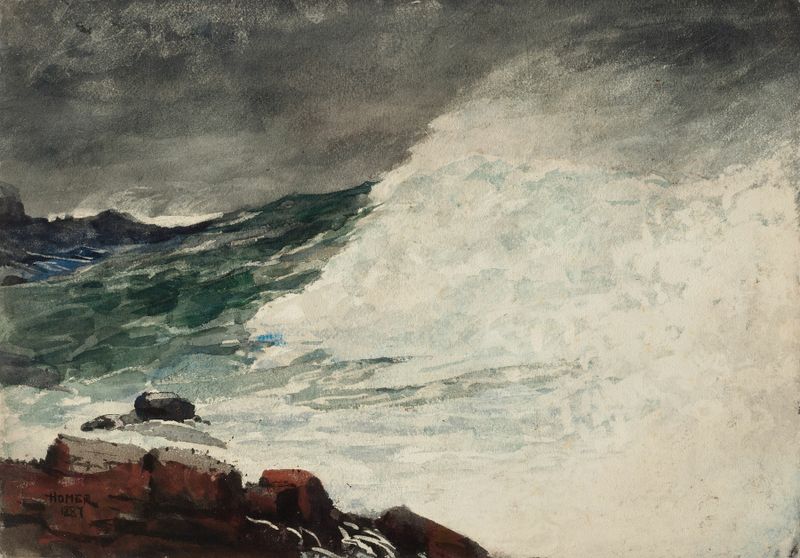
Prout’s Neck, Breaking Wave
Winslow Homer
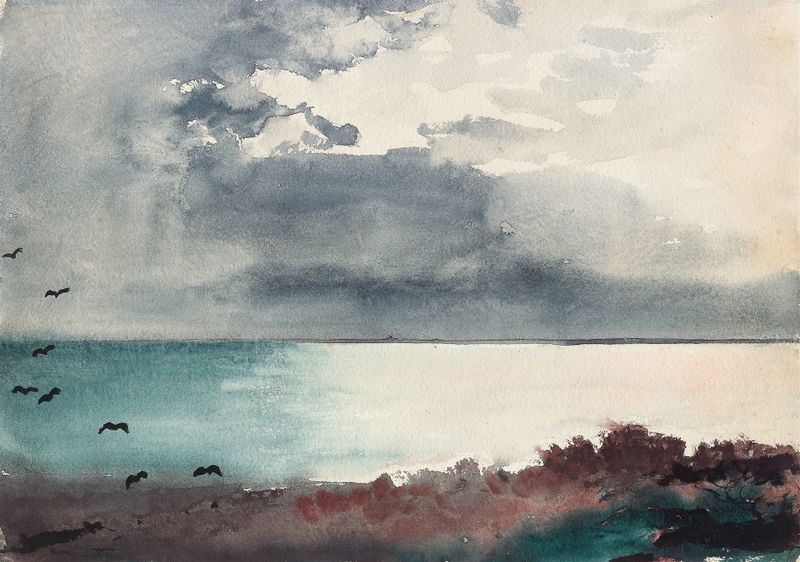
Breaking Storm, Coast of Maine
Winslow Homer
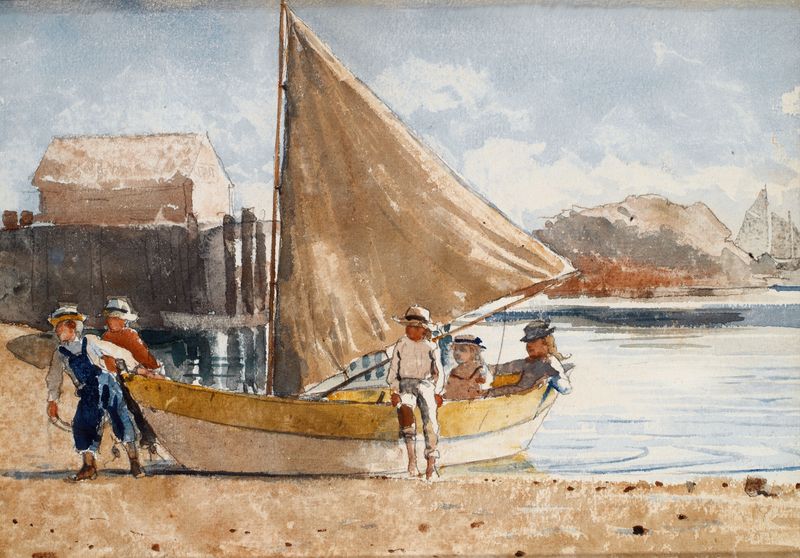
Summertime
Winslow Homer
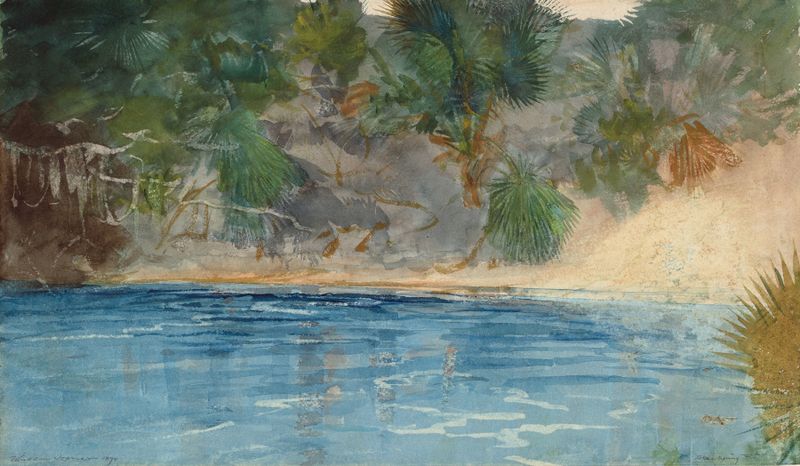
Blue Spring, Florida
Winslow Homer
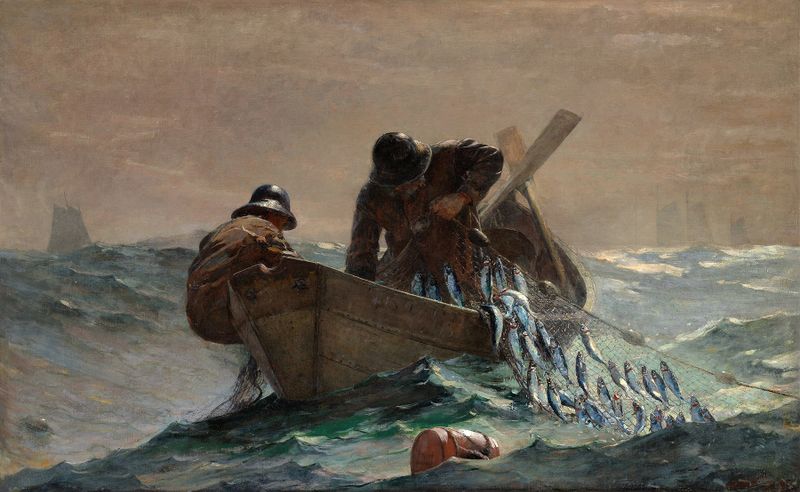
The Herring Net
Winslow Homer
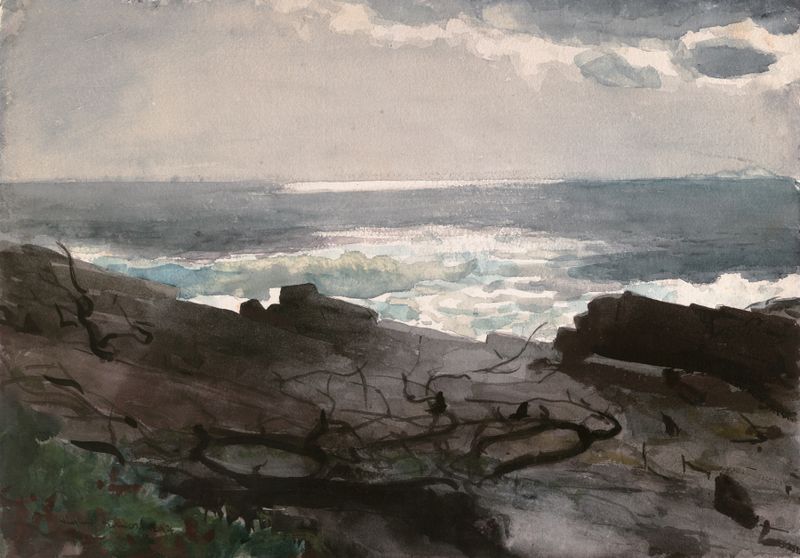
Sunshine and Shadow, Prout’s Neck
Winslow Homer
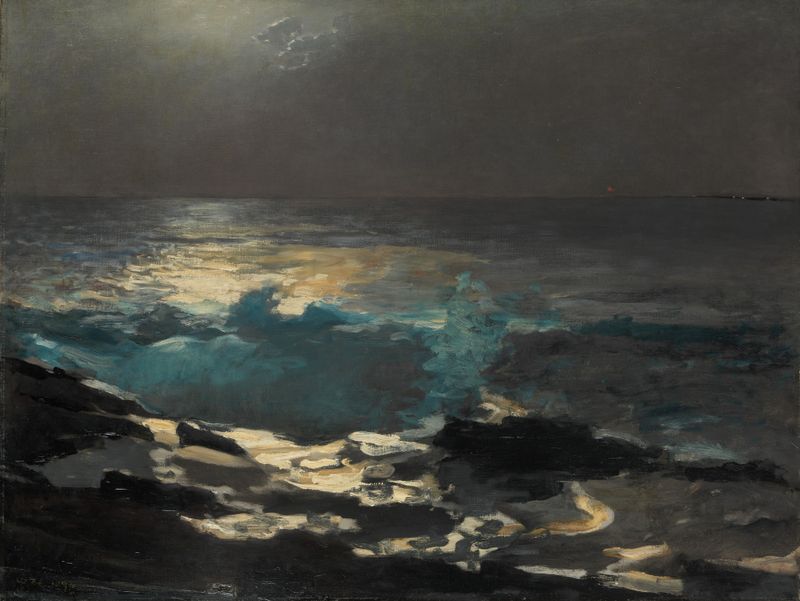
Moonlight, Wood Island Light
Winslow Homer
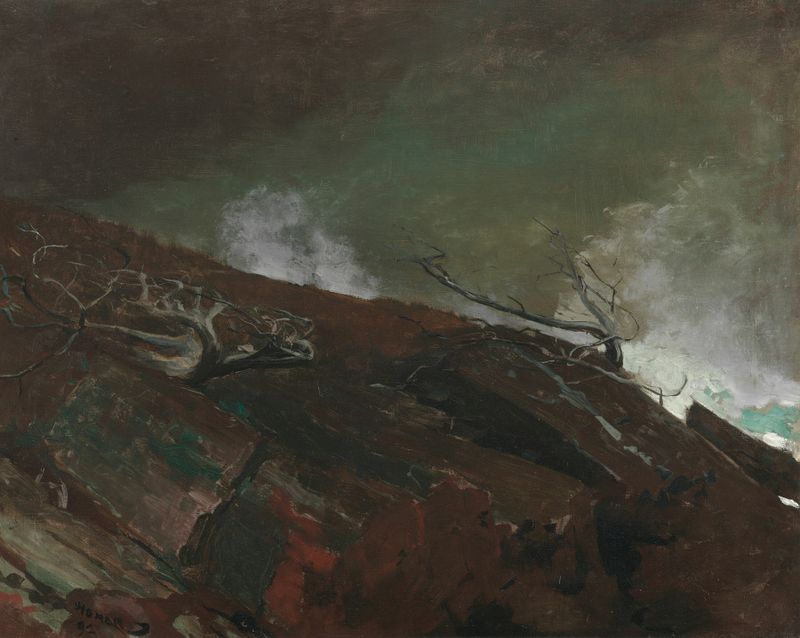
Coast of Maine
Winslow Homer
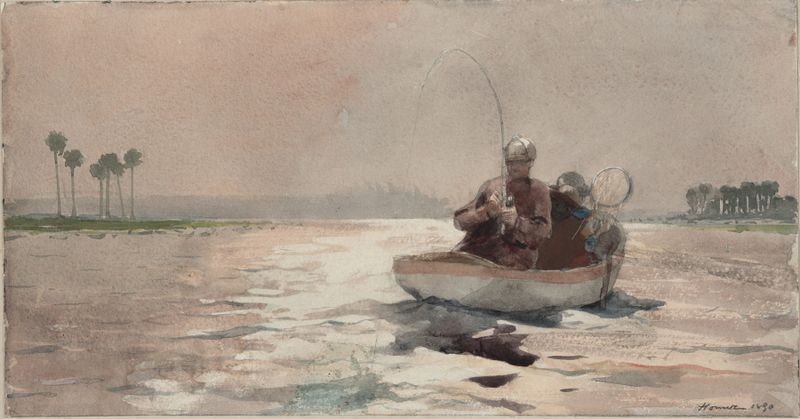
Bass Fishing – Florida
Winslow Homer




