
Sandrecourt, le chemin au bord de la rivière — History & Facts
In a world where moments slip through our fingers like grains of sand, the act of capturing a fleeting scene becomes an act of defiance against the relentless march of time. Look to the left of the canvas, where the shimmering river reflects the dappled sunlight filtering through the lush canopy above. The gentle curves of the path invite the viewer's eyes to follow along, leading into the heart of this tranquil scene. Notice how the vibrant greens dance with hues of gold and ochre, revealing Luce's mastery of light and color as he breathes life into this serene riverside.
Each brushstroke seems deliberate, creating a living tapestry that speaks to the intimacy of nature. Delve deeper into the composition, and you’ll find layers of emotional tension. The river, a silent witness to the passage of time, flows inexorably, reminding us of life’s transience. The path, while inviting, seems to vanish into the horizon, evoking a sense of longing and the inevitability of our journey.
Nature thrives in this painting, yet there’s an underlying awareness of mortality, hinting that every beautiful moment is fleeting, destined to become a memory. Created in 1936, this painting emerged during a pivotal time for Maximilien Luce, who was deeply influenced by the post-Impressionist movements and the rise of modernism. While Europe was grappling with political unrest and the onset of war, Luce used his art to express a profound reverence for nature and its transient beauty. This work reflects not only his personal reflections on life and mortality but also the broader cultural shifts that were reshaping the artistic landscape.
More Artworks by Maximilien Luce
Browse all →
Le Quai Montebello Et La Colline Sainte-Geneviève
Maximilien Luce

Le Pont-Neuf, La Seine, Petit Bras
Maximilien Luce
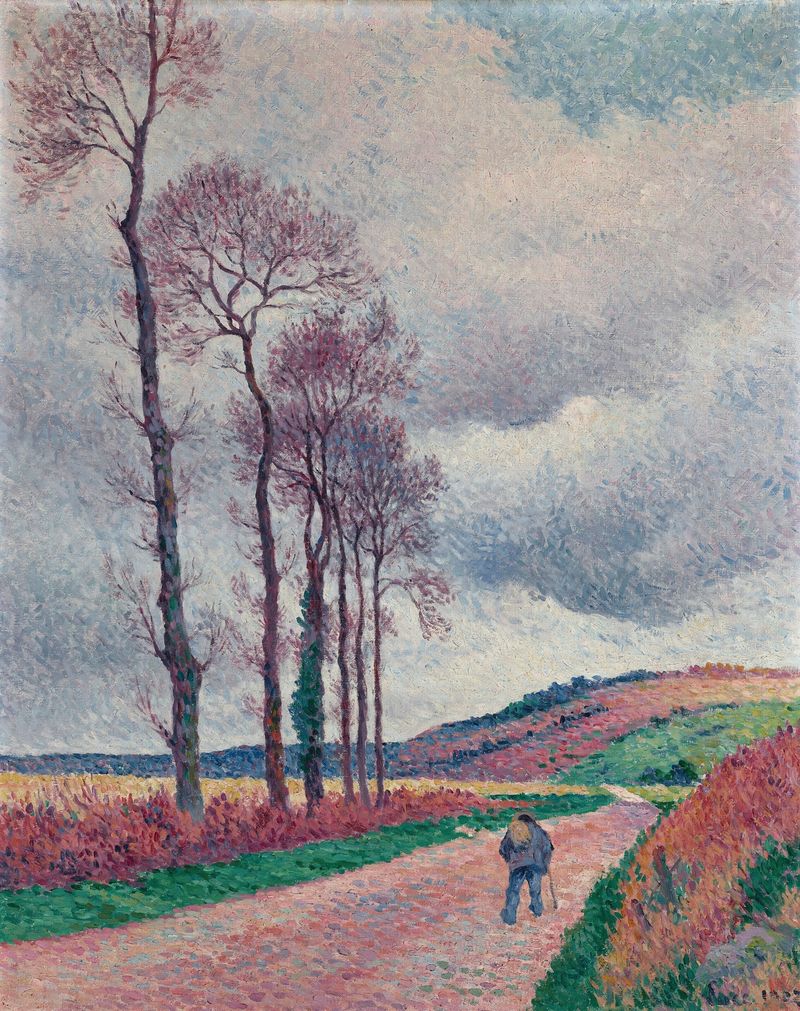
La route aux environs de Méréville
Maximilien Luce
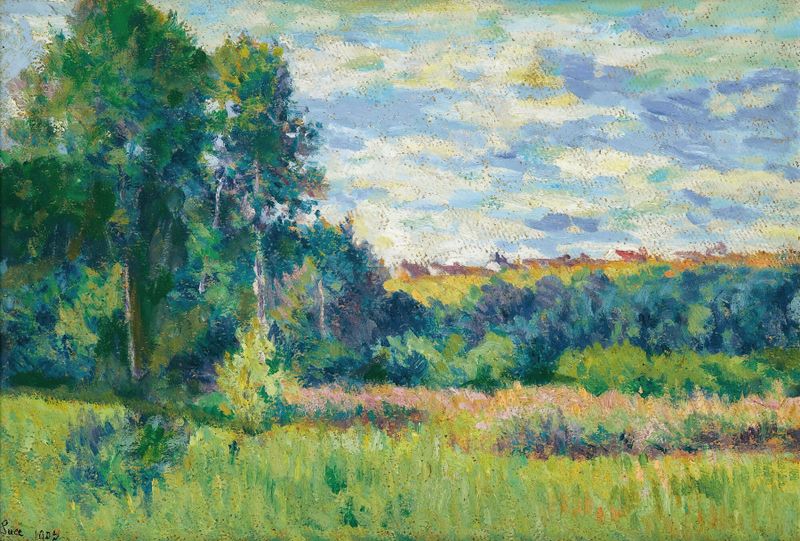
Paysage
Maximilien Luce
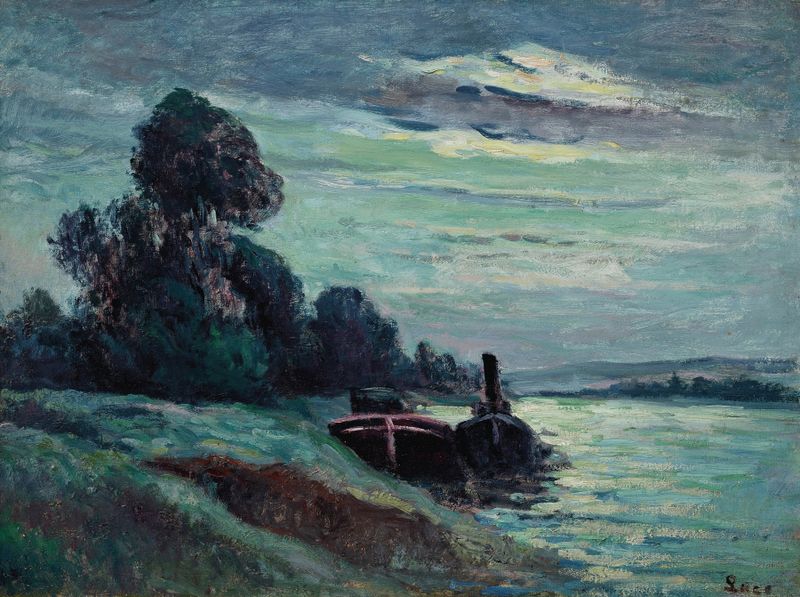
Péniches sur la Seine
Maximilien Luce

Notre Dame de Paris
Maximilien Luce
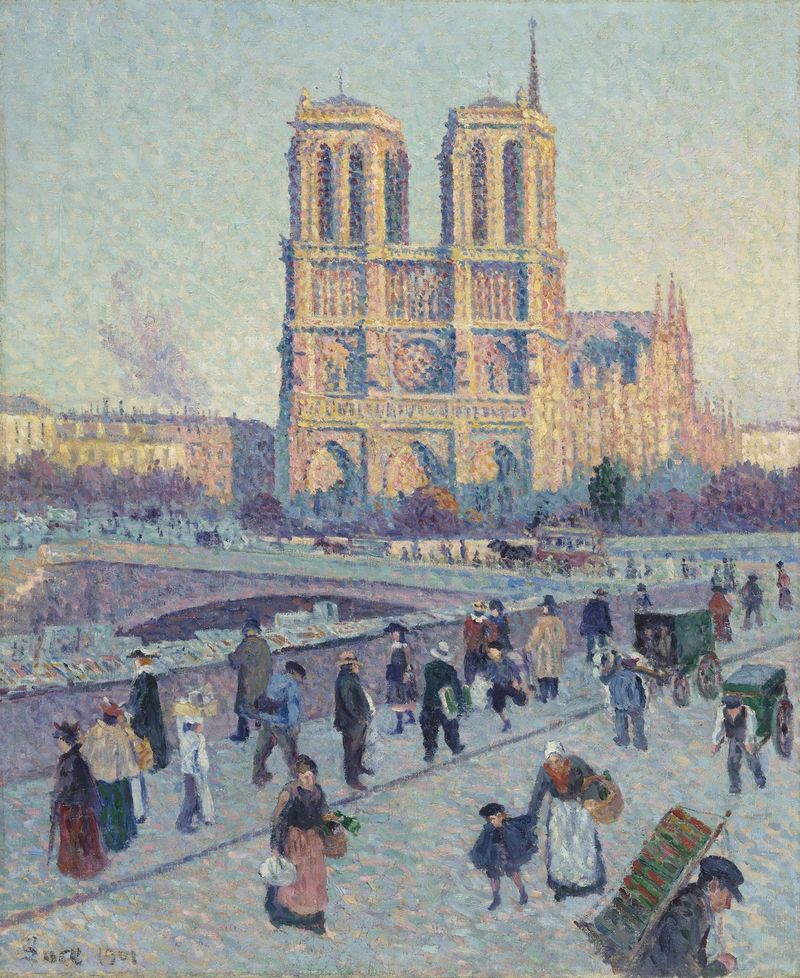
The Quai Saint-Michel and Notre-Dame
Maximilien Luce

La Seine au Pont Mirabeau
Maximilien Luce
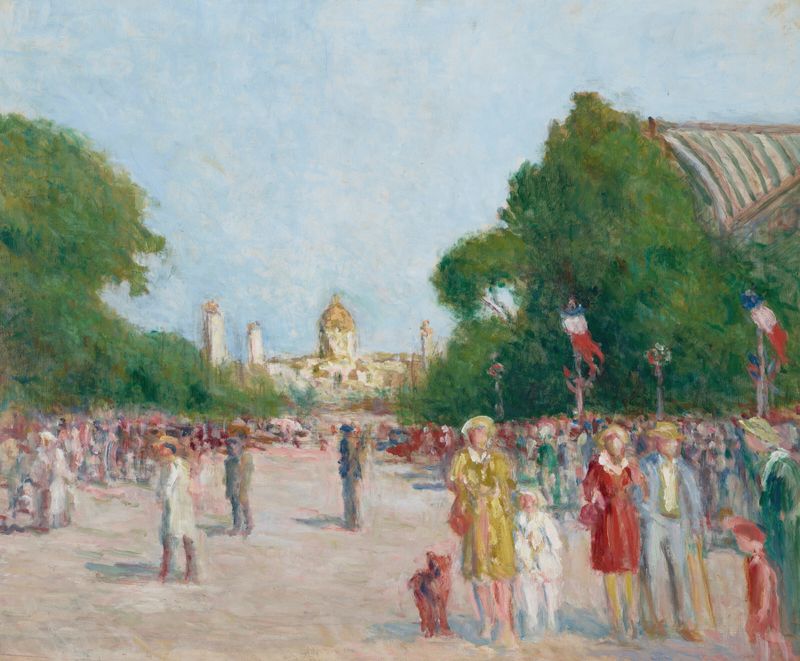
L’avenue Winston-Churchill, Paris
Maximilien Luce

Paris, Le Quartier De Vaugirard
Maximilien Luce





