
Sandy Beach with Breakers — History & Facts
Where does light end, and longing begin? In the tranquil expanse of a sandy shore, the horizon blurs dreams and reality, inviting contemplation and escape. Look to the center, where rhythmic waves crash against the shore, their frothy white caps glistening under a golden sun. The sea stretches infinitely, painted in deep blues and greens, while the sandy beach—soft and inviting—serves as a contrast to the vibrant hues of water. Around the edges, delicate brushwork evokes the gentle rustling of grass and the whisper of the wind, capturing the serenity of the coastal landscape. Within the undulating waves lies a metaphoric struggle—between the calm of nature and the tempest of human emotion.
The interplay of light and shadow conveys a sense of transience, reflecting the fleeting nature of the moment. Each wave, with its cresting white foam, suggests a yearning for what is just out of reach, embodying the duality of beauty and longing that permeates the scene. Winslow Homer painted Sandy Beach with Breakers around 1869 during a time of great personal exploration. Settled in New York after years in the civil war-affected South, he sought to capture the essence of American life and nature.
This painting marks a period of transition in his work, as he increasingly turned to the themes of solitude and the sublime power of the natural world, seeking to anchor his artistic voice in the shared experiences of everyday moments.
More Artworks by Winslow Homer
Browse all →
The Gulf Stream
Winslow Homer
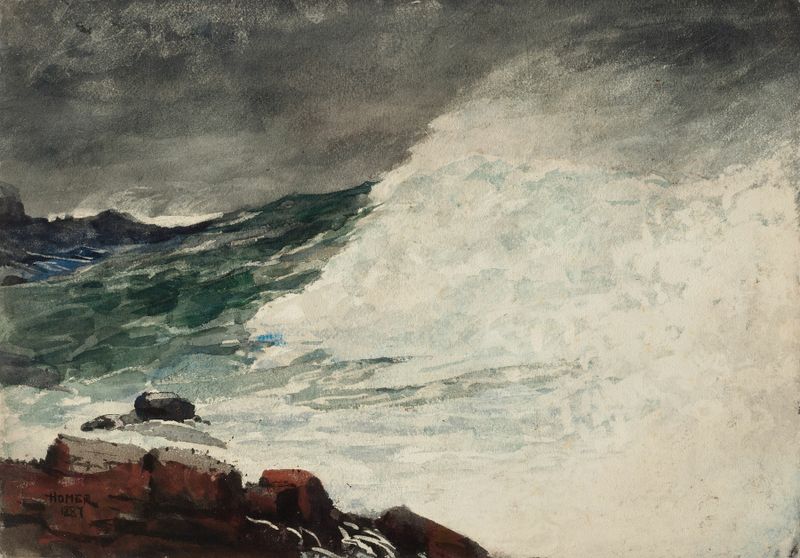
Prout’s Neck, Breaking Wave
Winslow Homer
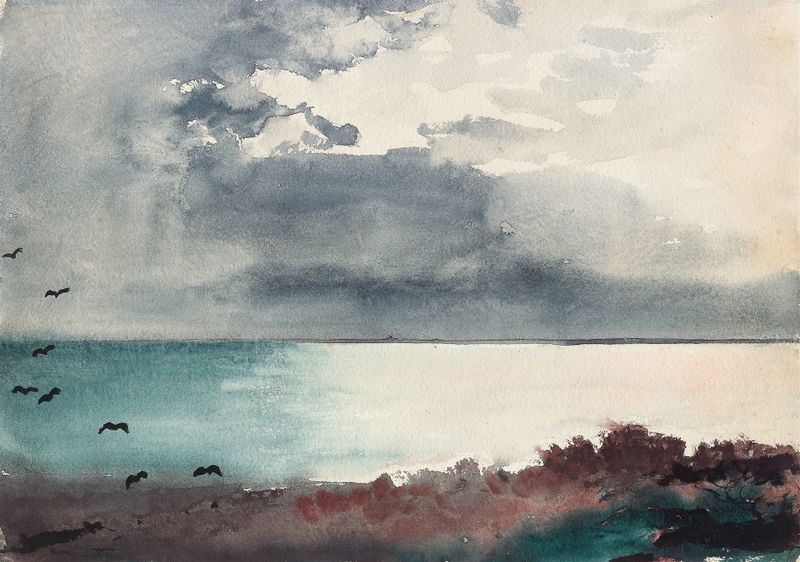
Breaking Storm, Coast of Maine
Winslow Homer
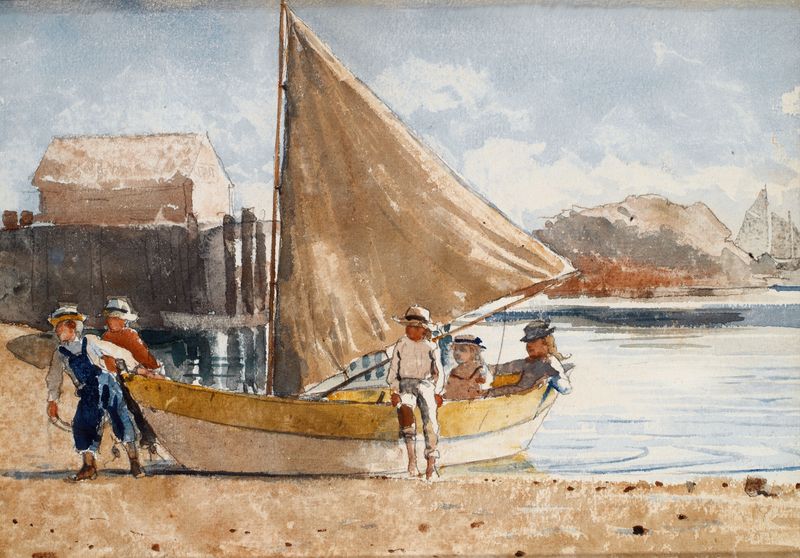
Summertime
Winslow Homer
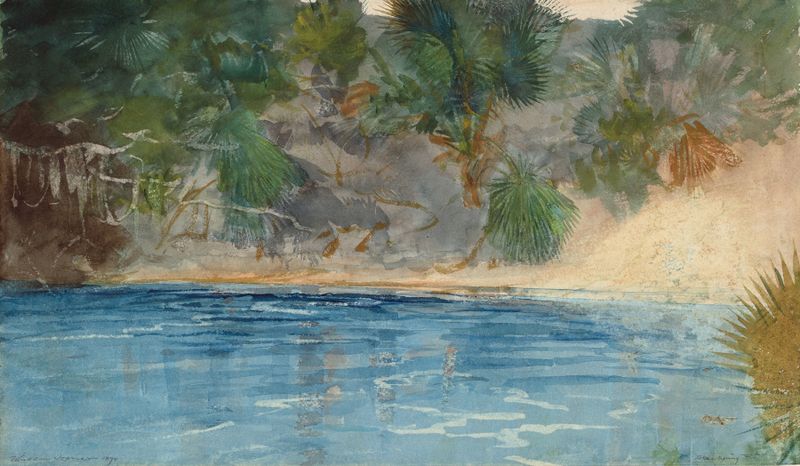
Blue Spring, Florida
Winslow Homer
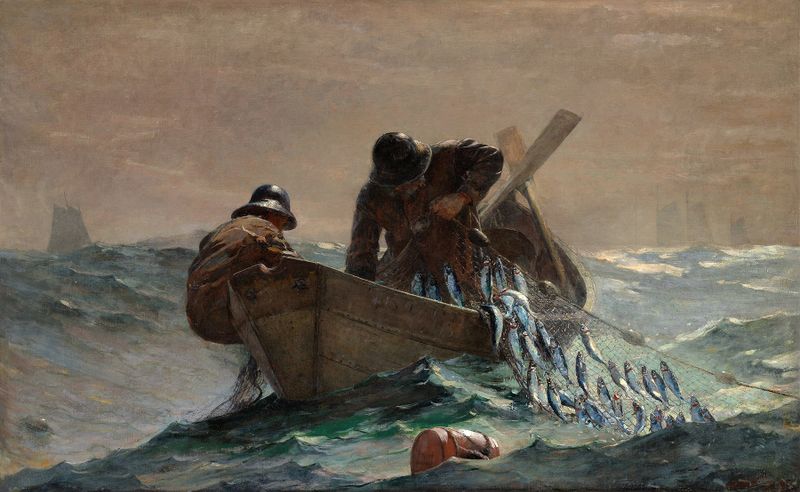
The Herring Net
Winslow Homer
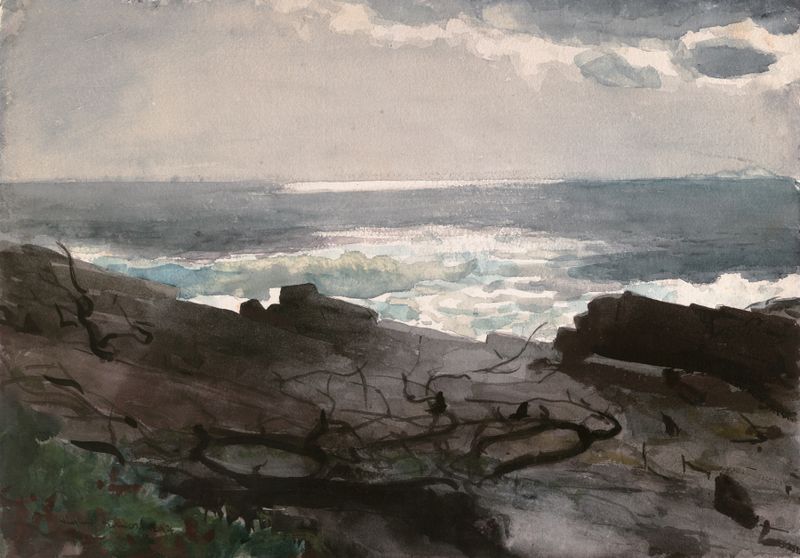
Sunshine and Shadow, Prout’s Neck
Winslow Homer
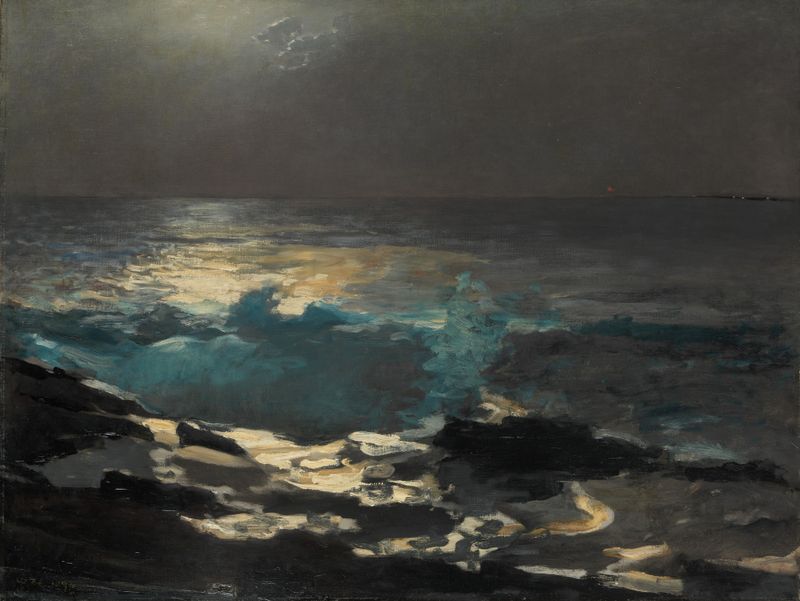
Moonlight, Wood Island Light
Winslow Homer
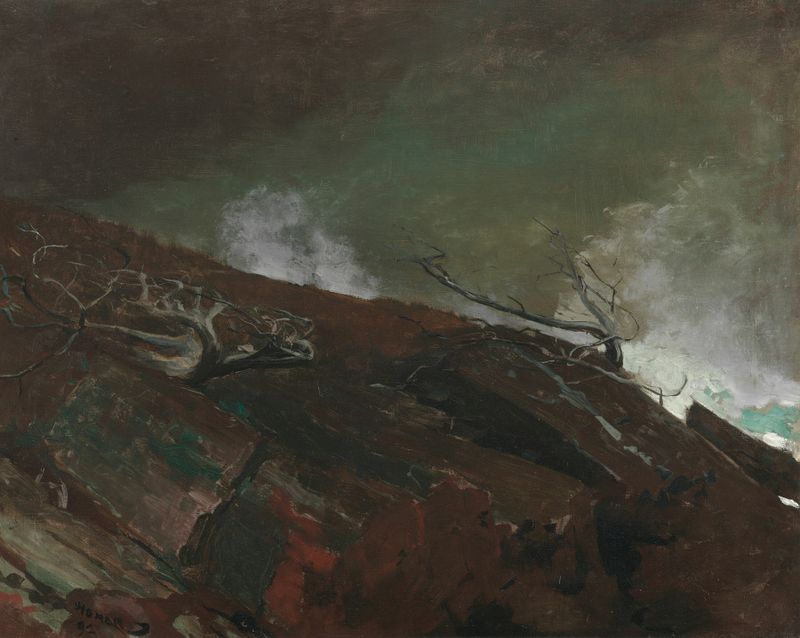
Coast of Maine
Winslow Homer
Bass Fishing – Florida
Winslow Homer




