
Santa Maria Zobenigo — History & Facts
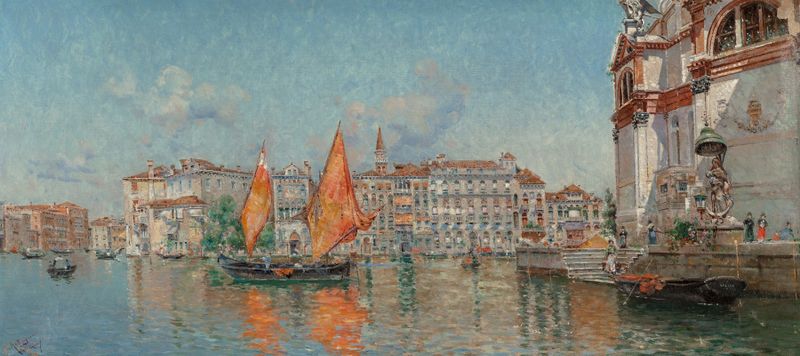
Is this a mirror — or a memory? In the delicate brushstrokes of Santa Maria Zobenigo, a haunting sense of nostalgia and betrayal intertwines, inviting the viewer to confront the echoes of time and trust. Look to the left at the chiaroscuro shadows that cradle the ornate architecture, revealing intricate details of the church's façade. Notice how the light falls upon the weathered stones, each brushstroke meticulously crafted to convey the passage of time. The soft, muted palette evokes a sense of solemnity, while the fleeting reflections dancing upon the water suggest the complexities of human emotion, caught between reality and illusion. As you delve deeper, consider the interplay between light and shadow, which serves as a metaphor for hidden truths beneath the surface.
The church, a symbol of faith and community, stands resolute amid the gentle ripples that suggest the fragility of allegiance. Each element—water, architecture, and light—holds a whisper of betrayal, where trust may falter, yet beauty endures in its wake. Antonio María de Reyna Manescau created this work during a time when Venice was a hub of artistic innovation, although the exact date of this painting remains unclear. The artist navigated a world rich in cultural exchange, drawing inspiration from both the Baroque movement and the serene landscapes of his surroundings, reflecting the tension between the vibrant life of the city and the quieter, more introspective moments of existence.
More Artworks by Antonio María de Reyna Manescau
Browse all →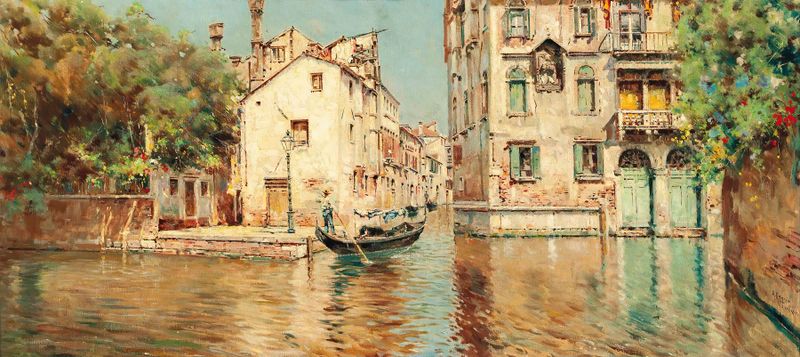
A gondolier on a Venetian backwater
Antonio María de Reyna Manescau
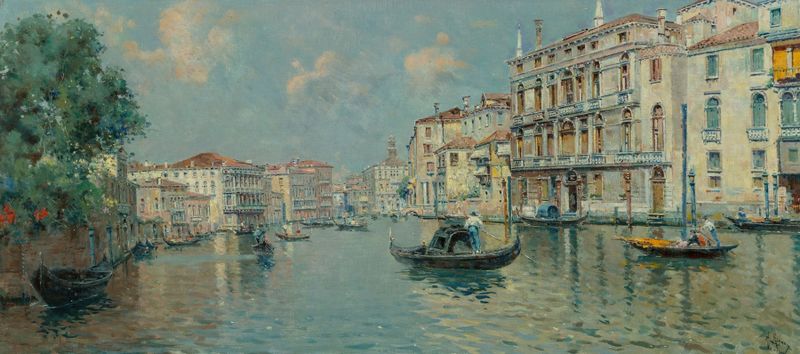
Grand Canal, Venice
Antonio María de Reyna Manescau
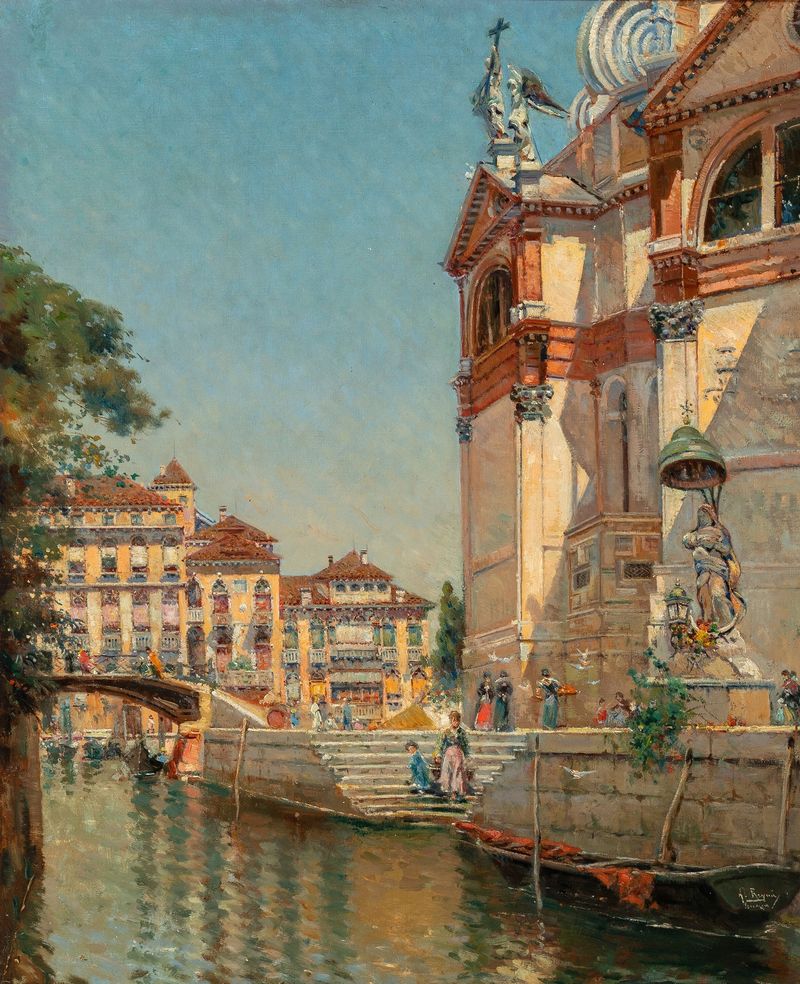
Santa Maria della Salute, Venice, seen from the side
Antonio María de Reyna Manescau
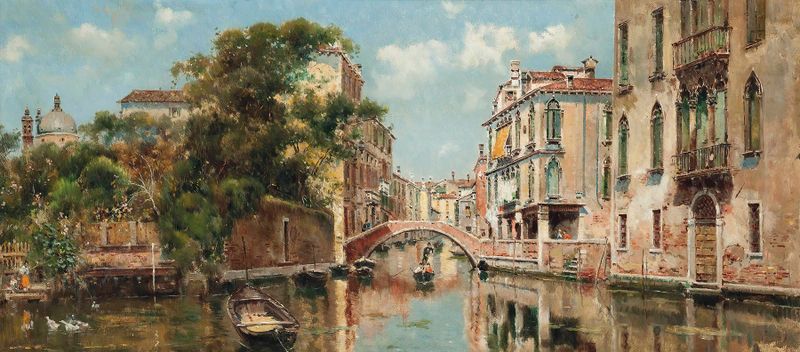
A gondolier before a Venetian bridge
Antonio María de Reyna Manescau
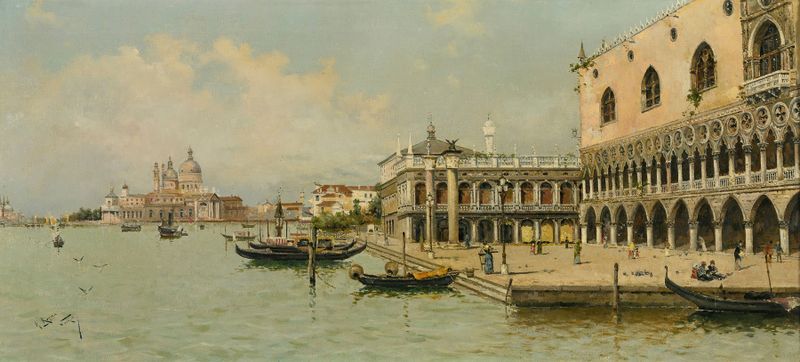
Gondolas By The Doge’s Palace
Antonio María de Reyna Manescau

Vedute von Venedig
Antonio María de Reyna Manescau
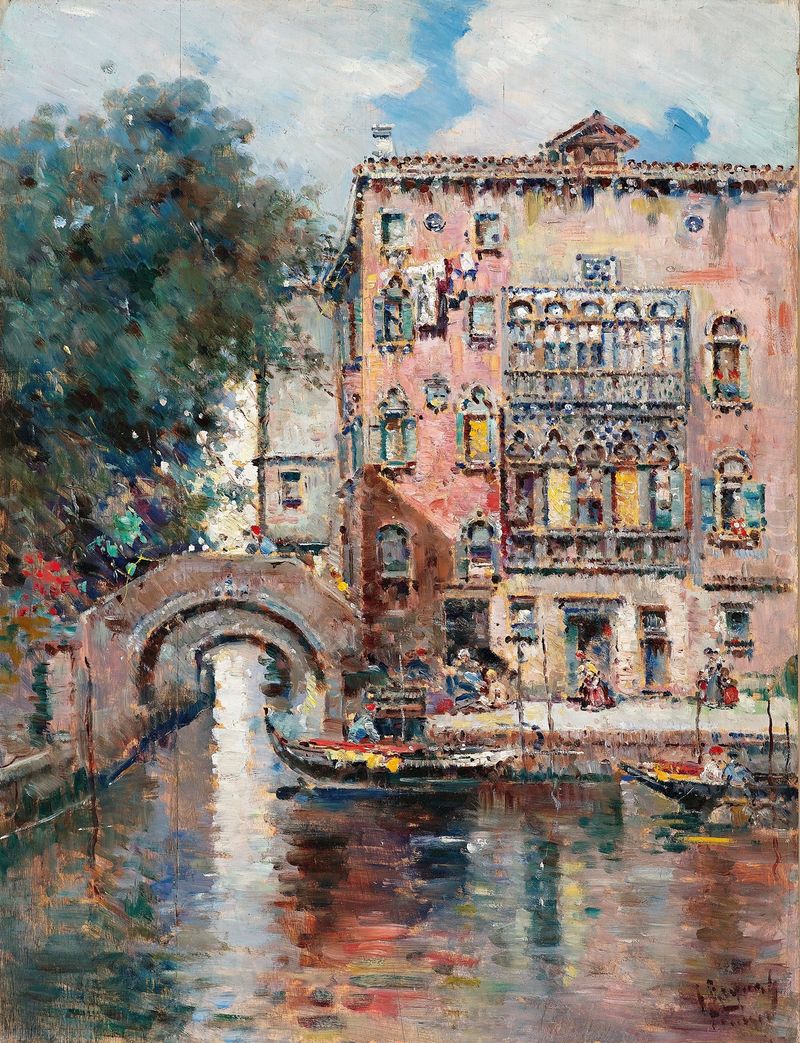
Gondeln in Venedig
Antonio María de Reyna Manescau
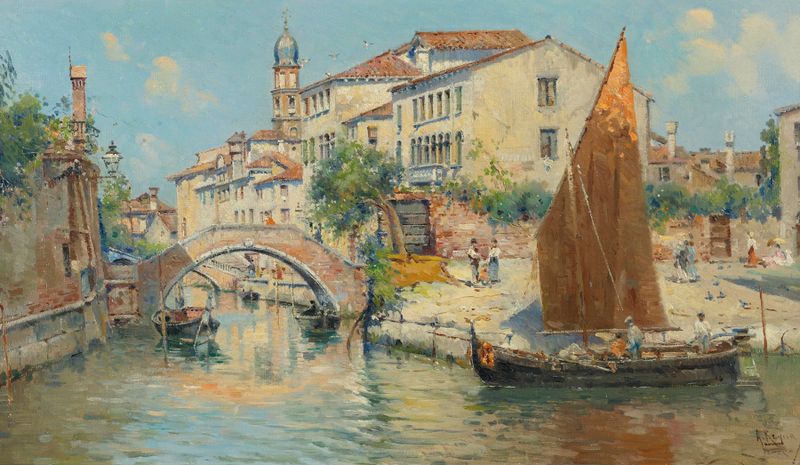
Venice
Antonio María de Reyna Manescau
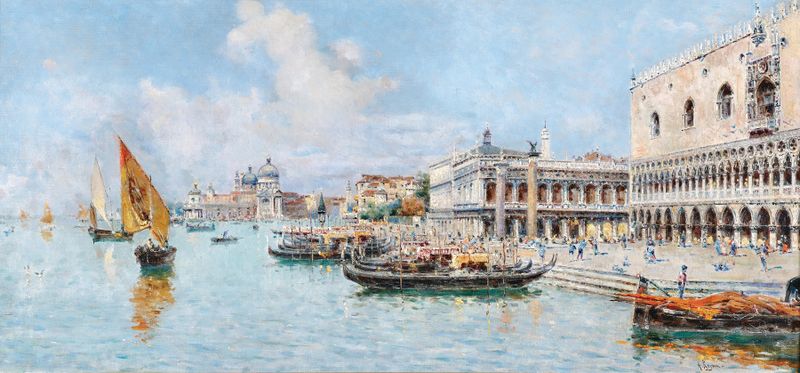
Venice, view of Bacino di San Marco
Antonio María de Reyna Manescau
The Grand Canal, from Santa Maria della Salute, Venice
Antonio María de Reyna Manescau
More Architecture Art
Browse all →
The statue of Liberty
Frédéric Auguste Bartholdi

View of Houses in Delft, Known as ‘The Little Street’
Johannes Vermeer

View of Houses in Delft, Known as ‘The Little Street’
Johannes Vermeer

The Cathedral in Rouen. The portal, Grey Weather
Claude Monet

The yellow house
Vincent van Gogh

The Church in Auvers-sur-Oise, View from the Chevet
Vincent van Gogh