Sater met twee nimfen — History & Facts
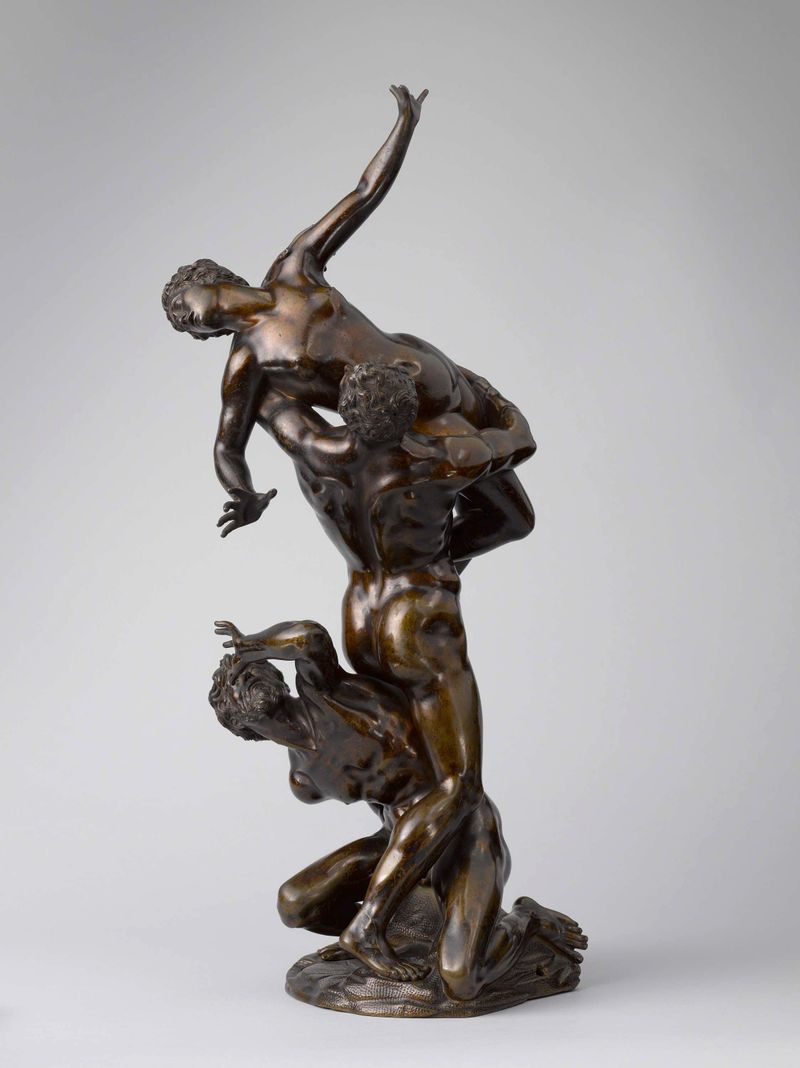
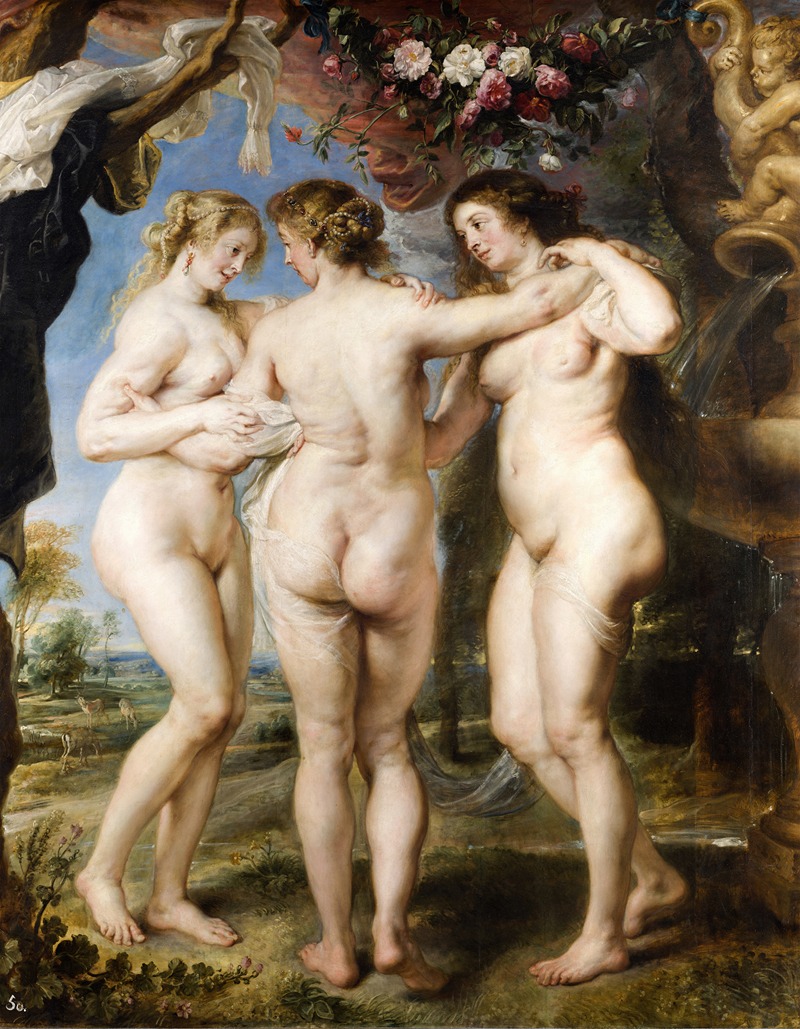
Can paint confess what words never could? In Sater met twee nimfen, longing intertwines with mythology, capturing an essence that lingers beyond mere dialogue. Look to the left at the figure of the satyr, his features a mix of gentleness and mischief, inviting yet elusive. Notice how the soft, earthy tones of his skin contrast with the vibrant greenery that envelops him, creating a harmony between man and nature. The two nymphs, ethereal and radiant, occupy the foreground, their lithe forms gracefully bending towards the satyr, drawing the viewer's gaze into this intimate triangle of desire and curiosity.
The delicate brushwork enhances the fluidity of their movement, while the interplay of light and shadow adds an air of enchantment. Within this idyllic setting lies a tension that speaks volumes. The satyr, traditionally a symbol of unbridled passion, appears both captivated and contemplative, reflecting the duality of longing and ambition. The nymphs, in their enchanting presence, evoke innocence yet suggest a deeper yearning for connection that transcends the realm of mortals.
This intricate layering of emotions hints at the complexities of desire and the fragility of beauty — a world both inviting and unattainable. In 1646, Wenceslaus Hollar painted this captivating scene during his time in the vibrant artistic milieu of the Dutch Republic. Having fled from the turmoil of the Thirty Years' War, Hollar found solace and inspiration in a flourishing environment where mythological themes were celebrated. This artwork reflects not only his personal journey but also the baroque sensibilities of a period that cherished allegory and intricate narratives.
More Artworks by Wenceslaus Hollar
Browse all →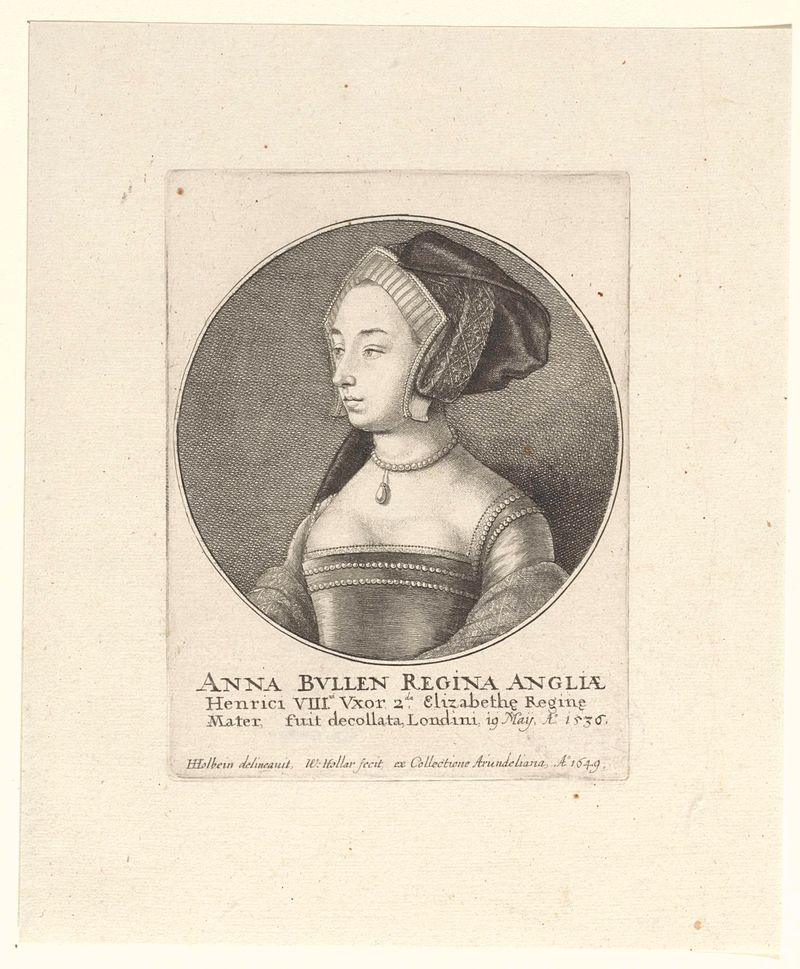
Portret van Anna Boleyn, koningin van Engeland
Wenceslaus Hollar
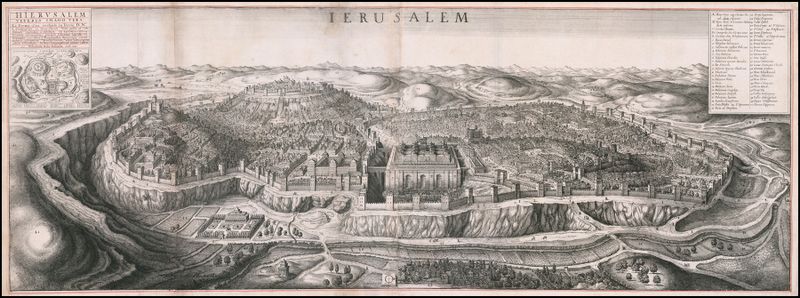
Bird’s eye view of Jerusalem
Wenceslaus Hollar
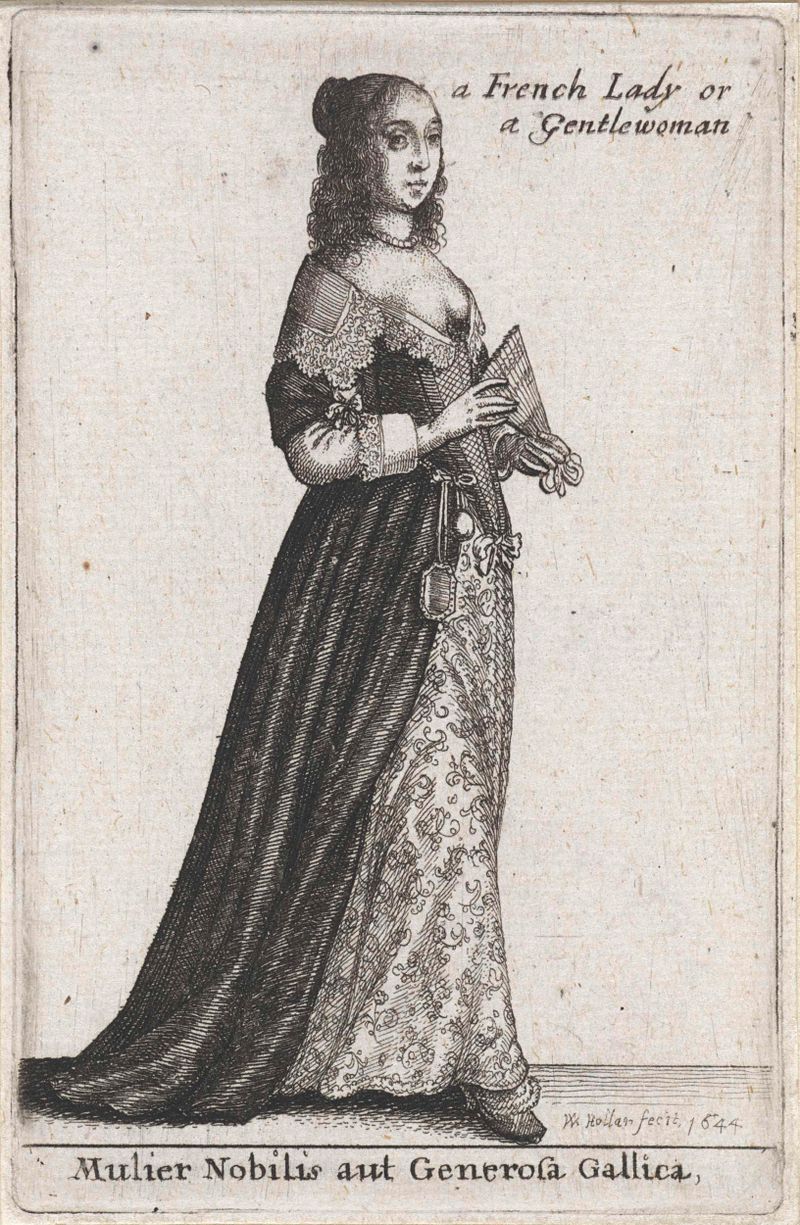
Mulier Nobilis aut Generosa Gallica / a French Lady or Gentlewoman
Wenceslaus Hollar
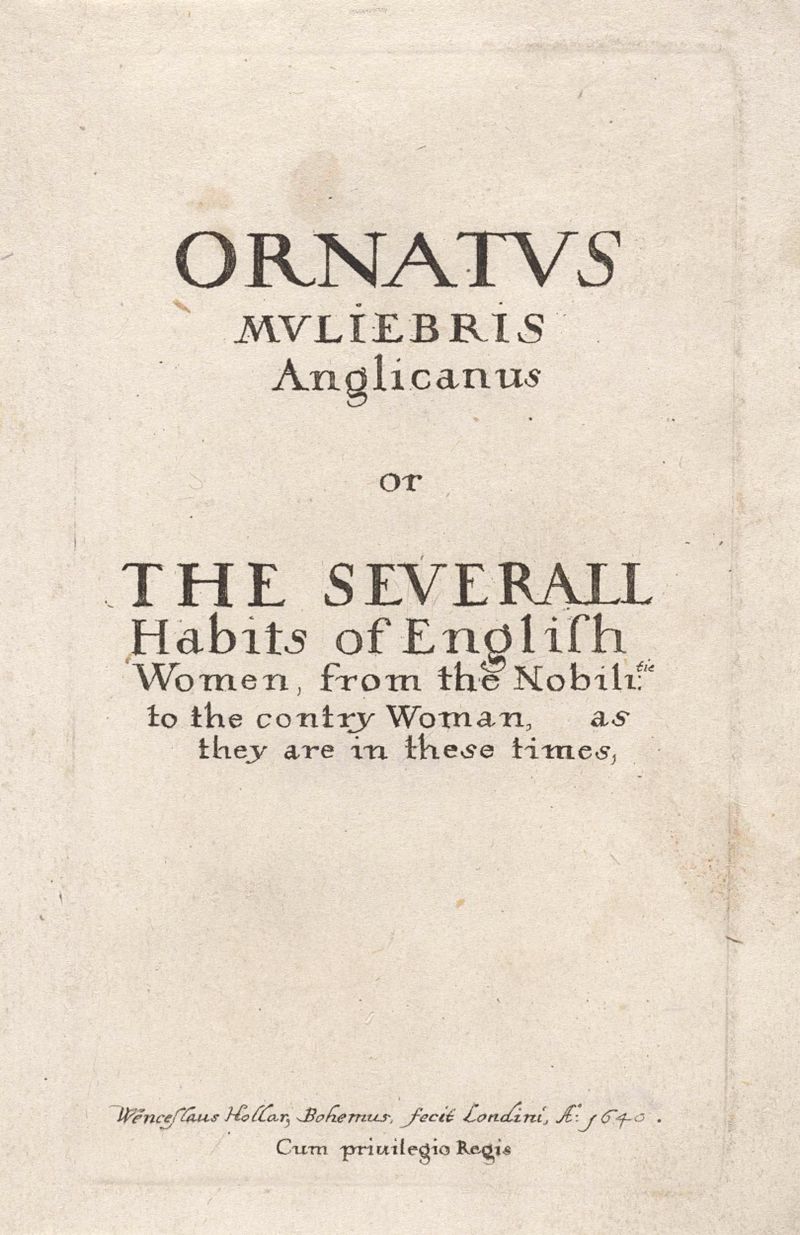
Titelprent voor: Ornatus Muliebris Anglicanus
Wenceslaus Hollar
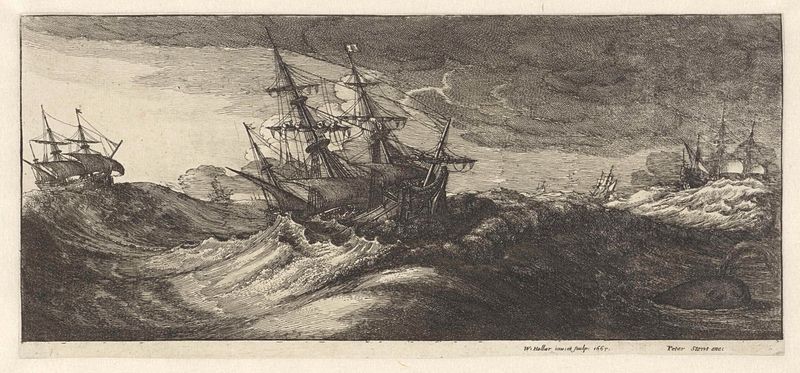
Oorlogsschepen en een walvis in een zeestorm
Wenceslaus Hollar
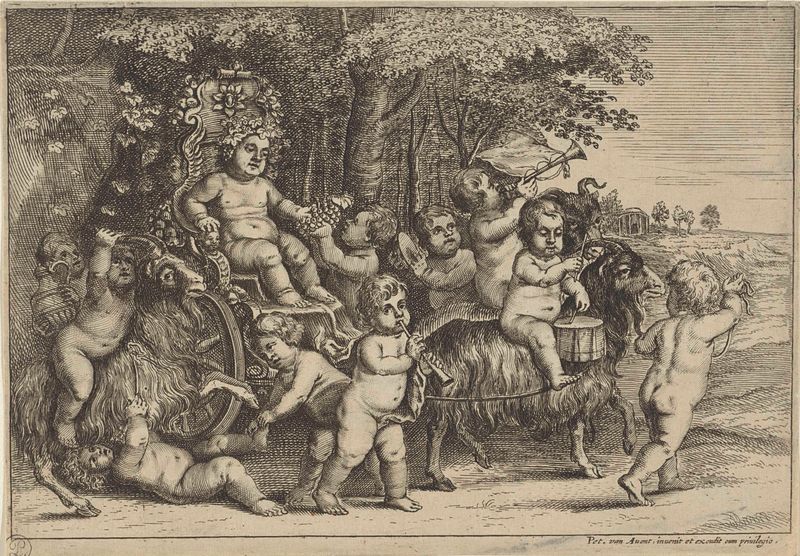
Optocht van bacchant en jongetjes op geiten
Wenceslaus Hollar
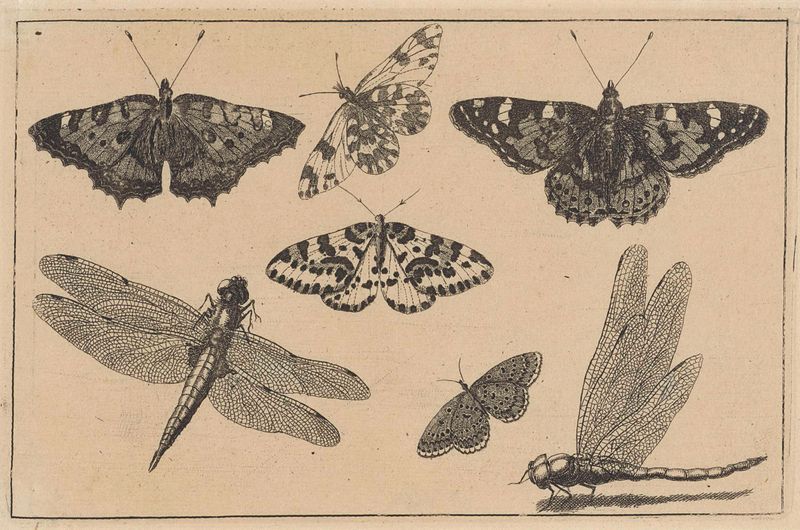
Twee libellen en vijf vlinders
Wenceslaus Hollar
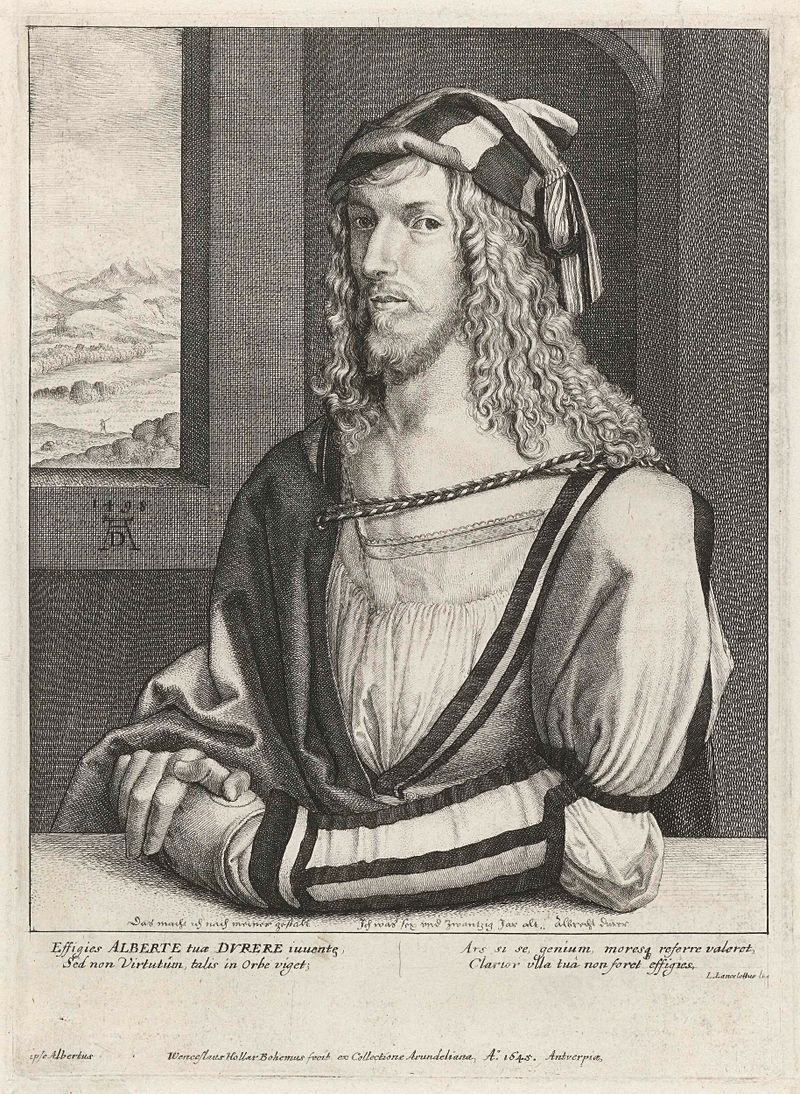
Portret van Albrecht Dürer
Wenceslaus Hollar
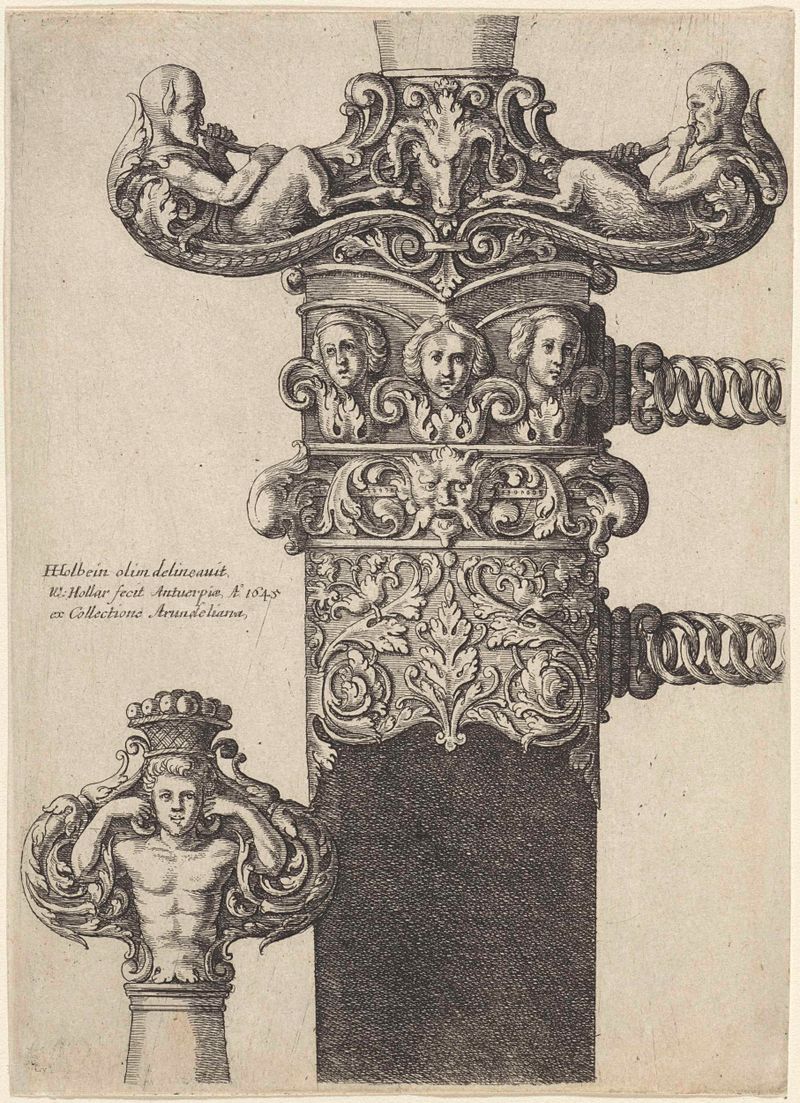
Ornamenteel ontwerp voor een dolk
Wenceslaus Hollar
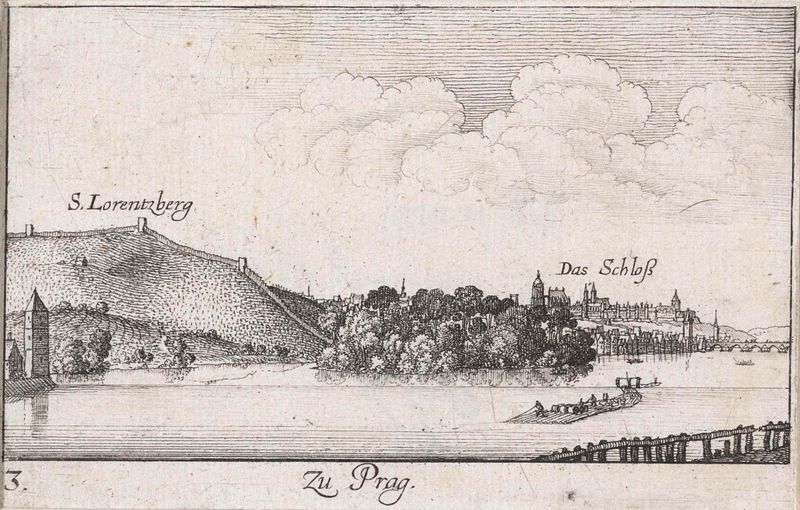
Gezicht op Praag vanaf de Moldau
Wenceslaus Hollar