Saturnus verslindt zijn kind — History & Facts
Is this a mirror — or a memory? The vivid colors in Saturnus verslindt zijn kind transport us to a moment steeped in both horror and beauty, where the vibrant palette conveys the psychological turmoil of a mythic tragedy. Focus on the deep reds and ochres that dominate the canvas, drawing your gaze first to the anguished expression on Saturn’s face. Notice how the artist employs chiaroscuro to illuminate Saturn’s gaunt figure against the darkness that envelops his victim, embodying the duality of creation and destruction. The contrasting colors not only enhance the emotional weight of the piece but also evoke an unsettling energy, as if the moment is frozen in time between life and death. The rawness in the figures’ postures reveals an underlying tension — a father wrestling with his fate, the son a helpless embodiment of innocence.
The dripping flesh and vivid colors act as a commentary on the cyclical nature of time and power, suggesting that the act of consumption is as much a part of existence as creation itself. This interplay encapsulates the emotional turmoil and existential dread present in human history, transcending the mere depiction of a mythological scene. Jacob Binck created Saturnus verslindt zijn kind in 1530 during a period marked by religious upheaval and the burgeoning Renaissance. Working in Antwerp, he was influenced by the emerging Northern Renaissance style, which combined intricate detail with emotional expressiveness.
This work reflects the tension of an era grappling with the themes of mortality, sacrifice, and the consequences of unchecked power.
More Artworks by Jacob Binck
Browse all →
Portret van Christiaan II, koning van Denemarken
Jacob Binck

Christus en de Samaritaanse vrouw
Jacob Binck
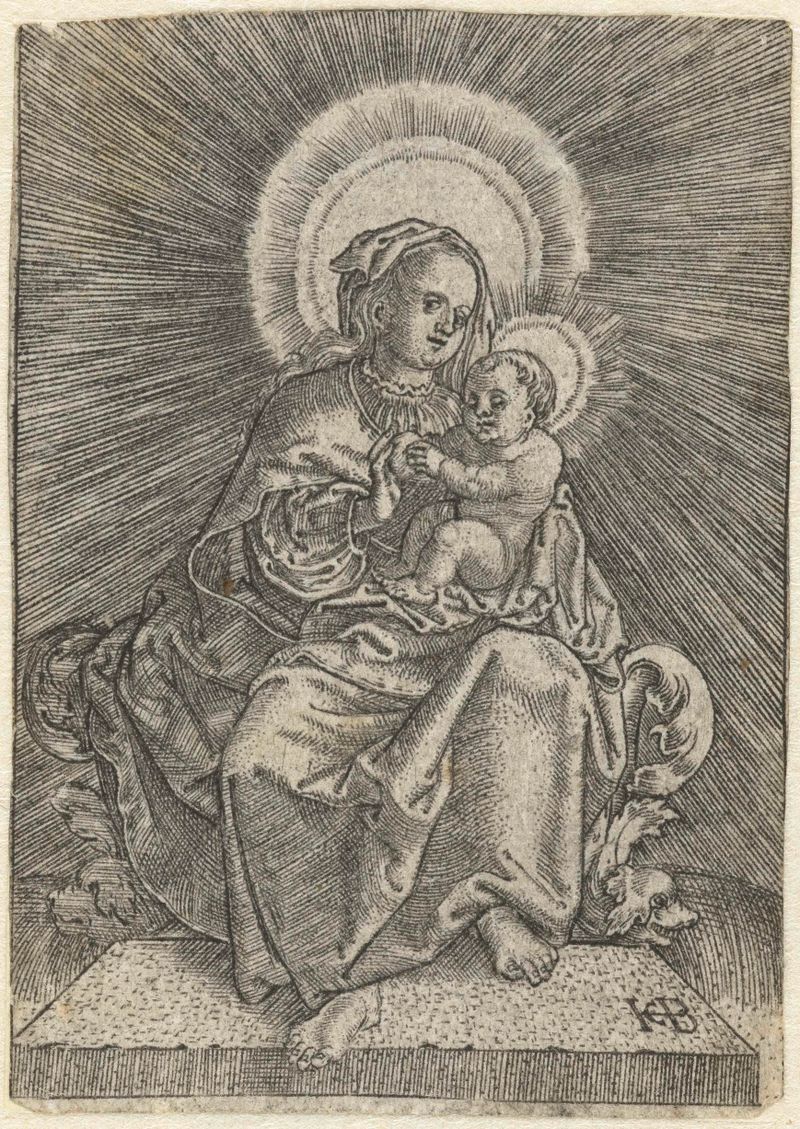
Tronende Maria met kind en appel in stralenkrans
Jacob Binck

Christus op de koude steen
Jacob Binck

Ornament met twee putti op dolfijnen onder een vaas
Jacob Binck
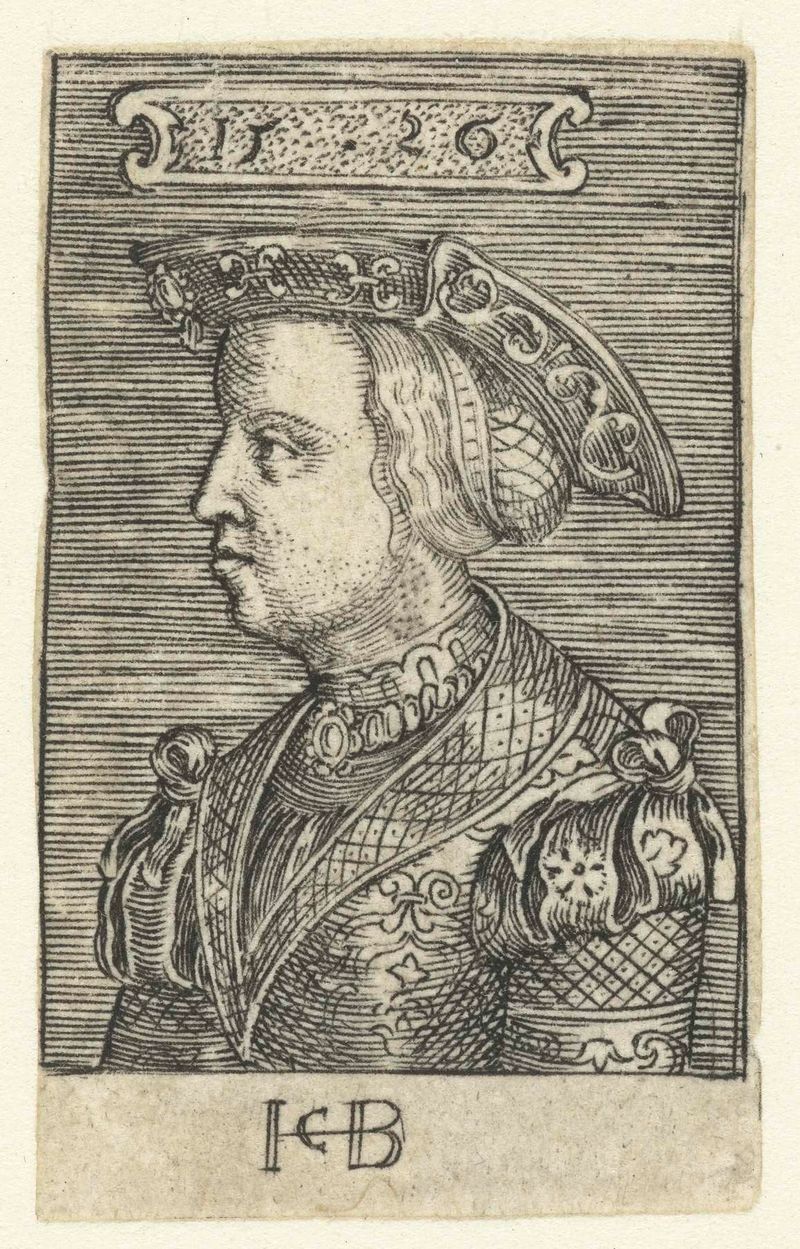
Portret van Claudia van Valois, echtgenote van Frans I
Jacob Binck

Ceres met kroon van korenaren, sikkel, brandende toorts en tweekoppige slang
Jacob Binck
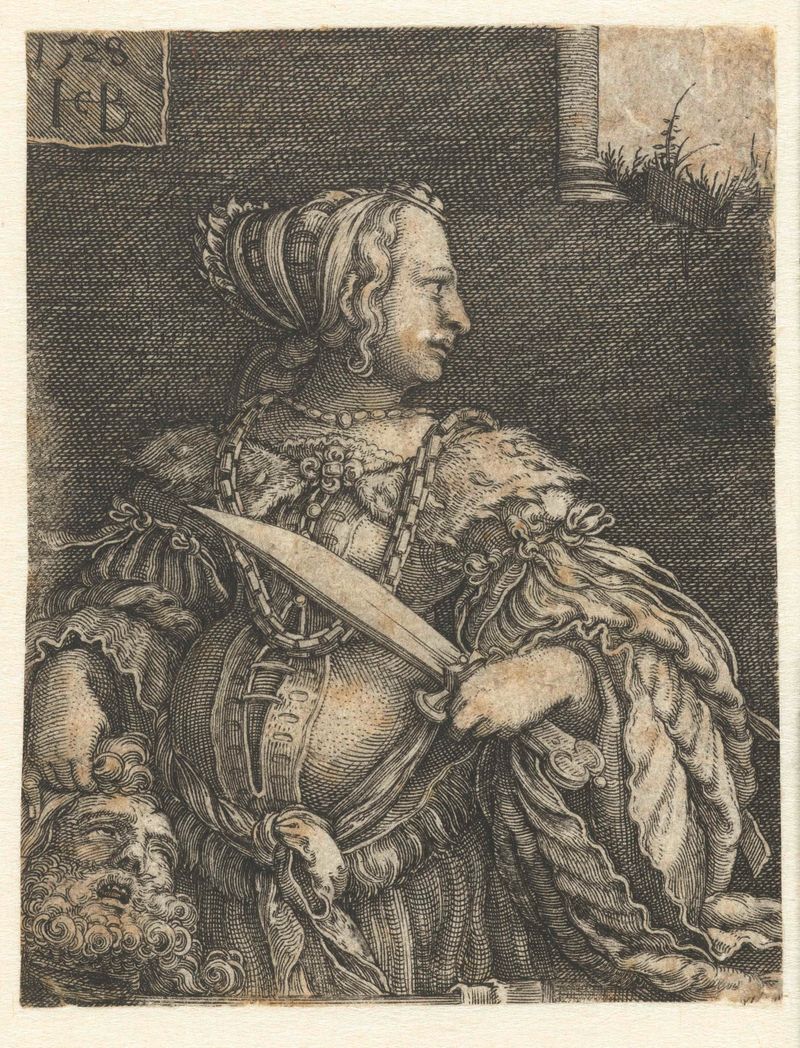
Judith met het hoofd van Holofernes
Jacob Binck
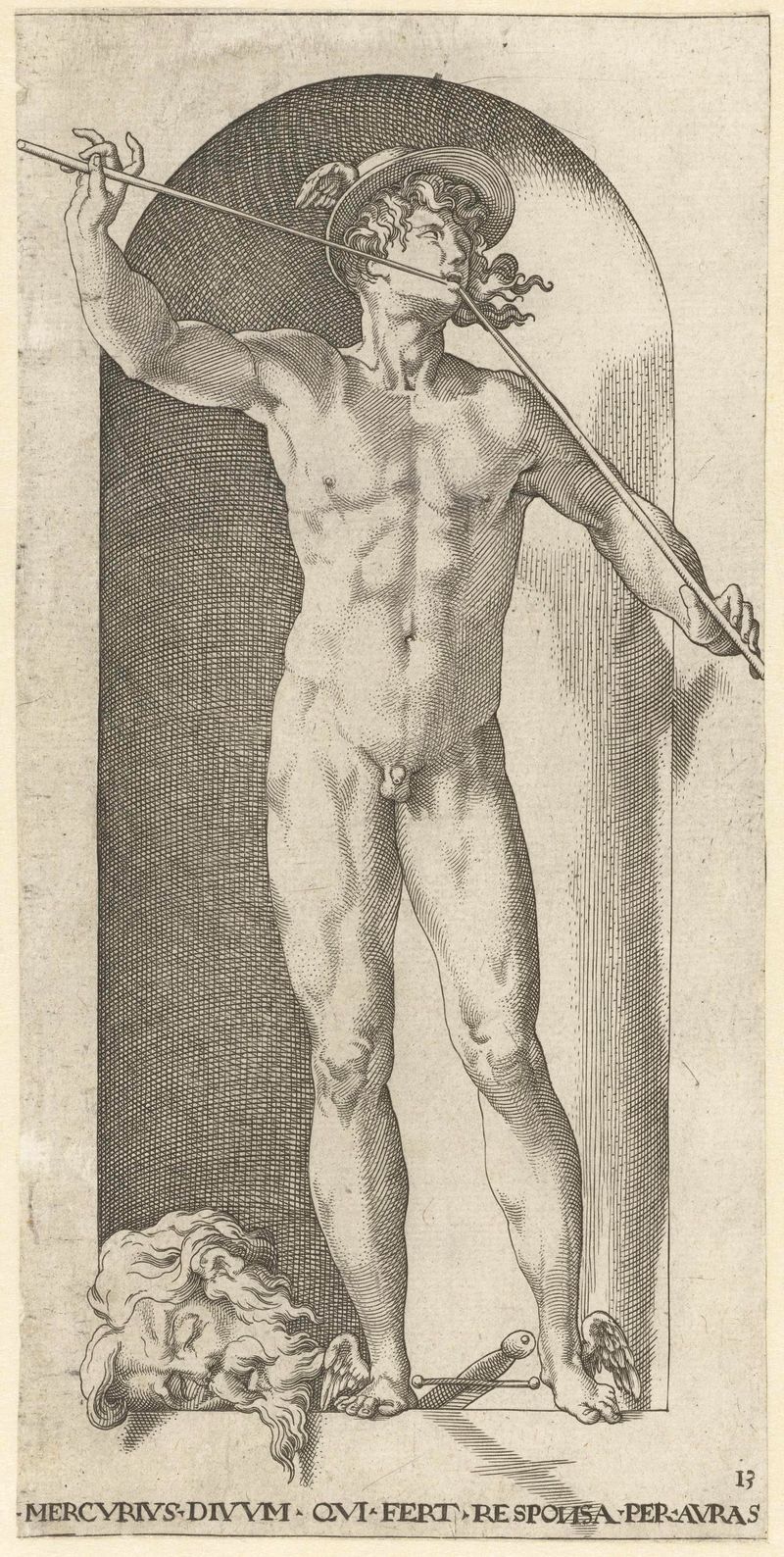
Mercurius met het hoofd van Argus
Jacob Binck

Minerva (Pallas Athena) met Medusahoofd op schild
Jacob Binck