Savoy Pigeons — History & Facts
What if silence could speak through light? In Savoy Pigeons, a stillness envelops the scene, hinting at untold stories woven into the air, a testament to hope and quiet beauty. Look to the left at the gentle curve of the glass window, where soft luminescence filters through, casting a delicate glow. The meticulous brushstrokes create a sense of tranquility, inviting your gaze to dance across the muted palette of gentle greys and warm whites. The pigeons perch serenely, their forms blending into an ethereal background, suggesting harmony between nature and the urban environment. The contrasting light and shadow elicit emotional depth, symbolizing the duality of existence.
The pigeons, often viewed as ordinary, take on a poetic significance, representing resilience amidst the hustle of life. Each feather catches the light differently, suggesting hope in moments of stillness, while the sparse background evokes a sense of longing, perhaps for connection or understanding. The absence of vivid colors emphasizes the subtleties of emotion that Whistler masterfully captures. In 1896, when he painted this piece, Whistler was living in Paris, immersed in an art scene that was rapidly evolving.
The Impressionist movement was gaining prominence, shifting the focus from grand narratives to everyday life. This period marked a transitional phase for the artist, as he navigated personal challenges while continuing to explore the interplay of light, mood, and form, ultimately solidifying his unique voice within the art world.
More Artworks by James Abbott McNeill Whistler
Browse all →
Nocturne in Blue and Silver
James Abbott McNeill Whistler
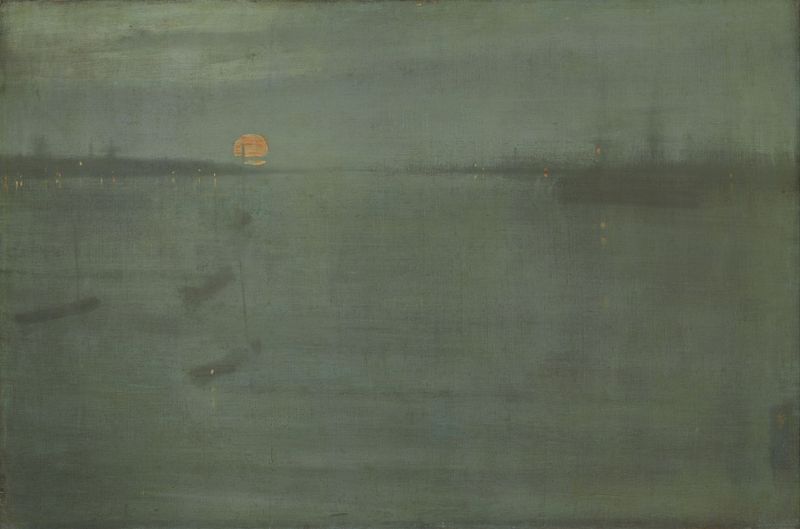
Nocturne: Blue and Gold–Southampton Water
James Abbott McNeill Whistler
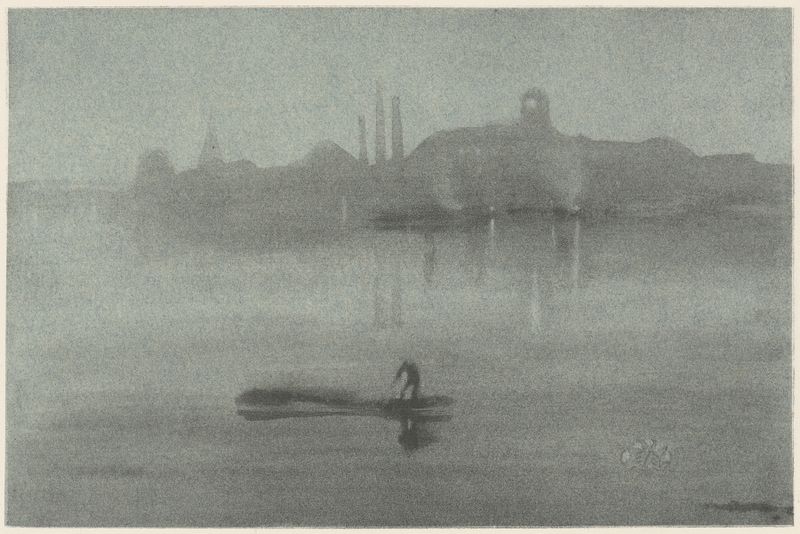
Nocturne
James Abbott McNeill Whistler
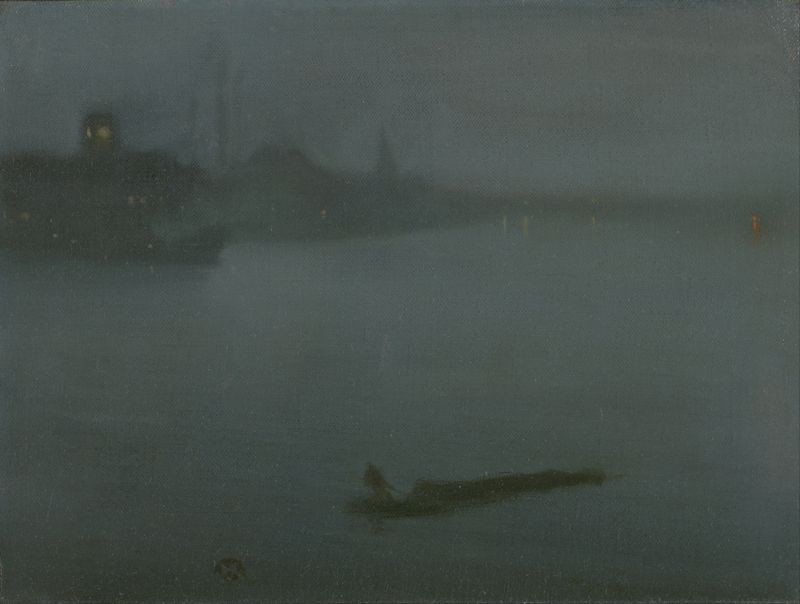
Nocturne in Blue and Silver
James Abbott McNeill Whistler
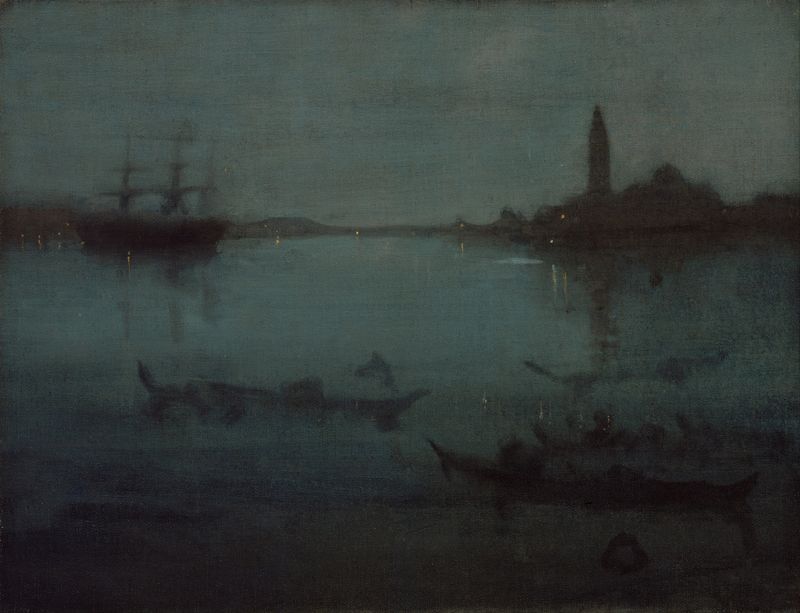
Nocturne in Blue and Silver- The Lagoon, Venice
James Abbott McNeill Whistler
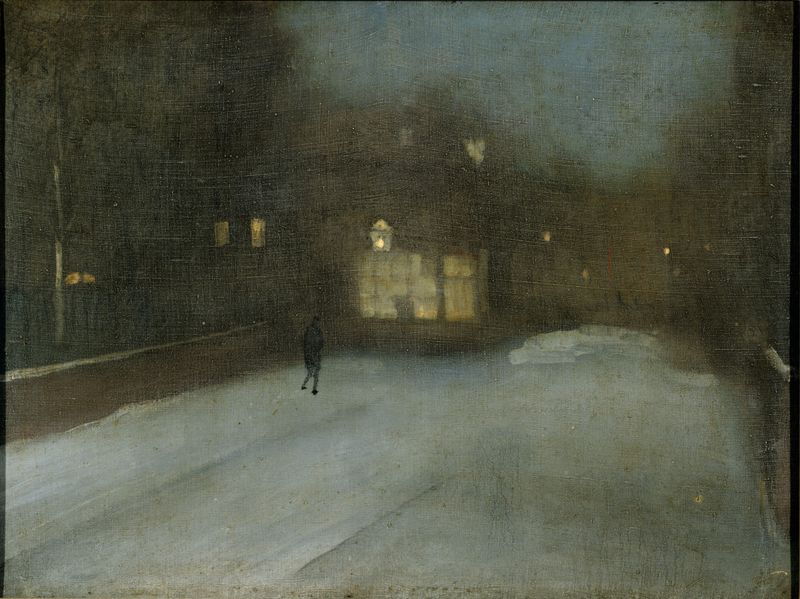
Nocturne in Grey and Gold: Chelsea Snow
James Abbott McNeill Whistler
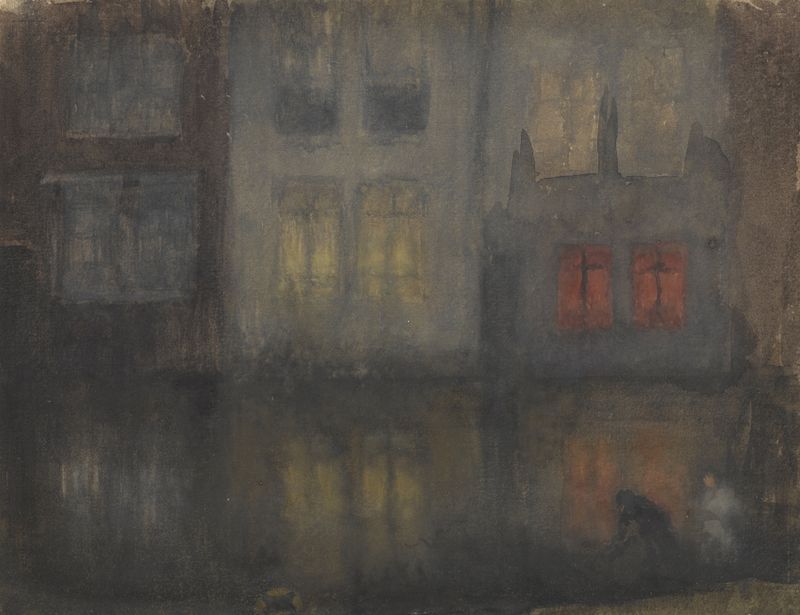
Nocturne: Black and Red—Back Canal, Holland
James Abbott McNeill Whistler
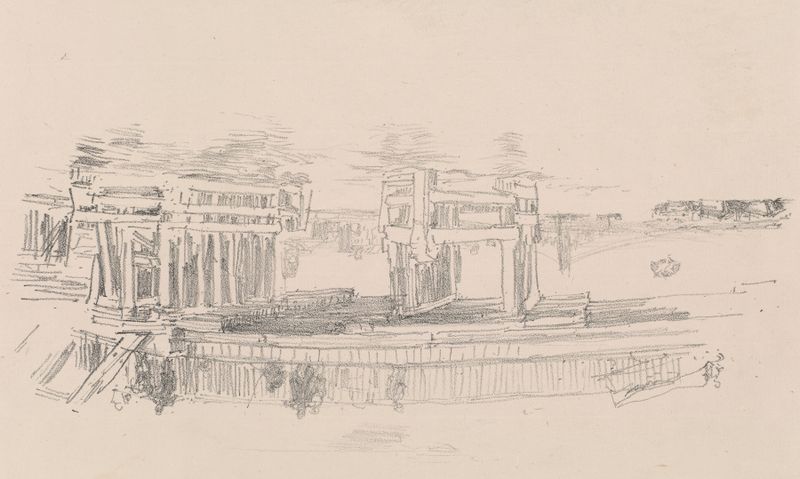
Old Battersea Bridge
James Abbott McNeill Whistler

Nocturne: Blue and Silver–Battersea Reach
James Abbott McNeill Whistler
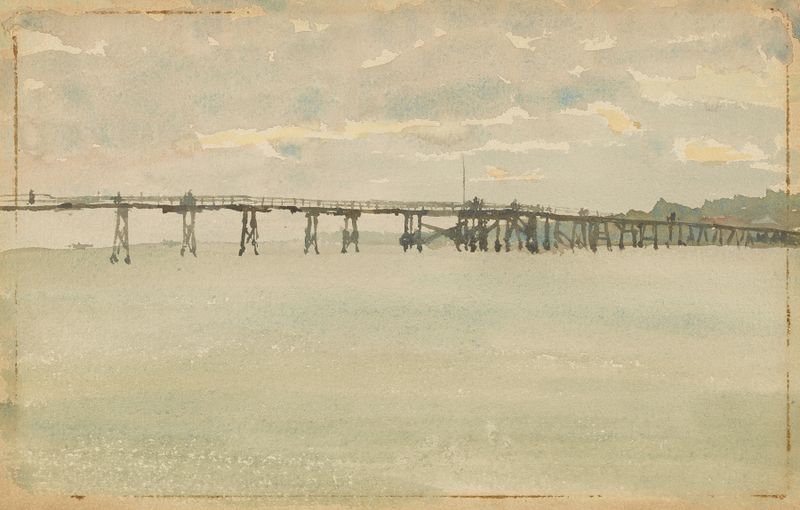
Grey and Silver–Pier, Southend
James Abbott McNeill Whistler