
Saw Mill Valley, Ashford, Connecticut — History & Facts
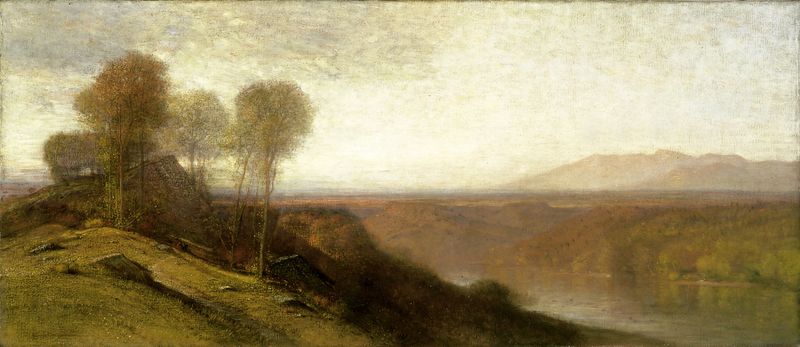
The landscape, so serene on the surface, invites a deeper exploration of the emotions it masks. Look to the right at the gentle curve of the river, where water sparkles like scattered jewels under a soft afternoon sun. Notice how the vibrant greens of the foliage contrast with the muted browns of the earth, creating a harmony that feels both tranquil and melancholic. The strokes are soft yet deliberate, guiding our eyes through the composition, invoking a sense of nostalgia that lingers in the air, like the fading light of dusk. Delve into the shadows that dance along the banks, hinting at the burdens carried beneath the tranquil facade.
The juxtaposition of light and dark speaks of hidden sorrows, contrasting the idyllic scene with an undercurrent of longing. Each blade of grass and leaf sways gently, whispering stories of loss and beauty intertwined — a reflection of nature's ability to endure and the silent grief that often accompanies it. In 1867, the artist captured this scene during a period of personal reflection, having moved from the bustling city to the quieter landscapes of Connecticut. A shift in life circumstances allowed Colman to immerse himself in nature, which was increasingly celebrated in the art world at the time.
This piece embodies not only his technical mastery but also a response to the complex emotions of an ever-changing world.
More Artworks by Samuel Colman
Browse all →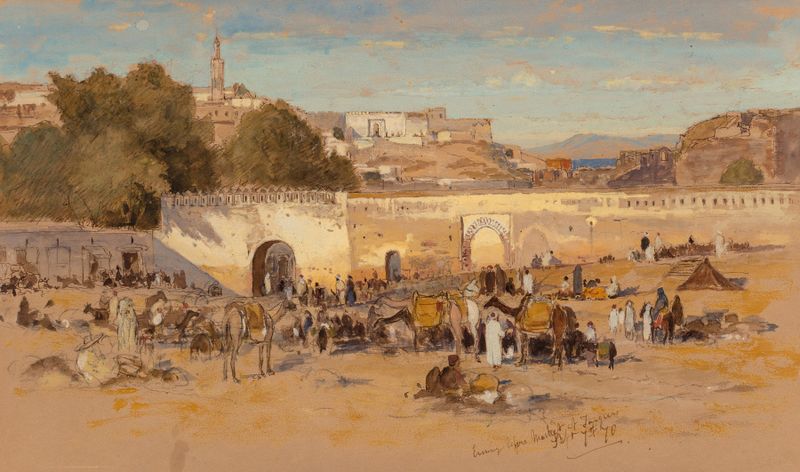
Evening Before Market at Tangiers
Samuel Colman

Finish—First International Race for America’s Cup, August 8, 1870
Samuel Colman
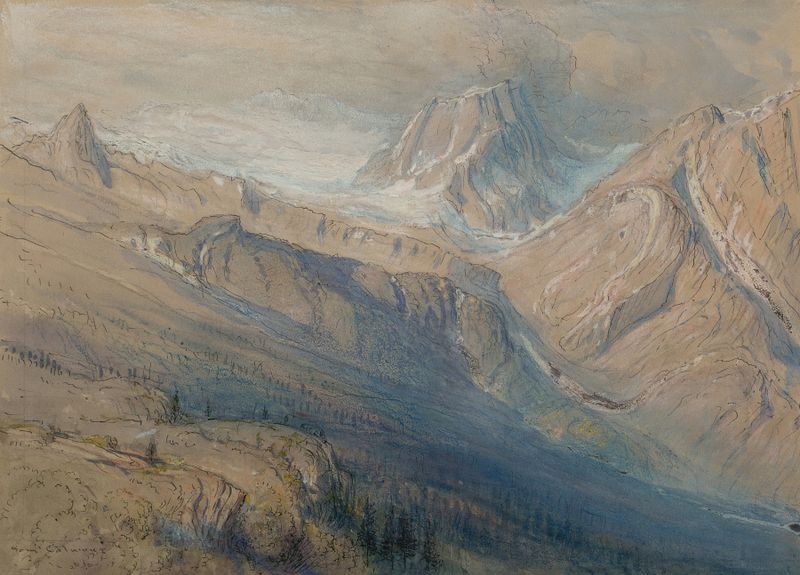
The Hermit Range from Rogers Pass, Canadian Pacific
Samuel Colman
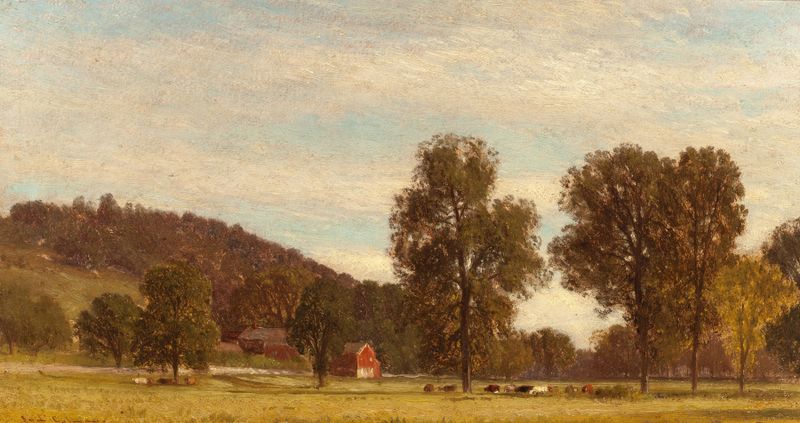
Saw Mill Valley, Pennsylvania
Samuel Colman
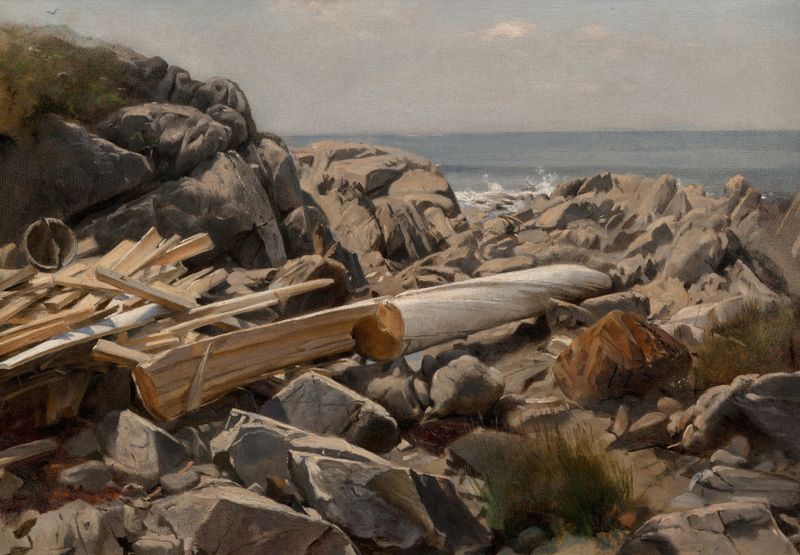
Rocky Beach, Pacific Coast
Samuel Colman
Kanawha River Valley
Samuel Colman

Storm King on the Hudson
Samuel Colman

Storm King on the Hudson
Samuel Colman
A River in Italy
Samuel Colman

The Hill of the Alhambra, Granada
Samuel Colman





