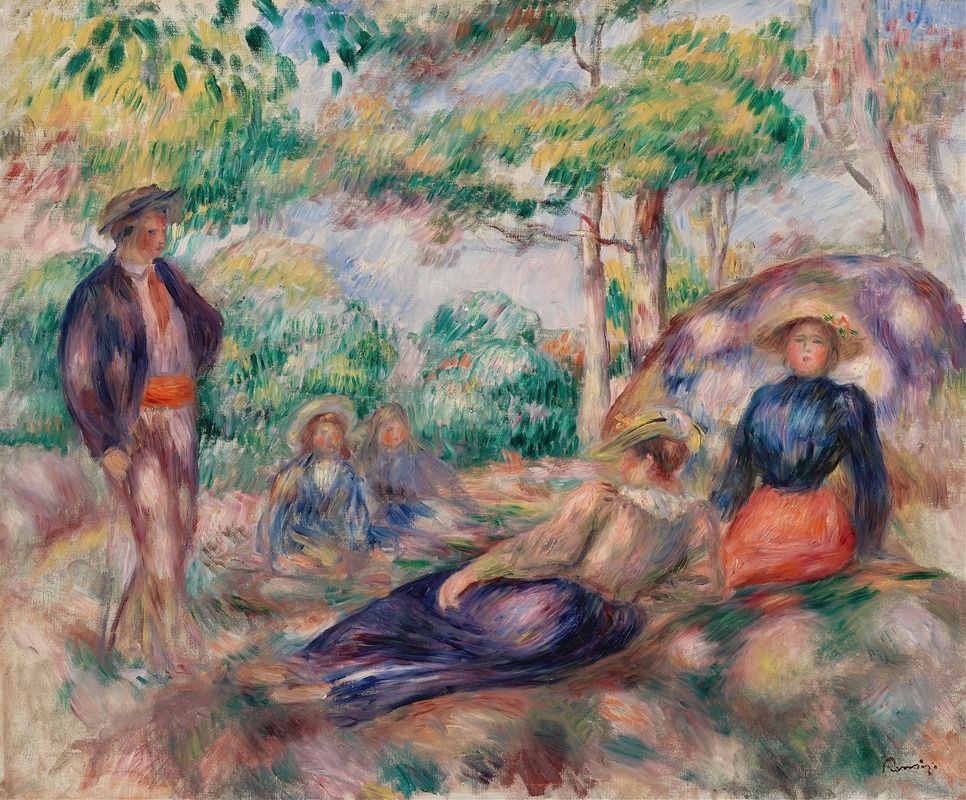
Discover insights about this artwork
Scène de Cuba — History & Facts
In Scène de Cuba, Jules Pascin captures a lively scene filled with vibrant colors. The painting features figures engaged in daily activities, set against a backdrop of lush tropical foliage. The warm tones evoke the heat of the Cuban sun, while the figures are depicted with a sense of movement and joy.
This work reflects the dynamic culture and spirit of Cuba during the early 20th century. The painting is executed in oil on canvas, showcasing Pascin's characteristic brushwork and use of color. The composition is lively, with figures arranged in a way that draws the viewer's eye across the canvas. The dimensions are approximately 100 x 80 cm, making it a substantial piece that commands attention.
The vibrant palette enhances the overall sense of energy and life in the scene. Jules Pascin was known for his depictions of life in various cultures, and Scène de Cuba is a prime example of his interest in the vibrant life of Cuba. This work likely dates to the 1920s, a period when Pascin was deeply influenced by his travels. An interesting fact about this painting is that it reflects not only the beauty of the landscape but also the social dynamics of Cuban society at the time.
Pascin's unique style blends elements of modernism with a keen observation of human interaction.
More Artworks by Jules Pascin
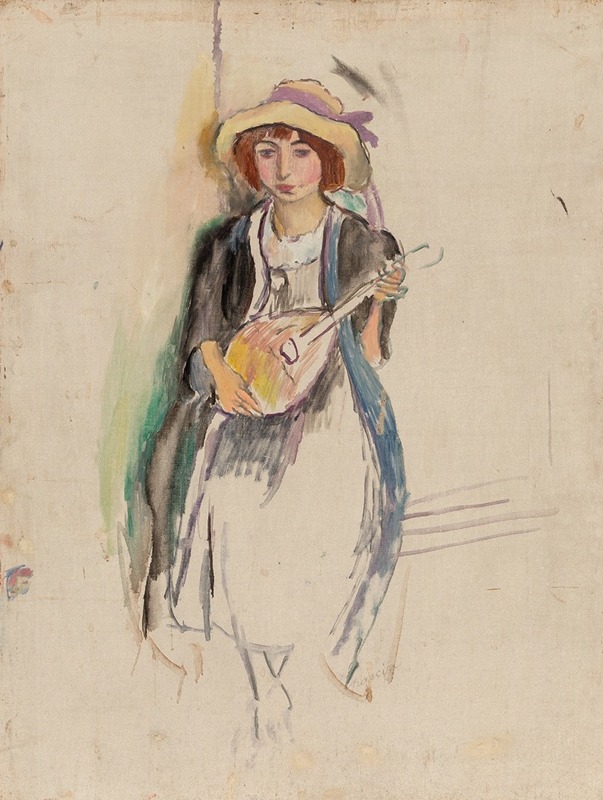
Fille à la mandoline
Jules Pascin
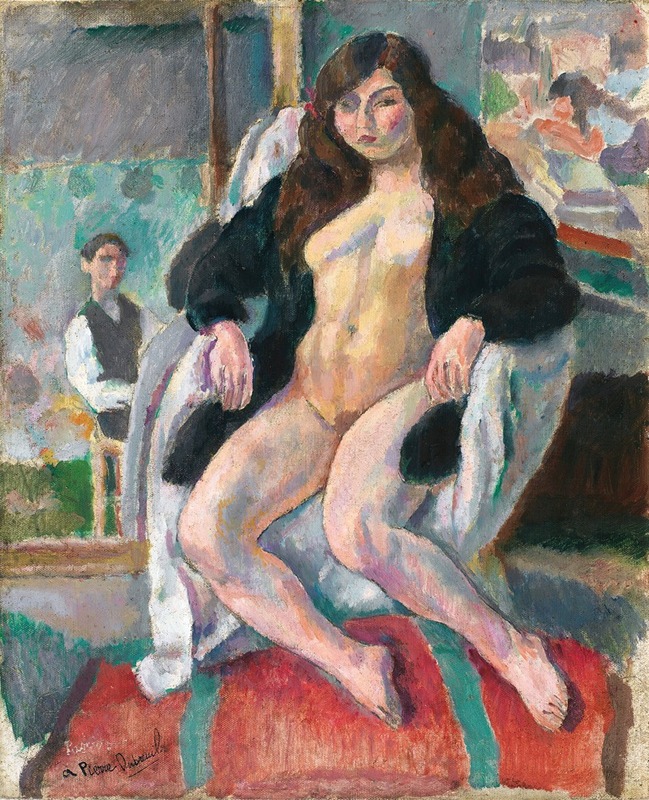
Le Peintre Et Son Modèle
Jules Pascin
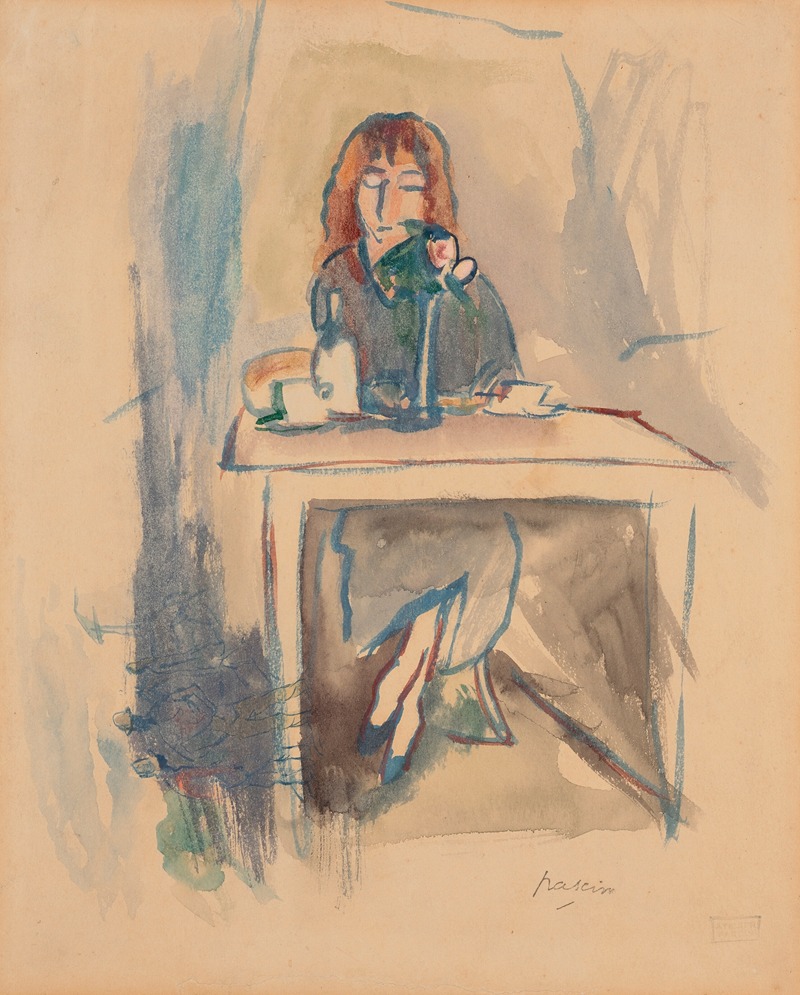
Hermine David à la robe bleue
Jules Pascin
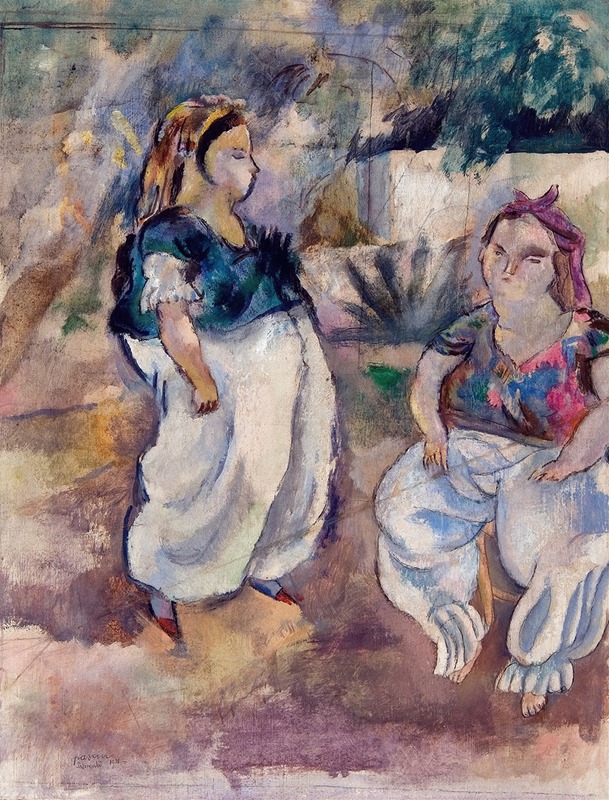
Les Tunisiennes
Jules Pascin
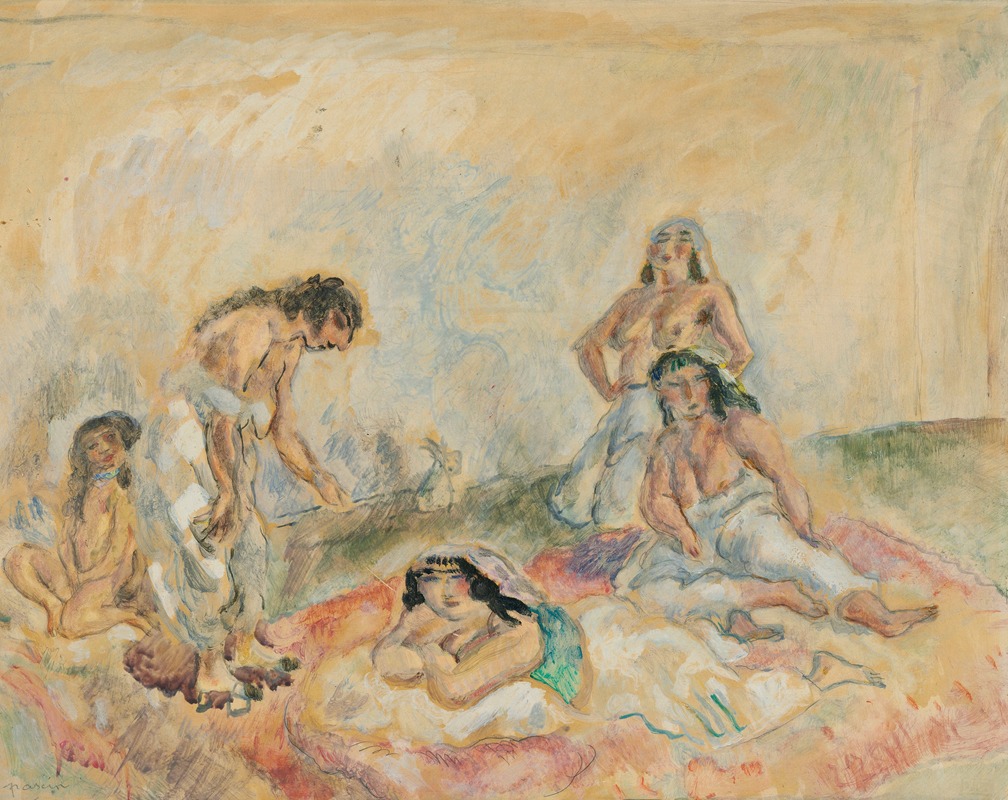
Femmes au salon
Jules Pascin
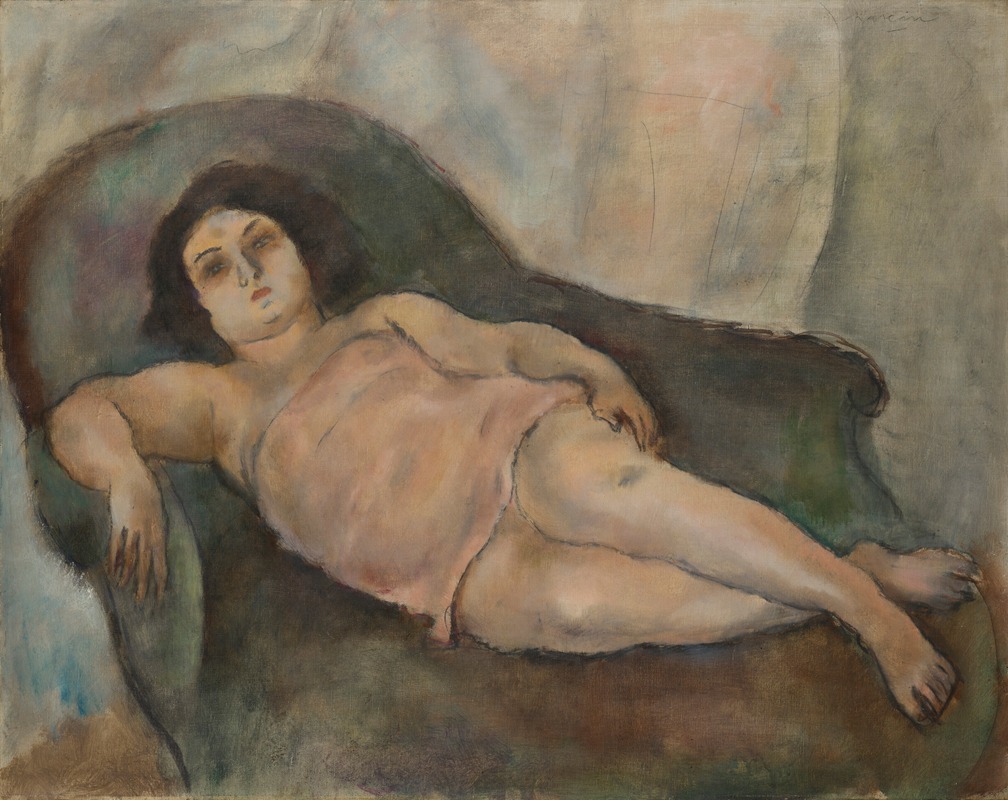
Le Modèle à la chemise rose
Jules Pascin
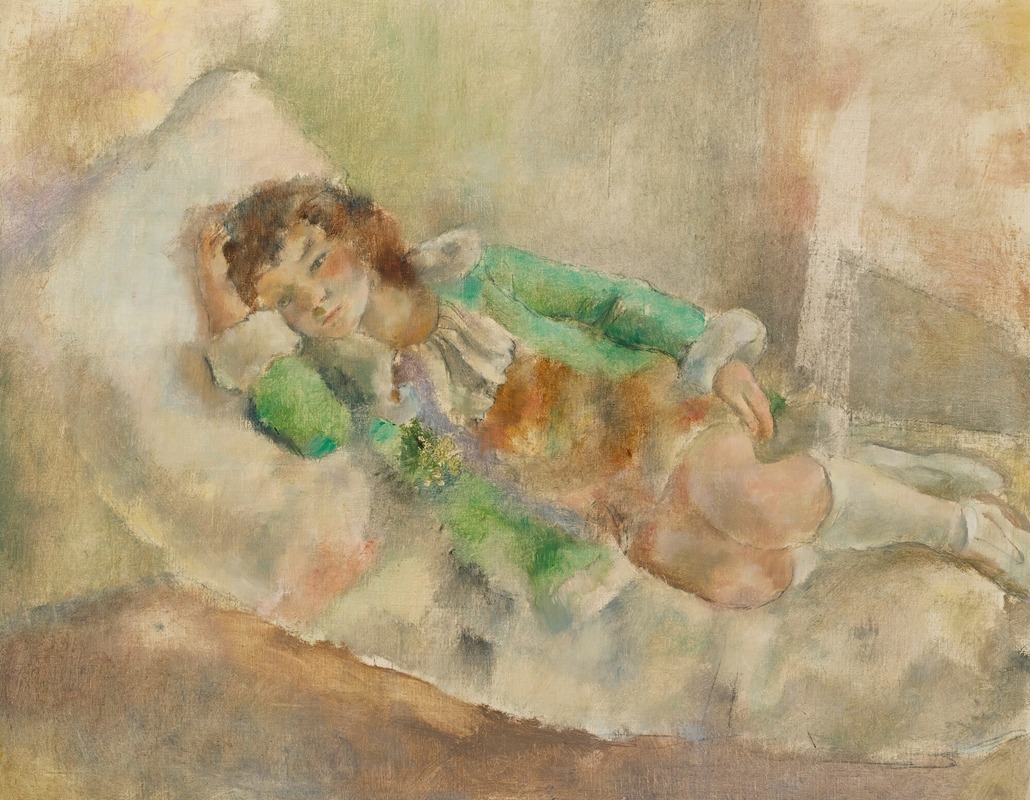
La Petite Actrice
Jules Pascin
Les Voleurs d’art
Jules Pascin
Réunion infernale
Jules Pascin
Julie, la Martiniquaise
Jules Pascin