
Scene in Yosemite Valley — History & Facts
A single deer stands poised on a sunlit slope, caught between the shadowed forest and the blinding brilliance of the rising—or setting—sun. The viewer’s eye is drawn first to this animal, a sentinel at the edge of a world both wild and serene. The light spills across the grass, gilding the delicate blades and picking out the contours of the hillside, while the trees, their trunks leaning at improbable angles, frame the scene like silent witnesses.
The air is thick with golden haze, softening the distant cliffs and making the valley seem endless, a place where time slows and the ordinary becomes mythic. Painted around 1864, Scene in Yosemite Valley belongs to the era when American artists sought to capture the grandeur of the continent’s unspoiled landscapes. Works like this one, often created by artists such as Albert Bierstadt, were not just records but invitations—urging viewers to imagine themselves in these vast, luminous spaces. The Hudson River School, to which Bierstadt is often linked, was famous for such panoramic visions, commissioned by collectors eager to possess a piece of the new American Eden.
Though little is recorded about this specific canvas beyond its title and date, its glowing atmosphere and careful composition speak of a time when wilderness was both a promise and a challenge. The longer you look, the more the light seems to shift, as if the valley itself were breathing.
More Artworks by Albert Bierstadt

A Storm in the Rocky Mountains, Mt. Rosalie
Albert Bierstadt
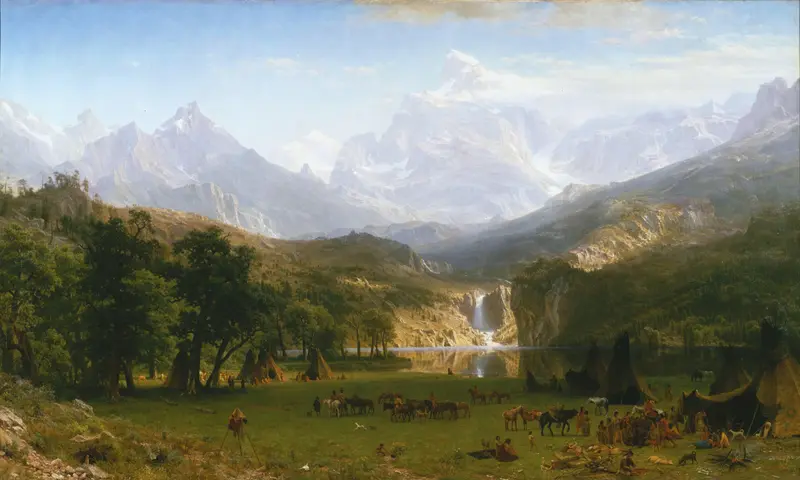
The Rocky Mountains, Lander's Peak
Albert Bierstadt
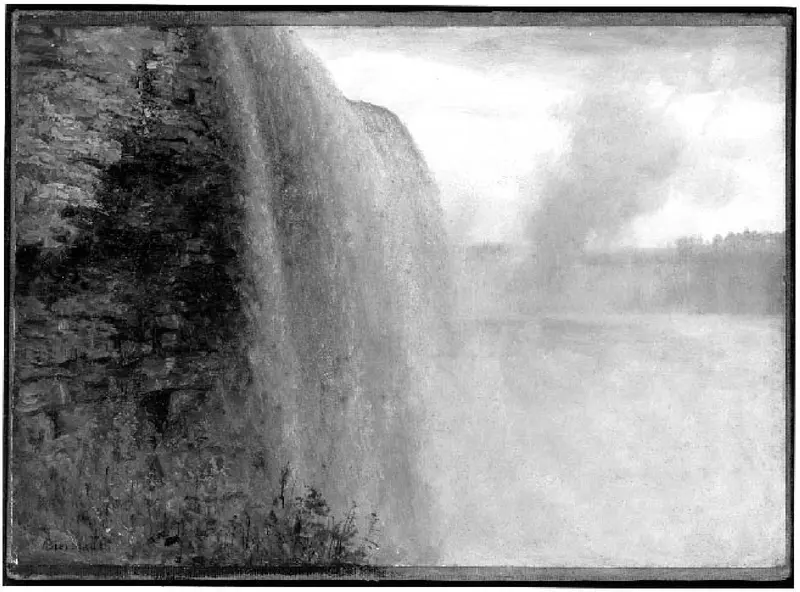
Niagara from the American Side
Albert Bierstadt
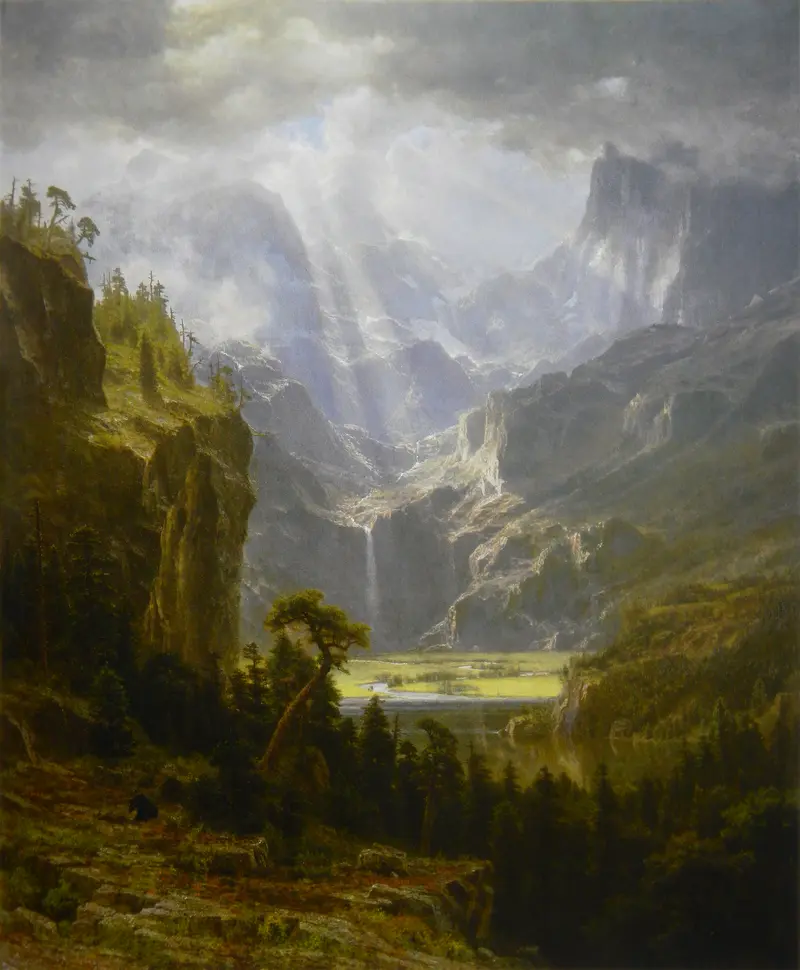
Rocky Mountains, Lander’s Peak
Albert Bierstadt

Valley of the Yosemite
Albert Bierstadt
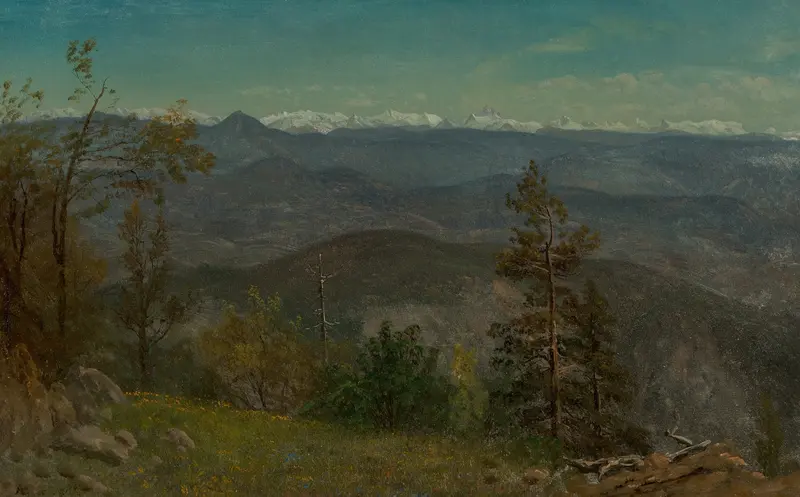
Yosemite Valley, California
Albert Bierstadt
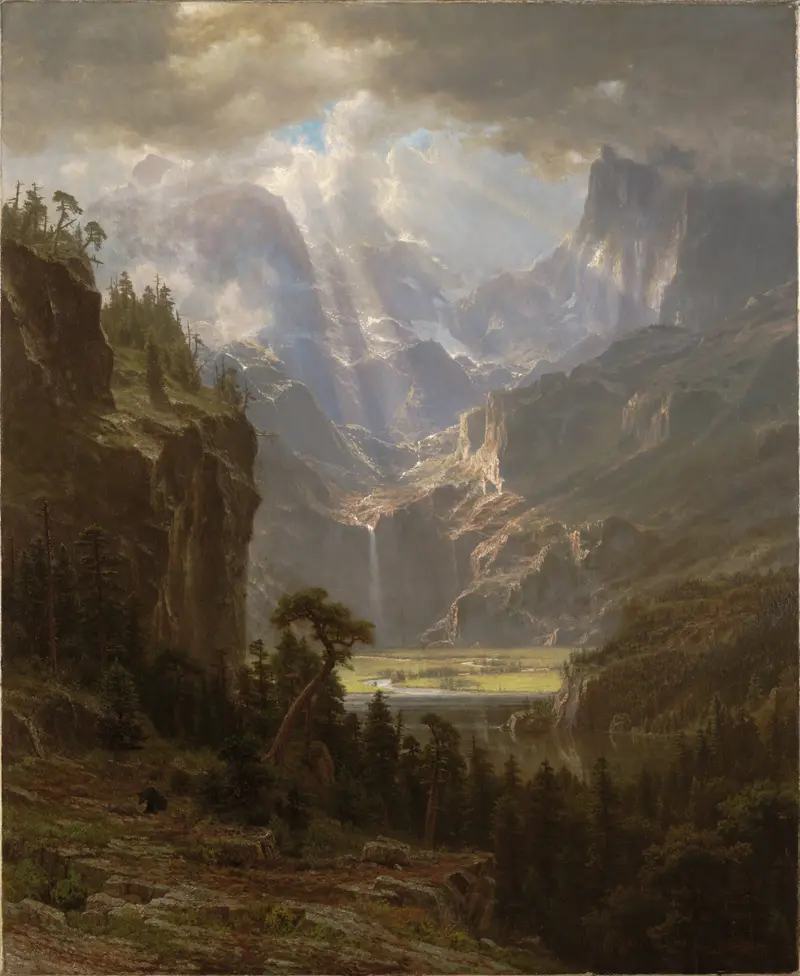
Rocky Mountains, "Lander's Peak"
Albert Bierstadt

Laramie Peak
Albert Bierstadt
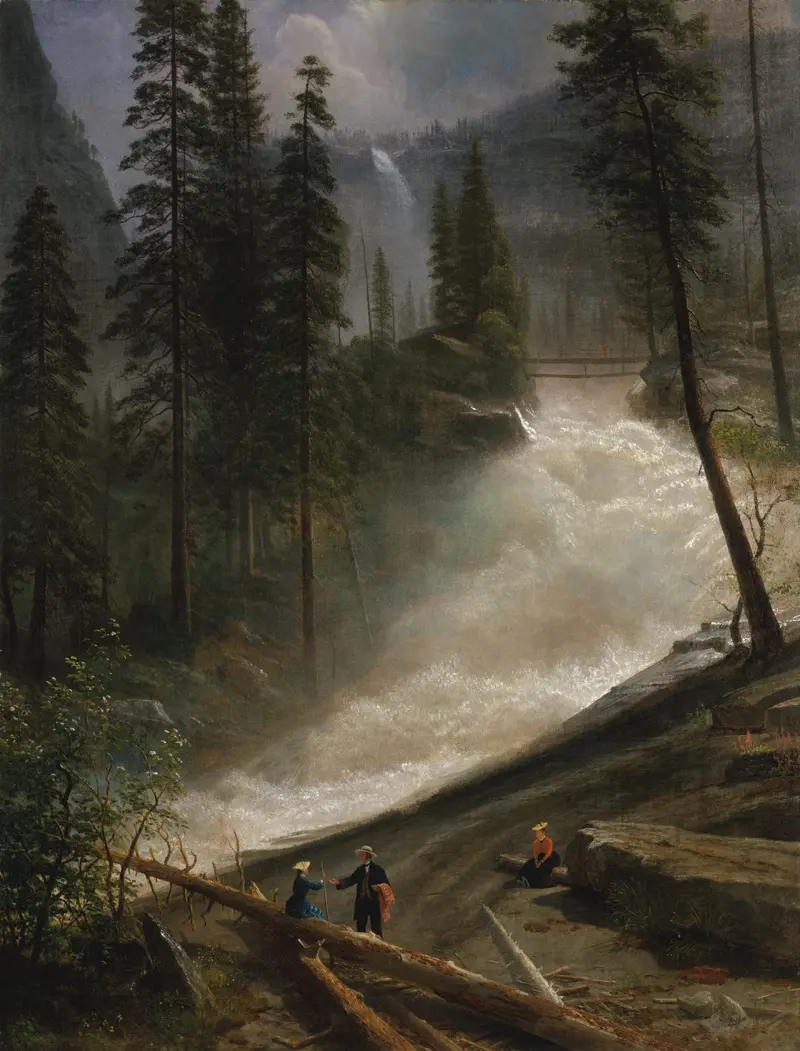
Nevada Falls, Yosemite
Albert Bierstadt
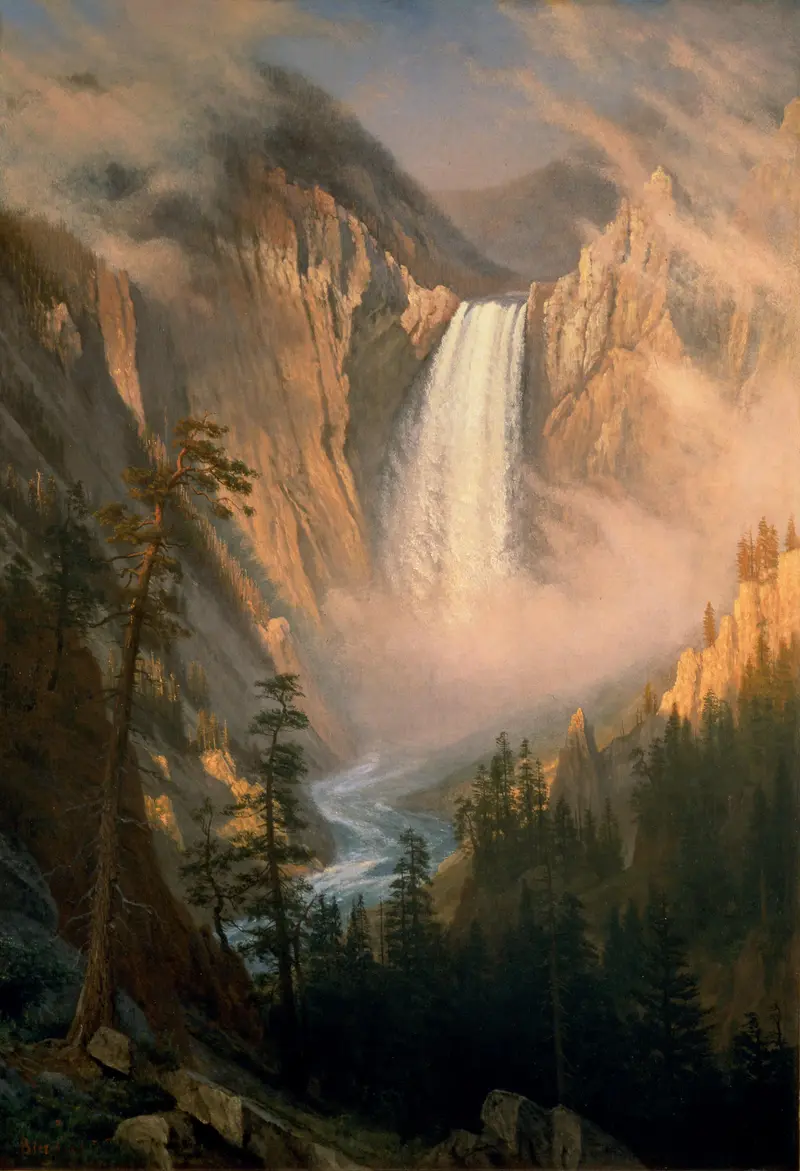
Yellowstone Falls
Albert Bierstadt
More Landscape Art

The Starry Night
Vincent van Gogh

View of Delft
Johannes Vermeer

Water Lilies
Claude Monet

The Grand Canal, Venice, looking north-west from the Ca' Corner to the Ca' Contarini degli Scrigni, with the campanile of Santa Maria della Carità
Canaletto

Windsor Castle
Canaletto

The Grand Canal looking North-East from the Palazzo Dolfin-Manin to the Rialto Bridge
Canaletto