
Scene on Ischia — History & Facts
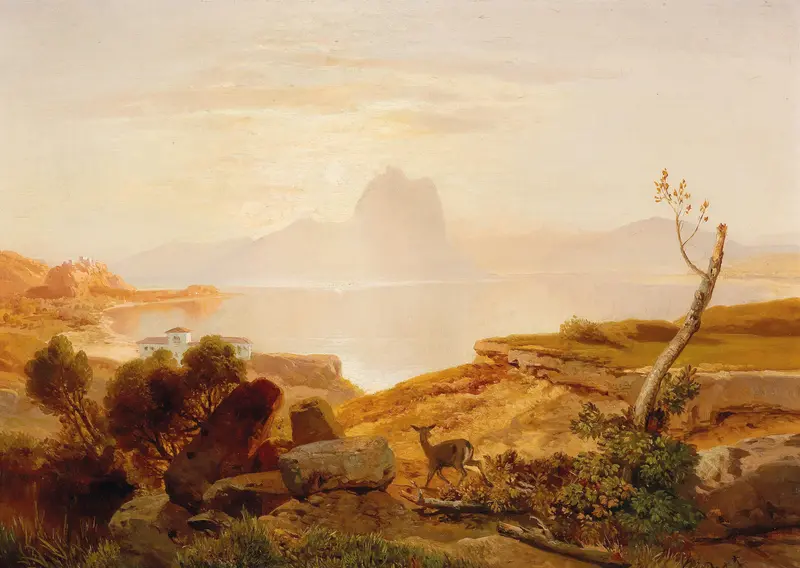
The first thing to catch the eye in Scene on Ischia is the sheer breadth of sky, a pale, sun-washed expanse that seems to breathe above the clustered dwellings and lush gardens below. Your gaze is drawn down from this open air to the orderly geometry of whitewashed buildings, their arcades and terraces softened by the green of fruit trees and the shadows of afternoon. In the foreground, two figures pause on a low wall, their presence a quiet counterpoint to the vastness behind them—a moment of conversation, perhaps, or simply a shared rest.
The painter leads us gently from this intimate foreground out toward the distant blue of the Tyrrhenian Sea, where the coast of Ischia dissolves into haze and memory. Works like this, painted by Albert August Zimmermann by 1888, belong to a tradition that flourished as travel and tourism opened the Mediterranean to northern artists and collectors. The late nineteenth century saw a hunger for sunlit southern scenes, both as souvenirs for travelers and as windows onto a world that seemed at once ancient and accessible. Landscapes of this kind, often commissioned or snapped up by the rising bourgeoisie, offered a vision of Italy as a place of light, leisure, and gentle rhythms—far from the industrial bustle of northern Europe.
Though little is recorded about this particular painting beyond its appearance at Dorotheum, its quiet clarity invites us to linger, to follow the lines of road and rooftop, and to imagine the warm air stirring above the gardens of Ischia.
More Artworks by Albert August Zimmermann
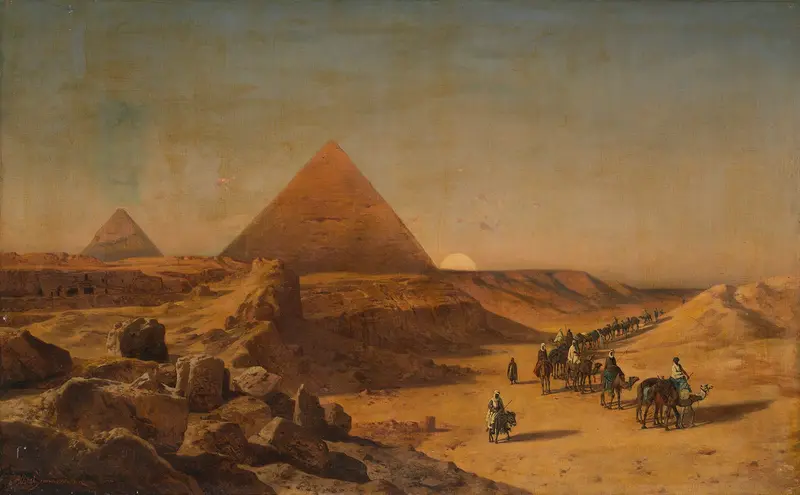
Pyramids
Albert August Zimmermann

Schwäbische Alb
Albert August Zimmermann
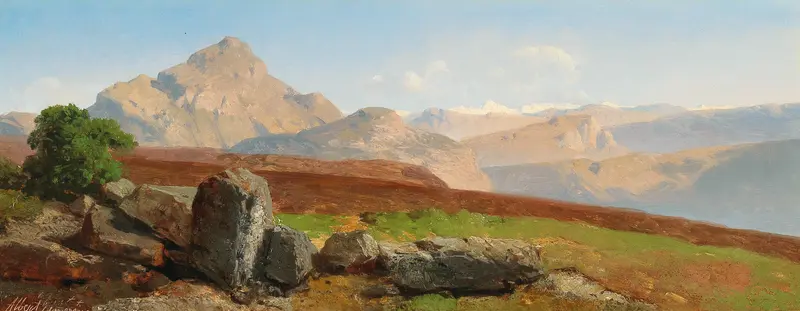
Mountain Landscape
Albert August Zimmermann
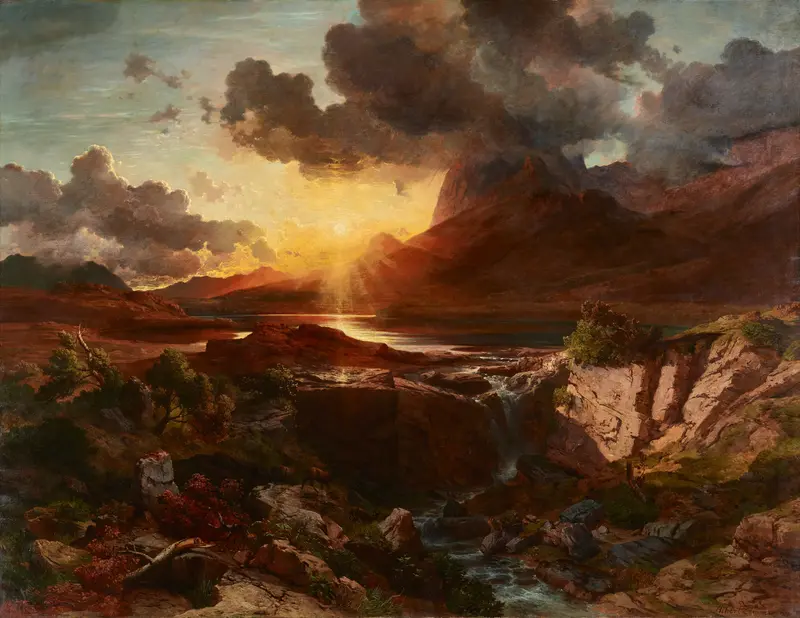
Sonnenuntergang am Hintersee in Berchtesgaden 13 Österreichische Galerie Belvedere
Albert August Zimmermann
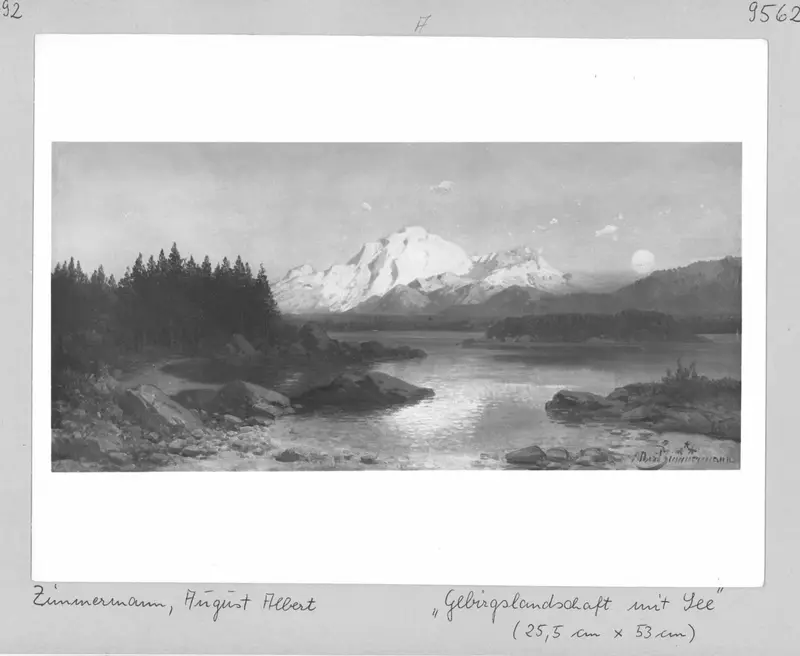
Mountain-landscape with lake
Albert August Zimmermann
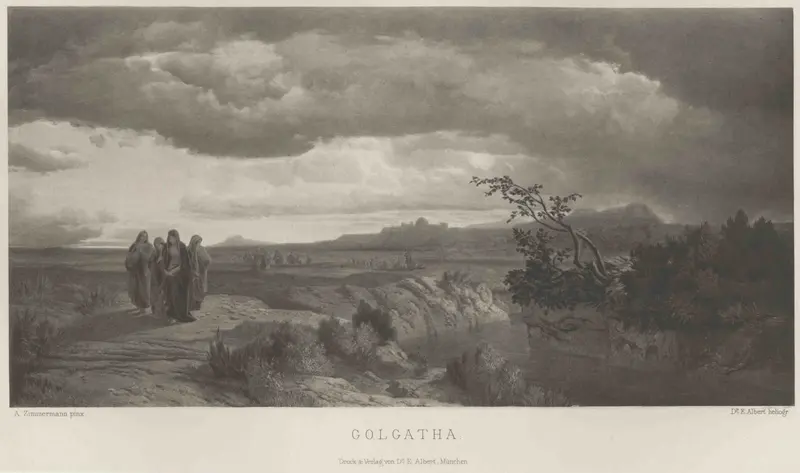
Golgatha
Albert August Zimmermann
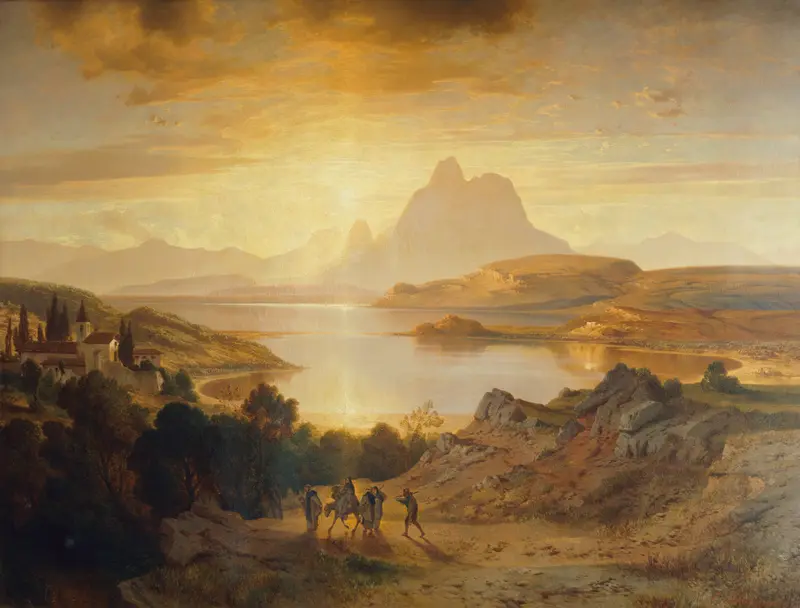
Lago di Lugano 65 Österreichische Galerie Belvedere
Albert August Zimmermann
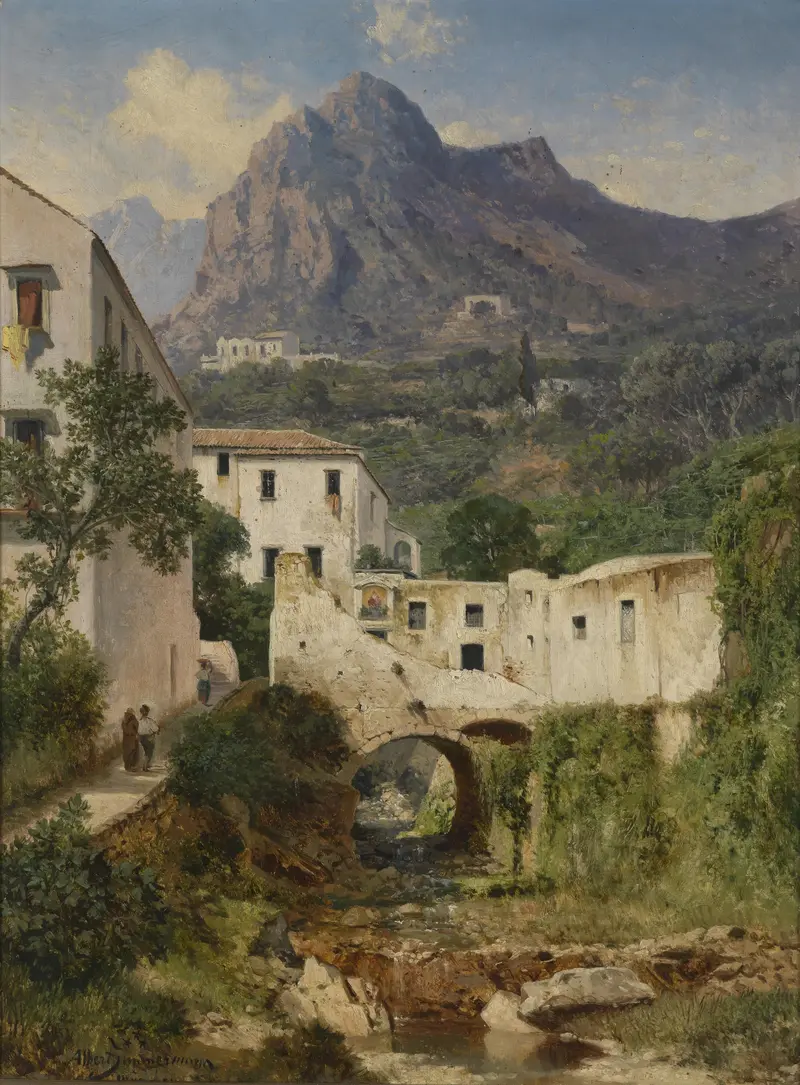
Mühltal bei Amalfi
Albert August Zimmermann
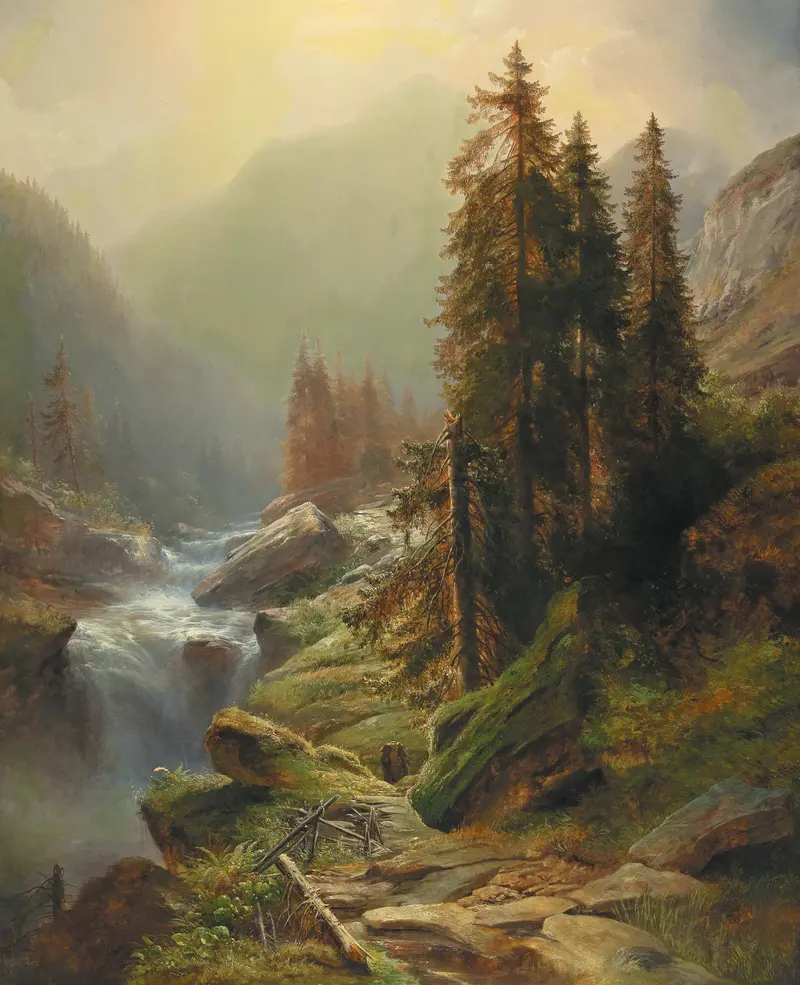
Large Mountain Landscape
Albert August Zimmermann
Partie am Como See
Albert August Zimmermann
More Landscape Art

The Starry Night
Vincent van Gogh

View of Delft
Johannes Vermeer

Water Lilies
Claude Monet

The Grand Canal, Venice, looking north-west from the Ca' Corner to the Ca' Contarini degli Scrigni, with the campanile of Santa Maria della Carità
Canaletto

Windsor Castle
Canaletto

The Grand Canal looking North-East from the Palazzo Dolfin-Manin to the Rialto Bridge
Canaletto