
Scenes from Thebaid — History & Facts
No other painting by Fra Angelico offers such a sweeping panorama of monastic life as Scenes from Thebaid, a work that has puzzled scholars for centuries due to its intricate narrative and uncertain original setting. Painted around 1430, this panel is remarkable for weaving together dozens of episodes from the lives of the Desert Fathers—the early Christian hermits of Egypt’s Thebaid region—into a single, continuous landscape. The painting’s purpose remains a matter of debate: some suggest it was intended for a Dominican monastery, while others believe it was a private devotional piece, its small scale inviting close contemplation. Within the rocky, sunlit wilderness, monks labor, pray, and perform acts of charity.
At the center, a monk lowers a basket of bread to a hermit in his cave, symbolizing the bonds of spiritual community. Nearby, a brother tends a sick companion, echoing the Christian call to mercy, while others are shown reading, meditating, or resisting the temptations of demons. Fra Angelico’s gentle palette and delicate brushwork create an atmosphere of peace and order, contrasting with the more dramatic, shadowed visions of monastic life painted by Andrea del Sarto a century later.
Every gesture and object—whether a palm branch or a simple loaf—serves to illustrate the virtues of humility, charity, and perseverance. The precise origins of Scenes from Thebaid remain uncertain, as no contemporary documentation survives to link it to a specific patron or location. However, its style and subject matter closely align with Fra Angelico’s early work in Florence, particularly his frescoes at the Convent of San Marco. Over the centuries, the painting has passed through various collections, admired for its narrative inventiveness and spiritual clarity.
Today, it is considered a key example of early Renaissance storytelling, offering a rare glimpse into the devotional imagination of fifteenth-century Italy.
More Artworks by Fra Angelico

Condemnation of St Lawrence by the Emperor Valerian
Fra Angelico
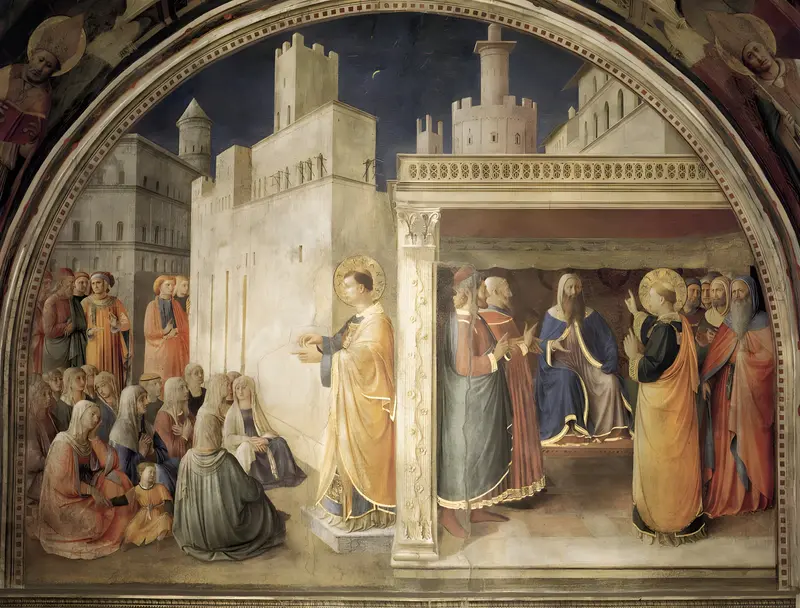
Lunette of the north wall
Fra Angelico
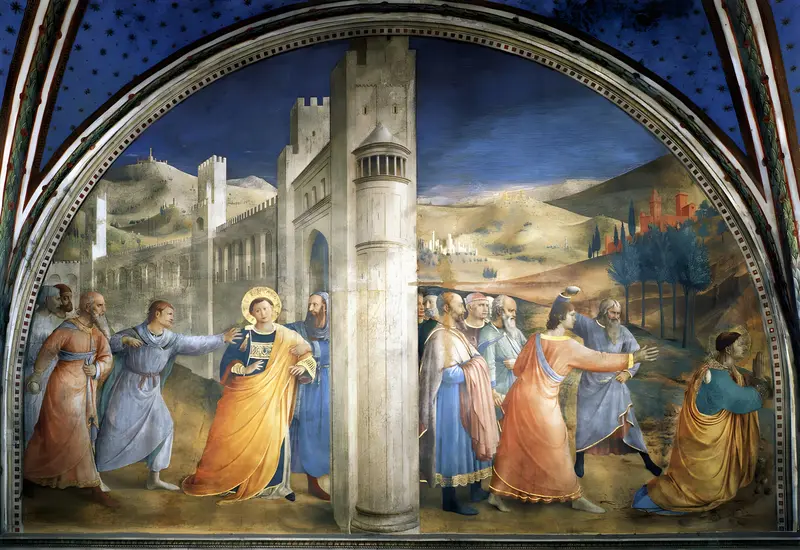
Lunette of the east wall in Niccoline Chapel
Fra Angelico
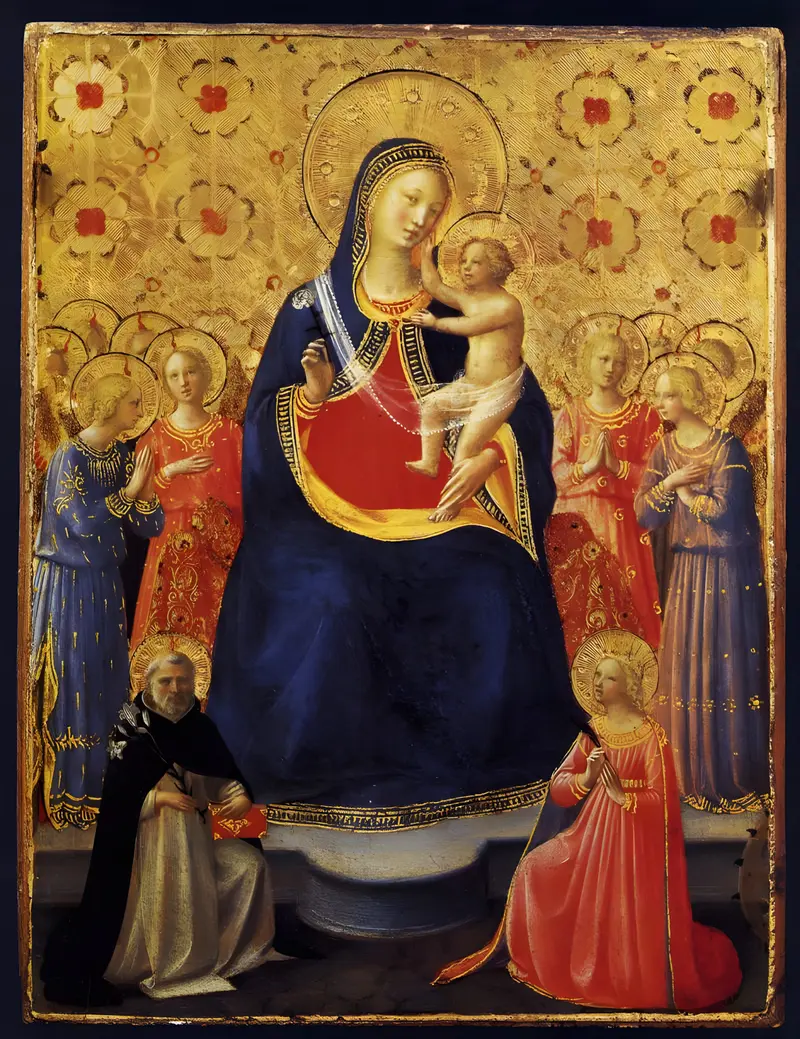
Madonna and Child Enthroned with Nine Angels and Saints Dominic and Catherine of Alexandria
Fra Angelico
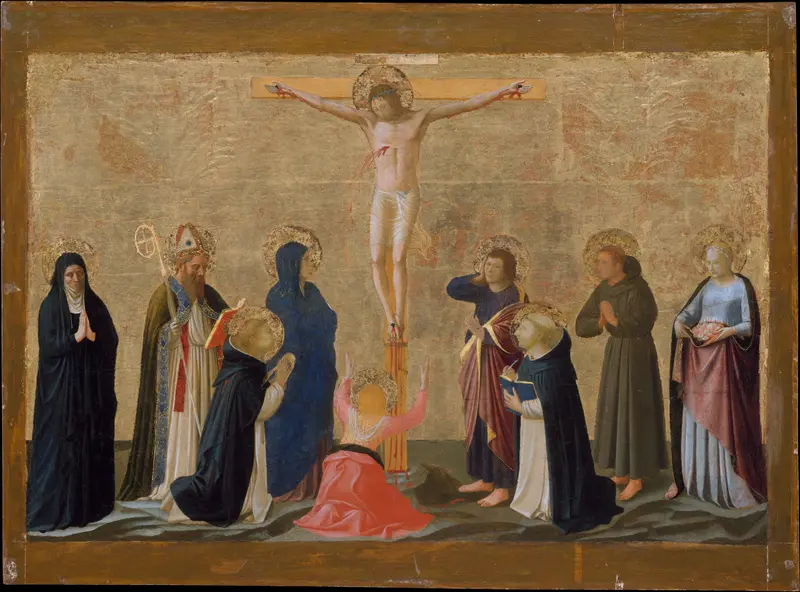
The Crucifixion
Fra Angelico
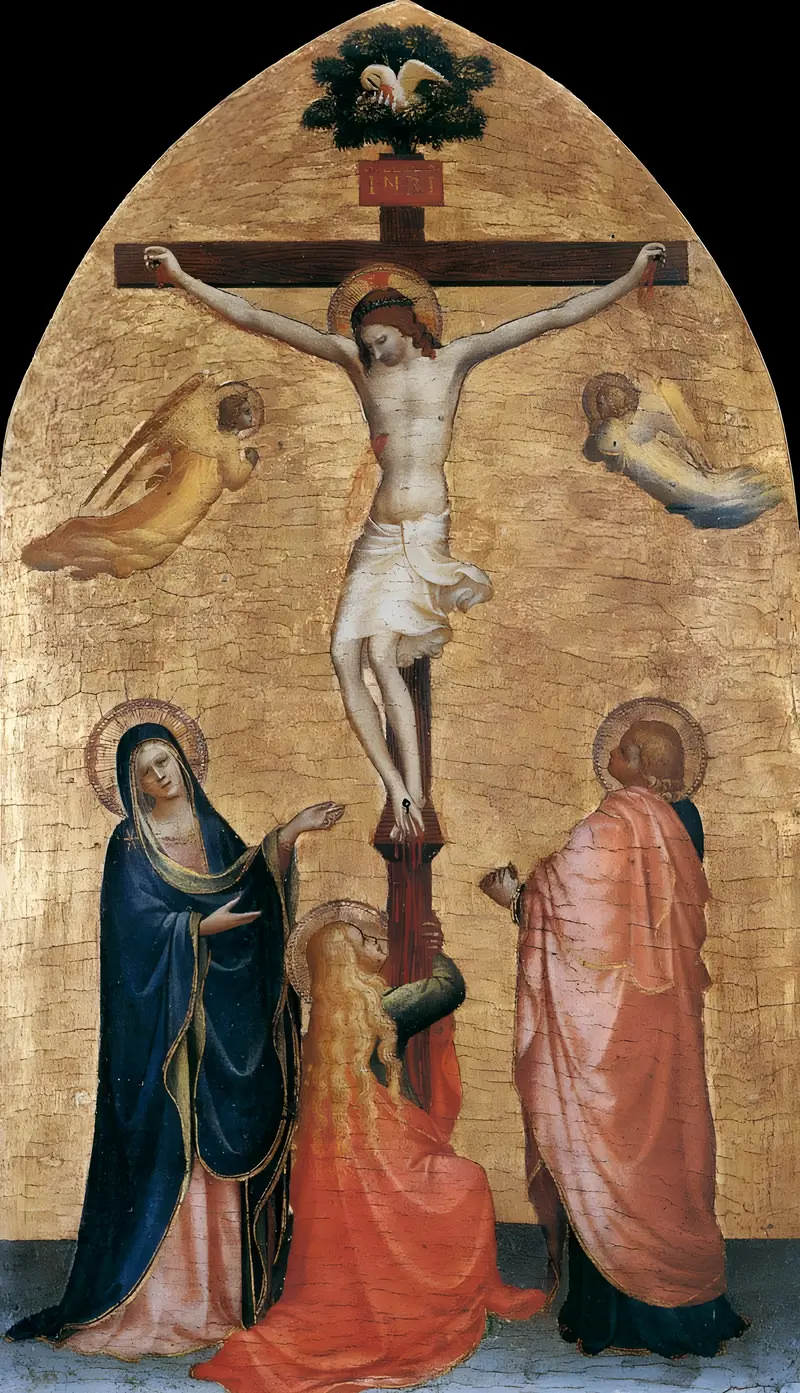
Crucifixion with the Virgin, John the Evangelist, and Mary Magdelene
Fra Angelico
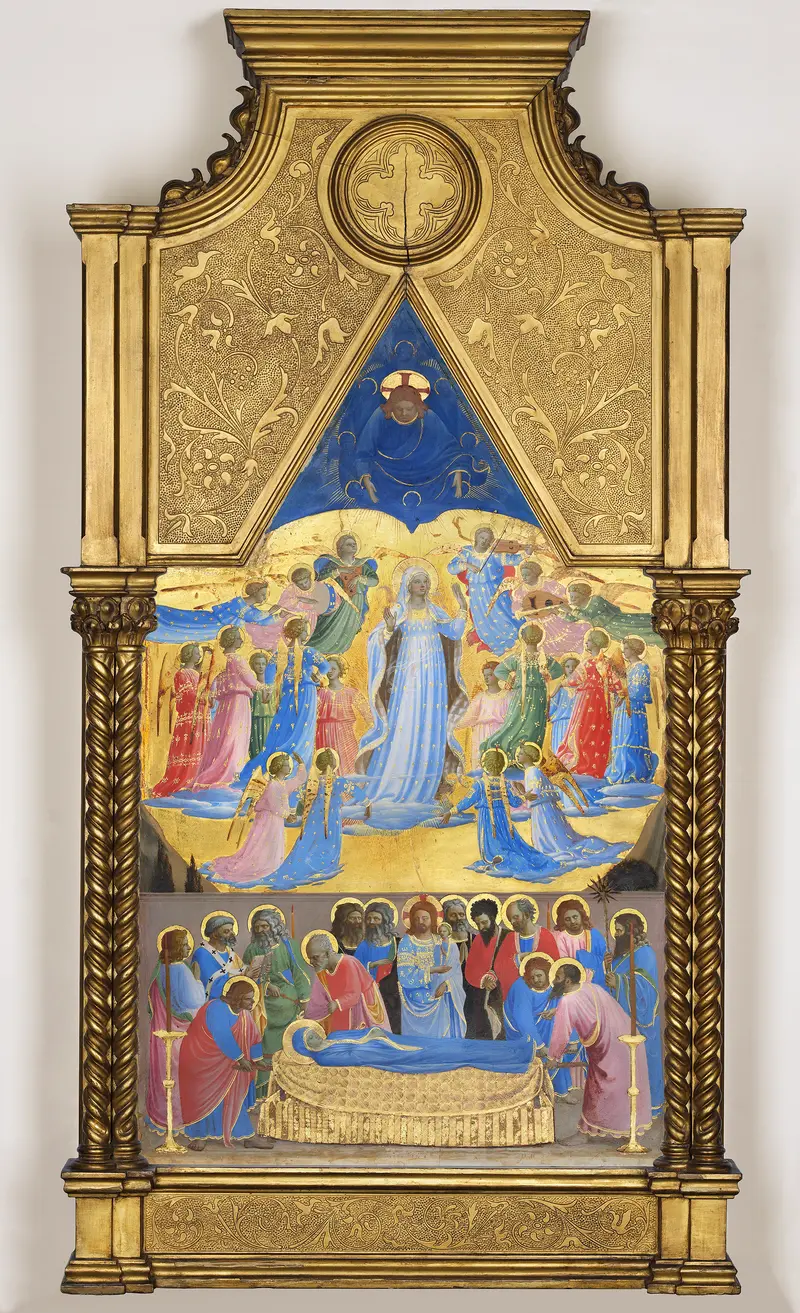
Dormition and Assumption of the Virgin
Fra Angelico
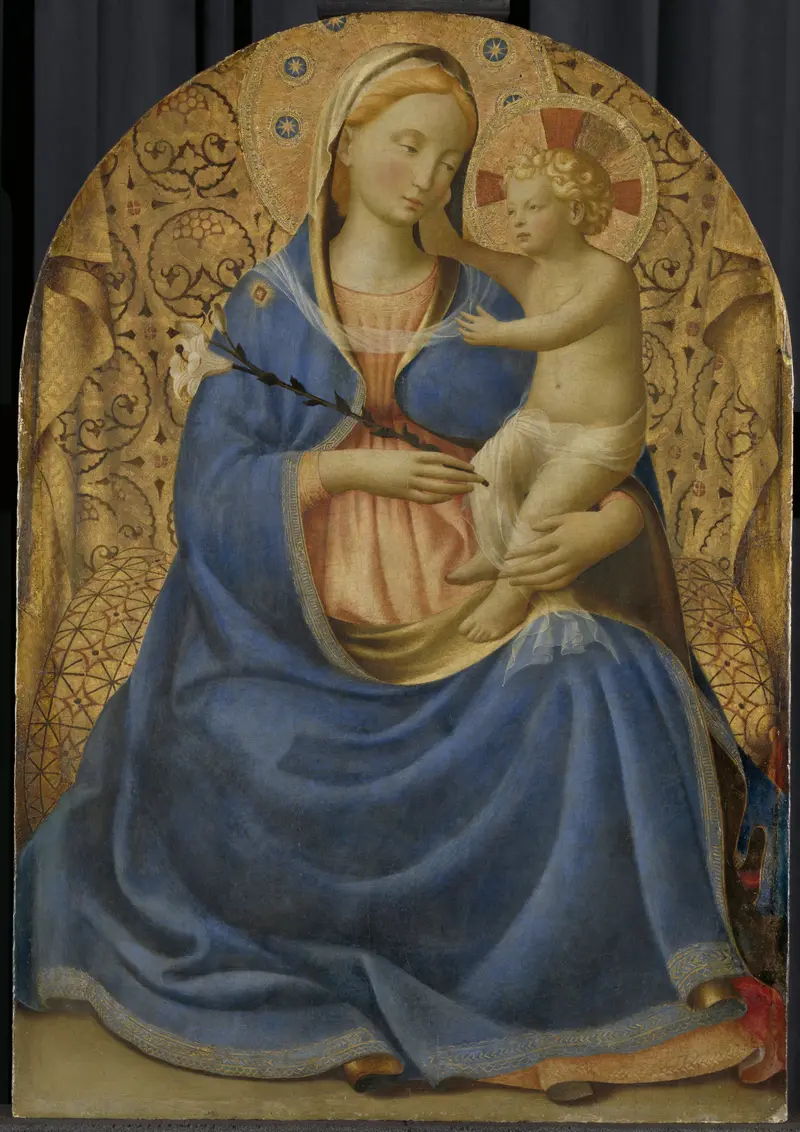
Madonna of Humility
Fra Angelico
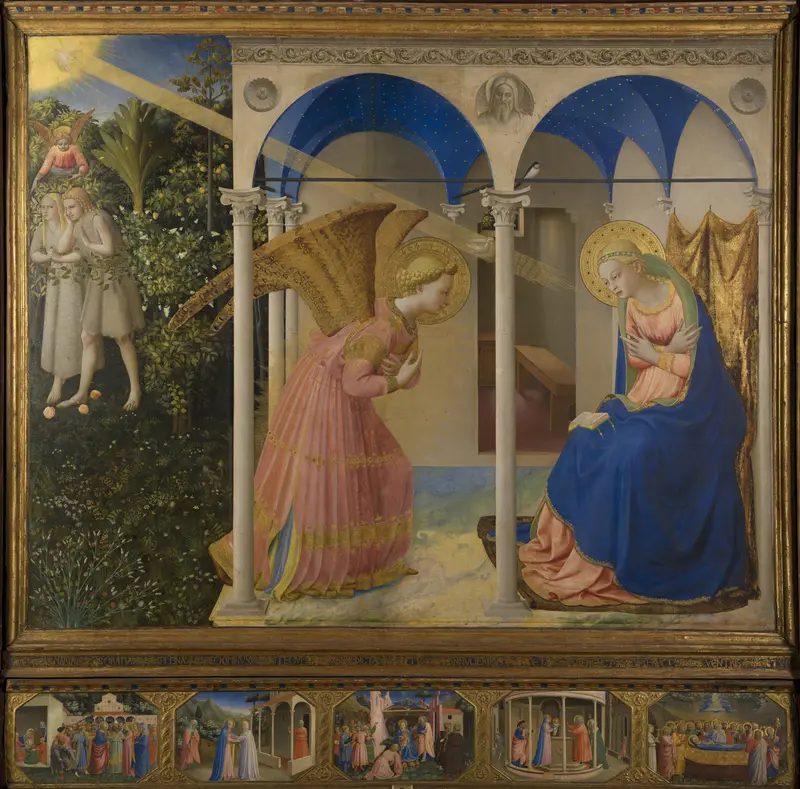
The Annunciation
Fra Angelico

Saint Anthony Abbot
Fra Angelico





