
Schaduw op zonnewijzer teruggezet voor Hizkia — History & Facts
The stillness of the moment captures a truth deeper than words can convey, revealing the layered complexity of human existence. Look closely at the figures in the foreground, their solemn expressions caught between light and shadow. Notice how the muted tones of their garments contrast with the vibrant greens and blues of the landscape behind them, creating a tension that pulls your eye toward the characters’ understated yet palpable emotions. The carefully crafted details of each face invite you to ponder their inner lives, while the sun dial, casting its shadow with precision, suggests an unyielding passage of time. As your gaze wanders, consider the symbolic nature of the sun dial itself.
It stands not merely as a timekeeper but also as a harbinger of fate, evoking the fragile balance between destiny and free will. The juxtaposition of the serene landscape and the somber expressions of the figures embodies a profound existential struggle, hinting at the weight of decisions made and paths chosen. The work transcends its immediate scene, inviting reflection on the broader themes of truth, mortality, and the human condition. Created in 1538 during a tumultuous time in Europe, this piece reflects Hans Holbein's mastery and his role as a leading portraitist of the Northern Renaissance.
Living in a politically charged environment, he was deeply influenced by the Reformation's societal shifts. His meticulous attention to detail and emotional depth in this work exemplify the intersection of artistry and the intellectual currents of his time, marking a pivotal moment in his career.
More Artworks by Hans Holbein (II)
Browse all →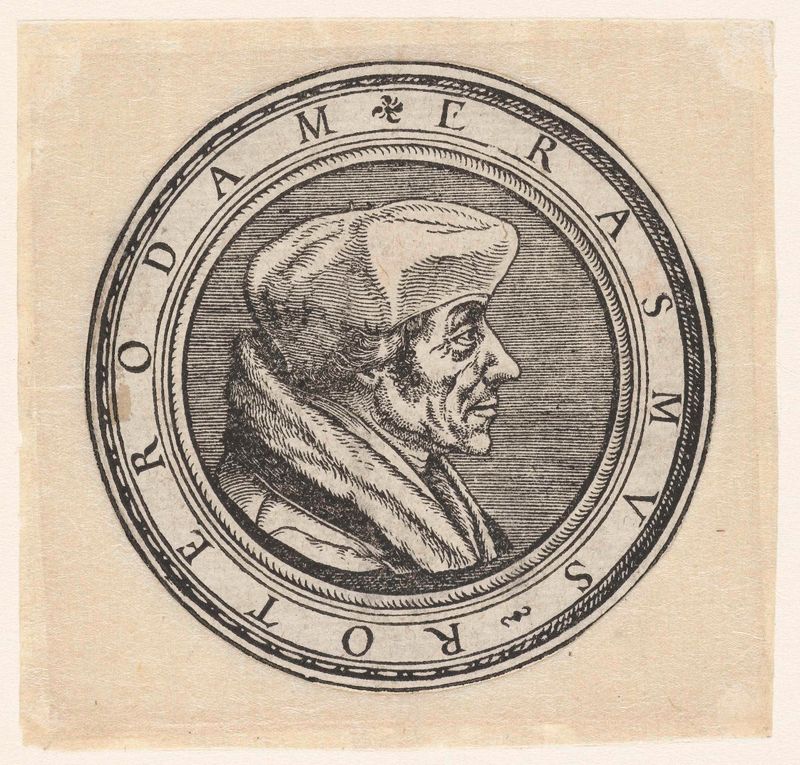
Portret van Erasmus
Hans Holbein (II)
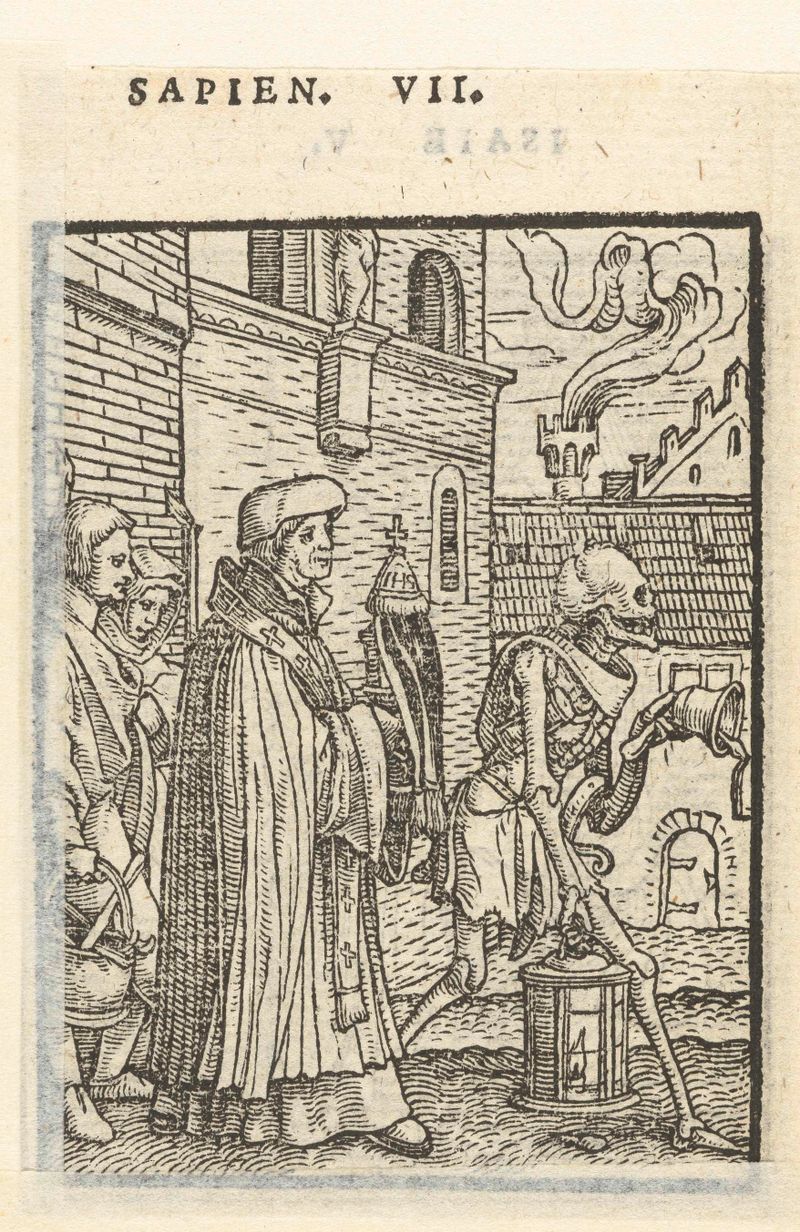
Priester en de Dood
Hans Holbein (II)
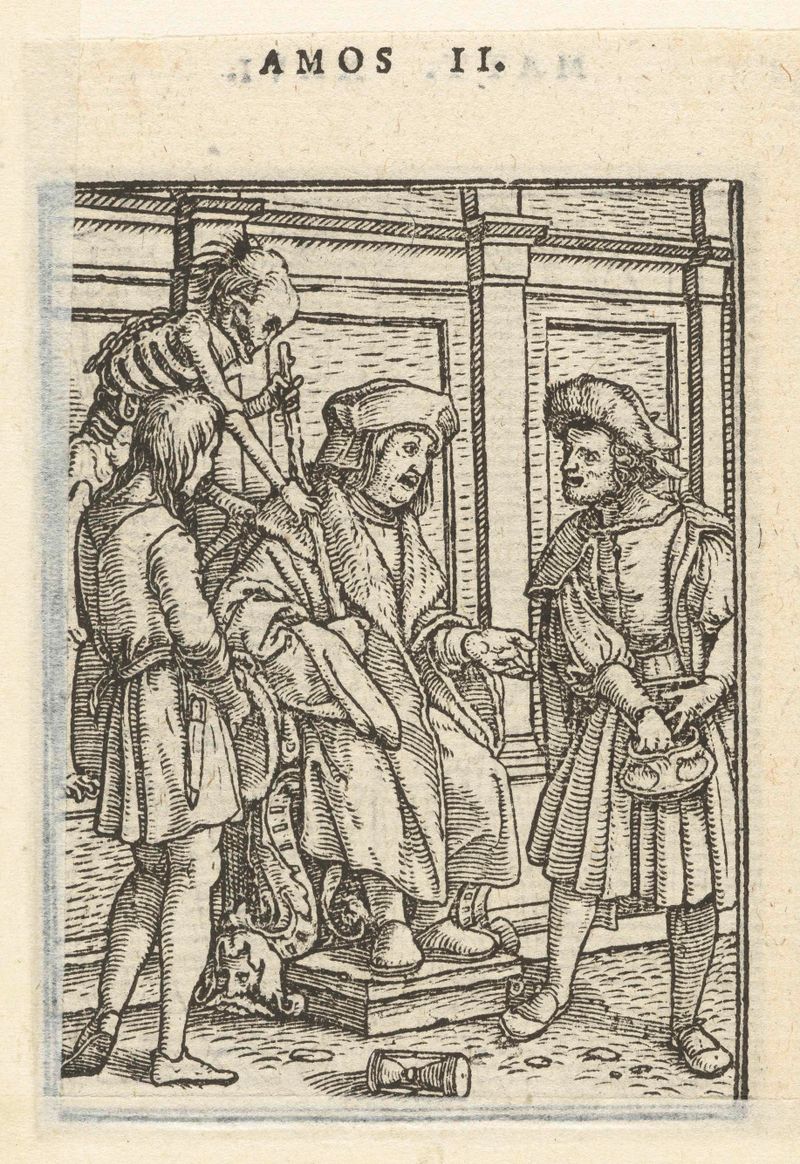
Rechter en de Dood
Hans Holbein (II)
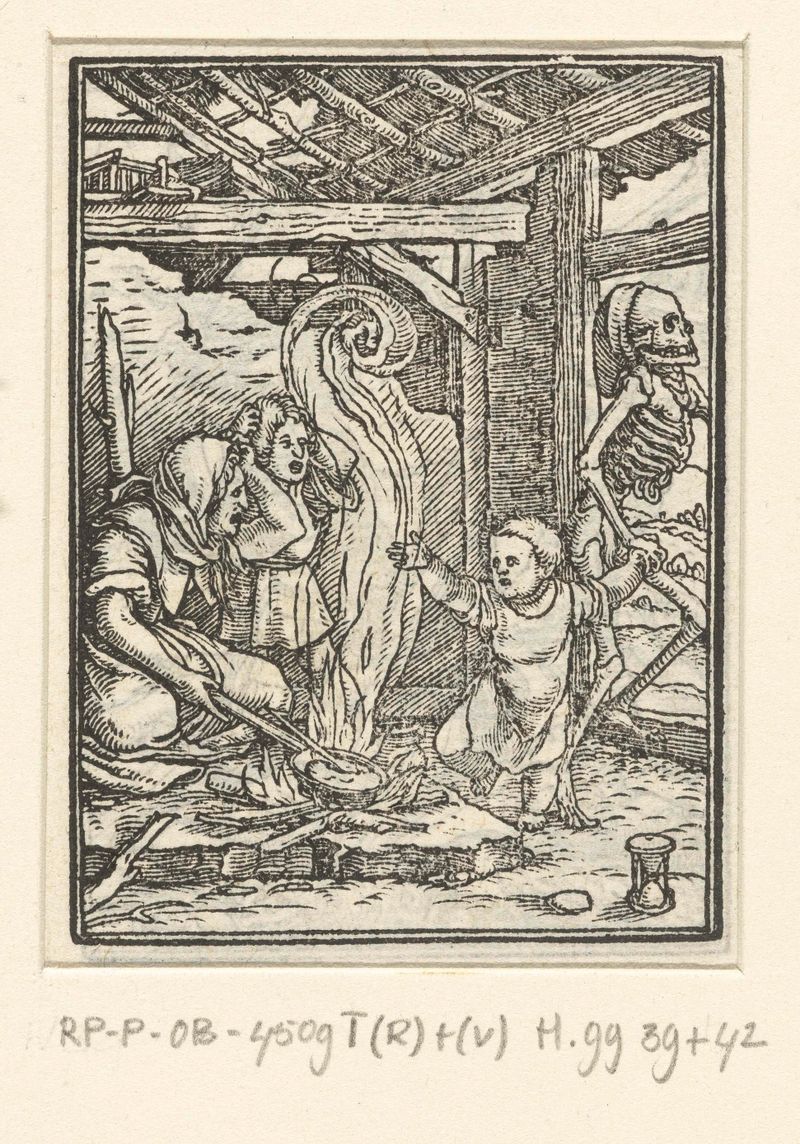
Kind en de Dood
Hans Holbein (II)
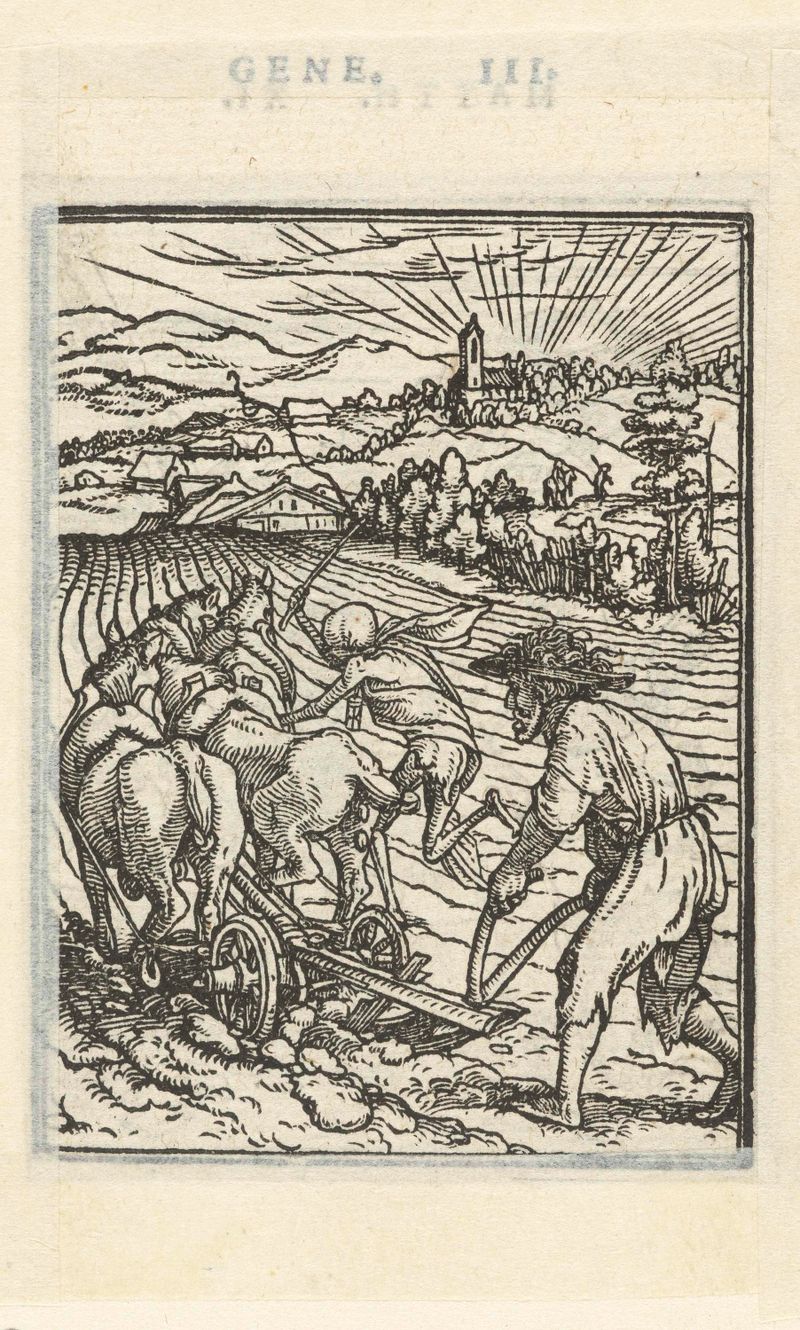
Boer en de Dood
Hans Holbein (II)
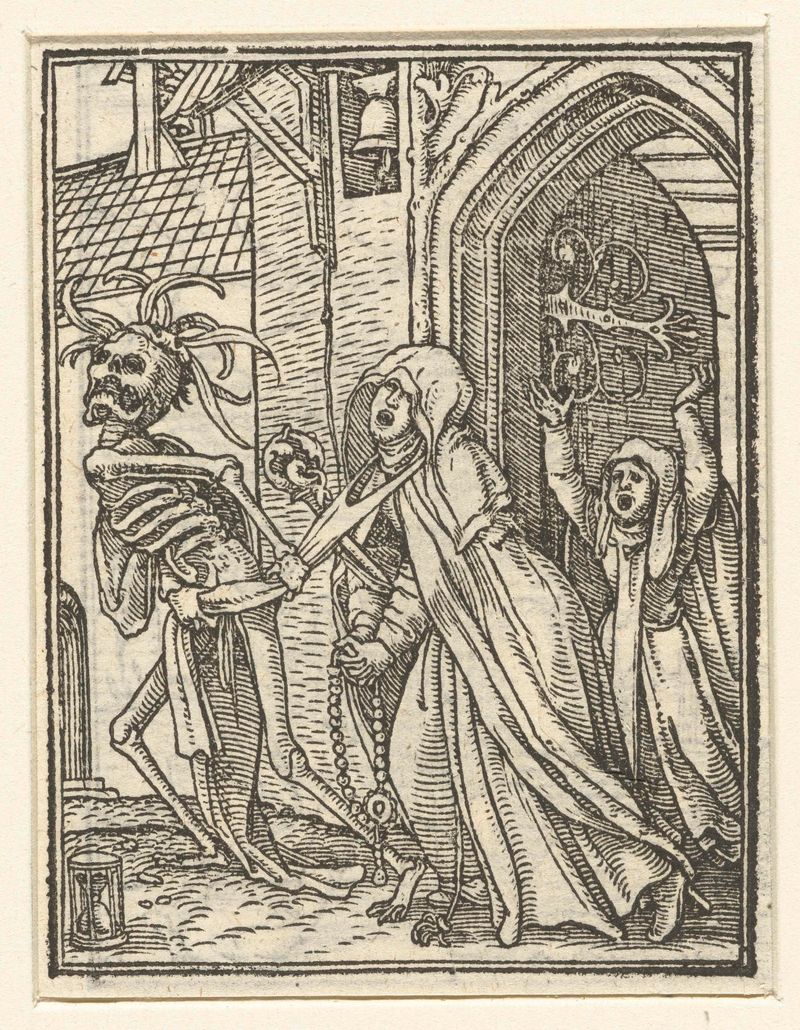
Abdis en de Dood
Hans Holbein (II)
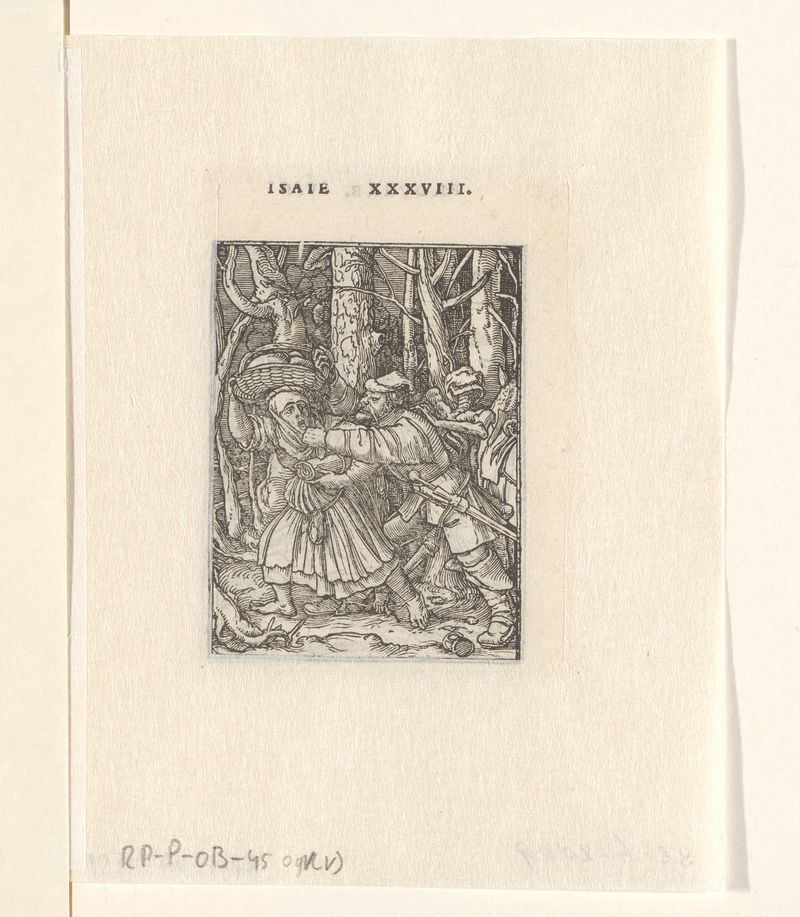
Dief en de Dood
Hans Holbein (II)
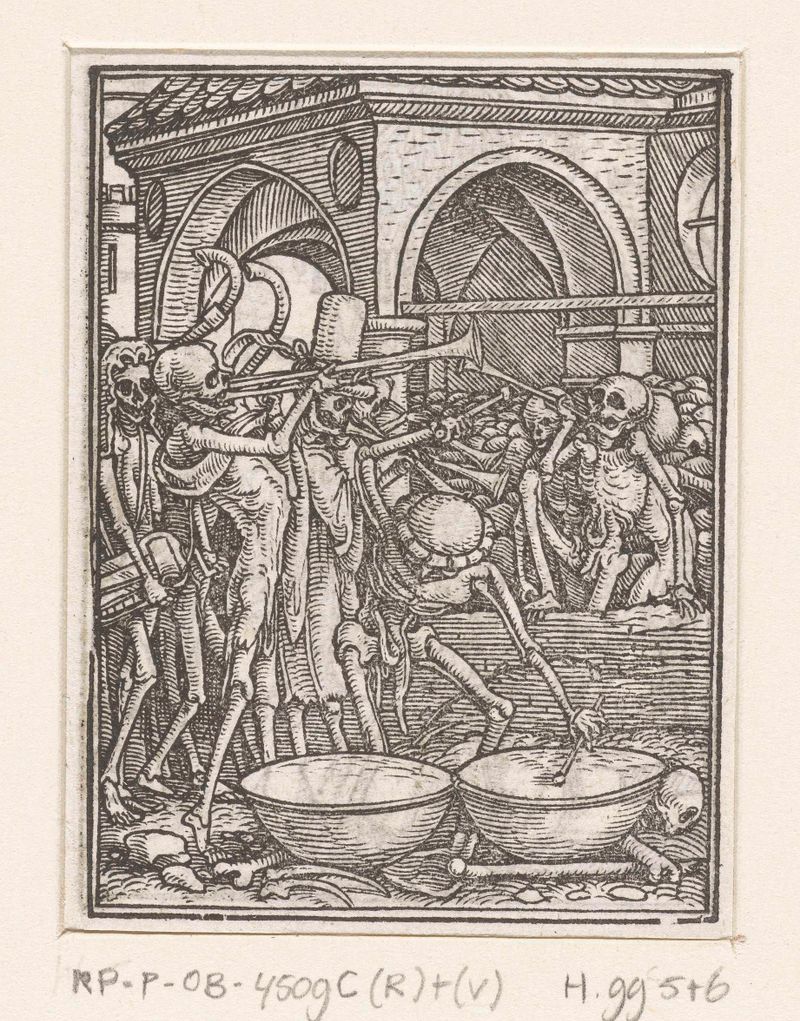
Skeletons Making Music from Dance of the Dead
Hans Holbein (II)
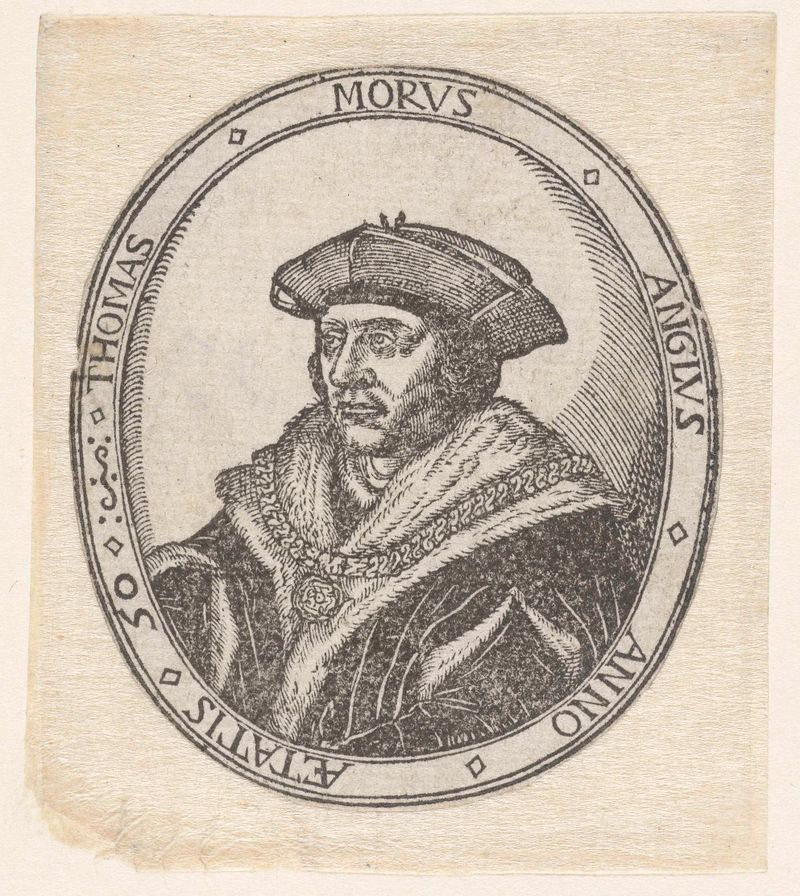
Portret van Thomas More
Hans Holbein (II)
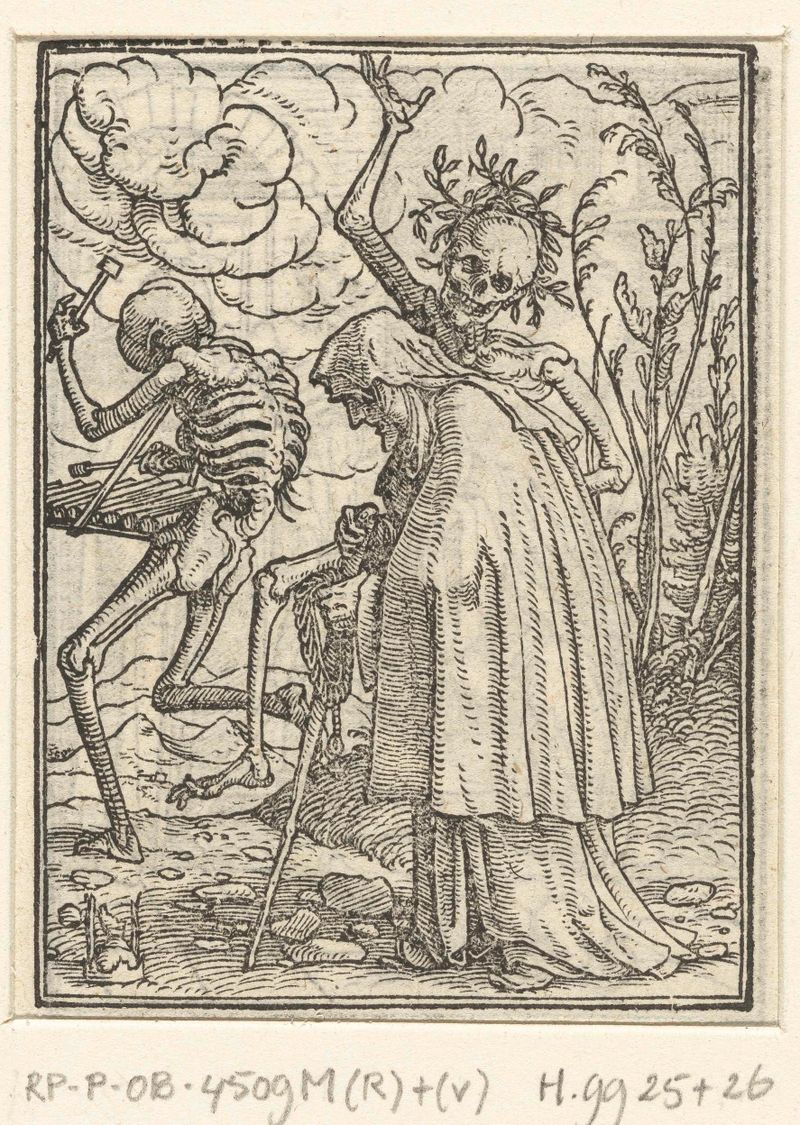
Oude vrouw en de Dood
Hans Holbein (II)





