
Schelp, argonauta nodosa — History & Facts
Who listens when art speaks of silence? In the delicate folds of a shell, the whispers of fragility echo through time. Look to the center of the canvas, where the argonauta nodosa lies poised, its curved form elegantly unfurling against a dark, muted background. The meticulous lines create a sense of texture that invites touch, while soft highlights reveal the luminescence of the shell, drawing the eye to its intricate patterns. Surrounding it, the carefully balanced composition allows the viewer to appreciate not just the subject, but the silent space that cradles it. In this stillness, one finds contrasts that deepen the emotional resonance: the solidity of the shell against the ephemeral nature of marine life.
The artwork encapsulates a moment of beauty that teeters on the edge of transience, capturing the vulnerability inherent in existence. Each line and shadow whispers of the fragility of life, inviting reflection on what remains when the visible fades away. Wenceslaus Hollar created this piece between 1644 and 1652, during a time of significant artistic exploration in Europe. Based in the Netherlands, he was immersed in the flourishing baroque movement, which celebrated intricate detail and natural forms.
This work serves as a testament not only to his skill but also to the evolving relationship between art and nature in a world undergoing rapid change.
More Artworks by Wenceslaus Hollar
Browse all →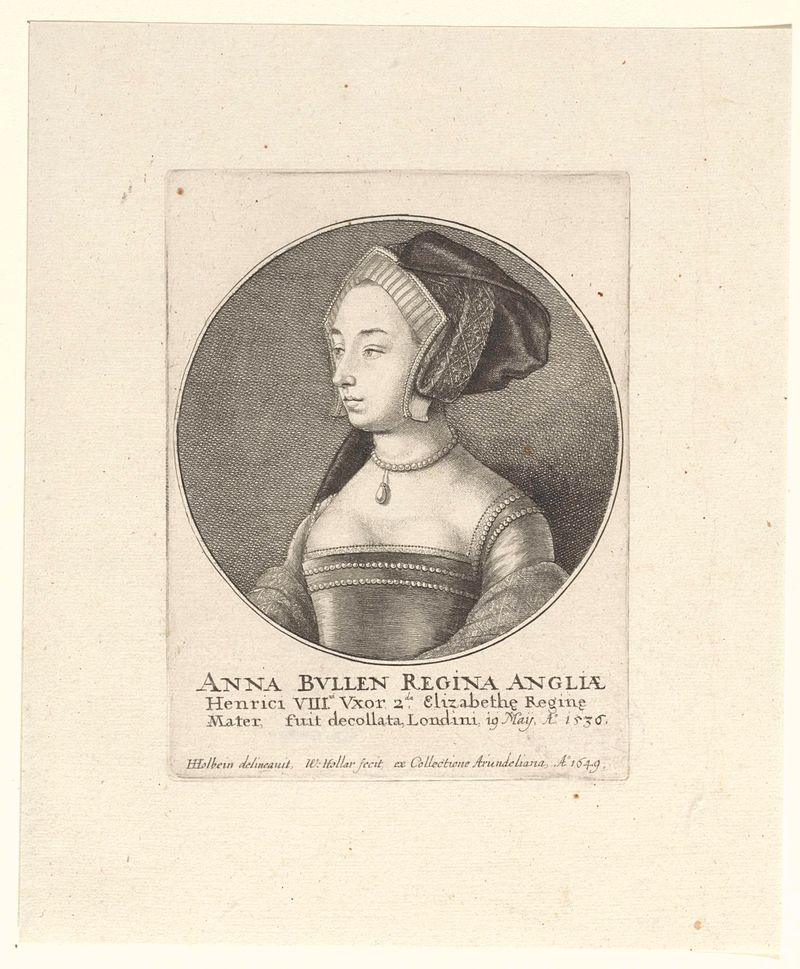
Portret van Anna Boleyn, koningin van Engeland
Wenceslaus Hollar
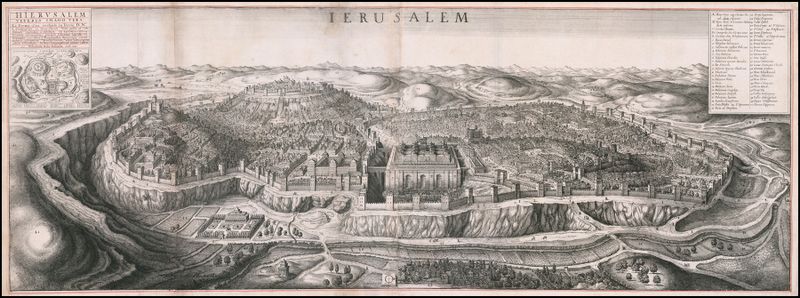
Bird’s eye view of Jerusalem
Wenceslaus Hollar
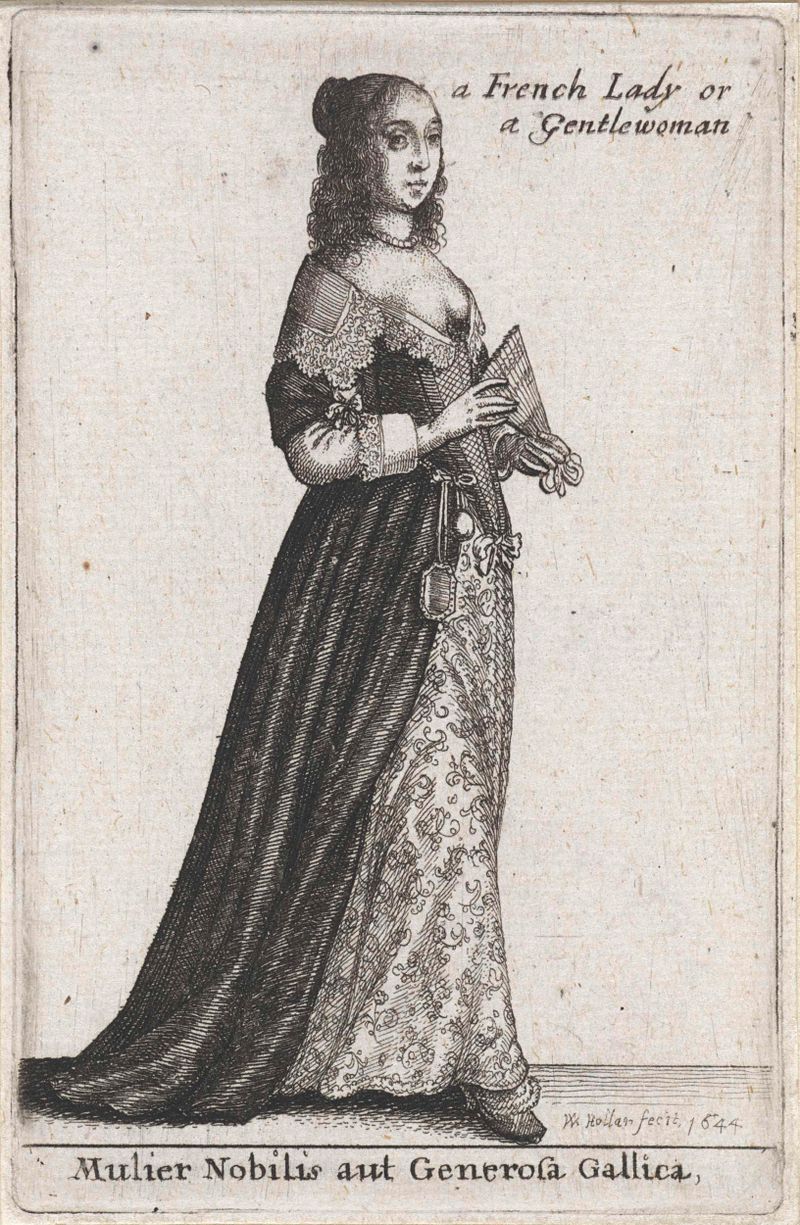
Mulier Nobilis aut Generosa Gallica / a French Lady or Gentlewoman
Wenceslaus Hollar
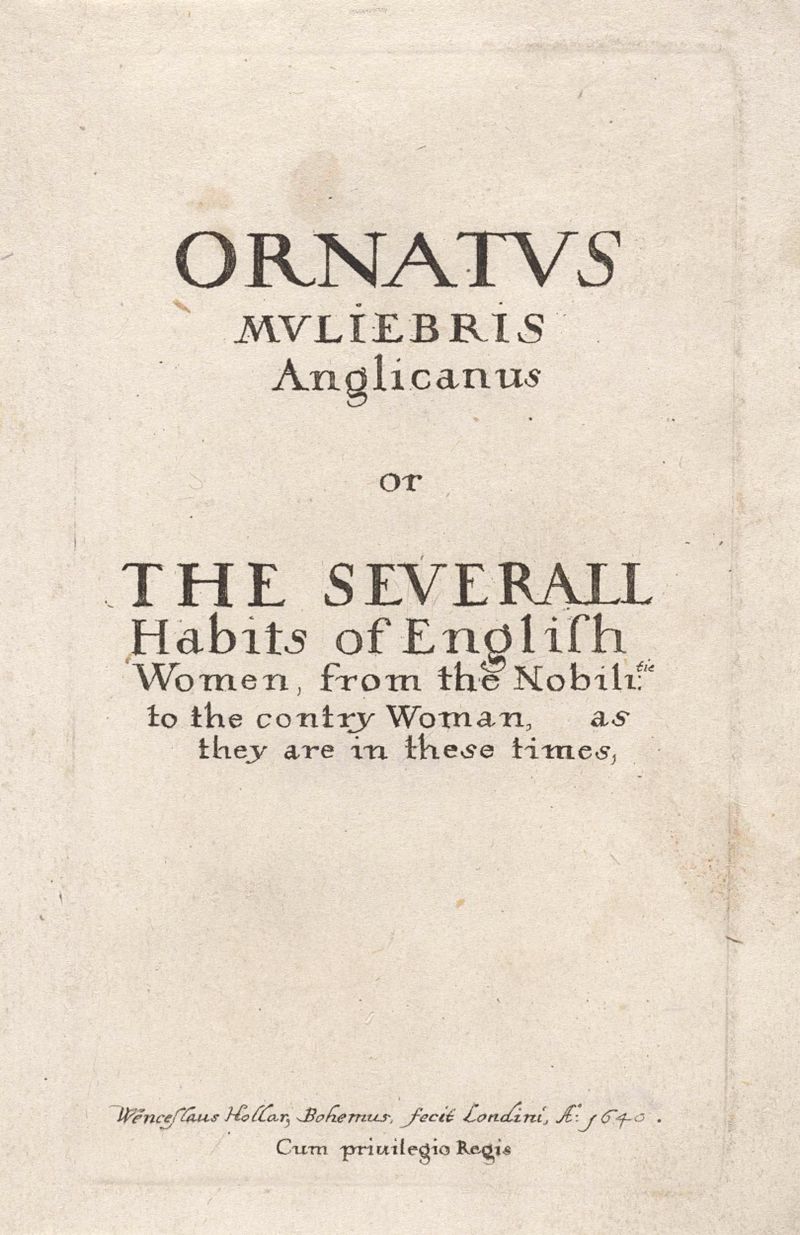
Titelprent voor: Ornatus Muliebris Anglicanus
Wenceslaus Hollar
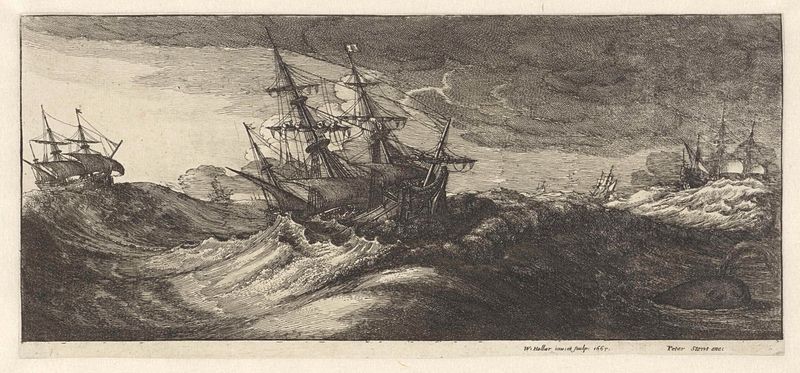
Oorlogsschepen en een walvis in een zeestorm
Wenceslaus Hollar
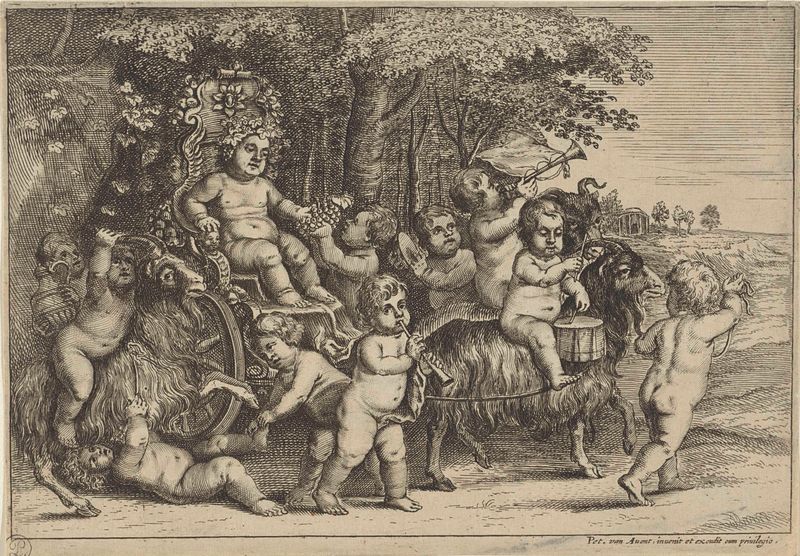
Optocht van bacchant en jongetjes op geiten
Wenceslaus Hollar
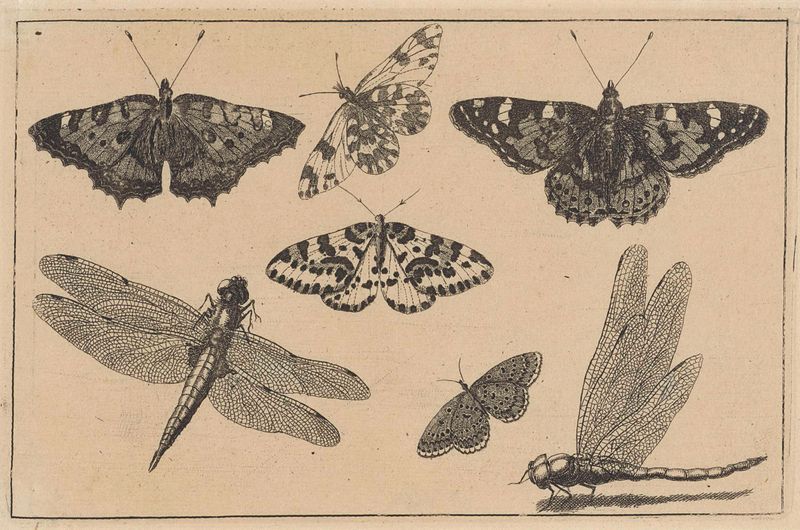
Twee libellen en vijf vlinders
Wenceslaus Hollar
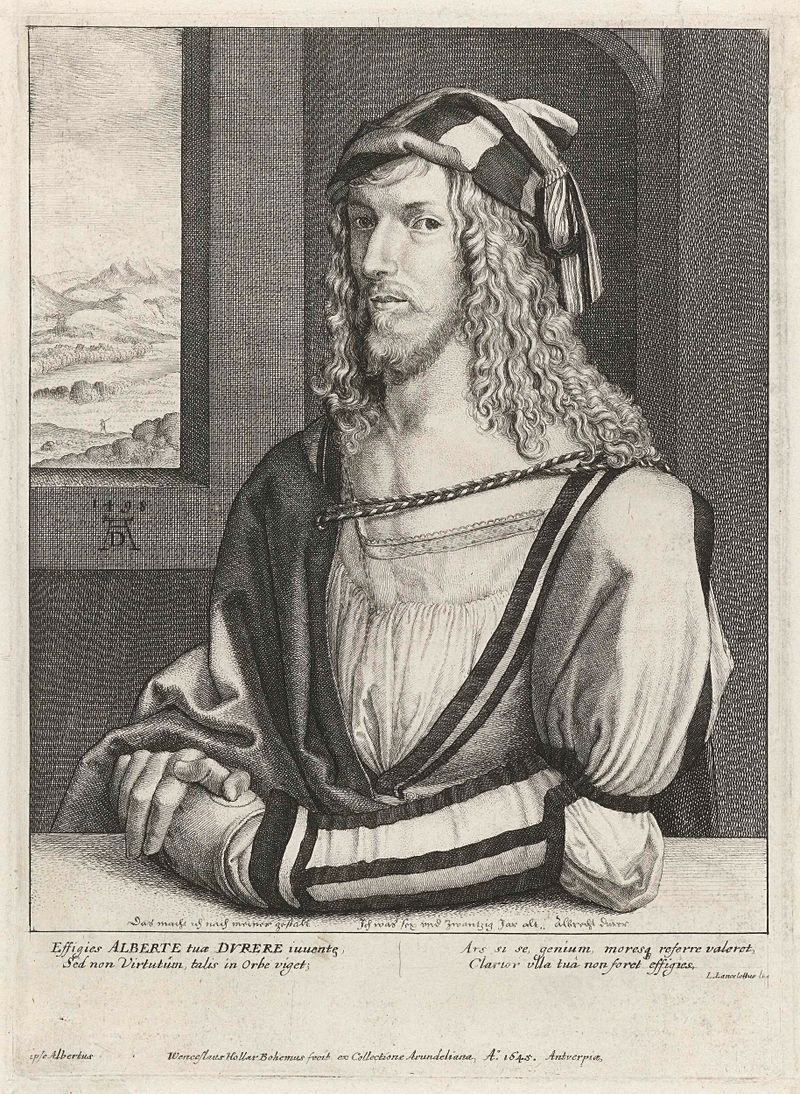
Portret van Albrecht Dürer
Wenceslaus Hollar
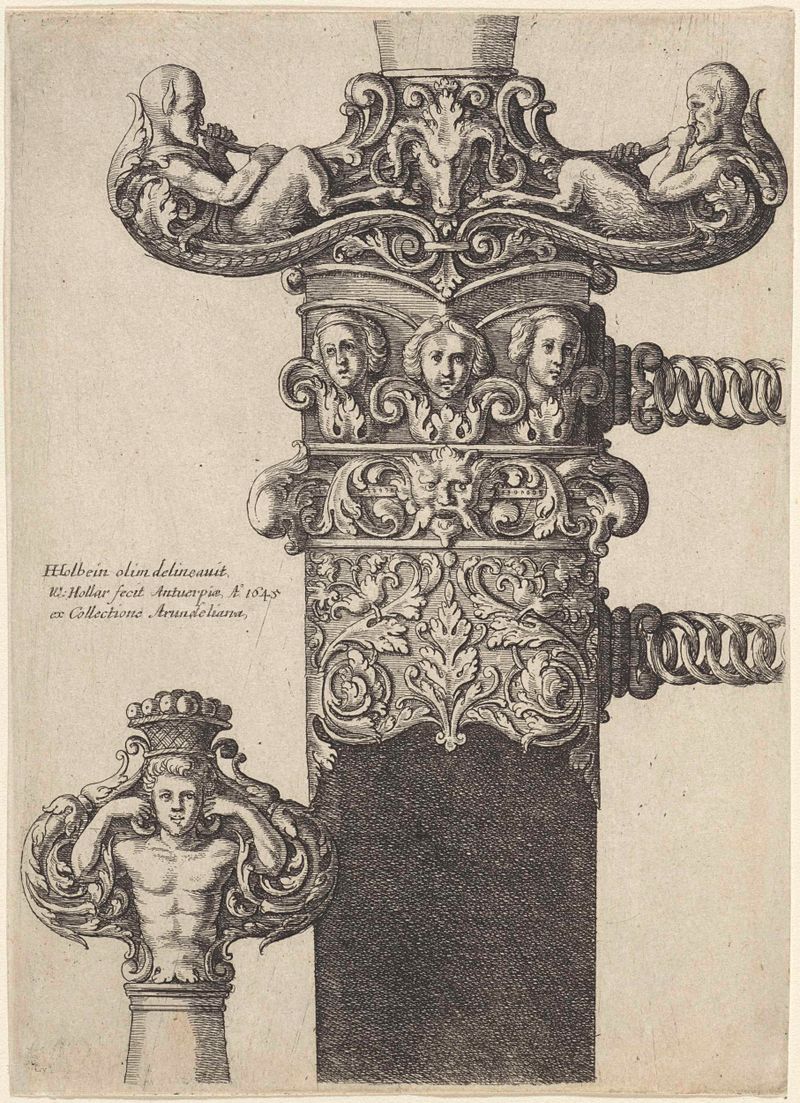
Ornamenteel ontwerp voor een dolk
Wenceslaus Hollar
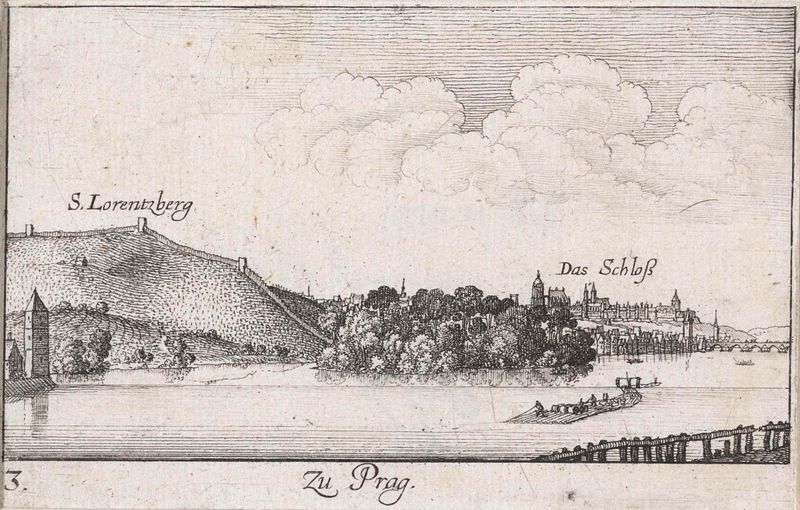
Gezicht op Praag vanaf de Moldau
Wenceslaus Hollar





