
Schelp, charonia tritonis — History & Facts
In the world of art, there exists an ecstatic dance between the artist and their subject, where every detail conveys an emotion that transcends time. Focus on the exquisite shell at the center, a charonia tritonis, delicately rendered with meticulous precision. Notice the play of light that caresses its surface, enhancing the swirls and ridges, illuminating the intricate textures that beckon to be touched. The subtle gradations of cream, soft browns, and gentle whites create a harmonious blend, inviting the viewer to linger longer, to lose themselves in the beauty of this natural form. The juxtaposition of the shell's grandeur against the stark white background emphasizes its ethereal presence.
This contrast evokes a sense of isolation, as if the shell is both a treasure of the sea and a relic of solitude, capturing the essence of ecstasy in nature. The artist's choice of composition draws attention to the seamless curves, suggesting fluidity and motion, while simultaneously grounding the viewer in the stillness of contemplation. Wenceslaus Hollar created Schelp between 1644 and 1652, a period marked by his relocation to England and the tumult of the Thirty Years' War. As he settled into his role among the London artistic community, he focused on capturing the natural world with a meticulous eye, reflecting both the Baroque style's flourish and the emerging interest in scientific observation.
This work stands as a testament to his dedication and skill, revealing a transformative moment in his artistic journey.
More Artworks by Wenceslaus Hollar
Browse all →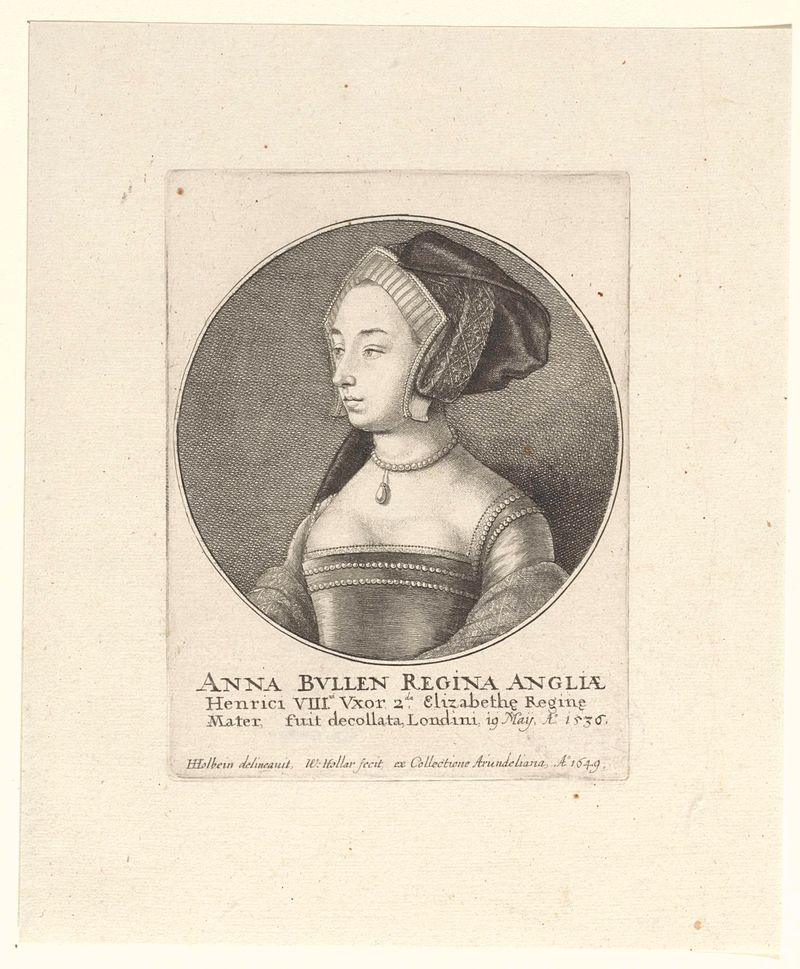
Portret van Anna Boleyn, koningin van Engeland
Wenceslaus Hollar
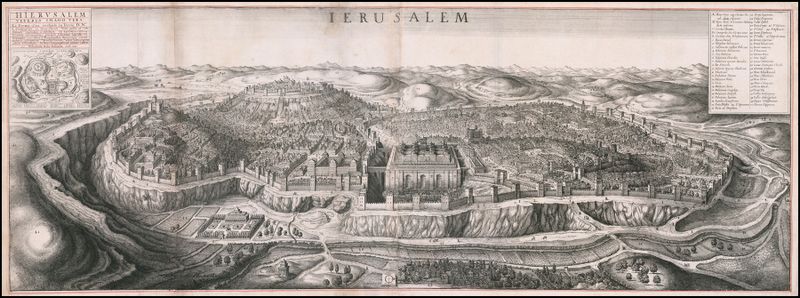
Bird’s eye view of Jerusalem
Wenceslaus Hollar
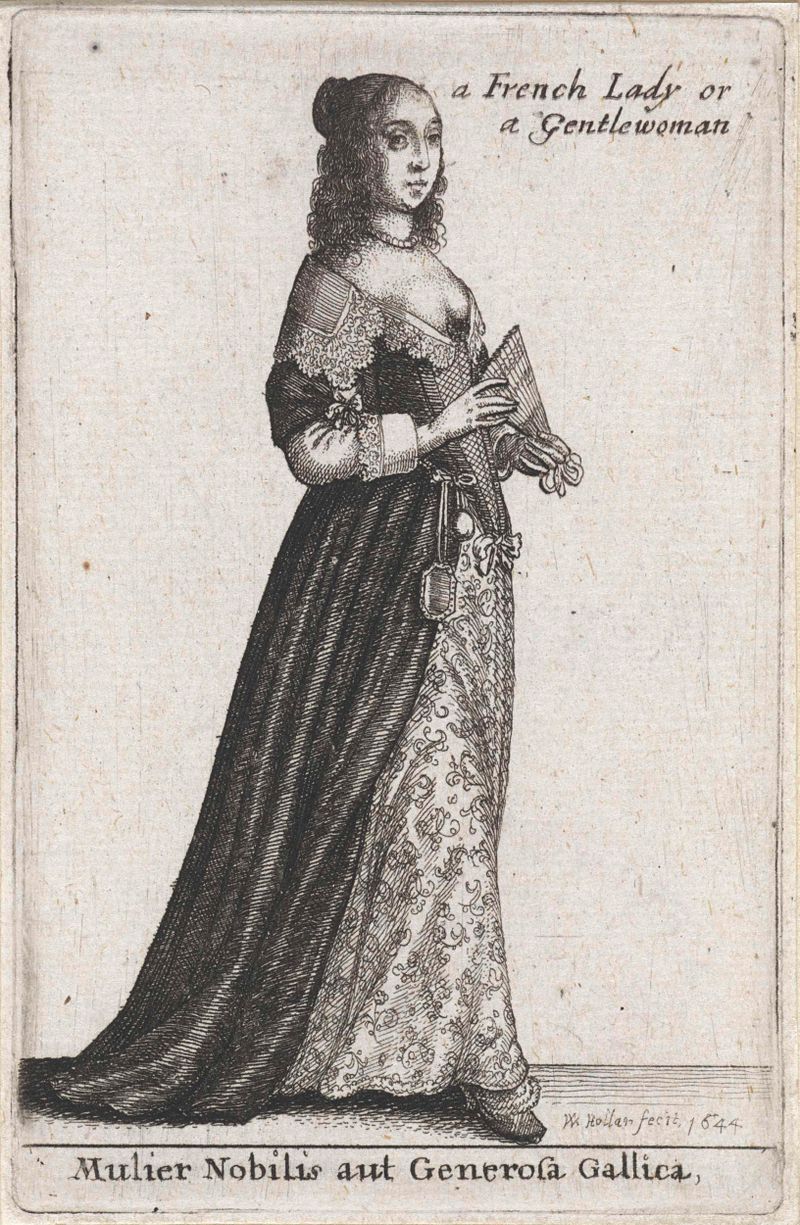
Mulier Nobilis aut Generosa Gallica / a French Lady or Gentlewoman
Wenceslaus Hollar
Titelprent voor: Ornatus Muliebris Anglicanus
Wenceslaus Hollar
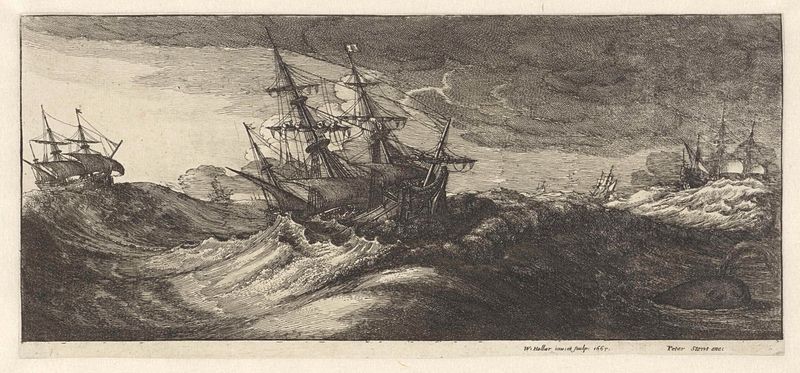
Oorlogsschepen en een walvis in een zeestorm
Wenceslaus Hollar
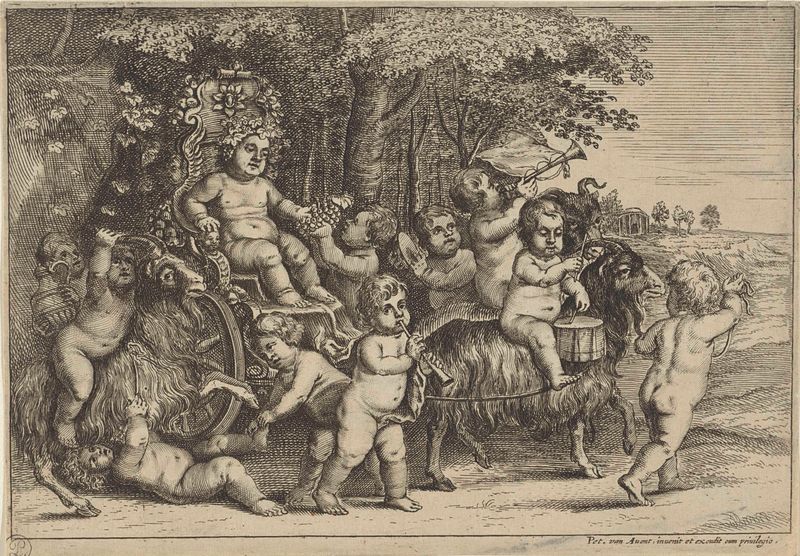
Optocht van bacchant en jongetjes op geiten
Wenceslaus Hollar
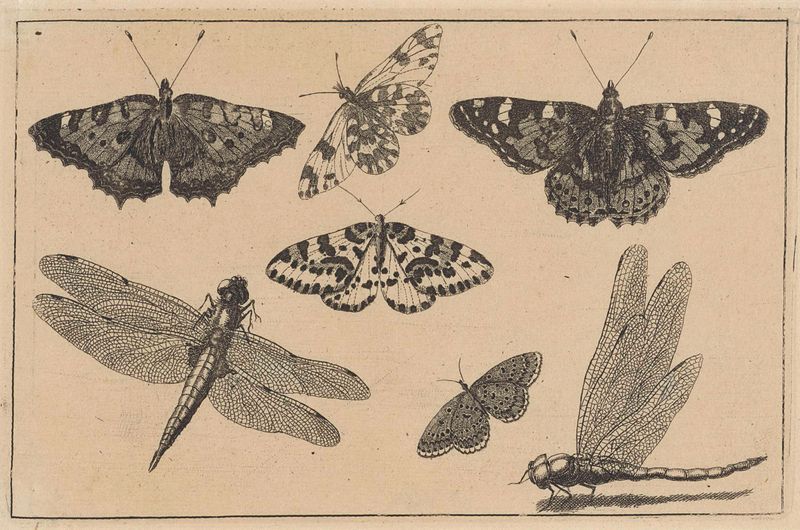
Twee libellen en vijf vlinders
Wenceslaus Hollar
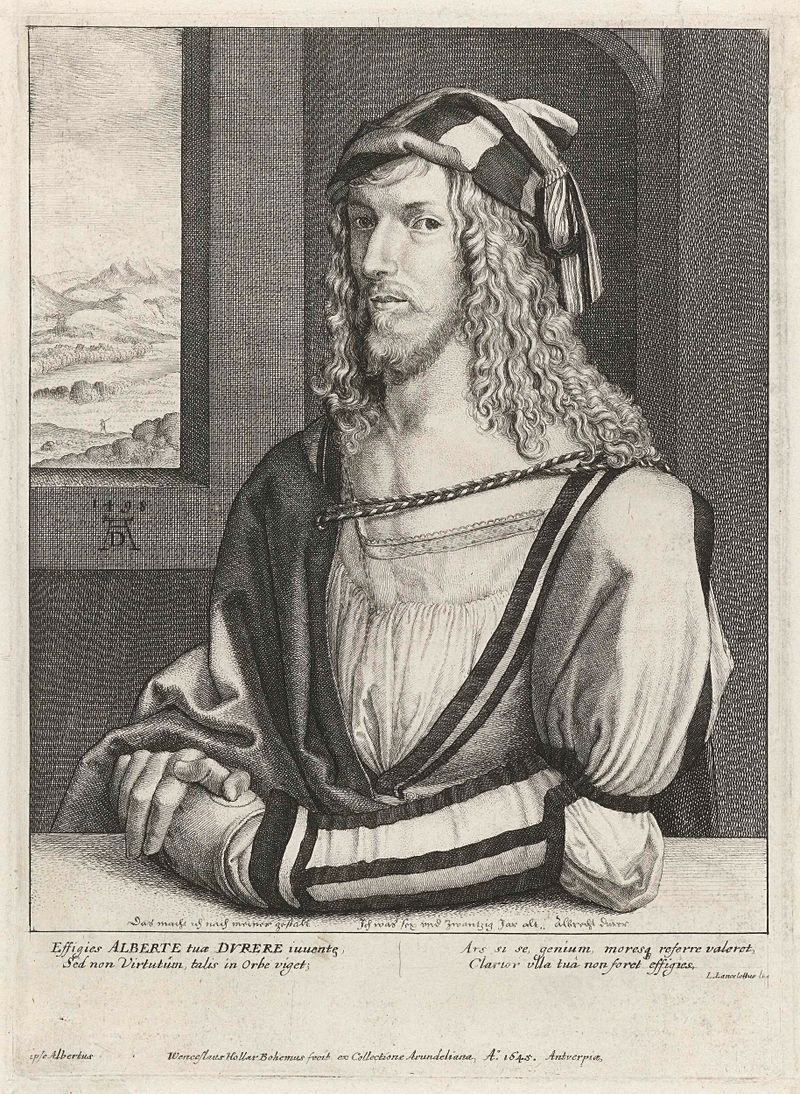
Portret van Albrecht Dürer
Wenceslaus Hollar
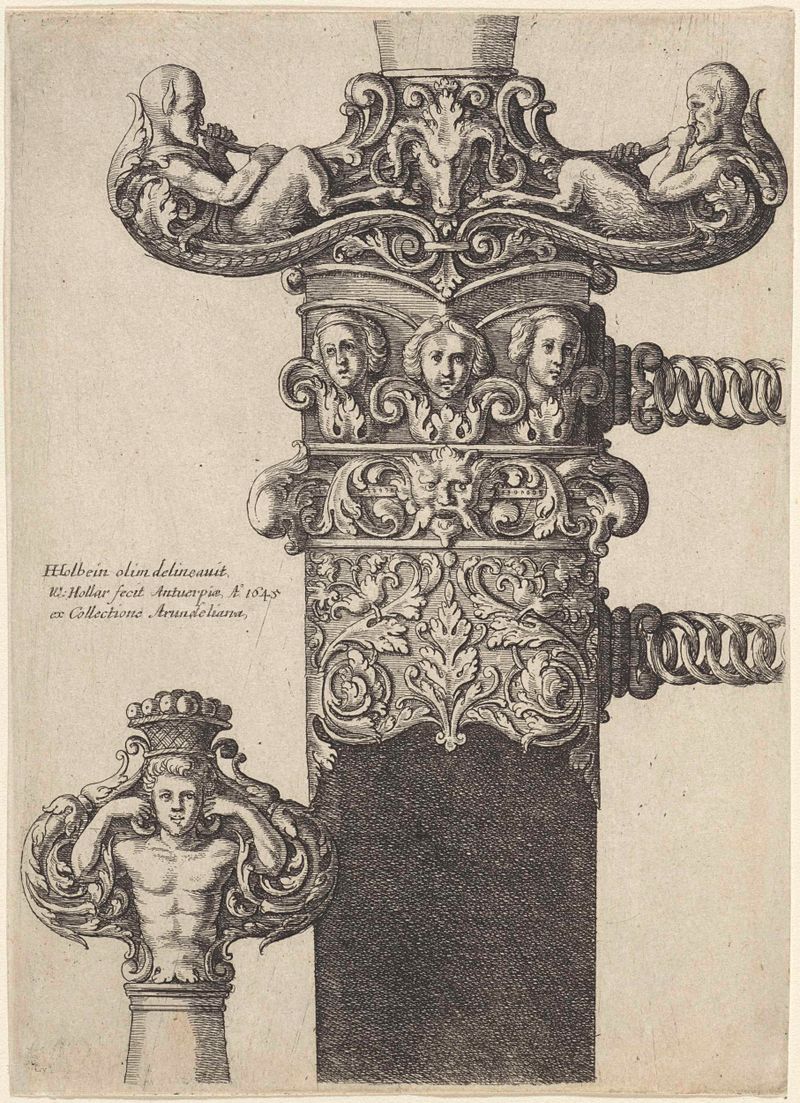
Ornamenteel ontwerp voor een dolk
Wenceslaus Hollar
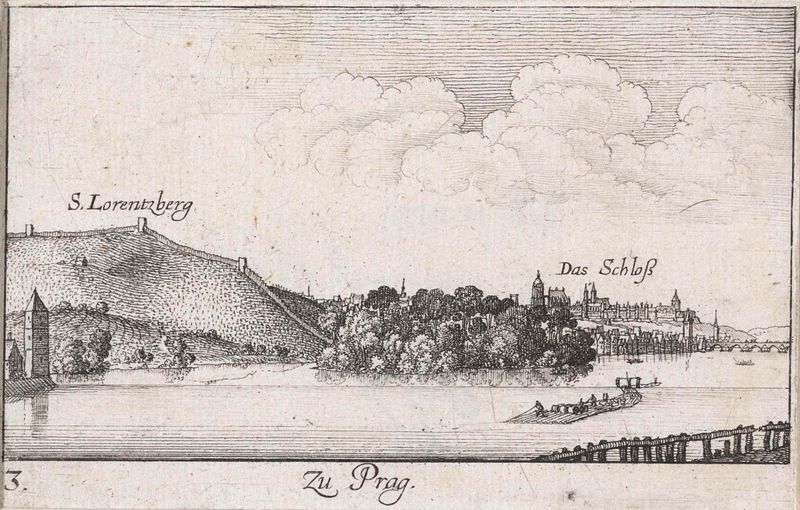
Gezicht op Praag vanaf de Moldau
Wenceslaus Hollar





