
Schelp, nautilus pompilius — History & Facts
In the realm of artistic expression, loss finds a delicate balance between beauty and sorrow, much like a shell cradling memories of the sea. Look closely at the intricate spiral of the nautilus. The contrasting shades of ochre and deep brown draw your gaze into the shell’s rich textures, each curve whispering secrets of the depths from which it originated. The artist’s meticulous attention to detail shines in the delicate striations, inviting you to trace the contours with your eyes.
Notice how the light plays upon the surface, highlighting its glossy sheen while casting shadows that hint at the passage of time. Within this still life, there lies a poignant exploration of existence. The nautilus serves as a powerful metaphor for loss, its perfect form embodying the fleeting nature of life. As the shell spirals inward, it evokes a sense of introspection; what lies beneath its surface is a mystery, evoking feelings of nostalgia and longing.
The isolation of the nautilus suggests a disconnect, an echo of moments once shared that now lay dormant, reminding us of the beautiful fragility of life. Wenceslaus Hollar created this piece between 1644 and 1652, during a time when Europe was engulfed in political and social upheaval. Living in London as an exile from the Thirty Years' War, Hollar’s work reflects both a personal and collective sense of displacement. His unique approach to printmaking and detail captured the intricate beauty of nature, serving as a poignant reminder of the world’s transience amidst the chaos of his era.
More Artworks by Wenceslaus Hollar
Browse all →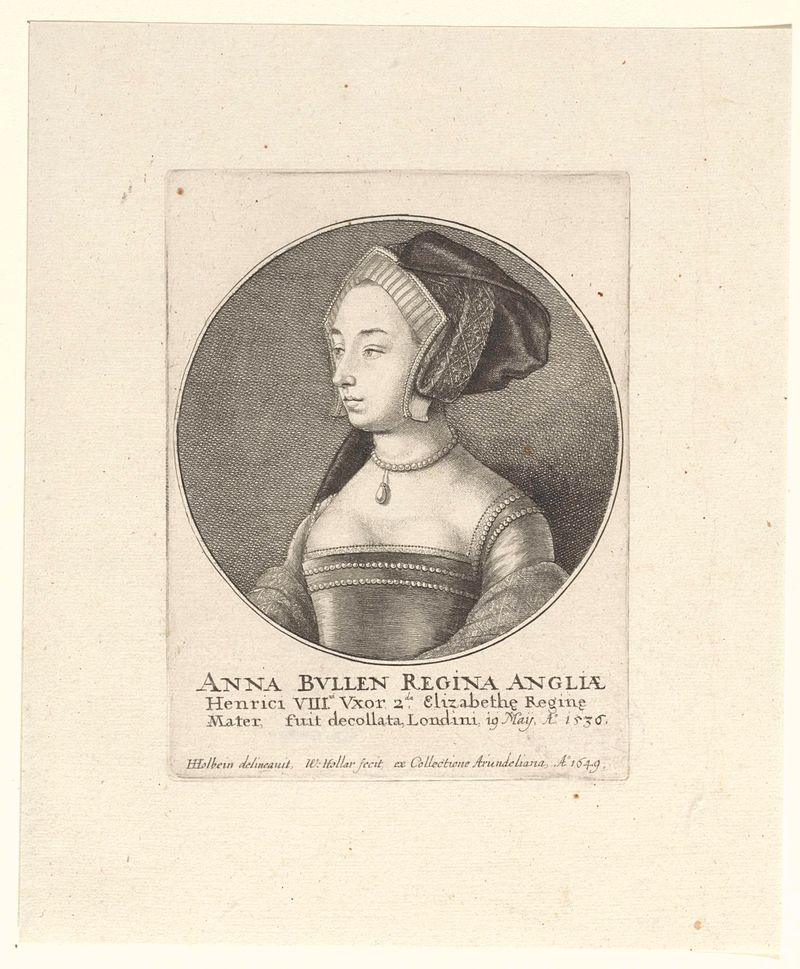
Portret van Anna Boleyn, koningin van Engeland
Wenceslaus Hollar
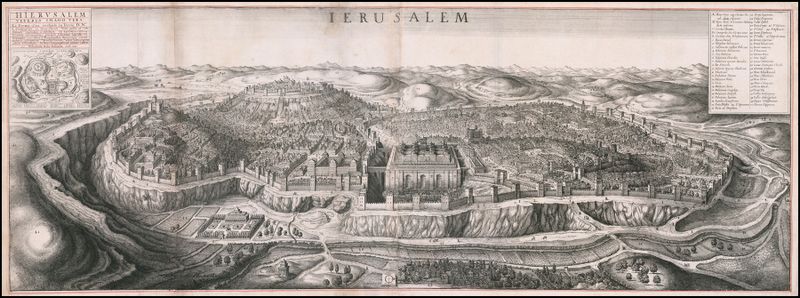
Bird’s eye view of Jerusalem
Wenceslaus Hollar
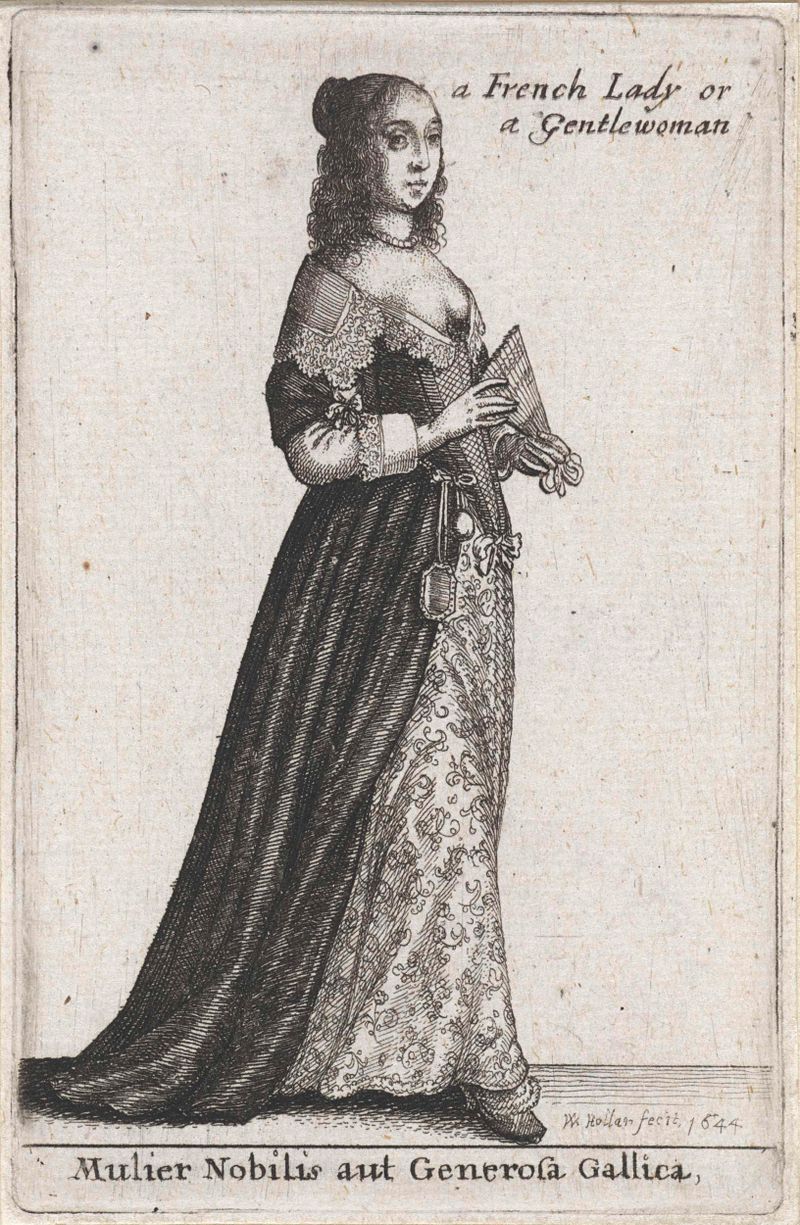
Mulier Nobilis aut Generosa Gallica / a French Lady or Gentlewoman
Wenceslaus Hollar
Titelprent voor: Ornatus Muliebris Anglicanus
Wenceslaus Hollar
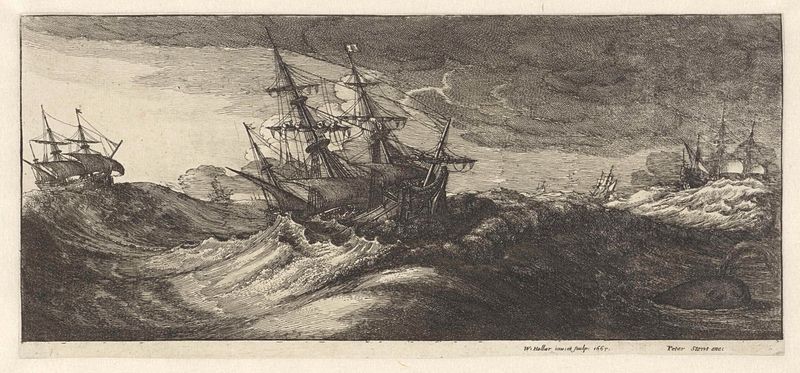
Oorlogsschepen en een walvis in een zeestorm
Wenceslaus Hollar
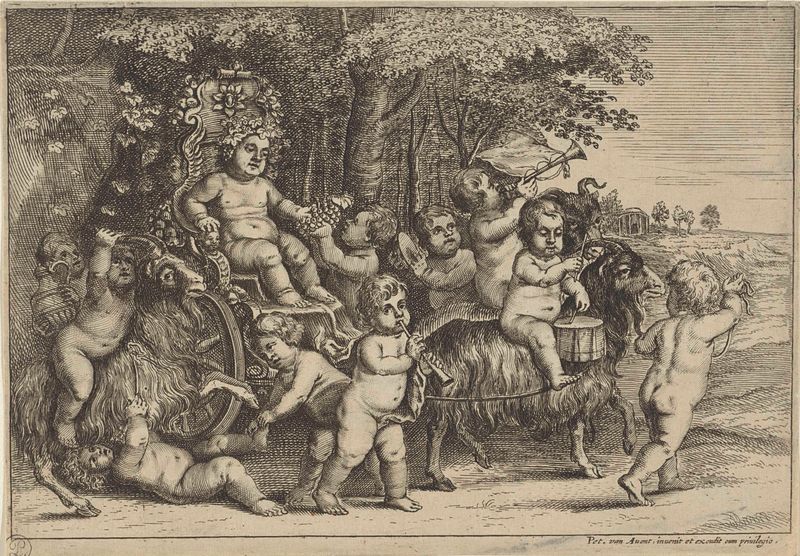
Optocht van bacchant en jongetjes op geiten
Wenceslaus Hollar
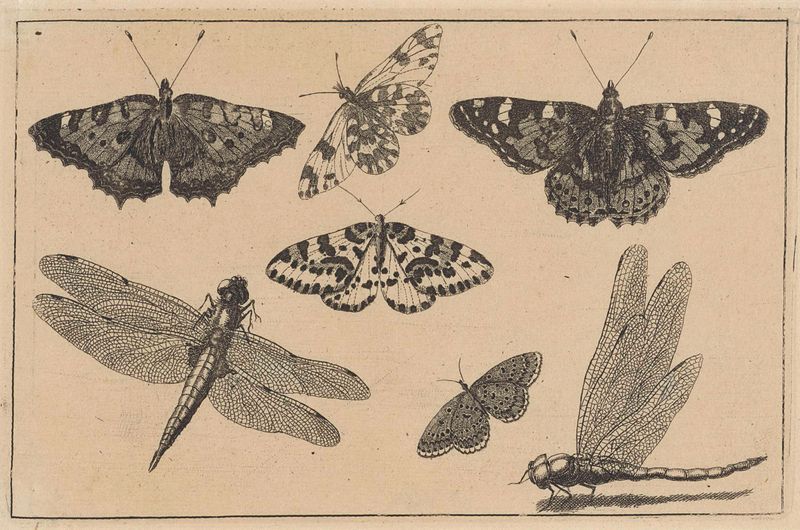
Twee libellen en vijf vlinders
Wenceslaus Hollar
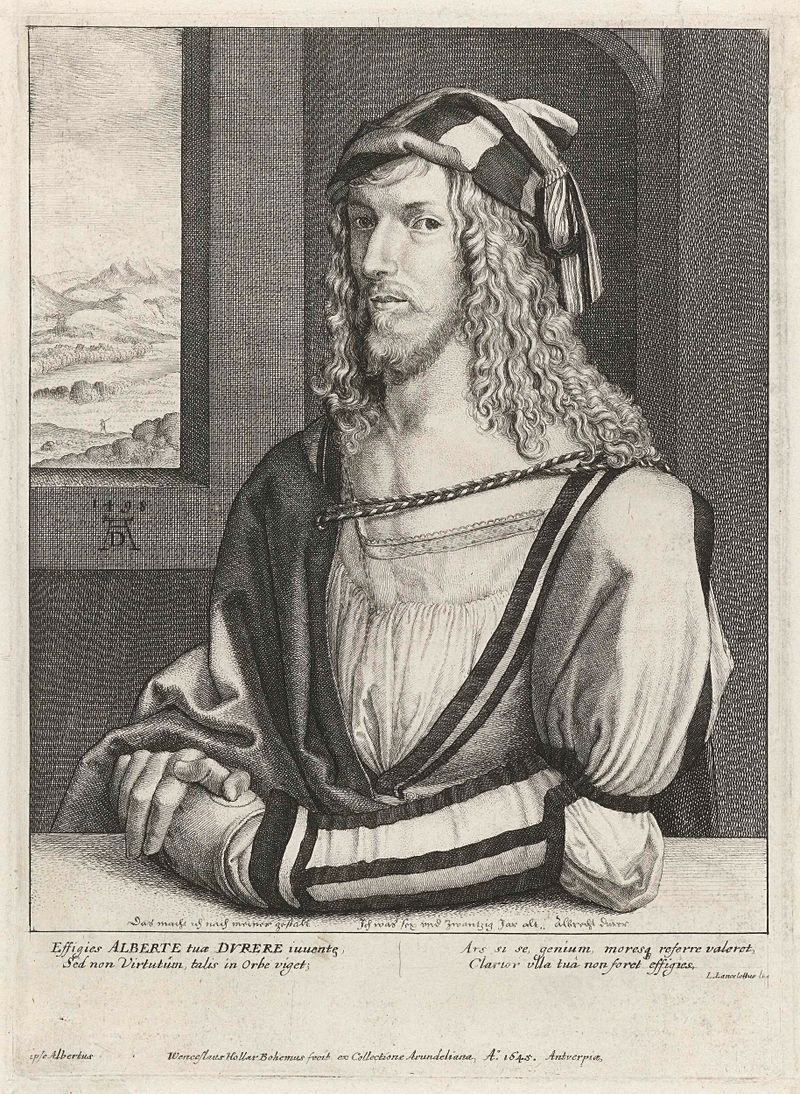
Portret van Albrecht Dürer
Wenceslaus Hollar
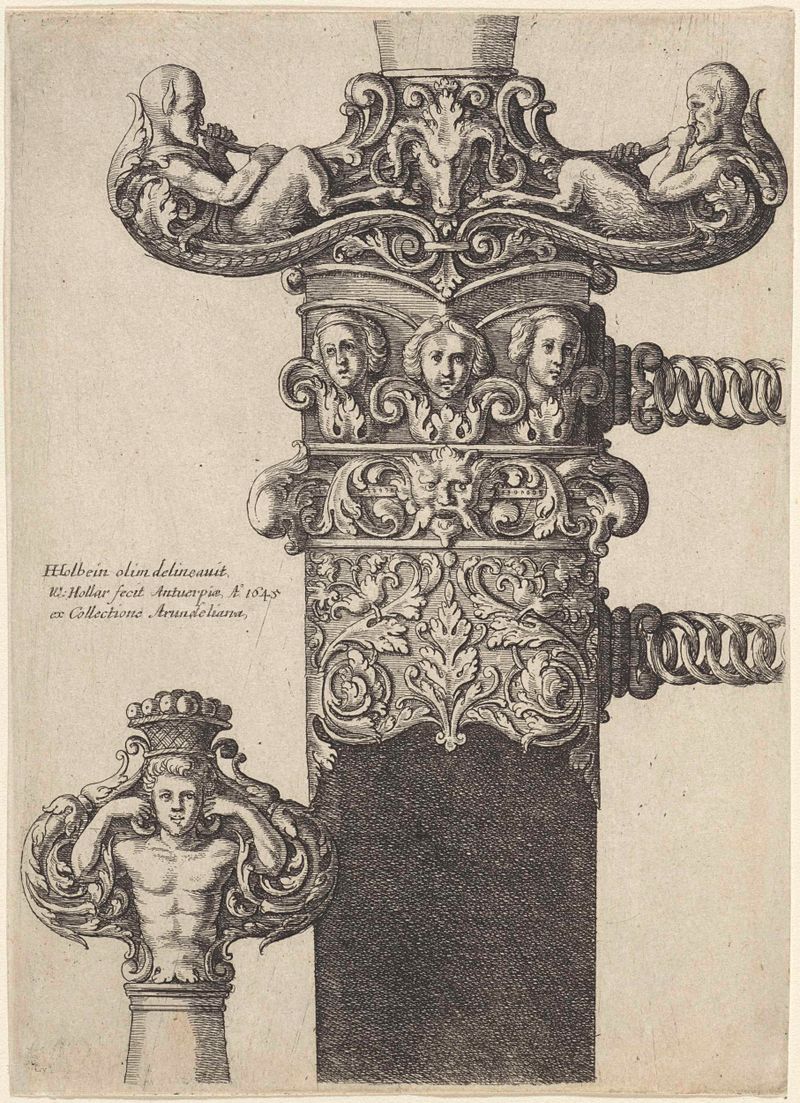
Ornamenteel ontwerp voor een dolk
Wenceslaus Hollar
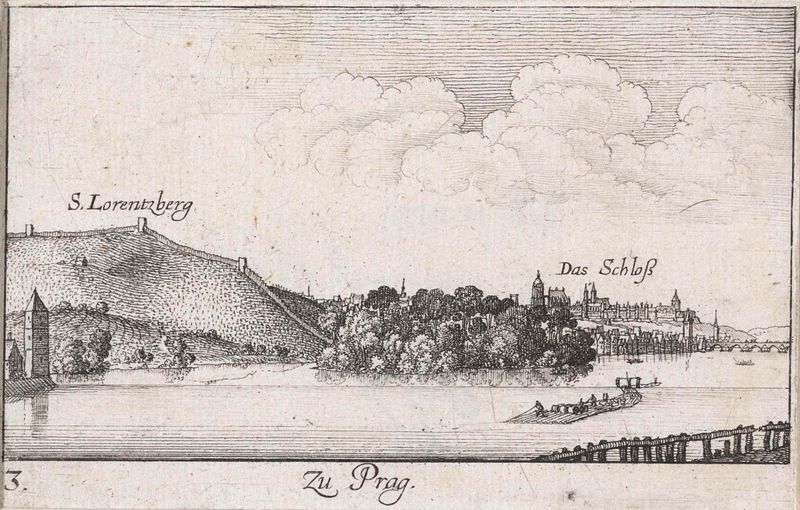
Gezicht op Praag vanaf de Moldau
Wenceslaus Hollar





