
Schelp, phyllonotus erythrostomus — History & Facts
In a fleeting moment where reality blurs into inspiration, a delicate balance exists between the observer and the observed—a connection that transcends time. Focus your gaze on the intricate details of the subject depicted, where vibrant hues of red and orange dance across the creature’s form. Notice how the artist captures the glistening texture of the shell, emphasizing its organic elegance. The naturalistic representation is enhanced by the careful interplay of light and shadow, allowing each facet to breathe a sense of life into the composition.
Hollar's meticulous attention to detail invites you to explore every curve and crevice of the phyllonotus erythrostomus, urging you to consider its place within the larger tapestry of nature. Hidden within this representation lies a delicate harmony between fragility and resilience. The lush coloration could symbolize both beauty and danger, serving as a poignant reminder of nature's duality. This creature, often overlooked, becomes a vessel of awe, inspiring contemplation of the intricate ecosystems that thrive beyond human perception.
Each stroke guides the viewer to a deeper understanding of the interdependence of life, revealing how even the smallest being can embody profound significance. Created between 1644 and 1652, this piece reflects a time when Wenceslaus Hollar was immersed in the vibrant artistic community of Prague and later London. As he navigated personal challenges and the complexities of the art market, Hollar's dedication to naturalism and detail flourished, contributing to the rich visual language of the Baroque period. His work, often sought after by collectors, captures the essence of curiosity that defined a time of exploration and discovery.
More Artworks by Wenceslaus Hollar
Browse all →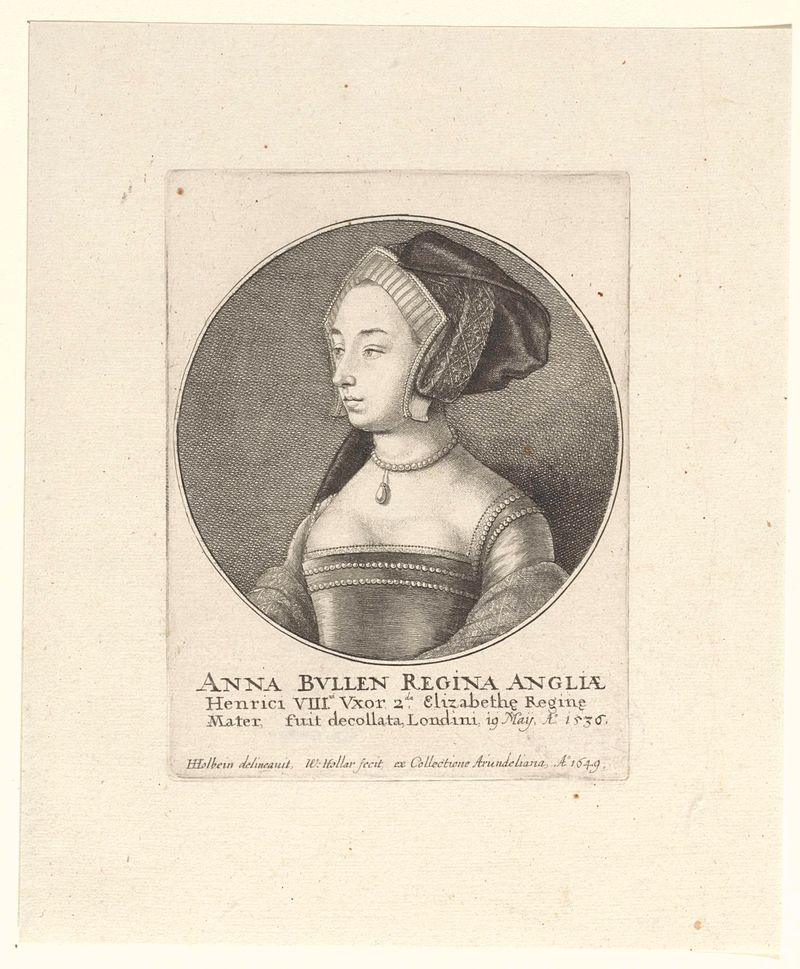
Portret van Anna Boleyn, koningin van Engeland
Wenceslaus Hollar
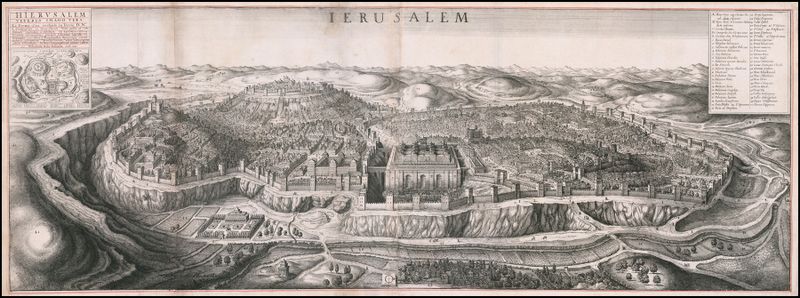
Bird’s eye view of Jerusalem
Wenceslaus Hollar
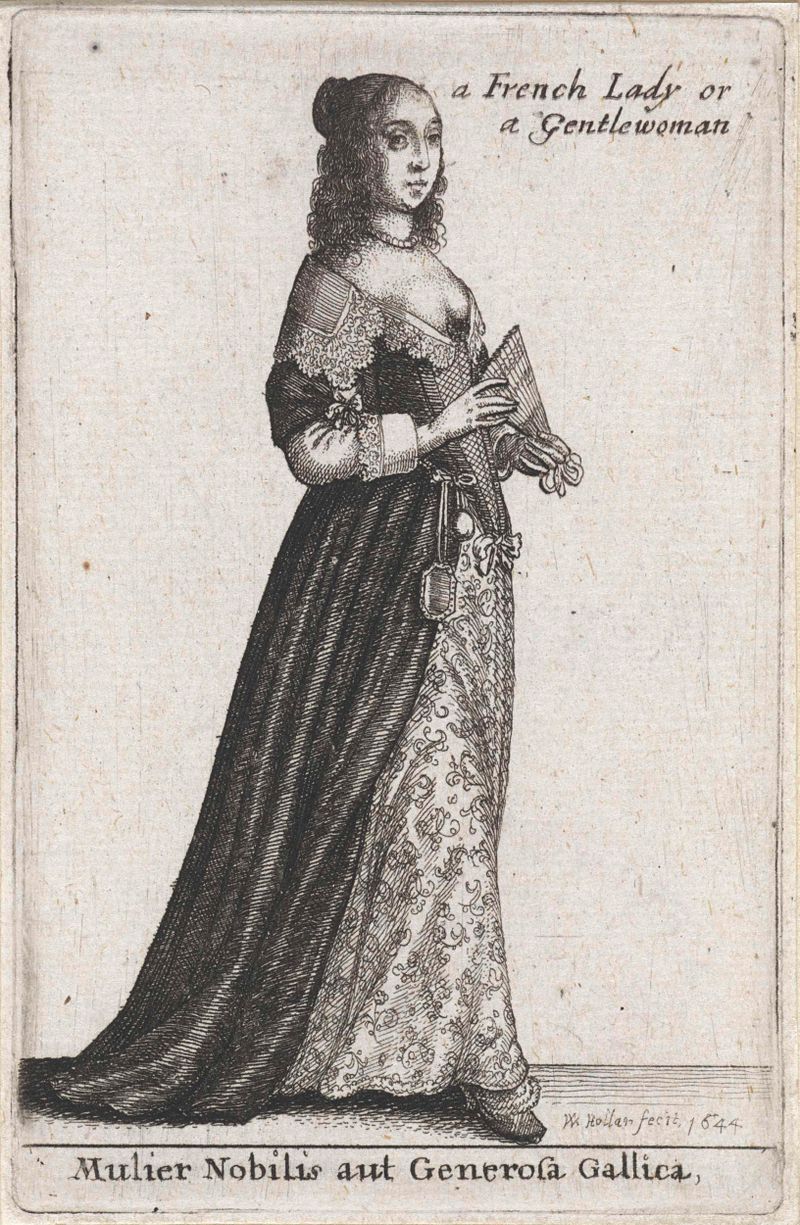
Mulier Nobilis aut Generosa Gallica / a French Lady or Gentlewoman
Wenceslaus Hollar
Titelprent voor: Ornatus Muliebris Anglicanus
Wenceslaus Hollar
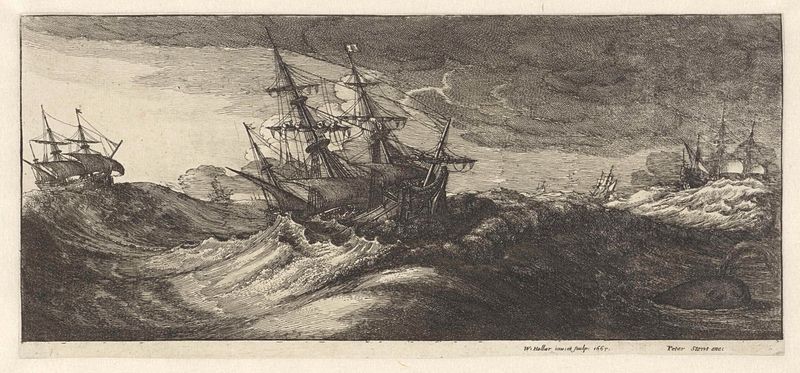
Oorlogsschepen en een walvis in een zeestorm
Wenceslaus Hollar
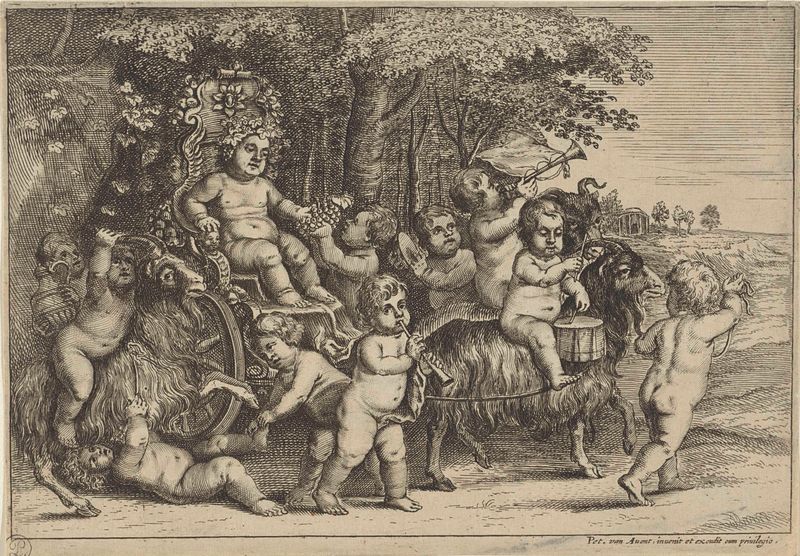
Optocht van bacchant en jongetjes op geiten
Wenceslaus Hollar
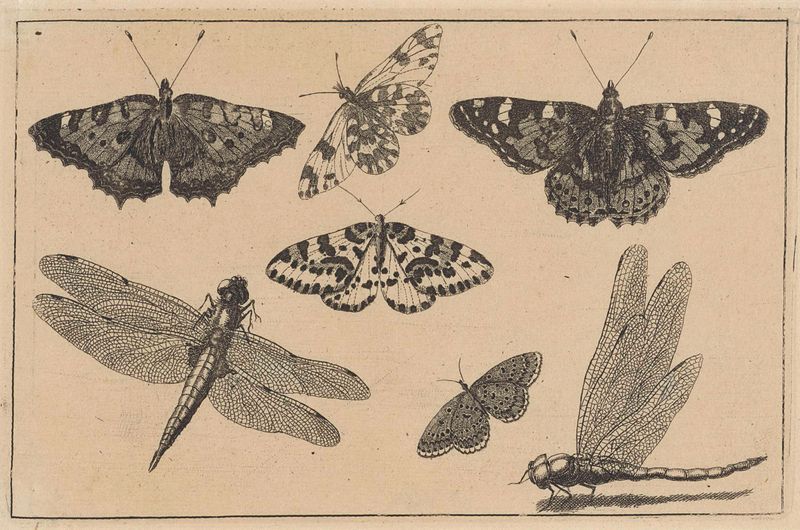
Twee libellen en vijf vlinders
Wenceslaus Hollar
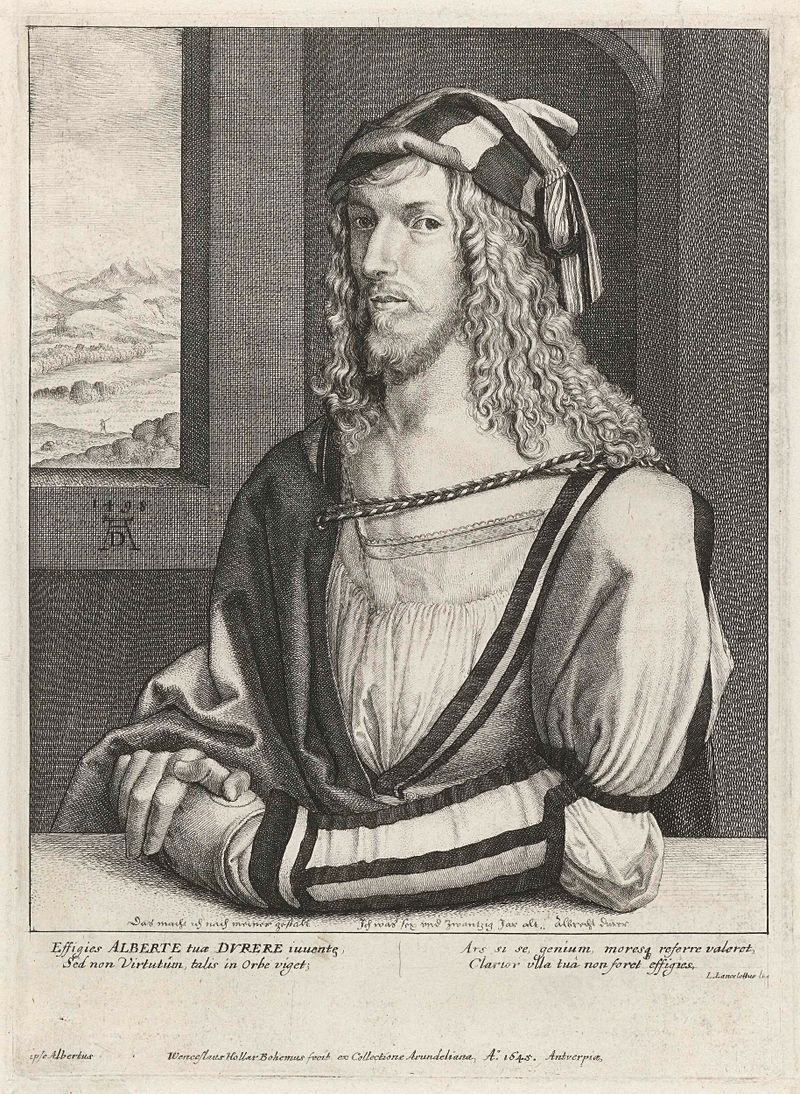
Portret van Albrecht Dürer
Wenceslaus Hollar
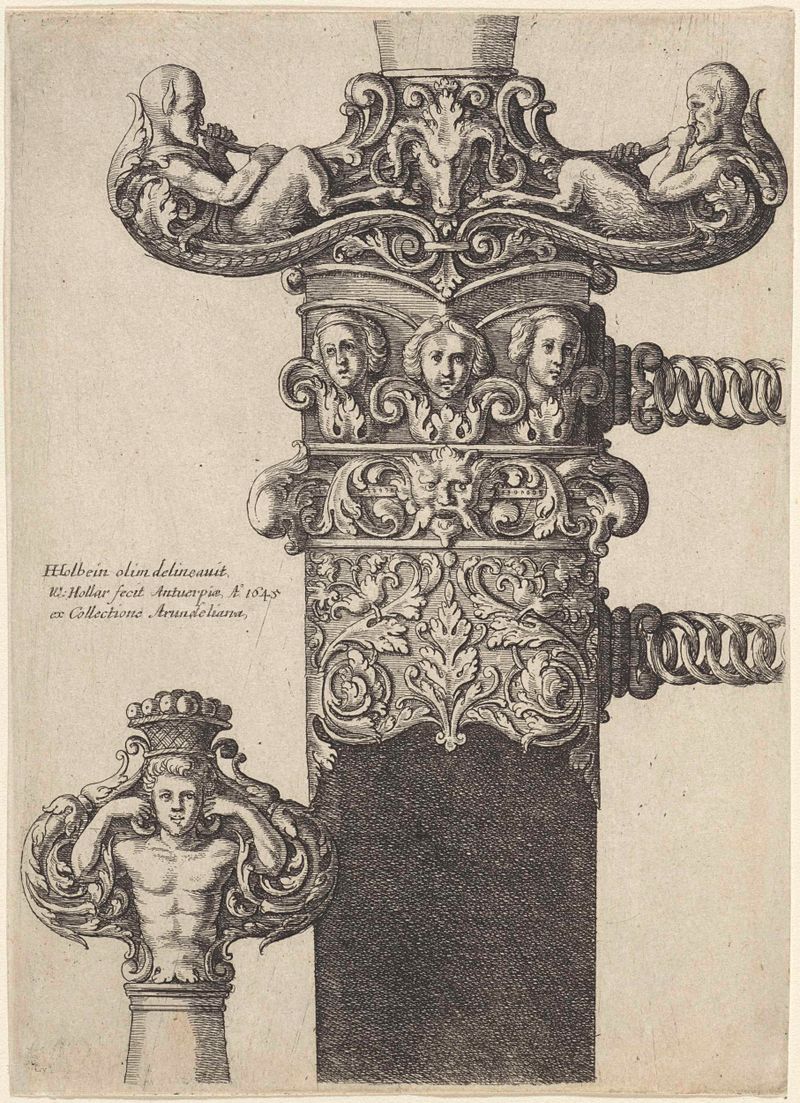
Ornamenteel ontwerp voor een dolk
Wenceslaus Hollar
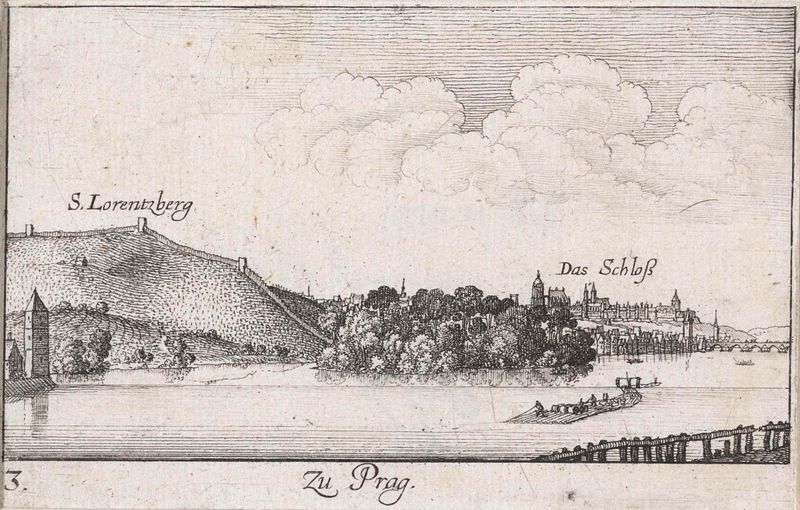
Gezicht op Praag vanaf de Moldau
Wenceslaus Hollar





